
By TrivBits, Staff Writer — Published October 5, 2026
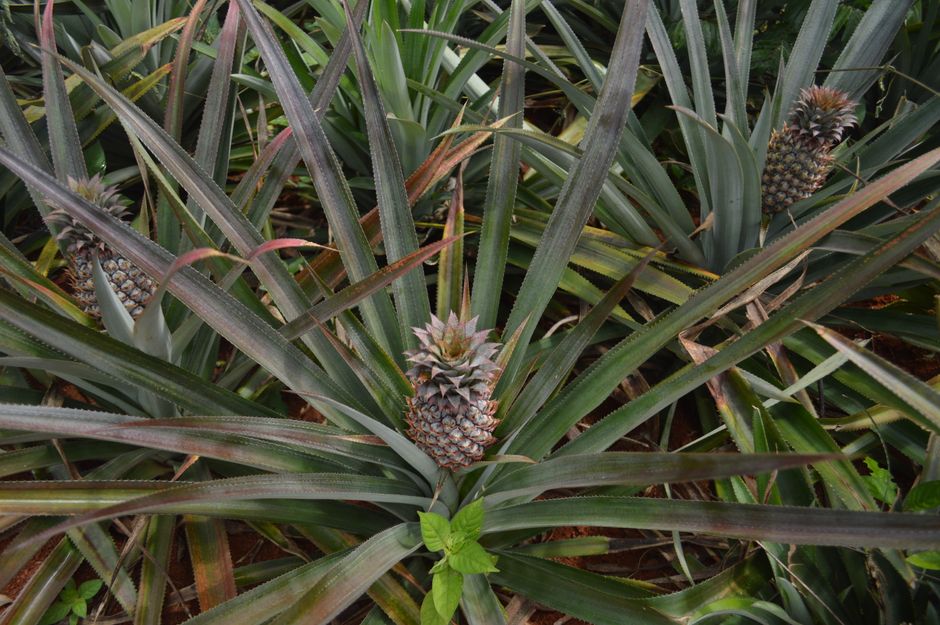
Table of Contents
- Key Takeaways
- Why Pineapple Takes Years While Other Fruits Grow in Weeks
- The One-Fruit-Per-Plant Reality
- Fruit Growing Times: From Fast to Remarkably Slow
- Why Tree Fruits Take Years Before First Harvest
- Myths and Surprising Truths About Fruit Production
- The Agricultural Economics of Slow-Growing Fruits
- Frequently Asked Questions
- Sources
That sweet, golden pineapple sitting in your fruit bowl? It took roughly two years to reach you. While most of us assume fruits ripen in weeks or months, the reality of how long pineapple takes to grow reveals a surprising truth about agricultural patience. Did you know that some of the fruits we eat daily have growing cycles that would shock most shoppers? The journey from seed to supermarket involves far more time, effort, and fascinating biology than you might expect.
These interesting facts about fruit cultivation challenge common assumptions and reveal the hidden complexities of modern agriculture. From tropical delicacies to backyard staples, the truths behind fruit growing times mix practical farming wisdom with genuinely unknown trivia that makes you appreciate every bite.
Key Takeaways
- Pineapples require approximately 18 to 24 months from planting to harvest, making them one of the slowest-growing commercial fruits.
- A single pineapple plant produces only one fruit per growing cycle, then must be replanted or encouraged to produce side shoots.
- Strawberries can fruit in as little as 60 days, while some apple trees need 4 to 5 years before producing their first harvest.
- Bananas are technically berries and grow upside-down, taking about 9 months from flower to fruit.
- Some fruit trees, like persimmons and pawpaws, can take up to a decade before yielding substantial crops.
- Commercial growers use various techniques to accelerate fruiting, but biological limits still govern most production timelines.
Why Pineapple Takes Years While Other Fruits Grow in Weeks
The pineapple’s lengthy growing cycle stems from its unique botanical structure. Unlike tree fruits that benefit from established root systems and stored energy, pineapples grow from the ground up as bromeliads. Each plant must develop a substantial root system, build up enough leaf mass to photosynthesize adequate energy, then finally redirect resources toward fruit production.
The process begins when farmers plant pineapple crowns or slips. These tiny starts spend their first year establishing roots and growing leaves. Only after accumulating sufficient energy reserves does the plant initiate flowering—triggered by ethylene gas production that signals maturity. From flower to ripe fruit adds another six months.
Compare this to strawberries, which can complete their entire cycle in two months. Strawberries are perennials with shallow roots and low energy requirements. They produce multiple fruits per plant throughout a season. The biological difference? Strawberries evolved to reproduce quickly in temperate climates with short growing seasons, while pineapples developed in stable tropical environments where slow, steady growth proved advantageous.
The One-Fruit-Per-Plant Reality
Here’s a surprising truth that even fruit enthusiasts often miss: each pineapple plant produces exactly one pineapple. After harvest, that plant is essentially spent. Commercial growers either replant entirely or cultivate “ratoon crops”—side shoots that grow from the original plant’s base. These ratoons can produce fruit, but they take nearly as long as the original plant and typically yield smaller pineapples.
This single-fruit limitation explains why pineapples once commanded luxury prices in Europe and colonial America. The investment required—two years of land use, water, and care for one fruit per plant—made them extraordinarily expensive. Only with large-scale tropical plantations did pineapples become affordable commodities.
Fruit Growing Times: From Fast to Remarkably Slow
| Fruit | Time to First Harvest | Notable Facts |
|---|---|---|
| Strawberries | 60-90 days | Multiple harvests per season; perennial plants |
| Watermelon | 70-100 days | Annual crop; requires warm temperatures |
| Bananas | 9-12 months | Continuous production in tropical climates |
| Pineapple | 18-24 months | Single fruit per plant; tropical bromeliad |
| Apple Trees | 4-5 years | Then produces for decades; requires cold dormancy |
| Avocado Trees | 5-13 years | Grafted trees faster than seed-grown |
| Persimmon Trees | 7-10 years | Long-lived trees with century-long production potential |
Why Tree Fruits Take Years Before First Harvest
When you plant an apple seed, patience becomes your primary virtue. Fruit trees invest years building structural foundations before reproduction. Young trees prioritize root development, trunk strength, and branch architecture. Premature fruiting could literally break an immature tree or stunt its growth permanently.
This delay represents evolutionary wisdom. Trees are long-term investments in their ecosystems. A tree that rushes to fruit might produce one small crop, then die. A tree that spends five years establishing itself can produce thousands of pounds of fruit over multiple decades. Some apple trees continue bearing fruit for over a century.
Grafting technology shortcuts this timeline. By attaching mature fruiting wood onto established rootstock, orchardists can produce fruit in two to three years instead of five or more. This technique, refined over millennia, combines the vigor of young roots with the maturity of proven fruiting genetics.
Myths and Surprising Truths About Fruit Production
Did you know that bananas grow upside-down? What appears to be downward-drooping fruit actually grows against gravity, curving upward toward the sun. This quirky growth pattern confuses first-time observers who expect fruits to hang like apples.
Another myth: seedless fruits are “unnatural.” Seedless varieties occur naturally through mutations and have been cultivated for centuries. Bananas, for instance, are mostly seedless in their commercial forms. Those tiny black specks in the center? Sterile, undeveloped seeds. Wild bananas contain large, hard seeds that make them nearly inedible.
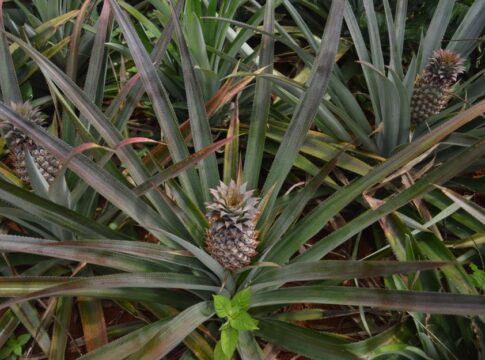
Many people believe pineapples grow on trees. They don’t. Pineapples grow from ground-level plants, with the fruit emerging from the center of a spiky rosette of leaves. The misconception likely stems from the fruit’s tropical origins and its crown of leaves, which suggests tree-dwelling.
The Agricultural Economics of Slow-Growing Fruits
Time equals money in agriculture, which explains why faster-growing crops dominate global markets. A farmer who plants strawberries can harvest and sell product within months, reinvesting profits quickly. That same farmer planting pineapples must wait two years for revenue, maintaining the land throughout.
This economic reality shapes what appears in grocery stores. Fast-growing annuals like tomatoes, cucumbers, and berries flood markets because they offer quick returns. Slow-growing fruits require either substantial capital investment or geographic advantages—like tropical climates where pineapples and bananas grow year-round, allowing staggered planting and continuous harvests.
Climate also determines viability. Pineapples thrive in frost-free regions with consistent warmth. Attempting pineapple cultivation in temperate zones extends growing time even further, making it economically impractical. This is why Hawaii, Costa Rica, and the Philippines dominate pineapple production while temperate regions focus on apples, pears, and stone fruits adapted to seasonal cycles.
Frequently Asked Questions
Can you grow a pineapple faster than 2 years?
Under optimal greenhouse conditions with controlled temperatures, intensive fertilization, and artificial lighting, some growers have reduced pineapple growing time to about 16 months. However, commercial field production consistently requires 18 to 24 months. The plant’s biological development simply cannot be rushed beyond certain limits without compromising fruit quality or plant health.
Why do pineapples take so much longer than other tropical fruits?
Pineapples are bromeliads, not trees, which means each plant starts from scratch without established woody infrastructure. They must build sufficient leaf mass to generate enough photosynthetic energy for fruit production. Bananas grow from large underground corms that store energy, and mango trees have extensive root systems—both allowing faster fruiting once established. Pineapples lack these advantages.
Do all fruit trees take years before producing fruit?
Most fruit trees require several years, but the timeline varies dramatically. Dwarf and grafted varieties can produce within 2 to 3 years, while standard trees from seed may take 5 to 10 years or more. Fig trees often fruit within 2 years, while pecan trees might need a decade. The species, growing method, and rootstock all influence the timeline significantly.
What’s the fastest-growing fruit you can harvest?
Strawberries rank among the fastest, producing ripe fruit roughly 60 days after planting. Some varieties of summer squash and cucumbers—botanically fruits—can be harvested in as little as 40 to 50 days. For tree fruits, figs can produce a small crop in their second year, making them one of the quickest tree fruits for impatient gardeners.