
By TrivBits, Staff Writer — Published October 5, 2026
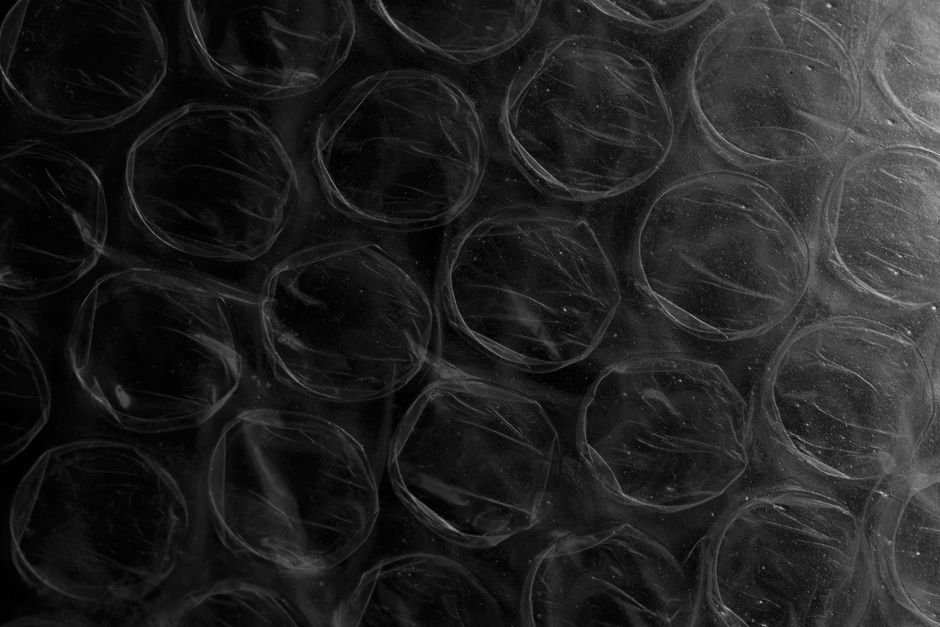
Table of Contents
- Key Takeaways
- How Bubble Wrap Invented Its Way Into Existence
- The Pivot: From Walls to Greenhouses to Packages
- The Science Behind the Pop
- Myths and Truths About This Packaging Icon
- The Cultural Impact Nobody Expected
- Frequently Asked Questions
- Sources
Did you know that bubble wrap invented as a protective packaging material was actually a complete accident? The satisfying pop of those air-filled pockets was never supposed to protect your fragile items during shipping. Instead, this now-ubiquitous material started life as a spectacular failure in the world of interior design. What began as an attempt to create trendy textured wallpaper in 1957 ended up revolutionizing how we ship delicate objects around the world.
The surprising truth behind bubble wrap’s origin story reveals how some of the most useful inventions emerge from unexpected places. Two engineers tried to create the next big thing in home décor and ended up with something nobody wanted to hang on their walls—but everyone needed in their moving boxes.
Key Takeaways
- Bubble wrap was originally invented in 1957 by engineers Alfred Fielding and Marc Chavannes as textured wallpaper for modern homes
- The inventors created it by sealing two shower curtains together with air bubbles trapped between them
- After wallpaper failed, they tried marketing it as greenhouse insulation before discovering its true calling as protective packaging
- IBM became one of the first major customers, using bubble wrap to protect their early computer shipments in the 1960s
- The material now protects billions of dollars worth of goods annually and has become a stress-relief phenomenon
- This interesting example of failed innovation turned success demonstrates how persistence and creativity can transform mistakes into triumphs
How Bubble Wrap Invented Its Way Into Existence
In a garage in Hawthorne, New Jersey, Alfred Fielding and Marc Chavannes were experimenting with plastic materials. The year was 1957, and post-war America was obsessed with modern design and new synthetic materials. The two engineers had a vision: create a three-dimensional plastic wallpaper that would be the height of contemporary style.
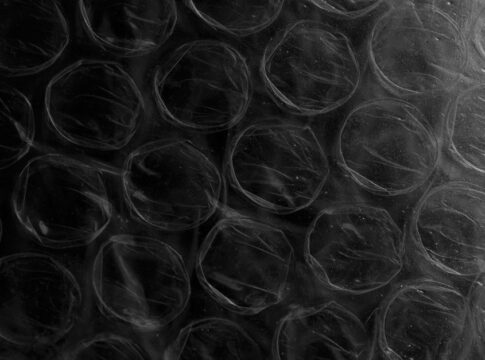
Their method was surprisingly simple. They took two shower curtains and sealed them together, trapping air bubbles in between the layers. The result? A bumpy, textured sheet of plastic with uniform air pockets. It looked interesting enough. But there was one problem: nobody wanted it on their walls.
Homeowners weren’t interested in plastic wallpaper, no matter how innovative the texture. The market rejection was swift and definitive. Most inventors would have given up, tossed the prototype in the trash, and moved on to the next idea. Fielding and Chavannes did something different—they refused to accept defeat.
The Pivot: From Walls to Greenhouses to Packages
Unknown to many trivia enthusiasts, bubble wrap went through multiple identity crises before finding its purpose. After the wallpaper disaster, the inventors tried marketing their creation as insulation for greenhouses. The logic was sound: the trapped air could provide thermal protection for delicate plants. This approach found slightly more interest than wallpaper, but still failed to gain significant traction.
The breakthrough came when Fielding and Chavannes realized their material had exceptional cushioning properties. Those air pockets that made terrible wallpaper patterns were perfect for absorbing shock. They founded Sealed Air Corporation in 1960 to manufacture and market their invention as protective packaging.
But even with the right application identified, they needed a major client to prove the concept. That validation came from an unlikely source: the computer industry. IBM was shipping their new 1401 computer systems—massive, delicate, expensive machines that needed protection during transport. The company became one of bubble wrap’s first major customers, and the material finally found its calling.
The Science Behind the Pop
What makes bubble wrap so effective at protection? The answer lies in basic physics and clever engineering. Each bubble acts as an independent shock absorber, distributing impact force across multiple points rather than concentrating it in one area.
When you drop a package wrapped in this material, the air-filled pockets compress on impact. This compression converts kinetic energy into heat and sound—that’s the satisfying pop you hear. The beauty of the design is redundancy: thousands of individual bubbles mean that even if some burst, the remaining intact pockets continue providing protection.
Modern bubble wrap comes in various sizes, from tiny bubbles for lightweight items to large pockets for heavy-duty industrial shipping. The material itself is typically made from polyethylene plastic, chosen for its flexibility, durability, and moisture resistance. Some versions include anti-static properties for protecting electronic components.
Myths and Truths About This Packaging Icon
Separating bubble wrap facts from fiction reveals some fascinating truths. One common myth suggests that the material was invented during World War II for military purposes. Not true—it came a full decade after the war ended, and emerged from civilian experimentation.
Another misconception claims that popping bubble wrap releases harmful chemicals. In reality, standard bubble wrap contains only air and polyethylene plastic. The pop is simply air escaping, nothing toxic or dangerous.
Here’s a truth that surprises many: Sealed Air Corporation actually invented “unpoppable” bubble wrap in 2015. Called iBubble Wrap, it features connected air channels that allow bubbles to refill after compression. While practical for shipping efficiency, it proved deeply unpopular with people who enjoy the popping sensation. The company learned that sometimes, failure features become beloved characteristics.
The Cultural Impact Nobody Expected
Beyond its practical applications, bubble wrap has achieved an unusual status in popular culture. The tactile satisfaction of popping bubbles has been studied by psychologists, who found that the repetitive action can reduce stress and anxiety. Some therapists recommend it as a harmless outlet for nervous energy.
The material has inspired art installations, appeared in fashion designs, and even earned its own appreciation day. Yes, the last Monday of January is unofficially celebrated as Bubble Wrap Appreciation Day, created by a radio station in 2001. Millions of people worldwide now celebrate by popping bubbles with gleeful abandon.
Schools use bubble wrap for science experiments demonstrating air pressure, insulation, and material properties. Musicians have incorporated it into percussion performances. Artists have created sculptures and installations exploring themes of protection, fragility, and consumer culture.
Frequently Asked Questions
Who actually invented bubble wrap and when?
Alfred Fielding and Marc Chavannes invented bubble wrap in 1957 in Hawthorne, New Jersey. They were attempting to create textured wallpaper by sealing two shower curtains together, which trapped air bubbles between the layers. After the wallpaper concept failed, they eventually marketed it as protective packaging and founded Sealed Air Corporation in 1960.
Why was bubble wrap originally designed as wallpaper?
In the 1950s, modern design and synthetic materials were extremely popular in American homes. Fielding and Chavannes believed that three-dimensional plastic wallpaper would appeal to consumers looking for contemporary, space-age décor. The textured surface created by air bubbles seemed innovative at the time, though the market ultimately rejected the concept.
Is popping bubble wrap actually good for stress relief?
Yes, research suggests that popping bubble wrap can provide genuine stress relief. The repetitive action, combined with the tactile feedback and popping sound, can help reduce anxiety and nervous tension. Psychologists note that simple, repetitive activities often help people manage stress, making bubble wrap an accessible and harmless coping mechanism.
Can bubble wrap be recycled?
Bubble wrap is made from polyethylene plastic, which is technically recyclable. However, most curbside recycling programs don’t accept it because it can jam sorting machinery. Many grocery stores and retail locations that accept plastic bag recycling will also take bubble wrap. Alternatively, reusing bubble wrap for multiple shipping purposes extends its useful life before disposal becomes necessary.