

By TrivBits, Staff Writer — Published October 4, 2026
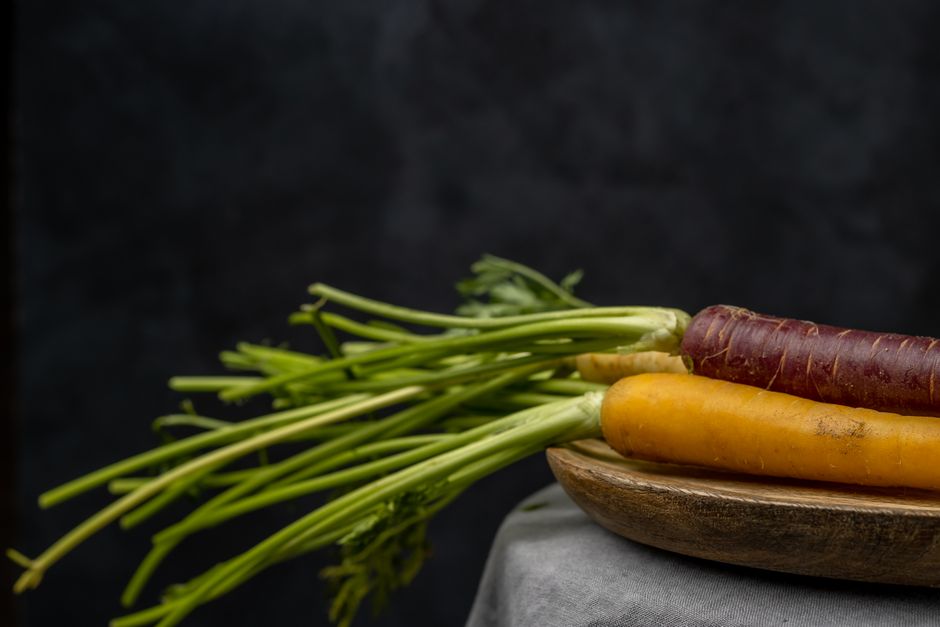
Table of Contents
- Key Takeaways
- The Original Carrots Purple 17th Century: A Rainbow of Roots
- Why Orange Won the Carrot Color Wars
- Myths and Truths About Carrot History
- Frequently Asked Questions
- Sources
Did you know the familiar orange carrot you crunch today is a relatively modern invention? For thousands of years, carrots purple 17th century and earlier were the norm, not the exception. The surprising truth is that orange carrots didn’t dominate until Dutch growers transformed them into the vegetable we recognize now. This fascinating journey from purple to orange reveals how human cultivation can completely reshape nature—and how myths about food history often obscure interesting facts about what we eat.
The story of the carrot’s color change is more than trivia. It’s a window into agriculture, politics, and the unknown forces that shaped our dinner plates.
Key Takeaways
- Purple, yellow, and white carrots dominated for millennia before orange varieties emerged
- Dutch growers in the 17th century popularized orange carrots through selective breeding
- The orange color comes from high beta-carotene content, a nutritional advantage
- Purple carrots still exist today and contain beneficial anthocyanins
- The carrot’s color transformation reflects broader patterns in agricultural history
- Many “traditional” foods we take for granted are actually recent innovations
The Original Carrots Purple 17th Century: A Rainbow of Roots
1. Ancient Carrots Were Never Orange
The earliest cultivated carrots, domesticated in Central Asia around the 10th century, came in purple and yellow varieties. Archaeological evidence and historical texts confirm that orange was simply not part of the original carrot color palette. These ancient roots were often bitter and thin, bearing little resemblance to the sweet, plump carrots we know today. Farmers grew them primarily for their aromatic seeds and leaves rather than the roots themselves.
2. Purple Pigments Served a Purpose
The deep purple hue came from anthocyanins, powerful antioxidant compounds that plants produce for protection. These pigments shield plant tissues from UV radiation and oxidative stress. Wild carrots developed purple coloring as a survival mechanism, which made perfect evolutionary sense in their native harsh mountain environments. The color wasn’t just decorative—it was functional armor.
3. White and Yellow Varieties Followed
As carrots spread westward through Persia and the Arab world, white and yellow cultivars emerged through natural mutation and selective breeding. By the time carrots reached Europe in the medieval period, these lighter varieties were common. Written records from the 13th and 14th centuries describe carrots in multiple colors, with purple and yellow being most frequently mentioned in European gardens and markets.
4. The Dutch Golden Age Changed Everything
Dutch horticulturists in the 16th and 17th centuries began intensive breeding programs. Their goal was to create sweeter, less fibrous carrots with better storage qualities. Through patient selection over generations, they developed carrots with increasingly high carotene content. The orange color was a byproduct of breeding for sweetness and texture, not an aesthetic choice at first.
5. Beta-Carotene Created the Orange Revolution
Orange carrots contain exceptionally high levels of beta-carotene, a precursor to vitamin A that our bodies convert as needed. This compound gives carrots their distinctive color and substantial nutritional value. A single medium orange carrot can provide more than 200% of daily vitamin A requirements. This nutritional advantage helped orange varieties gain favor once their benefits became apparent.
6. The Dutch Patriotic Connection Is Mostly Myth
A popular story claims Dutch growers created orange carrots to honor William of Orange, leader of the Dutch revolt. While this makes for compelling trivia, historians find little evidence to support it. The timing coincides roughly with William’s era, but the breeding was likely driven by agricultural improvement rather than patriotic symbolism. The myth persists because it’s a satisfying narrative.
7. Orange Carrots Conquered Through Superior Traits
Why did orange varieties displace purple ones so completely? Orange carrots were sweeter, stored longer, and grew more uniformly. They also had a milder flavor that appealed to broader palates. Commercial advantages in farming and trade meant orange carrots quickly dominated European markets by the 18th century. Success in agriculture often comes down to practical advantages, not just color.
8. Purple Carrots Never Completely Disappeared
Despite orange dominance, purple carrots survived in certain regions, particularly in Asia and the Middle East. Farmers in Afghanistan, Pakistan, and Turkey continued growing traditional varieties. These heirloom carrots maintained genetic diversity that would prove valuable centuries later when interest in heritage vegetables revived. Preservation of old varieties often happens in agricultural margins, away from commercial pressures.
9. Different Colors Mean Different Nutrients
Purple carrots contain anthocyanins alongside beta-carotene, offering a different nutritional profile than orange varieties. Yellow carrots are rich in lutein, beneficial for eye health. White carrots lack pigmented compounds but contain fiber and other nutrients. The rainbow of carrot colors represents distinct phytonutrient combinations, each with specific health properties.
10. Modern Breeding Brought Rainbow Carrots Back
In recent decades, agricultural researchers and specialty growers have revived purple, yellow, red, and white carrot varieties. This “rainbow carrot” trend reflects consumer interest in heritage foods and nutritional diversity. Modern purple carrots are sweeter and more tender than ancient varieties, benefiting from centuries of breeding knowledge applied to traditional colors. Innovation sometimes means looking backward.
11. The Carrot’s Wild Ancestor Still Exists
The wild carrot, known as Queen Anne’s Lace, grows throughout Europe and North America. Its thin, pale root bears little resemblance to cultivated carrots. This wild ancestor demonstrates how dramatically human selection can transform a plant over time. The journey from bitter wild root to sweet garden vegetable took thousands of years of patient cultivation.
12. Color Affects Carrot Flavor Chemistry
Purple carrots often have a slightly peppery, earthy flavor distinct from orange varieties. The anthocyanins and other compounds responsible for purple coloring contribute to taste as well as appearance. Yellow carrots tend toward mild sweetness, while white varieties can be subtly different in texture. Color and flavor are chemically linked in ways that go beyond simple aesthetics.
13. Cooking Changes Purple Carrots Dramatically
When you boil or steam purple carrots, the anthocyanin pigments leach into cooking water, often turning it blue or purple. The carrots themselves may fade to orange or brown, revealing the beta-carotene underneath. This color transformation surprised many modern cooks encountering heritage varieties for the first time. The chemistry of cooking reveals hidden layers in these vegetables.
14. Carrots Weren’t Always Considered Food
Early Greeks and Romans viewed carrots primarily as medicinal plants rather than food crops. Ancient physicians prescribed carrot seeds and roots for various ailments. The transformation of carrots from medicine to mainstream vegetable happened gradually over centuries. Many vegetables we now eat routinely began their cultivated lives serving different purposes entirely.
15. Global Carrot Production Exceeds 40 Million Tons
Today, carrots rank among the world’s top ten vegetable crops by production volume. China grows roughly half of the global supply, followed by Uzbekistan, Russia, and the United States. Nearly all commercial production uses orange varieties, though specialty markets for colored carrots are growing. The orange carrot’s global dominance is complete, yet diversity persists in niches.
16. Baby Carrots Are a 1980s Innovation
Those convenient “baby carrots” in grocery stores aren’t actually young carrots—they’re full-sized carrots cut and shaped by machines. This product innovation began in California in the 1980s as a way to use imperfect carrots that couldn’t be sold whole. The invention transformed carrot consumption patterns and reduced agricultural waste. Sometimes the newest innovations involve the oldest crops.
17. The Future May Bring Designer Carrot Colors
Agricultural researchers continue developing new carrot varieties with targeted nutritional profiles. Purple carrots with enhanced anthocyanin content, orange varieties with even higher beta-carotene, and novel colors like deep red are all under development. Modern genetics allows breeders to work with precision impossible in earlier centuries. The carrot’s color story isn’t finished—it’s still being written.
Why Orange Won the Carrot Color Wars
The triumph of orange carrots wasn’t inevitable. It resulted from a combination of agricultural practicality, nutritional advantage, and historical timing. Dutch growers had the horticultural expertise, commercial networks, and economic incentives to spread their improved varieties across Europe and eventually worldwide.
Orange carrots also arrived at a moment when European agriculture was modernizing. Standardization in farming and food trade favored uniform products. A single dominant variety simplified everything from planting to marketing. Purple and yellow carrots survived only where traditional agriculture persisted outside commercial pressures.
The nutritional benefits of beta-carotene, though not understood scientifically until the 20th century, may have been recognized intuitively. Communities that adopted orange carrots might have noticed health improvements, particularly in children. Vitamin A deficiency causes serious health problems, and a vegetable that prevented them would naturally gain favor.
Myths and Truths About Carrot History
| Myth | Truth |
|---|---|
| Carrots were always orange | Purple, yellow, and white varieties dominated for millennia |
| Orange carrots honor William of Orange | Likely coincidental timing; breeding focused on quality |
| Purple carrots are a modern invention | They’re the original form, recently revived |
| Carrots help you see in the dark | WWII propaganda; vitamin A supports eye health but doesn’t create night vision |
Frequently Asked Questions
Are purple carrots healthier than orange carrots?
Both offer distinct nutritional benefits. Purple carrots provide anthocyanins with antioxidant properties, while orange carrots excel in beta-carotene for vitamin A. Neither is definitively “healthier”—they offer complementary nutrients. Eating a variety of colored vegetables ensures the broadest nutritional intake. The healthiest choice is often diversity rather than any single variety.
Can you still buy purple carrots today?
Yes, purple carrots are increasingly available at farmers’ markets, specialty grocers, and even some mainstream supermarkets. Seed companies also sell purple carrot varieties for home gardeners. The heritage vegetable movement has made once-rare varieties accessible again. You might find them labeled as “rainbow carrots” or “heirloom carrots” in stores.
Do purple and orange carrots taste different?
Purple carrots often have a slightly earthier, sometimes peppery flavor compared to the straightforward sweetness of orange varieties. The difference is subtle but noticeable to attentive tasters. Growing conditions, soil, and harvest timing affect flavor more than color alone. Most people find all carrot colors pleasant and interchangeable in cooking.
Why did Dutch growers focus on developing orange carrots?
Dutch horticulturists aimed to create sweeter, less fibrous carrots that stored well and grew uniformly. The orange color emerged as a byproduct of selecting for these practical traits. High carotene content correlated with the qualities they wanted. The Netherlands had advanced agricultural knowledge and commercial incentives to develop improved vegetable varieties during its Golden Age.