

By TrivBits, Staff Writer — Published August 26, 2026
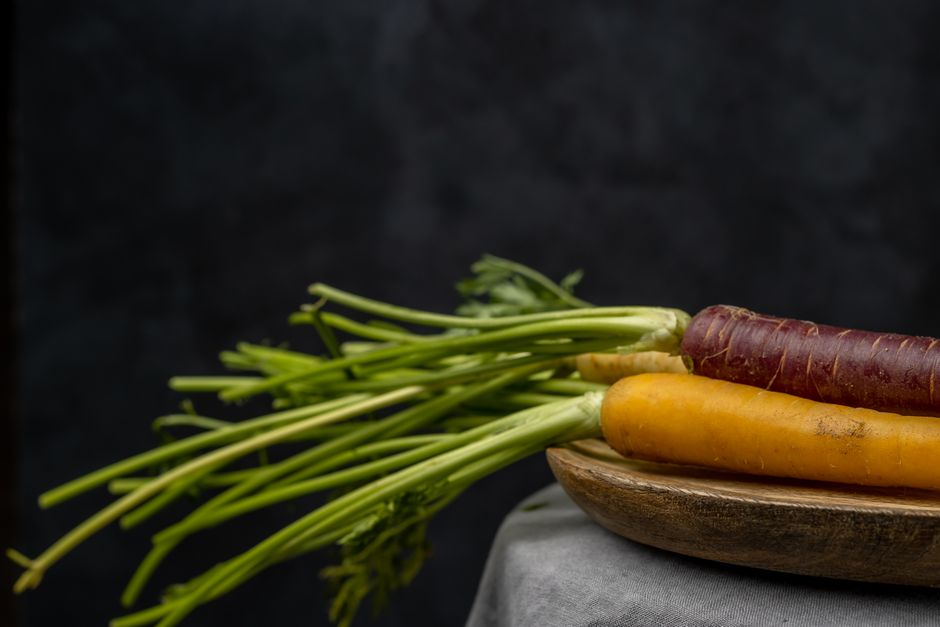
Table of Contents
- Key Takeaways
- The Original Carrots Were Purple: Dutch Cultivation Changed Everything
- The House of Orange Connection: Myth or Truth?
- What Makes Carrots Different Colors?
- The Global Spread of Orange Carrots
- The Purple Carrot Renaissance
- Frequently Asked Questions
- Sources
Did you know that the orange carrot crunching in your salad is a relatively modern invention? For most of carrot history, these root vegetables came in a surprising rainbow of colors—predominantly purple, but also yellow, white, and red. The interesting transformation to today’s ubiquitous orange variety involves Dutch growers, political symbolism, and selective breeding that changed our dinner plates forever. This trivia reveals one of the most unknown facts about a vegetable we take for granted.
The truth behind why carrots were purple before Dutch cultivation revolutionized them is more fascinating than most myths suggest. Let’s explore the colorful history of this humble root vegetable.
Key Takeaways
- Wild carrots and early cultivated varieties were primarily purple, yellow, and white—not orange.
- Dutch growers in the 16th and 17th centuries developed the modern orange carrot through selective breeding.
- The orange color comes from high concentrations of beta-carotene, which purple carrots lack.
- Purple carrots contain anthocyanins, the same antioxidant compounds found in blueberries and red wine.
- The connection between orange carrots and the Dutch House of Orange is debated, though the timing is suggestive.
- Purple and other heirloom carrot varieties are making a comeback in modern markets.
The Original Carrots Were Purple: Dutch Cultivation Changed Everything
Carrots originated in Central Asia, likely in present-day Afghanistan and Iran, over a thousand years ago. These ancient roots bore little resemblance to the sweet, crunchy vegetables we know today. They were thin, tough, and often bitter. Most importantly, they were purple or yellowish-white.
The purple pigmentation came from anthocyanins, powerful antioxidant compounds. Eastern carrots spread westward along trade routes, arriving in Europe by the 14th century. But they remained a minor vegetable, largely purple or yellow, and not particularly popular at European tables.
Everything changed in the Netherlands during the 1600s. Dutch growers, renowned for their horticultural innovation, began systematically selecting and breeding carrots with higher concentrations of carotenoids—particularly beta-carotene. Through patient cultivation over generations, they created stable orange varieties that were sweeter, less bitter, and more tender than their purple predecessors.
Why orange? The Dutch were likely selecting for sweeter, less woody roots, and the genetic mutations that increased beta-carotene happened to correlate with these desirable traits. The result was a vegetable that stored better, tasted better, and looked distinctly different from anything grown before.
The House of Orange Connection: Myth or Truth?
One popular story claims Dutch growers deliberately created orange carrots to honor William of Orange, who led the Dutch revolt against Spanish rule in the 16th century. The House of Orange became synonymous with Dutch independence and national pride. What better tribute than an orange national vegetable?
The truth is more nuanced. While the timing coincides—orange carrots became prominent during the Dutch Golden Age when the House of Orange ruled—there’s limited historical documentation proving intentional political symbolism. Agricultural historians note that Dutch growers were primarily motivated by creating superior vegetables for market sale.
However, the cultural resonance was undeniable. Whether planned or coincidental, orange carrots became associated with Dutch identity. The Netherlands remains the world’s largest exporter of carrots today, and orange varieties dominate global agriculture. Sometimes the best trivia involves both facts and delightful uncertainty.
What Makes Carrots Different Colors?
Carrot colors aren’t just cosmetic—they reflect different nutritional profiles. Understanding the chemistry reveals why this vegetable comes in such variety.
| Color | Primary Pigment | Nutritional Highlight |
|---|---|---|
| Orange | Beta-carotene (carotenoid) | Converts to vitamin A; supports vision and immune function |
| Purple | Anthocyanins | Antioxidants linked to heart health and anti-inflammatory effects |
| Yellow | Lutein (carotenoid) | Supports eye health, particularly macular health |
| Red | Lycopene | Antioxidant associated with cardiovascular health |
| White | Minimal pigments | Fiber and minerals without significant carotenoids |
Orange carrots won the popularity contest because beta-carotene provided both nutritional benefits and aesthetic appeal. The vibrant color signaled freshness and quality to consumers. Purple carrots, while nutritionally impressive, sometimes have an earthier taste and their color can bleed when cooked, making them less versatile in certain dishes.
The Global Spread of Orange Carrots
Once Dutch growers perfected orange varieties, they spread rapidly across Europe and eventually worldwide. By the 18th century, orange had become the standard carrot color in most Western countries. British and French seed catalogs listed orange varieties as the default option.
Colonial expansion carried Dutch agricultural innovations globally. Orange carrots reached North America, where they thrived in diverse climates. By the 20th century, most people had never seen a purple carrot. The original colors became agricultural curiosities, preserved mainly in seed banks and by heritage gardeners.
Modern agriculture further standardized the orange carrot. Commercial growers selected for uniformity, shelf life, and machine harvestability. The genetic diversity of ancient carrot varieties narrowed dramatically. For decades, supermarket carrots were almost exclusively orange, sweet, and bred for mass production.
The Purple Carrot Renaissance
In recent years, heirloom vegetables have experienced a revival. Farmers’ markets and specialty grocers now stock purple, yellow, red, and white carrots. Chefs prize them for visual drama and subtle flavor differences. Home gardeners grow rainbow carrot mixes from heritage seed companies.
This renaissance isn’t just nostalgic. Nutritional research highlights the benefits of dietary diversity and the unique compounds in different colored vegetables. Purple carrots offer anthocyanins that orange varieties lack. Eating a variety of colors provides a broader spectrum of beneficial phytonutrients.
The revival also represents growing interest in agricultural biodiversity. Preserving heirloom varieties maintains genetic resources that might prove valuable for future breeding. Climate change and evolving pests may require traits found in old varieties that modern carrots have lost.
Frequently Asked Questions
Were all carrots originally purple?
Not exclusively, but purple was the dominant color. Early cultivated carrots came in purple, yellow, and white varieties, with purple being most common in Eastern varieties. Wild carrots were typically white or pale yellow. The diversity of colors existed before Dutch growers created the modern orange carrot.
Do purple carrots taste different from orange carrots?
Yes, though the difference is subtle. Purple carrots often have a slightly earthier, sometimes peppery flavor compared to the sweeter taste of orange carrots. The texture is similar, though some purple varieties can be slightly less tender. The taste also varies depending on the specific cultivar and growing conditions.
Are purple carrots healthier than orange carrots?
Each color offers different nutritional benefits rather than one being definitively healthier. Purple carrots provide anthocyanins with antioxidant properties, while orange carrots excel in beta-carotene for vitamin A. The healthiest approach is eating a variety of colors to obtain a broader range of beneficial compounds.
Can I grow purple carrots in my garden?
Absolutely. Many seed companies now offer purple and other heirloom carrot varieties. They grow using the same methods as orange carrots, requiring loose, deep soil and consistent moisture. Purple varieties are often labeled as “Dragon” or “Purple Haze” carrots, among other names. They’re no more difficult to cultivate than standard orange types.