
By TrivBits, Staff Writer — Published August 25, 2026
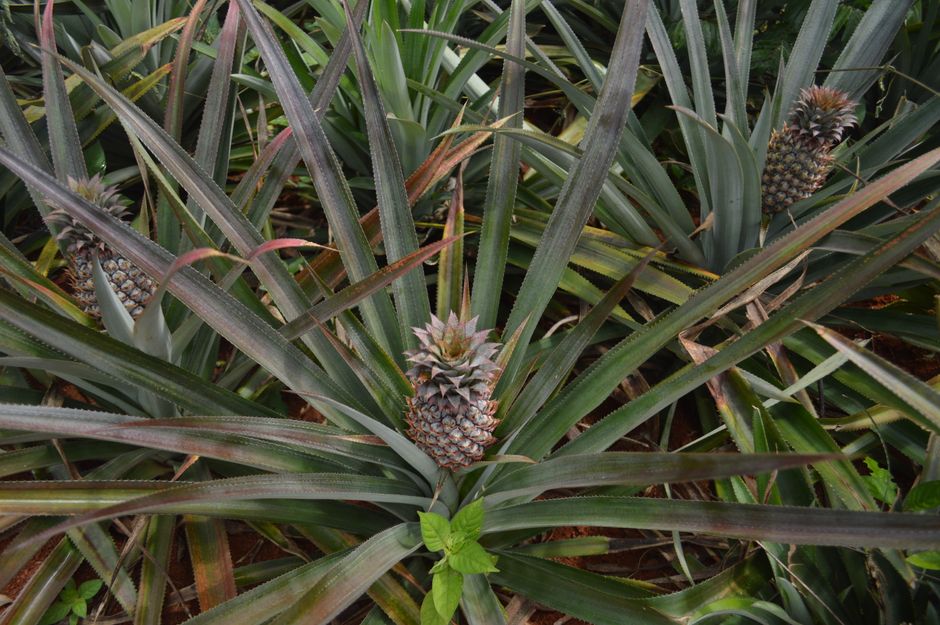
Table of Contents
- Key Takeaways
- The Pineapple Plant’s Unusual Life Cycle
- Why This Growth Timeline Makes Economic Sense (and Doesn’t)
- Temperature, Variety, and Geography Matter
- The Evolutionary Reason Behind the Wait
- Busting Common Pineapple Myths
- Frequently Asked Questions
- Sources
Did you know that the tropical pineapple sitting in your grocery store took roughly two years to reach maturity? While most fruits ripen in weeks or months, pineapples take years to complete their fascinating growth cycle. This surprising fact reveals just how patient and resource-intensive commercial pineapple farming really is. Understanding why these spiky fruits demand such a long timeline uncovers interesting truths about plant biology, agricultural economics, and the hidden complexity behind a simple fruit bowl staple.
The pineapple’s lengthy development isn’t a myth—it’s rooted in the plant’s unique reproductive strategy and growing requirements. Unlike annual crops that rush through their life cycle, pineapples follow a deliberate, energy-intensive path from planting to harvest that challenges everything we assume about fruit production.
Key Takeaways
- Commercial pineapples typically require 18 to 24 months from planting to harvest, making them one of the slowest-maturing common fruits.
- The pineapple plant must reach a specific size and maturity before it can be triggered to produce fruit through a natural or artificial flowering process.
- Each pineapple plant produces only one to three fruits in its entire productive lifetime, making efficient farming essential.
- Temperature, variety, and growing conditions significantly influence how long pineapples take years to reach harvest-ready maturity.
- The plant’s slow growth reflects its evolutionary adaptation as a terrestrial bromeliad from South American tropical regions.
- Commercial growers use hormonal treatments to synchronize flowering and reduce variability in the lengthy growing period.
The Pineapple Plant’s Unusual Life Cycle
Pineapples belong to the bromeliad family, making them botanical cousins to the ornamental air plants you might see in trendy home décor. But unlike their epiphytic relatives, pineapples grow in soil and invest tremendous energy into producing that singular, compound fruit we recognize. The plant starts as a small crown, slip, or sucker—vegetative offshoots that farmers propagate because growing from seed would take even longer and produce unpredictable results.
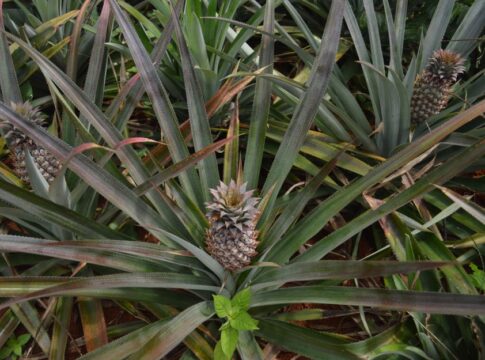
During the first 12 to 16 months, the pineapple plant focuses entirely on vegetative growth. It develops a robust root system and produces dozens of long, spiky leaves arranged in a characteristic rosette pattern. These sword-shaped leaves aren’t just decorative—they’re photosynthetic powerhouses that must accumulate enough energy reserves before the plant can support fruit development. The plant essentially needs to reach a critical mass threshold, storing sufficient carbohydrates and nutrients to fuel the energy-expensive process of flowering and fruiting.
Only after achieving adequate size does the plant respond to flowering signals. In nature, environmental stressors like cooler temperatures or dry periods might trigger this transition. Commercial growers don’t wait for nature’s unpredictable timing. They apply synthetic plant hormones, typically ethylene or acetylene compounds, to induce synchronized flowering across entire fields. Even after forcing, the fruit still requires five to six months to develop fully from the initial flower spike to a ripe, harvest-ready pineapple.
Why This Growth Timeline Makes Economic Sense (and Doesn’t)
From a business perspective, pineapples present a paradox. Two years from planting to harvest means farmers tie up land, water, and labor for extended periods before seeing any return. The opportunity cost is significant—that same field could produce multiple cycles of lettuce, radishes, or other fast-growing crops in the same timeframe.
Yet pineapples command premium prices that justify the wait. The global market values their unique flavor profile, nutritional content, and versatility in both fresh and processed forms. High-density planting techniques help offset the long growing period. Commercial operations might plant 50,000 or more pineapples per hectare, maximizing the eventual yield per acre despite the extended timeline.
After the first harvest, the plant produces offshoots called ratoon crops. These secondary fruits develop faster than the initial crop—often in 12 to 15 months—because the established root system and mature plant structure provide a head start. However, ratoon fruits are typically smaller and less uniform. Most commercial operations harvest one or two ratoon crops before replanting to maintain quality standards and disease management protocols.
Temperature, Variety, and Geography Matter
Not all pineapples follow identical timelines. Tropical regions with consistent warmth and adequate rainfall provide optimal conditions where plants may mature slightly faster, closer to 18 months. In subtropical areas or at higher elevations, cooler temperatures slow photosynthesis and extend the growing period toward the full 24-month mark or beyond.
Different cultivars also exhibit varying growth rates. The Smooth Cayenne variety, which dominated commercial production for decades, follows the standard two-year pattern. The MD-2 variety, commonly marketed as “extra sweet” or “gold” pineapple, was selectively bred for superior flavor and appearance but follows a similar lengthy timeline. Ornamental varieties grown for their colorful foliage rather than fruit may never be induced to flower at all, remaining in vegetative growth indefinitely.
| Factor | Impact on Growing Time | Typical Range |
|---|---|---|
| Temperature | Warmer climates accelerate growth | 18-24 months |
| Plant Material Type | Crowns slower than suckers | 20-28 months vs. 16-20 months |
| Ratoon Crop | Faster than initial planting | 12-15 months |
| Variety | Minor variations exist | 18-22 months typical |
The Evolutionary Reason Behind the Wait
Why did pineapples evolve this patient strategy? In their native South American habitat, pineapples grew as understory plants in areas with seasonal rainfall and competition from other vegetation. The slow-growth strategy allowed them to survive periods of drought or reduced sunlight by maintaining modest metabolic demands. Their thick, waxy leaves reduce water loss, and their CAM photosynthesis pathway—a water-efficient carbon fixation method—supports survival in challenging conditions.
The compound fruit structure itself represents a significant evolutionary investment. What appears to be a single pineapple is actually the fused result of dozens of individual flowers, each contributing a single fruitlet to the collective structure. This botanical complexity requires substantial time and resources to orchestrate. The plant essentially produces many tiny fruits simultaneously, then merges them into one coherent unit—a process far more intricate than growing a simple cherry or apple.
Busting Common Pineapple Myths
Several misconceptions surround pineapple cultivation. Some believe pineapples grow on trees—they don’t. The plant is a terrestrial herbaceous perennial, standing only three to five feet tall. Others assume you can simply plant a pineapple top and get fruit quickly. While you can root a crown and grow a plant, you’ll wait those full two years (or longer) for your first fruit, assuming you can provide appropriate tropical conditions.
Another persistent myth suggests pineapples ripen significantly after harvest. They don’t. Unlike bananas or avocados, pineapples undergo minimal sugar conversion post-harvest. They may soften slightly and become more aromatic, but the sugar content at picking largely determines final sweetness. This makes harvest timing critical and explains why underripe pineapples never develop that characteristic tropical sweetness no matter how long they sit on your counter.
Frequently Asked Questions
Can you speed up pineapple growth at home?
Home growers cannot significantly reduce the natural 18 to 24-month timeline, but optimal conditions help. Consistent warmth above 65°F, bright light, well-draining soil, and regular fertilization support steady growth. Ethylene gas exposure from ripe apples placed near mature plants may trigger flowering once the plant reaches adequate size, though this won’t accelerate the overall growth period.
Do pineapples keep producing fruit year after year?
Individual pineapple plants produce very limited fruit over their lifetime. After the initial harvest, the plant may generate one or two smaller ratoon crops from side shoots before declining in productivity. Most commercial operations replace plants after the second harvest to maintain fruit quality and field health, making pineapples effectively a two-to-four-year crop rather than a perennial producer.
Why don’t farmers grow faster-maturing fruits instead?
Despite the lengthy timeline, pineapples remain economically viable due to strong global demand, premium pricing, and suitability for tropical regions where some faster-growing temperate crops struggle. The unique flavor and cultural significance of pineapples create market demand that justifies the agricultural investment, particularly in regions where pineapples are a traditional crop with established infrastructure.
What’s the shortest time a pineapple has ever matured?
Under exceptional greenhouse conditions with controlled temperature, optimal nutrition, and artificial lighting, researchers have documented pineapple maturation in approximately 14 to 16 months. However, these accelerated timelines require resource-intensive interventions impractical for commercial agriculture. Field-grown pineapples consistently require 18 months minimum, with most commercial operations planning for 20 to 24 months to ensure quality fruit.
The next time you slice into a pineapple, you’re experiencing the culmination of two years of patient botanical effort. That golden flesh represents not just tropical sunshine and careful farming, but an evolutionary strategy refined over millennia. Perhaps that knowledge makes each sweet, tangy bite taste even more remarkable.