
By TrivBits, Staff Writer — Published August 27, 2026
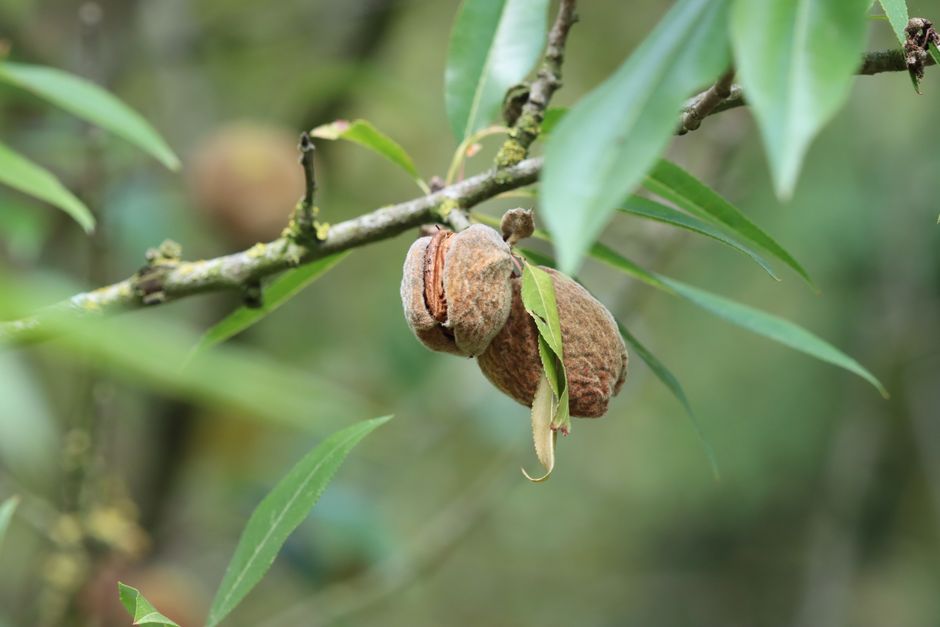
Table of Contents
- Key Takeaways
- What Makes Almonds Aren’t Nuts in Botanical Terms
- The Surprising Family Tree of Almonds
- True Nuts Versus Imposters: A Botanical Breakdown
- Why the Confusion Persists in Everyday Language
- The Nutritional Impact of This Classification
- Frequently Asked Questions
- Sources
Reach into a bag of mixed nuts and grab an almond. Surprise—you’re not actually holding a nut at all. Did you know that what we casually call an almond “nut” is botanically something entirely different? This fascinating truth challenges one of the most common food myths in our kitchens. The almond, despite its crunchy texture and savory flavor, belongs to an unexpected category that might make you rethink everything you know about your favorite snack.
Understanding why almonds aren’t nuts requires a quick dive into botanical classification, where culinary terms and scientific facts often clash in interesting ways. The revelation connects almonds to peaches, cherries, and plums in ways you’d never expect.
Key Takeaways
- Almonds are botanically classified as drupes (stone fruits), not true nuts
- The edible part we eat is actually the seed found inside the almond fruit’s hard shell
- True nuts, like acorns and hazelnuts, develop differently and don’t split open naturally when ripe
- Almonds belong to the same botanical family as peaches, apricots, and cherries
- Culinary definitions of “nuts” differ significantly from botanical classifications
- This classification trivia applies to many foods we commonly call nuts, including cashews and pistachios
What Makes Almonds Aren’t Nuts in Botanical Terms
The confusion starts with definitions. In botany, a true nut is a hard-shelled fruit that doesn’t split open when mature and contains a single seed. The shell and the seed coat are fused together as one unit. Acorns, chestnuts, and hazelnuts fit this description perfectly. They develop from a single ovary and remain sealed until something cracks them open.
Almonds fail this test spectacularly. They’re actually drupes—the same category that includes peaches, plums, and mangoes. A drupe has three distinct layers: a fleshy outer layer, a hard middle shell, and a seed inside. When you eat a peach, you enjoy the fleshy part and toss the pit. With almonds, you toss the fleshy part and crack open the pit to eat the seed inside.
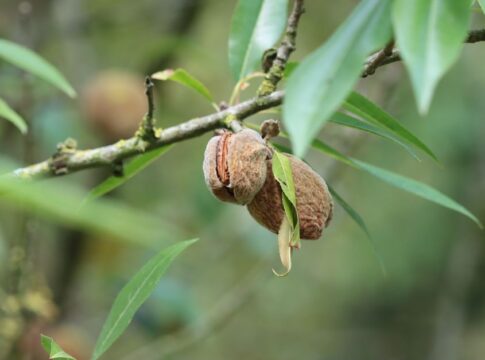
The almond tree produces a fuzzy, grayish-green fruit that looks nothing like what appears in grocery stores. This fruit has leathery flesh surrounding a hard shell. As the fruit matures, the outer flesh dries and splits open, revealing the familiar tan shell we recognize. Inside that shell sits the almond seed—the part we eat and mistakenly call a nut.
The Surprising Family Tree of Almonds
Almonds belong to the genus Prunus, which might not mean much until you realize this is the same family that gives us cherries, apricots, nectarines, and peaches. All these fruits share the drupe structure. The relationship becomes obvious when you compare an almond shell to a peach pit—they’re remarkably similar in appearance and structure.
This botanical kinship explains why almond blossoms look strikingly similar to cherry and peach blossoms. In fact, almond trees bloom with beautiful pink and white flowers each spring, creating displays that rival their ornamental cousins. The connection runs deeper than appearance: these plants share similar growing requirements, vulnerabilities to certain pests, and even compatible grafting potential.
Some almond varieties were likely cultivated from wild species in the Middle East thousands of years ago. Early farmers selected trees that produced larger seeds and thinner shells, eventually creating the commercial varieties we know today. They were essentially doing the same selective breeding with almonds that others did with peaches—just prioritizing different parts of the drupe.
True Nuts Versus Imposters: A Botanical Breakdown
| Food Item | What We Call It | What It Actually Is | Botanical Category |
|---|---|---|---|
| Almond | Nut | Seed of a drupe | Drupe |
| Cashew | Nut | Seed attached to a fruit | Drupe |
| Walnut | Nut | Seed of a drupe | Drupe |
| Peanut | Nut | Legume seed | Legume |
| Hazelnut | Nut | True nut | True nut |
| Chestnut | Nut | True nut | True nut |
The table reveals an uncomfortable truth: most foods we call nuts aren’t nuts at all. Only a handful of common “nuts” meet the botanical criteria. Hazelnuts and chestnuts make the cut. Acorns qualify too, though few people snack on them today.
Why the Confusion Persists in Everyday Language
Culinary traditions don’t care about botanical precision. In cooking and nutrition, “nut” describes a specific texture, flavor profile, and use case. Almonds, cashews, and walnuts all behave similarly in recipes. They’re crunchy, protein-rich, and oil-dense. They work interchangeably in many dishes, from salads to desserts.
This practical definition has dominated for centuries, long before botanical classification became standardized. Ancient peoples grouped foods by how they used them, not by their reproductive structures. A hard, edible seed that required cracking? That was a nut, regardless of what part of the plant it came from.
Modern food labeling often follows culinary convention rather than botanical accuracy. Nutritional databases list almonds under “tree nuts” because that’s the category relevant for allergies, cooking, and dietary planning. The FDA recognizes this practical grouping for allergen warnings, even though it contradicts botanical truth.
The Nutritional Impact of This Classification
Does it matter nutritionally whether almonds are drupes or nuts? Not really. The seed inside provides the same impressive nutritional profile regardless of botanical semantics. Almonds deliver healthy fats, protein, fiber, vitamin E, and magnesium whether we call them nuts, drupes, or seeds.
However, the classification does matter for people with allergies. Some individuals allergic to true tree nuts can safely eat almonds, while others react to both. The protein structures that trigger allergic reactions vary between botanical families, which is why botanical classification occasionally intersects with medical considerations.
The drupe family connection also explains why people allergic to stone fruits sometimes experience reactions to almonds. The related proteins across Prunus species can cross-react, creating unexpected sensitivities that make more sense when you understand the botanical relationships.
Frequently Asked Questions
Are any common “nuts” actually true nuts?
Yes, but fewer than you’d think. Hazelnuts, chestnuts, and acorns are true botanical nuts. Most others—including almonds, cashews, walnuts, and pistachios—are technically seeds from drupes or other fruit types. The term “nut” in everyday usage describes culinary function rather than botanical classification.
Can you eat the outer fruit of an almond like you eat a peach?
Technically yes, but you wouldn’t enjoy it. The almond fruit’s outer hull is leathery, bitter, and not particularly palatable. Unlike the sweet, juicy flesh of peaches, almond hulls are typically discarded during harvest. Some traditional cuisines use young, unripe almond fruits, but they require special preparation to be edible.
Why do almonds look so different from peaches if they’re related?
Thousands of years of selective breeding emphasized different traits. Peach cultivators wanted bigger, sweeter flesh and developed varieties with large, juicy fruit. Almond growers selected for larger seeds and thinner shells, while the outer fruit became less important. Both started from similar wild ancestors but diverged based on which part humans valued most.
Does this mean almond milk should be called something else?
The naming debate exists regardless of botanical classification. Dairy industry groups have challenged plant-based beverages using “milk,” but botanical accuracy isn’t the main argument. Whether almonds are drupes or nuts doesn’t change that almond milk is a plant-based beverage rather than dairy. The discussion centers on consumer expectations and marketing, not botanical truth.
The next time someone offers you a bowl of mixed nuts at a party, you’ll know the delicious secret. Those crunchy almonds are botanical rebels, masquerading as nuts while secretly belonging to the same family as your summer peaches. It’s a small truth that changes nothing about how we enjoy them—but it’s one of those fascinating facts that makes you see your snack bowl in an entirely new light.