
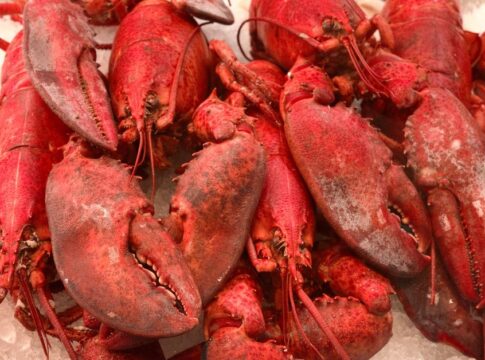
Why Lobsters Were Once Prison Food for Poor Inmates
By TrivBits, Staff Writer — Published August 1, 2026
Table of Contents
- Key Takeaways
- The Abundance That Created Lobsters Prison Food Culture
- When Workers Revolted Against Too Much Lobster
- How Preparation Techniques Elevated the Lobster
- Modern Lobster: From Abundance to Careful Management
- Frequently Asked Questions
Today’s lobster dinners command premium prices at upscale restaurants, but this wasn’t always the case. For centuries, lobsters were so abundant along North American coastlines that they were considered poverty food, fed to prisoners, apprentices, and servants so frequently that some colonies actually passed laws limiting how often masters could serve them. This dramatic reversal in the lobster’s fortunes reveals fascinating truths about changing tastes, economic shifts, and how scarcity can transform the unwanted into the luxurious. Discover the surprising history of lobsters prison food and explore how this bottom-dwelling crustacean crawled from disgrace to delicacy.
The transformation didn’t happen overnight. It took advances in transportation, changes in food preservation, clever marketing, and a fundamental shift in how people perceived these sea creatures to elevate lobster from jailhouse staple to gourmet treasure.
Key Takeaways
- Colonial-era lobsters were so plentiful along the Atlantic coast that they washed ashore in piles two feet high after storms, making them essentially free food for the poor.
- Servants and indentured workers in Massachusetts reportedly negotiated contracts stipulating they wouldn’t be fed lobster more than a few times per week.
- Lobsters were ground up whole—shells and all—and served as a paste or mush, making them far less appetizing than today’s carefully prepared tail and claw meat.
- The development of canned lobster in the mid-1800s and railroad expansion helped transform lobster from local surplus to nationally marketed delicacy.
- Overfishing and depleted stocks by the late 19th century created scarcity, which paradoxically increased lobster’s prestige and price.
- Modern lobster populations are carefully managed through size limits, seasonal restrictions, and trap regulations to maintain sustainable harvests.
The Abundance That Created Lobsters Prison Food Culture
In colonial New England, lobsters weren’t just common—they were absurdly abundant. Early European settlers reported finding lobsters that weighed 20 pounds or more, and coastal waters teemed with them in numbers difficult to imagine today. Native American tribes had long used lobsters as fishing bait and fertilizer for crops, which tells you something about their perceived value.
The crustaceans could be gathered by hand at low tide or scooped up with simple nets. After storms, lobsters would pile up on beaches in windrows, free for the taking. This extreme abundance meant lobster became the protein of last resort, fed to people who had no other options. Prisoners, indentured servants, and enslaved people ate lobster regularly, not as a treat, but because it was the cheapest available protein.
Interesting trivia: the preparation methods of the era made lobster even less appealing. Rather than steaming whole lobsters and extracting the sweet meat from tails and claws, colonial cooks often ground up entire lobsters—shells, organs, and all—into a kind of protein paste. Imagine the texture and you’ll understand why this was hardly considered fine dining.
When Workers Revolted Against Too Much Lobster
The sheer frequency with which lobster appeared on plates led to documented complaints. Servants and apprentices in Massachusetts Bay Colony reportedly included provisions in their work contracts limiting lobster meals to just two or three times per week. While the specific written contracts are difficult to verify today, the story reflects a well-documented sentiment: lobster was food for those who couldn’t afford better.
This wasn’t unique to Massachusetts. Similar attitudes prevailed throughout coastal communities where lobster was plentiful. The crustacean carried a social stigma. Eating lobster marked you as poor, as someone without the means to purchase beef, pork, or chicken. Wealthy colonists wouldn’t serve lobster to guests, and feeding it to your family suggested financial hardship.
The amazing shift in perception required several factors to align. Lobster needed to become scarcer, preparation methods needed to improve, and cultural attitudes needed to change. All three would happen, but not for another century or more.
What Changed Lobster’s Reputation
Several developments in the 19th century began lobster’s climb up the social ladder. The invention of canning technology allowed lobster to be preserved and shipped inland, where people had never tasted it before. To these landlocked consumers, lobster was exotic and novel—not the tiresome staple it remained for coastal populations.
Railroad expansion in the 1850s and beyond made it possible to transport live lobsters to cities far from the ocean. Urban restaurants discovered they could charge premium prices for this “exotic” seafood. People who had never seen the ocean found lobster fascinating, and its unfamiliarity bred desirability.
Simultaneously, overfishing began depleting the massive lobster populations. By the late 1800s, the enormous specimens and endless supply had vanished. Scarcity transformed perception. What was once too common to value became rare enough to covet.
How Preparation Techniques Elevated the Lobster
Modern lobster preparation bears little resemblance to colonial methods. Today’s diners enjoy carefully steamed or boiled lobsters, with meat extracted from the tail, claws, and knuckles. Butter sauces, seasonings, and elegant presentations make lobster visually and gastronomically appealing.
The shift from grinding whole lobsters into paste to serving pristine tail meat made an enormous difference. When you can see and taste the sweet, delicate meat—rather than consuming a gritty mixture of shell fragments and organs—the eating experience transforms entirely. Restaurants and cookbooks in the late 1800s began promoting refined lobster recipes, teaching people how to properly cook and serve the crustacean.
This culinary evolution happened alongside lobster’s growing scarcity. The combination proved powerful: a newly rare ingredient prepared in newly appealing ways commanded newly high prices.
Modern Lobster: From Abundance to Careful Management
Today’s lobster industry operates under strict regulations designed to prevent the kind of depletion that occurred in the late 19th century. Fisheries managers implement size restrictions, requiring lobsters to reach a minimum carapace length before harvest. This ensures lobsters can reproduce before being caught. Maximum size limits also exist in some areas to protect the largest, most productive breeding females.
Seasonal closures, trap limits, and gear requirements all aim to maintain sustainable populations. The Gulf of Maine and Canadian Maritime provinces, which produce most North American lobster, use science-based management to balance commercial fishing with conservation. These efforts have generally succeeded—lobster populations in well-managed areas remain relatively healthy, though they face new challenges from warming ocean temperatures.
| Era | Lobster Status | Primary Consumers | Typical Price Point |
|---|---|---|---|
| Colonial (1600s–1700s) | Extremely abundant | Poor, prisoners, servants | Essentially free |
| Early Industrial (1800–1860) | Still common | Working class, coastal populations | Very cheap |
| Gilded Age (1870–1900) | Declining, becoming fashionable | Urban middle and upper class | Moderate to expensive |
| Modern (1950–present) | Managed populations | Affluent diners, special occasions | Premium luxury item |
Frequently Asked Questions
Why were lobsters considered poor people’s food?
Lobsters were incredibly abundant in colonial North America, washing ashore in huge piles and easily gathered by hand. This extreme availability made them essentially worthless, relegating them to food for prisoners, servants, and those who couldn’t afford better protein sources like beef or chicken.
When did lobster become expensive?
Lobster prices began rising in the mid-to-late 1800s as overfishing depleted populations and railroads made it possible to ship lobsters to inland cities where they were considered exotic. By the early 20th century, lobster had firmly established itself as a luxury food.
How big were colonial-era lobsters?
Historical accounts describe lobsters weighing 20 pounds or more, far larger than the typical one-to-two-pound lobsters common in today’s catches. These giant specimens were possible because lobster populations were essentially unfished and could grow to their maximum size.
Are lobsters still fed to prisoners today?
No, modern prison food budgets make lobster prohibitively expensive. Today’s inmates typically receive much cheaper protein sources, while lobster remains a premium menu item in restaurants and seafood markets, completely reversing its historical role as poverty food.
The lobster’s journey from despised jailhouse fare to celebrated delicacy reminds us that value is often a matter of perception, scarcity, and presentation. Next time you crack open a lobster tail, consider that you’re enjoying what colonial prisoners would have considered punishment—proof that one era’s throwaway becomes another’s treasure.