
By TrivBits, Staff Writer — Published October 7, 2026
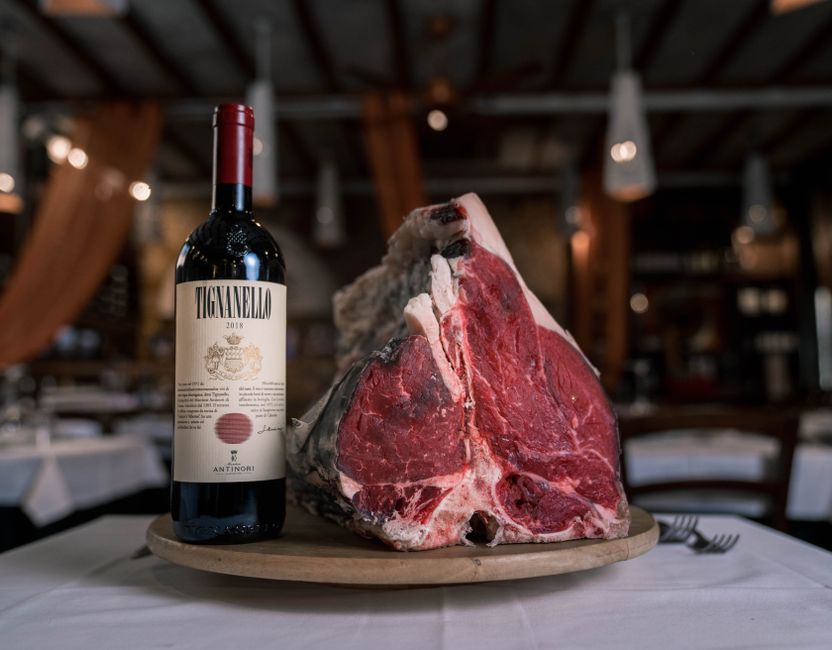
Table of Contents
- Key Takeaways
- Why Restaurant Steaks Taste Different From the Start
- The Temperature Advantage: Equipment That Home Kitchens Can’t Match
- Seven Secrets That Make Restaurant Steaks Irresistible
- The Science Behind the Sizzle
- Myths About Restaurant Steak Preparation
- Can You Replicate Restaurant Results at Home?
- Frequently Asked Questions
- Sources
Ever wonder why restaurant steaks taste so much better than the ones you cook at home? You’re not imagining it. Even when you buy the same grade of beef and follow recipes to the letter, something feels different. Did you know professional kitchens employ techniques that go far beyond simply throwing meat on a grill? The gap between home-cooked and restaurant-quality steak comes down to a combination of equipment, preparation methods, and some surprising facts about temperature and fat that most home cooks never learn.
The truth is, restaurants aren’t keeping magic spices locked away. Their advantage lies in understanding the science of cooking meat and having the right tools to execute it perfectly. These interesting secrets transform ordinary beef into the memorable, melt-in-your-mouth experience you pay premium prices to enjoy.
Key Takeaways
- Commercial broilers reach temperatures of 800–1200°F, far exceeding home ovens and creating superior crusts
- Dry-aging beef for 21–45 days concentrates flavor and tenderizes meat through enzymatic breakdown
- Restaurants bring steaks to room temperature and season heavily with more salt than most home cooks dare use
- Clarified butter and high-quality finishing oils add richness that lean home preparations lack
- Professional kitchens rest meat properly after cooking, allowing juices to redistribute throughout the steak
- Heavy-duty cast iron and steel cooking surfaces retain heat better than typical home cookware
Why Restaurant Steaks Taste Different From the Start
The journey to steakhouse perfection begins long before the meat hits the heat. Restaurant beef often undergoes dry-aging, a controlled decomposition process that most home cooks never attempt. During dry-aging, beef hangs in temperature and humidity-controlled environments for three to six weeks. Enzymes naturally present in the meat break down muscle fibers and connective tissue, making the steak more tender. Meanwhile, moisture evaporates, concentrating the beefy flavor into something more intense and complex.
Steakhouses also select cuts with generous marbling—those white streaks of intramuscular fat that look like tiny rivers running through red meat. Prime grade beef, the highest USDA designation, contains abundant marbling that melts during cooking, basting the meat from within. Most supermarkets stock Choice grade, which has less fat and therefore less flavor insurance. This difference in raw material gives restaurants a head start before cooking even begins.
The Temperature Advantage: Equipment That Home Kitchens Can’t Match
Here’s where physics enters the picture. Professional steakhouses use broilers and grills that reach scorching temperatures—often between 800 and 1200 degrees Fahrenheit. Your home oven maxes out around 500–550°F. Why does this matter? The Maillard reaction, the chemical process that creates the brown, flavorful crust on meat, accelerates dramatically at higher temperatures. Extreme heat creates a deeply caramelized exterior in minutes while keeping the interior perfectly medium-rare.
Salamander broilers, common in restaurant kitchens, direct intense radiant heat downward onto steaks. This top-down blast creates char and crust impossible to replicate with standard home equipment. Some high-end steakhouses even use infrared burners that reach 1600°F, searing steaks in under two minutes per side. The speed matters because it minimizes the “gray band”—that ring of overcooked meat between the crust and the pink center.
Seven Secrets That Make Restaurant Steaks Irresistible
1. Steaks Start at Room Temperature, Never Fridge-Cold
Restaurants pull steaks from refrigeration 30 to 60 minutes before cooking. This unknown practice among home cooks makes an enormous difference. A cold steak straight from the fridge cooks unevenly—the exterior overcooks while the center struggles to reach temperature. Room-temperature meat cooks uniformly, developing a proper crust without requiring extended heat exposure that toughens the proteins. The internal temperature has a head start, reducing total cooking time and preserving tenderness.
2. Salt Application Is Generous and Timed Strategically
Professional chefs use roughly three to four times more salt than timid home cooks. Did you know that salt needs time to penetrate meat? Restaurants either salt immediately before cooking (so it stays on the surface for crust development) or at least 40 minutes ahead (allowing time for salt to dissolve, penetrate, and season throughout). The middle ground—salting 10–20 minutes before—is the worst option, as it draws out moisture without time for reabsorption. Many steakhouses also finish with flaky sea salt after cooking, adding textural crunch and a final flavor burst.
3. Butter and Oil Are Used Without Restraint
Here’s a surprising truth: restaurant steaks swim in fat during cooking. Clarified butter (butter with milk solids removed) can withstand high heat without burning. Chefs baste steaks continuously with hot butter, sometimes infused with garlic and herbs, creating richness that lean home preparations lack. Some restaurants finish steaks with a pat of compound butter—softened butter mixed with herbs, garlic, or blue cheese—that melts over the hot meat. This adds a glossy, luxurious coating that amplifies every bite. The fat carries flavor and creates mouthfeel that makes steaks taste more indulgent.
4. The Resting Period Is Sacrosanct
Cut into a steak immediately after cooking and juices flood the cutting board. Restaurants always rest steaks for 5 to 10 minutes after removing them from heat. During cooking, heat drives moisture toward the meat’s center. Resting allows time for these juices to redistribute throughout the steak. The muscle fibers, which contract under high heat, relax and reabsorb liquid. The result? Every slice stays juicy instead of leaking its flavor onto the plate. This patience separates amateur from professional results.
5. Heavy Cookware Retains Ferocious Heat
Restaurant kitchens use cast iron griddles, steel plancha surfaces, and heavy grill grates that weigh far more than home equipment. These thick cooking surfaces act as heat batteries. When you place a cold steak on a thin home skillet, the pan’s temperature drops dramatically, causing steaming instead of searing. Professional-grade cookware maintains temperature despite the thermal shock of cold meat, ensuring continuous, aggressive browning. The heat recovery is nearly instantaneous, keeping the Maillard reaction rolling without interruption.
6. Multiple Heat Zones Create Precision Control
Steakhouses rarely cook meat over a single temperature. Professional grills and broilers have distinct zones—screaming hot areas for searing and moderate zones for gentle cooking to temperature. Chefs sear both sides over intense heat, then move steaks to cooler areas to finish cooking through. This two-zone method prevents the exterior from incinerating before the interior reaches the target doneness. Home cooks using a single-temperature approach often end up with burnt outsides and raw centers, or gray, overcooked meat throughout.
7. Quality Finishing Touches Amplify Natural Flavors
The final moments matter enormously. Beyond butter, restaurants might brush steaks with rich beef tallow or high-quality olive oil. Some finish with a sprinkle of freshly cracked pepper (added after cooking to prevent burning) or fresh herbs like thyme or rosemary. A squeeze of lemon or a drizzle of aged balsamic adds acidity that cuts through richness and makes the beef flavor pop. These last-second additions, applied to hot meat, create aromatic compounds that hit your nose before the first bite, priming your brain for something special.
The Science Behind the Sizzle
Understanding why restaurant steaks taste superior requires appreciating the interplay between temperature, time, and chemistry. The Maillard reaction—responsible for that addictive brown crust—only occurs above approximately 285°F. Below this threshold, meat simply doesn’t develop complex flavors. Restaurants maintain surface temperatures well above this critical point while managing internal temperatures with precision.
Myoglobin, the protein responsible for meat’s red color, denatures at specific temperatures. At 140°F it turns pink; at 160°F it becomes gray-brown. Professional cooks use instant-read thermometers and years of experience to pull steaks at exactly the right moment, accounting for carryover cooking (the temperature rise that continues after removing from heat). Home cooks often lack this precision, resulting in overcooked disappointment.
| Cooking Factor | Restaurant Approach | Typical Home Approach |
|---|---|---|
| Maximum Heat | 800–1200°F broilers | 500–550°F oven or grill |
| Meat Temperature | Room temperature (65–70°F) | Refrigerated (38–40°F) |
| Fat Used | Clarified butter, tallow, generous oil | Light oil spray or thin coating |
| Salt Amount | Heavy, visible coating | Conservative sprinkle |
| Resting Time | 5–10 minutes minimum | Often skipped or rushed |
Myths About Restaurant Steak Preparation
One persistent myth suggests restaurants use secret spice blends or marinades. In reality, top steakhouses keep seasoning simple—coarse salt and cracked pepper dominate. The beef itself, properly selected and aged, provides the flavor. Marinades actually work against achieving a good crust, as the moisture they add must evaporate before browning can begin.
Another misconception claims restaurants use lower-quality meat and mask it with technique. The opposite is true. High-end steakhouses invest heavily in prime beef because superior raw material makes their job easier. Technique amplifies quality; it doesn’t compensate for mediocrity. You can’t turn a thin, select-grade supermarket steak into steakhouse magic, no matter how skilled your cooking.
Can You Replicate Restaurant Results at Home?
While matching restaurant equipment remains challenging, home cooks can narrow the gap considerably. Invest in a heavy cast iron skillet or carbon steel pan—these retain heat far better than thin stainless steel. Preheat your cookware for at least five minutes before adding the steak. Use your oven’s broiler on maximum heat, positioning the rack close to the heating element to mimic a salamander broiler.
Don’t fear fat and salt. Brush steaks generously with oil or clarified butter, and season more boldly than feels comfortable. Let meat come to room temperature, and always rest it after cooking. Consider finishing in a low oven (250°F) after searing, mimicking the two-zone approach professionals use. These adjustments won’t perfectly replicate a $75 steakhouse ribeye, but they’ll transform your home-cooked steaks dramatically.
Frequently Asked Questions
Why do restaurants use clarified butter instead of regular butter?
Clarified butter has the milk solids removed, raising its smoke point to about 450°F compared to regular butter’s 350°F. This means chefs can use it at the high temperatures needed for proper searing without the butter burning and turning bitter. It provides rich flavor and helps develop a golden-brown crust without the acrid taste of scorched dairy proteins.
Does dry-aged beef really taste different from regular beef?
Absolutely. Dry-aging concentrates flavor as moisture evaporates and develops funky, nutty notes through controlled decomposition. Enzymes break down proteins and fats, creating more complex taste compounds. The texture becomes more tender as connective tissue breaks down. The difference is immediately noticeable—dry-aged beef has a depth and intensity that wet-aged or fresh beef simply cannot match.
How do steakhouses cook steaks so quickly without drying them out?
Extreme heat is the answer. At temperatures exceeding 800°F, steakhouses create a deeply caramelized crust in just minutes while the interior barely has time to overcook. The speed of high-heat cooking creates a thin crust zone and preserves a juicy interior. Lower temperatures require longer cooking times, which drive more moisture from the meat and create a thicker band of gray, overcooked meat beneath the surface.
What’s the most important factor in making restaurant-quality steak at home?
If you can only change one thing, maximize your heat source. Whether that means using a screaming-hot cast iron skillet, cranking your grill to maximum, or positioning meat close to a blazing broiler, hotter is better. High heat creates the flavorful crust that defines steakhouse quality. Everything else—room temperature meat, generous seasoning, proper resting—supports this fundamental requirement for intense, sustained heat.