

By TrivBits, Staff Writer — Published August 25, 2026
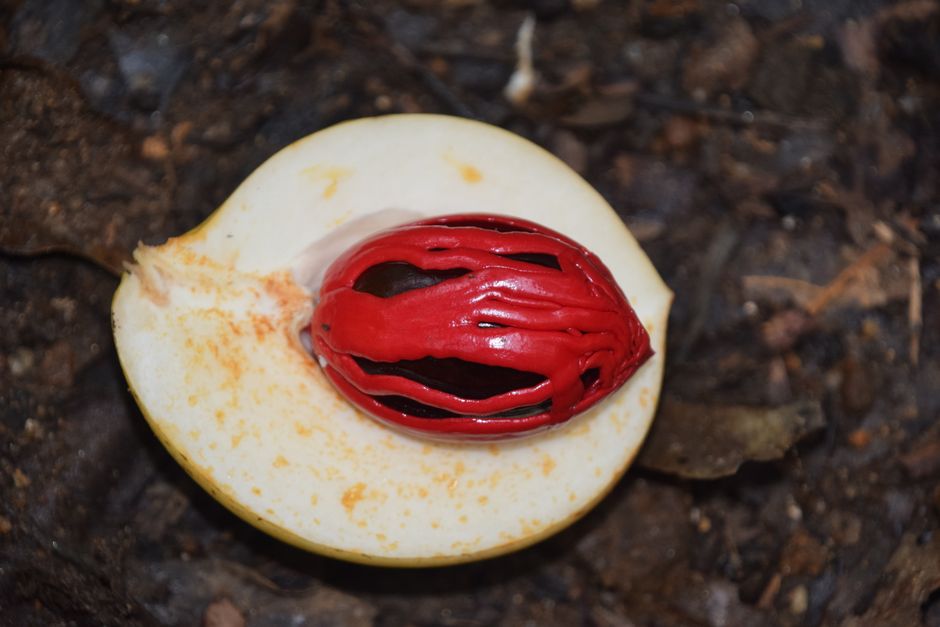
Table of Contents
- Key Takeaways
- The Truth About Nutmeg’s Hallucinogenic Compounds and Chemistry
- Historical Documentation and Unknown Facts
- The Deeply Unpleasant Reality of Nutmeg Intoxication
- Separating Culinary Safety from Dangerous Misuse
- Why the Myths Persist and Modern Awareness
- Frequently Asked Questions
- Sources
Nutmeg sits innocently in spice racks worldwide, a familiar companion to pumpkin pie and holiday eggnog. But did you know this common kitchen ingredient harbors a surprising secret? The truth about nutmeg being hallucinogenic isn’t just an urban legend—it’s grounded in chemistry, though the reality is far more complex and considerably less appealing than myths suggest. This unassuming spice contains psychoactive compounds that can alter consciousness, yet the experience is nothing like what curious experimenters might expect.
Before you regard your spice cabinet with newfound suspicion, understanding the facts separating kitchen staple from potential intoxicant requires exploring both the interesting chemistry and the uncomfortable truths behind nutmeg’s darker reputation.
Key Takeaways
- Nutmeg contains myristicin and elemicin, compounds that can produce psychoactive effects when consumed in large quantities
- Hallucinogenic effects require consuming dangerous amounts—typically several tablespoons of ground nutmeg, far exceeding culinary use
- Nutmeg intoxication produces severely unpleasant side effects including nausea, dizziness, rapid heartbeat, and dry mouth lasting 24-48 hours
- The spice’s psychoactive properties have been documented for centuries, appearing in historical medical texts and folklore
- Nutmeg toxicity can cause serious health consequences including seizures and requires medical attention in severe cases
- Normal culinary amounts—a pinch or teaspoon—are completely safe and provide no psychoactive effects whatsoever
The Truth About Nutmeg’s Hallucinogenic Compounds and Chemistry
Nutmeg comes from the seed of Myristica fragrans, a tropical evergreen tree native to Indonesia’s Banda Islands. The spice’s psychoactive properties stem primarily from myristicin, a naturally occurring organic compound also found in smaller amounts in parsley, dill, and black pepper. Elemicin and safrole contribute additional effects.
When consumed in excessive quantities, myristicin metabolizes in the liver into compounds structurally similar to amphetamines and the hallucinogen MDMA. This metabolic conversion explains the psychoactive effects. However, the comparison ends there—nutmeg intoxication bears little resemblance to these substances in actual experience.
The dose makes the poison, as toxicologists say. A typical culinary serving uses one-quarter to one-half teaspoon. Psychoactive effects reportedly begin around two tablespoons (roughly 10 grams) of ground nutmeg, with “full” effects requiring even more. That’s approximately 20-40 times normal cooking amounts.
Historical Documentation and Unknown Facts
Nutmeg’s mind-altering properties aren’t modern discoveries. Medieval physicians documented cases of nutmeg poisoning. The spice was extraordinarily valuable during the Age of Exploration, sometimes worth more than gold by weight, leading to interesting episodes of overconsumption among those with access.
Prison populations have historically shown awareness of nutmeg’s effects. Incarcerated individuals with limited access to other intoxicants occasionally turned to nutmeg, leading correctional facilities to restrict access. This grim trivia underscores an important point: nutmeg intoxication represents desperation, not recreation.
Nineteenth-century medical literature contains scattered references to nutmeg toxicity. Physicians documented accidental poisonings from medicinal nutmeg preparations, which were once prescribed for various ailments. These cases helped establish the dose-response relationship we understand today.
The Deeply Unpleasant Reality of Nutmeg Intoxication
Here’s where myths crash against uncomfortable truths. Nutmeg intoxication is profoundly unpleasant. Initial effects appear slowly, sometimes taking four to eight hours to manifest. This delayed onset tricks inexperienced users into consuming more, worsening outcomes.
Reported effects include severe nausea, dizziness, cotton mouth, rapid heartbeat, and feelings of impending doom. The body temperature may rise. Anxiety and paranoia frequently occur. Some individuals report distorted perceptions or mild visual disturbances, though calling these “hallucinations” overstates the experience.
The aftermath persists. Effects can last 24 to 48 hours, leaving users feeling foggy, exhausted, and sick. Headaches, body aches, and lingering nausea are common. Many who’ve tried nutmeg this way describe it as one of their worst experiences, vowing never to repeat the experiment.
Medical complications can arise. Documented cases include seizures, irregular heartbeat, and acute psychiatric symptoms requiring emergency treatment. Children are particularly vulnerable to toxicity from much smaller amounts.
Separating Culinary Safety from Dangerous Misuse
Should you avoid nutmeg in your cooking? Absolutely not. The amounts used in recipes are completely safe and have been consumed for centuries without issue. A sprinkle on your cappuccino or a teaspoon in banana bread poses zero risk of psychoactive effects.
The distinction between culinary use and abuse is enormous. Normal cooking uses nutmeg measured in fractions of teaspoons. Toxic doses require deliberately consuming tablespoons of the ground spice—an act that’s difficult, unpleasant, and clearly outside normal food preparation.
| Amount | Context | Effects |
|---|---|---|
| Pinch to 1/4 teaspoon | Typical recipe serving | None; completely safe culinary use |
| 1/2 to 1 teaspoon | Heavy seasoning | None; within normal cooking range |
| 2+ tablespoons | Deliberate misuse | Psychoactive effects, severe toxicity, medical risk |
Fresh whole nutmeg, grated as needed, provides superior flavor compared to pre-ground varieties. This practice is about culinary quality, not safety—both forms are safe in normal amounts.
Why the Myths Persist and Modern Awareness
Internet forums and urban legends keep nutmeg myths circulating. The surprising fact that a common spice contains psychoactive compounds makes compelling trivia. Stories get embellished, unpleasant realities minimized, and curiosity sparked.
Poison control centers occasionally field calls about nutmeg exposure, particularly involving adolescents who’ve encountered online information. Medical professionals recognize nutmeg toxicity, though cases remain relatively rare compared to other substance exposures.
The scientific community continues studying myristicin and related compounds. Research explores these molecules’ structures and biological activities, contributing to broader understanding of plant chemistry and human physiology. This legitimate scientific interest differs entirely from recreational misuse.
Frequently Asked Questions
Can you accidentally get high from cooking with nutmeg?
No, accidental intoxication from normal cooking is essentially impossible. Even recipes using large amounts of nutmeg distribute the spice across multiple servings. You’d need to deliberately consume tablespoons of pure nutmeg in one sitting to experience psychoactive effects, which wouldn’t happen through ordinary food preparation or eating.
How long do nutmeg’s psychoactive effects last?
When nutmeg is consumed in toxic amounts, effects typically begin four to eight hours after ingestion and can persist for 24 to 48 hours. This extraordinarily long duration, combined with severe side effects, makes nutmeg intoxication particularly unpleasant compared to other substances with similar reputations.
Is nutmeg toxicity dangerous enough to require medical attention?
Yes, nutmeg poisoning can produce serious medical complications including seizures, rapid heartbeat, severe dehydration, and acute psychiatric symptoms. Anyone experiencing symptoms after consuming large amounts of nutmeg should seek medical evaluation. Children are especially vulnerable and require immediate medical attention if exposed to excessive amounts.
Why don’t more people know about nutmeg’s psychoactive properties?
Most people never encounter this information because it’s not relevant to normal nutmeg use. The spice has been safely used in cooking for centuries without issue. The psychoactive properties only emerge at doses so excessive they represent clear misuse rather than culinary application, making this trivia rather than practical cooking knowledge.
Nutmeg remains what it’s always been—a warm, aromatic spice that enhances countless dishes from bechamel sauce to spice cookies. Its chemical complexity makes it scientifically interesting, but the truth about its hallucinogenic properties is far less appealing than myths suggest. Your spice rack holds no temptations, only the promise of better-flavored food. Next time you grate fresh nutmeg over squash soup, you can appreciate both its culinary magic and the fascinating, if cautionary, chemistry hiding within those unassuming brown seeds.