
By TrivBits, Staff Writer — Published September 30, 2026
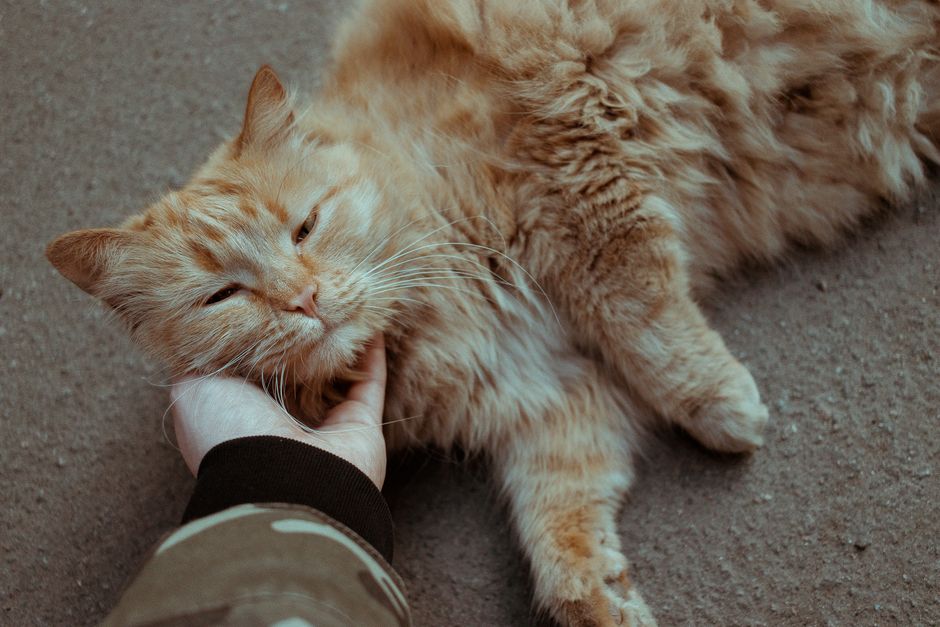
Table of Contents
- Key Takeaways
- Why Cats Purr Revealed: The Science Behind the Sound
- The 7 Surprising Reasons Cats Purr
- Myths and Misconceptions About Cat Purring
- Frequently Asked Questions
- Sources
That gentle rumbling sound your cat makes while curled up in your lap seems like the ultimate sign of contentment. But did you know the truth about why cats purr revealed goes far beyond simple happiness? Scientists have uncovered fascinating facts about this mysterious feline behavior that challenge common myths and expose surprising truths most cat owners never knew existed.
Purring is one of the most interesting yet misunderstood aspects of cat communication. While we often associate it with a relaxed, happy kitty, the real story involves self-healing abilities, kitten survival strategies, and even pain management techniques that make this trivia truly remarkable.
Key Takeaways
- Cats purr at frequencies between 25 and 150 Hertz, which may promote bone healing and tissue regeneration
- Kittens begin purring at just a few days old to communicate with their mothers
- Purring doesn’t always mean happiness—cats also purr when stressed, injured, or dying
- The mechanism involves rapid muscle contractions in the larynx approximately 20 to 30 times per second
- Not all cats can purr; big cats like lions and tigers can only roar, not purr continuously
- Cats may use purring as a self-soothing and healing mechanism during illness or injury
Why Cats Purr Revealed: The Science Behind the Sound
The physical mechanism of purring involves the laryngeal muscles and the diaphragm working in concert. As your cat breathes in and out, these muscles contract rhythmically, causing the vocal cords to vibrate. This creates that distinctive rumbling sound we all recognize. The process happens incredibly fast—roughly 20 to 30 times every second—which explains why purring has such a unique, continuous quality unlike any other vocalization cats make.
What makes this even more intriguing is that domestic cats can purr both while inhaling and exhaling. This continuous purring ability sets them apart from larger felines. Lions, tigers, and leopards have a different laryngeal structure with elastic ligaments that allow them to roar but prevents the sustained purring that house cats master so effortlessly.
The 7 Surprising Reasons Cats Purr
1. Self-Healing and Bone Repair
Perhaps the most unknown fact about purring is its potential healing properties. Research suggests that the specific frequency range of cat purrs—between 25 and 150 Hertz—may stimulate bone growth and repair. These frequencies have been shown in studies to promote bone density and accelerate healing of fractures. Veterinarians have long noticed that cats tend to heal from bone injuries faster than dogs, and this self-generated vibrational therapy might explain why. It’s essentially a built-in physical therapy session every time they purr.
2. Mother-Kitten Communication
Newborn kittens are born blind and deaf, making purring an essential survival tool. Within just a few days of birth, kittens start purring while nursing. This serves a dual purpose: it tells the mother cat that the babies are healthy and feeding successfully, and it helps kittens locate their mother and littermates through vibration. Mother cats purr back, creating a comforting feedback loop. This early communication system is so important that kittens who can’t purr properly may struggle to thrive.
3. Stress Relief and Self-Soothing
Contrary to popular belief, cats don’t only purr when happy. Many cats purr when they’re anxious, frightened, or in stressful situations like veterinary visits. Think of it as a coping mechanism—similar to how humans might hum or rock back and forth when nervous. The act of purring may release endorphins that help cats calm themselves down during difficult moments. If you’ve ever heard your cat purring in the carrier on the way to the vet, this explains the paradox.
4. Pain Management
Injured or sick cats often purr, which initially puzzled researchers. Now we understand this may be a self-medication strategy. The vibrations produced during purring can reduce pain and swelling, similar to how ultrasound therapy works in human medicine. Cats recovering from surgery or suffering from chronic conditions frequently purr, possibly using the vibrations to ease their discomfort. This means a purring cat isn’t necessarily a comfortable one—sometimes it’s quite the opposite.
5. Solicitation and Manipulation
Clever cats have developed a special “solicitation purr” that sounds slightly different from their regular purr. This version contains a higher-frequency component similar to a baby’s cry, making it particularly difficult for humans to ignore. Researchers discovered that cats use this modified purr specifically when they want something—usually food. It’s a brilliant evolutionary adaptation that exploits our nurturing instincts. Your cat might be more manipulative than you thought.
6. Contentment and Social Bonding
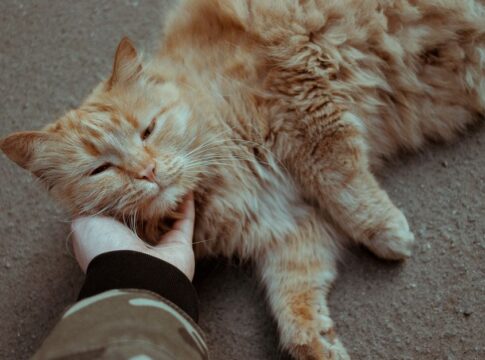
Of course, cats do purr when they’re genuinely happy and relaxed. This is the purr you hear during petting sessions, lazy afternoon naps, or when your cat kneads your lap. In multi-cat households, cats sometimes purr together as a bonding activity. This social purring reinforces relationships and creates a peaceful atmosphere. When your cat purrs while grooming another cat or snuggling with a companion, it’s communicating trust and affection.
7. Breathing and Respiratory Benefits
Some researchers theorize that purring may help cats maintain healthy respiratory function. The rhythmic breathing pattern required for sustained purring could keep airways clear and promote better oxygen exchange. Cats who purr regularly might be giving their respiratory systems a gentle workout. While more research is needed, it’s possible that this built-in breathing exercise contributes to overall feline health and longevity.
| Purring Context | Likely Meaning | Additional Signs to Watch |
|---|---|---|
| Relaxed on your lap | Contentment and happiness | Slow blinking, kneading, relaxed ears |
| At the veterinarian | Stress or fear | Tense body, dilated pupils, flattened ears |
| While injured or ill | Self-healing or pain relief | Lethargy, hiding, reduced appetite |
| Near food bowl or at mealtime | Solicitation or request | Circling, meowing, rubbing against you |
Myths and Misconceptions About Cat Purring
One persistent myth claims that purring always indicates a happy cat. As we’ve seen, this simply isn’t true. Cats purr in various emotional states, and context matters enormously. Another misconception is that all cats purr the same amount—in reality, some cats are frequent purrers while others rarely purr at all, even when content.
Some people believe that only domestic cats can purr, but several wild cat species including bobcats, cheetahs, and cougars are also capable of purring. The key difference is that cats who can purr continuously cannot roar, and vice versa. This anatomical trade-off divides the cat family into two distinct groups.
Frequently Asked Questions
Can cats control their purring?
Yes, cats have voluntary control over purring, though it can also occur as an automatic response to certain stimuli. Cats choose when to start and stop purring based on their emotional state and what they’re trying to communicate. However, very young kittens may purr more reflexively during nursing before they develop full conscious control.
Why doesn’t my cat purr?
Some cats are simply quiet and rarely purr, even when happy and comfortable. This is usually just a personality trait and not a cause for concern. Other cats may purr so quietly that owners can only detect it by feeling the vibrations. Occasionally, respiratory issues or damage to the larynx can prevent purring, so if your previously purring cat suddenly stops, a veterinary check-up is worthwhile.
Do cats purr when they’re alone?
Yes, cats definitely purr when no humans or other animals are around. They may purr while grooming themselves, settling down for a nap, or during those self-healing moments we discussed. Purring isn’t exclusively a social behavior—it serves many solitary functions as well, particularly related to physical and emotional self-regulation.
At what age do kittens start purring?
Kittens typically begin purring within their first few days of life, often around two to three days old. This early purring helps them bond with their mother and signals that they’re nursing successfully. By the time kittens are a week old, purring is well-established as one of their primary communication tools, even before their eyes and ears have fully opened.
The next time your cat purrs, remember that you’re witnessing a complex behavior with multiple possible meanings. Whether seeking comfort, requesting dinner, or actually engaging in self-healing, that rumbling vibration represents millions of years of feline evolution packed into one remarkable sound.