
By TrivBits, Staff Writer — Published November 19, 2026
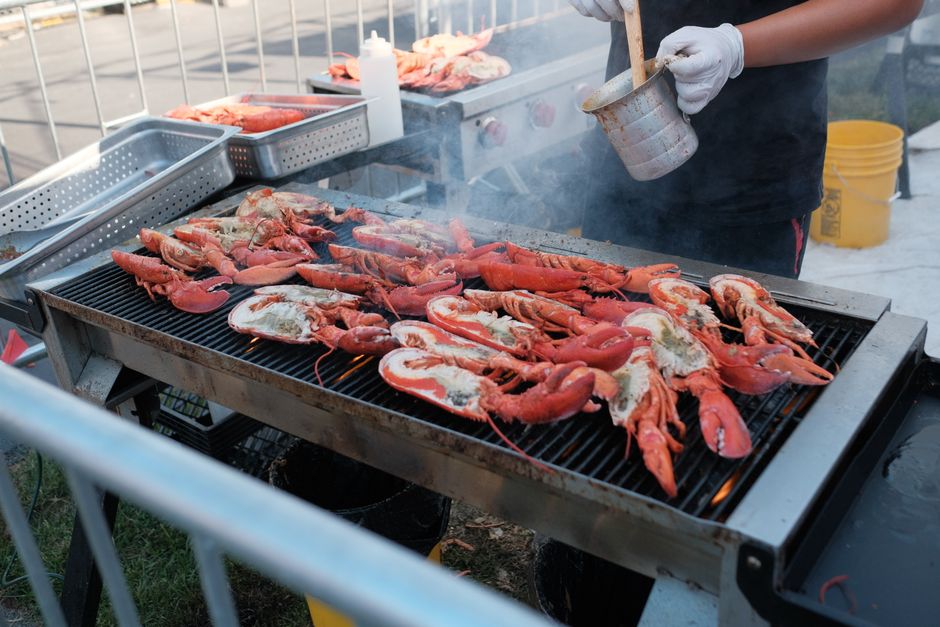
Table of Contents
- Key Takeaways
- From Lobsters Prison Food to Luxury: A Remarkable Journey
- Nine Surprising Truths About Seafood
- The Science Behind Seafood Transformations
- Sustainability and the Future of Seafood
- Frequently Asked Questions
- Sources
Did you know that lobsters, now a symbol of luxury dining, were once considered so worthless they were fed to prisoners and servants? This surprising reversal of fortune is just one of many fascinating truths about seafood that challenge what we think we know. The ocean has fed humanity for millennia, yet myths and misconceptions about its bounty persist. From the humble beginnings of lobsters as prison food to the unexpected intelligence of octopuses, the real stories behind our favorite seafood are often stranger—and more interesting—than fiction.
These facts reveal how cultural attitudes, scientific discoveries, and economic forces have transformed our relationship with creatures from the sea. Some of these truths will make you rethink your next seafood dinner.
Key Takeaways
- Lobsters were once so abundant in colonial America that they were fed to prisoners, apprentices, and servants as cheap protein
- Oysters were a common street food for working-class Americans in the 1800s, not the delicacy they are today
- Octopuses possess remarkable intelligence and can solve complex puzzles, use tools, and recognize individual humans
- The orange color in cooked shrimp and lobster comes from a pigment that’s masked by protein until heat releases it
- Many “scallops” served in restaurants are actually punched-out pieces of stingray or shark
- Crawfish can walk on land and have been known to migrate overland between bodies of water
From Lobsters Prison Food to Luxury: A Remarkable Journey
In colonial New England, lobsters were so plentiful they would wash ashore in piles two feet high after storms. Colonists considered them the “cockroach of the ocean”—bottom-feeding scavengers fit only for the desperate. Servants negotiated contracts limiting how many times per week they could be forced to eat lobster. Some indentures specified no more than three times weekly. Massachusetts prisoners were fed lobster regularly because it was essentially free protein that nobody else wanted.
What changed? Several factors converged in the 1800s. Railroad expansion allowed fresh lobster to reach inland cities, where people unfamiliar with their abundance viewed them as exotic. Canning technology made them shelf-stable. Most crucially, overfishing dramatically reduced populations, transforming lobsters from nuisance to rarity. Scarcity breeds value. By the early 1900s, lobster had completed its transformation into a premium food reserved for special occasions and upscale restaurants.
Nine Surprising Truths About Seafood
1. Oysters Were Working-Class Street Food
Before pollution decimated oyster beds and overharvesting made them scarce, oysters were the fast food of 19th-century America. Street vendors sold them from carts in every major city. Oyster cellars—basement restaurants—served all-you-could-eat oysters to working men for pennies. New York Harbor alone produced roughly half the world’s oyster supply. The rich ate them too, of course, but oysters were democratic food, accessible to everyone regardless of class. Environmental destruction and declining harvests gradually pushed oysters upmarket, where they remain today.
2. Octopuses Can Recognize Individual Human Faces
Octopuses possess intelligence that rivals many mammals. Research has demonstrated they can distinguish between different people, remembering who feeds them and who annoys them. They solve puzzles, open childproof bottles, and use coconut shells as portable armor. Each of their eight arms contains neurons that allow semi-independent decision-making—a distributed intelligence unlike anything in vertebrates. Some species use tools deliberately, a behavior once thought unique to primates and certain birds. Their problem-solving abilities have forced scientists to reconsider how we define and measure intelligence across species.
3. Most Shrimp Are Color-Changers
Raw shrimp appear gray, translucent, or slightly blue. Cooked shrimp turn bright orange-pink. This transformation isn’t added dye or chemical reaction in the way most people imagine. Shrimp contain astaxanthin, a carotenoid pigment that appears orange-red on its own. In living shrimp, this pigment binds to proteins that mask its color, making the shrimp appear gray. Heat from cooking denatures these proteins, releasing the astaxanthin to show its true color. The same process explains why lobsters turn red when boiled—they’re revealing their hidden pigmentation.
4. “Scallop” Fraud Is Surprisingly Common
Genuine scallops are the adductor muscles that open and close a scallop’s shell. They’re expensive and labor-intensive to harvest. Unscrupulous suppliers sometimes use circular punches to cut fake “scallops” from stingray wings, shark, or other cheaper fish. These imposters have similar texture and color, making them difficult to spot when cooked. The fraud is common enough that seafood investigators regularly test restaurant scallops. Real scallops have a natural grain and slightly irregular shape, while punched fakes are perfectly cylindrical and lack muscle fiber patterns.
5. Crawfish Walk on Land Between Ponds
Unlike their marine cousins, crawfish (also called crayfish or crawdads) tolerate and even embrace terrestrial travel. During rainy nights, they migrate overland between bodies of water, sometimes covering surprising distances. They can survive hours out of water if their gills stay moist. Some species dig elaborate burrows several feet deep, creating chimney-like mud towers around the entrance. In areas with seasonal wetlands, crawfish burrow down to the water table during dry months, waiting underground until rains return. This adaptability has allowed them to colonize almost every freshwater habitat on Earth.
6. Swordfish Heat Their Eyes and Brain
Swordfish hunt in deep, cold waters where temperatures drop dramatically. To maintain visual acuity and quick reflexes in these conditions, they’ve evolved specialized organs that heat their eyes and brain up to 15 degrees Celsius above ambient water temperature. This biological furnace uses modified eye muscles that generate heat through rapid contraction. Warmer eyes process visual information faster, giving swordfish a crucial advantage when hunting fast-moving prey in the cold depths. Several other billfish species have independently evolved similar heating systems, demonstrating how valuable this adaptation is for deep-water predators.
7. Barnacles Are Crustaceans, Not Mollusks
Barnacles look like mollusks. They live in shells attached to rocks, boats, and whales. Early naturalists classified them with clams and oysters. But barnacles are actually crustaceans—relatives of crabs, lobsters, and shrimp. They begin life as free-swimming larvae before permanently cementing their heads to a surface and growing a protective shell around themselves. They feed by extending feathery legs through their shell opening to catch passing plankton. This bizarre life strategy fooled scientists for centuries until microscopic examination of their larvae revealed their true crustacean nature.
8. Tuna Must Swim Constantly or Die
Most fish pump water over their gills by opening and closing their mouths. Tuna have abandoned this system in favor of ram ventilation—they swim forward with mouths open, forcing water across their gills. This is more efficient at high speeds but comes with a catch: they can never stop moving. If a tuna stops swimming, it suffocates. They even swim slowly while resting, maintaining just enough movement to breathe. This obligate swimming has shaped their entire biology, producing the muscular, torpedo-shaped bodies and powerful tails that make them among the ocean’s fastest swimmers.
9. Pearls Form as Immune Responses
Romantic mythology suggests pearls form around grains of sand. The reality is more biological. When a parasite, piece of shell, or other irritant becomes lodged in an oyster’s tissue, the mollusk’s immune system responds by secreting nacre—the same iridescent material lining the inside of its shell—around the invader. Layer upon layer accumulates over years, creating a pearl. Natural pearls are rare because most irritants get expelled before nacre deposition begins. Cultured pearls use the same process but with human-implanted irritants, essentially hijacking the oyster’s immune response for commercial purposes.
The Science Behind Seafood Transformations
Understanding why seafood changes when we cook it reveals fascinating chemistry. Proteins denature under heat, unwinding from their tightly folded structures. This unwinding changes texture, color, and opacity. The translucent, soft flesh of raw fish becomes opaque and firm. Collagen breaks down into gelatin, which is why properly cooked fish flakes apart easily. These aren’t arbitrary changes—they’re the same molecular transformations that occur in all protein-rich foods, from eggs to beef.
The speed of these changes varies by species. Shrimp cook in minutes because they’re small and have less connective tissue. Octopus requires either very brief cooking or very long braising because intermediate cooking produces rubber-like texture. The chemistry is consistent, but application requires understanding each species’ unique structure.
Sustainability and the Future of Seafood
Wild seafood populations face unprecedented pressure. Industrial fishing has depleted many species to fractions of their historical numbers. Bottom trawling destroys habitat. Bycatch kills millions of non-target animals annually. Yet sustainable fishing is possible and increasingly common. Catch limits, seasonal closures, and gear modifications have allowed some populations to recover.
Aquaculture now produces more seafood than wild capture globally. This shift brings new challenges and opportunities. Well-managed fish farms can produce protein efficiently with lower environmental impact than many land animals. Poorly managed operations pollute, spread disease, and consume wild fish as feed. The distinction matters enormously.
| Seafood Type | Sustainability Considerations | Better Alternatives |
|---|---|---|
| Bluefin Tuna | Severely overfished, slow reproduction | Skipjack or albacore tuna |
| Atlantic Cod | Collapsed populations, slow recovery | Pacific cod, haddock |
| Imported Shrimp | Often involves habitat destruction | Domestic or certified sustainable shrimp |
| Chilean Sea Bass | Overfished, illegal catch common | Domestic black cod (sablefish) |
Frequently Asked Questions
Why were lobsters really considered prison food?
Lobsters were incredibly abundant in colonial America, washing ashore in massive quantities and considered fit only for the poor, prisoners, and servants. Their status as bottom-feeders and their abundance made them undesirable until overfishing created scarcity, and railroads allowed them to reach inland markets where they were seen as exotic rather than common.
Can you eat barnacles like other shellfish?
Yes, certain barnacle species are edible and considered delicacies in some cultures. Gooseneck barnacles, harvested from wave-battered rocks in Spain and Portugal, command premium prices. They taste similar to crab or lobster but require careful preparation to extract the edible meat from inside their leathery stalks.
How can I tell if scallops are real or fake?
Real scallops have visible muscle grain running through them and slightly irregular shapes. Fake scallops punched from shark or ray are perfectly uniform cylinders without grain patterns. Real scallops also tend to vary slightly in size within a batch, while fakes are suspiciously identical.
Do lobsters feel pain when cooked?
This remains scientifically debated. Lobsters have nervous systems and respond to harmful stimuli, but whether they experience pain as humans understand it is unclear. Many chefs now kill lobsters quickly with a knife through the head before cooking, and some jurisdictions have banned boiling live lobsters based on animal welfare concerns.