
By TrivBits, Staff Writer — Published November 17, 2026
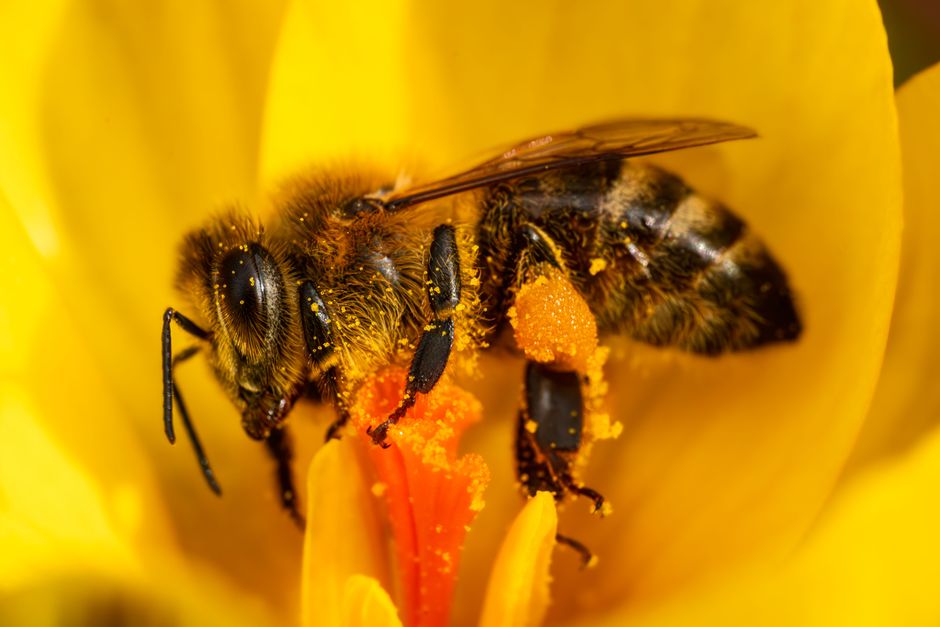
Table of Contents
- Key Takeaways
- Why Honey Never Spoils: The Chemistry of Preservation
- The Honeybee’s Engineering Marvel
- Debunking Honey Myths and Misconceptions
- How Different Honey Varieties Compare
- The Archaeological Evidence
- Proper Storage: Ensuring Honey’s Immortality
- Frequently Asked Questions
- Sources
Did you know that archaeologists have discovered pots of honey in ancient Egyptian tombs that are over 3,000 years old—and still perfectly edible? It’s one of the most surprising facts about this golden substance: honey never spoils. While nearly every food in your pantry has an expiration date, honey stands alone as nature’s immortal sweetener. This isn’t mythology or exaggeration. It’s science, and the reasons behind honey’s remarkable preservation are as fascinating as they are unexpected.
Understanding why honey never spoils requires a look at chemistry, biology, and the incredible ingenuity of honeybees. This interesting trivia reveals truths about food preservation that challenge our assumptions about what makes something “fresh” and how nature engineers solutions far more elegant than anything we’ve created in a laboratory.
Key Takeaways
- Honey never spoils due to its unique combination of low water content, high acidity, and natural hydrogen peroxide production.
- Ancient honey discovered in archaeological sites remains edible after thousands of years, proving its remarkable preservation properties.
- Honeybees create honey through an enzymatic process that transforms nectar into a hostile environment for bacteria and microorganisms.
- Crystallization is not spoilage—it’s a natural process that can be reversed by gentle heating.
- The pH level of honey ranges from 3 to 4.5, making it too acidic for most bacteria to survive.
- Proper storage in sealed containers ensures honey maintains its immortal shelf life indefinitely.
Why Honey Never Spoils: The Chemistry of Preservation
The secret to honey’s immortality lies in its hostile environment for microorganisms. Three factors work together to make honey inhospitable to the bacteria, yeasts, and molds that spoil other foods.
First, honey contains remarkably little water—typically between 14% and 18% moisture content. Most bacteria need at least 20% water content to survive and reproduce. This low moisture level creates what scientists call a hygroscopic environment. Honey is so concentrated with sugars that it actually pulls moisture out of anything it touches, including bacterial cells. When bacteria attempt to grow in honey, the substance literally sucks the water from their cells, causing them to die through dehydration.
Second, honey is extremely acidic. With a pH between 3 and 4.5, it’s acidic enough to kill most organisms that cause food to spoil. This acidity comes from gluconic acid, which bees create when they add an enzyme called glucose oxidase to the nectar. The acid level alone would preserve honey for extended periods, but it’s just one layer of protection.
Third, that same glucose oxidase enzyme produces hydrogen peroxide as a byproduct. You probably have hydrogen peroxide in your medicine cabinet as an antiseptic. Bees have been manufacturing this antibacterial compound in their honey for millions of years. The hydrogen peroxide concentration in honey is relatively low, but constant—enough to sterilize the honey without affecting its taste.
The Honeybee’s Engineering Marvel
Bees don’t accidentally create immortal food. They engineer it through a deliberate, multi-step process that transforms watery nectar into concentrated honey.
When forager bees collect nectar from flowers, it contains roughly 70% water—far too much to preserve. Back at the hive, bees pass the nectar from mouth to mouth, each bee adding enzymes that begin breaking down complex sugars. Then comes the dehydration phase. Worker bees spread the nectar in thin layers across the honeycomb and fan it vigorously with their wings. This generates airflow that evaporates water, concentrating the sugars.
The process continues until the moisture content drops below 18%. Only then do the bees seal the honeycomb cells with wax caps. They’re essentially creating airtight containers of concentrated, acidic, antibacterial syrup. Every step serves a purpose: preserving their food supply for months when flowers aren’t blooming.
Debunking Honey Myths and Misconceptions
Many people mistake crystallization for spoilage. It’s not. Crystallization is a natural process where glucose molecules separate from water and form crystals. Some honey crystallizes within weeks; other varieties remain liquid for years. The speed depends on the glucose-to-fructose ratio and storage temperature. Crystallized honey is perfectly safe and actually preferred by some people for its spreadable texture.
You can return crystallized honey to liquid form by placing the container in warm (not boiling) water. Heat above 95°F can damage some of honey’s beneficial enzymes and alter its flavor, so gentle warming is best.
Another common myth suggests that honey needs refrigeration. It doesn’t. Room temperature storage in a sealed container is ideal. Refrigeration actually accelerates crystallization and offers no preservation benefits for a substance that’s already immortal.
How Different Honey Varieties Compare
| Honey Type | Crystallization Speed | pH Range | Special Properties |
|---|---|---|---|
| Acacia | Very slow | 3.5-4.5 | High fructose content keeps it liquid longer |
| Clover | Medium | 3.8-4.2 | Most common variety; balanced sugar profile |
| Manuka | Fast | 3.5-4.0 | Contains additional antibacterial compounds |
| Buckwheat | Medium-fast | 3.9-4.3 | Higher antioxidant content; darker color |
The Archaeological Evidence
The most compelling proof that honey never spoils comes from archaeology. Sealed jars of honey found in Egyptian tombs dating back over three millennia contained honey that, while thick and crystallized, showed no signs of spoilage. When analyzed, this ancient honey had the same chemical properties as modern honey.
Similar discoveries have been made in other ancient sites. The combination of honey’s natural preservation properties and airtight storage created time capsules of edible food. These findings aren’t just interesting trivia—they’ve helped scientists understand ancient food storage techniques and the importance of honey in historical cultures.
Proper Storage: Ensuring Honey’s Immortality
While honey naturally resists spoilage, improper storage can introduce problems. The main enemy is moisture. If water gets into your honey—whether from a wet spoon or condensation—it can dilute the sugar concentration enough to allow fermentation. You’ll notice this if honey develops a sour smell or bubbles form on the surface.
Store honey in tightly sealed containers at room temperature. Glass or food-grade plastic works well. Keep it away from direct sunlight and heat sources, which can darken the color and alter the flavor over time. With proper storage, honey will outlast nearly everything else in your kitchen. Some commercial honey producers put “best by” dates on their products, but these are for quality purposes, not safety. The honey won’t go bad.
Frequently Asked Questions
Can honey really last forever without spoiling?
Yes, honey can last indefinitely when stored properly. Its low moisture content, high acidity, and antibacterial properties prevent the growth of microorganisms that cause food to spoil. Archaeological discoveries of edible honey thousands of years old prove its remarkable longevity.
Is crystallized honey still safe to eat?
Absolutely. Crystallization is a natural process, not spoilage. Crystallized honey is perfectly safe and nutritious. You can eat it as-is or gently warm it in a water bath to return it to liquid form without affecting its quality.
Does honey need to be refrigerated after opening?
No, honey does not require refrigeration. Its natural preservative properties make it shelf-stable at room temperature. Refrigeration actually speeds up crystallization and provides no preservation benefits. Store it in a sealed container in your pantry.
What are the signs that honey has gone bad?
Honey rarely spoils, but if water contamination occurs, you might notice fermentation signs: a sour or alcoholic smell, visible bubbles, or foam on the surface. These indicate the sugar concentration has been diluted enough to allow yeast growth. Pure, properly stored honey won’t develop these issues.