
By TrivBits, History Desk — Published November 20, 2026
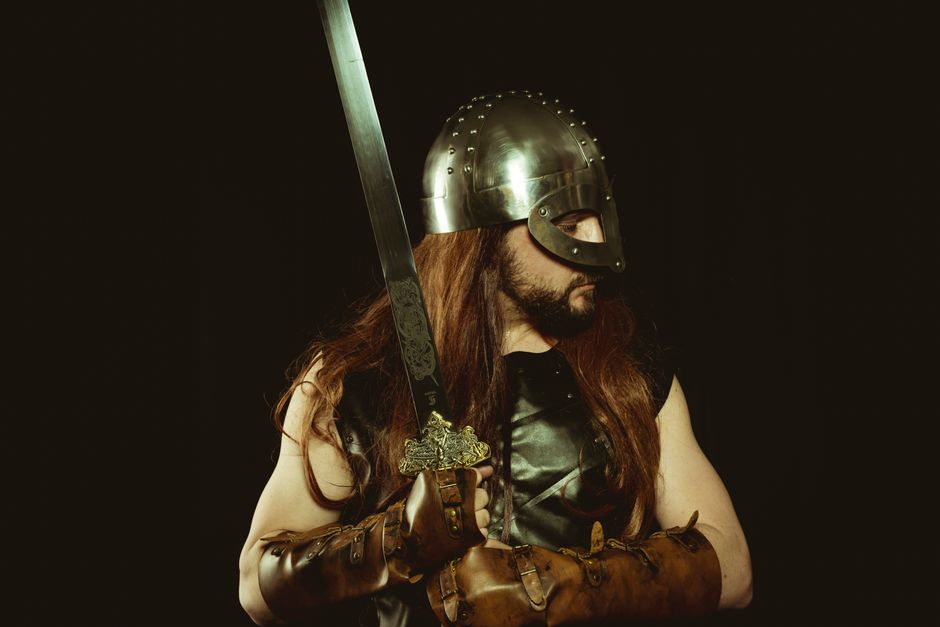
Table of Contents
- Key Takeaways
- Viking Myths Debunked: Separating Historical Fact From Fiction
- The Legacy of Viking Civilization
- Frequently Asked Questions
- Sources
Pop culture has painted a vivid picture of Vikings: horned-helmet-wearing barbarians who pillaged, burned, and destroyed everything in their path. But when it comes to viking myths debunked, historians have uncovered a far more nuanced reality. These Norse seafarers from the medieval era—roughly the 8th through 11th centuries—were complex people whose actual history differs dramatically from popular imagination. The Viking Age represents one of the most misunderstood periods of ancient civilizations, and separating fact from fiction reveals a sophisticated culture that shaped European history in ways few realize.
From their grooming habits to their governance systems, the Vikings of the past were far more advanced than Hollywood suggests. Let’s explore what these legendary warriors really did during their historical reign across northern Europe.
Key Takeaways
- Vikings never wore horned helmets in battle—this myth originated from 19th-century opera costumes and Romantic-era art
- Norse warriors were meticulous about hygiene and grooming, bathing weekly and maintaining elaborate hairstyles
- Most Vikings were farmers and traders, not full-time raiders; violence was seasonal and strategic
- Viking women held significant property rights and could divorce their husbands—progressive for the medieval era
- The Norse established democratic assemblies called “things” centuries before modern parliamentary systems
- Vikings used sophisticated navigation techniques and reached North America roughly 500 years before Columbus
Viking Myths Debunked: Separating Historical Fact From Fiction
The Viking Age lasted approximately from 793 CE to 1066 CE, a span of nearly three centuries that transformed European civilization. During this historical period, Scandinavian seafarers explored, traded, and yes, sometimes raided across an empire stretching from North America to the Middle East. But the Norse people were far more than the one-dimensional raiders depicted in modern media. Archaeological evidence and historical records from the medieval era paint a remarkably different picture of daily life, values, and achievements.
Understanding what Vikings really did requires examining primary sources, archaeological findings, and the written accounts from both Norse and non-Norse chroniclers of that ancient time. Many popular misconceptions stem from Victorian-era romanticism and 20th-century entertainment rather than actual historical evidence.
1. Vikings Never Wore Horned Helmets Into Battle
Perhaps the most persistent myth about Norse warriors is the horned helmet. Not a single authentic Viking helmet discovered by archaeologists features horns or wings. The famous Gjermundbu helmet from 10th-century Norway—one of the only complete Viking helmets ever found—is a simple rounded iron cap with a face guard. Horns would have been impractical in combat, offering opponents something to grab while providing no defensive advantage. This enduring image actually comes from 19th-century Romantic nationalism and costume designer Carl Emil Doepler’s 1876 designs for Wagner’s opera “Der Ring des Nibelungen.” Ancient Germanic and Celtic ceremonial helmets sometimes featured horns, but these predated the Viking Age by centuries and were never combat gear.
2. Norse Warriors Were Obsessed With Personal Hygiene
Far from being filthy barbarians, Vikings were remarkably clean by medieval standards. Archaeological excavations have uncovered tweezers, razors, combs, and ear cleaners at Viking sites throughout Scandinavia. Historical accounts from England actually complained that Norse men were too attractive to local women because they bathed weekly—on Saturdays, which remains “laugardagur” (washing day) in modern Icelandic. They combed their hair daily, trimmed their beards, and even bleached their beards with lye soap. This attention to grooming stood in stark contrast to many of their European contemporaries during that era, who bathed far less frequently.
3. Most Vikings Were Farmers and Traders, Not Raiders
The word “viking” actually referred to an activity—going on expeditions—not an entire people. Most Scandinavians during this historical period never went raiding at all. They farmed, raised livestock, fished, and traded goods. The Norse established extensive trade networks connecting Scandinavia with Byzantium, the Middle East, and Asia, exchanging furs, amber, and walrus ivory for silver, silk, and spices. Archaeological evidence shows that major Viking settlements like Birka, Hedeby, and Ribe were thriving commercial centers. Raiding was typically seasonal work undertaken by a minority, often younger men seeking wealth and reputation before settling into farming or craft work.
4. Viking Women Had Remarkable Rights for the Medieval Era
Norse women in this ancient civilization enjoyed freedoms that wouldn’t be matched in Europe for centuries. They could own property independently, inherit land, request divorces, and manage household finances. If a woman’s husband was away trading or raiding, she ran the entire farm and made all decisions. Archaeological finds of female graves containing keys symbolize their role as estate managers. Some evidence even suggests a few women may have been warriors or accompanied military expeditions, though this remains debated among historians. Compared to women in other medieval civilizations, Viking women’s legal and social status was remarkably progressive for their historical context.
5. Vikings Practiced Democratic Governance Through “Things”
Long before modern democracy, Norse society held assemblies called “things” where free men gathered to settle disputes, make laws, and decide community matters. Iceland’s Althing, established around 930 CE, is considered one of the world’s oldest surviving parliaments. These assemblies operated on principles of debate and consensus rather than autocratic rule. While not democratic by modern standards—women and enslaved people couldn’t participate—these institutions represented a sophisticated approach to governance during the medieval era. The thing system influenced later parliamentary traditions throughout the regions Vikings settled, leaving a lasting impact on political civilization in northern Europe.
6. Norse Navigation Was Scientifically Advanced
Vikings crossed the North Atlantic without compasses, reaching Iceland, Greenland, and North America centuries before other Europeans. They used sophisticated techniques including sun compasses, observations of star positions, whale migration patterns, and possibly “sunstones” (calcite crystals that can locate the sun’s position even through clouds). Their intimate knowledge of ocean currents, bird behavior, and wave patterns allowed them to navigate vast distances with remarkable accuracy. The Norse settlement at L’Anse aux Meadows in Newfoundland, dating to around 1000 CE, proves they reached the Americas approximately 500 years before Columbus—a testament to their seafaring abilities during this historical period.
7. Vikings Were Skilled Poets and Storytellers
Norse culture valued eloquence as much as martial prowess. Skalds—Viking poets—held honored positions in society, composing complex verse in intricate meters with elaborate metaphors called “kennings.” These oral traditions preserved history, mythology, and cultural values long before being written down in the medieval Icelandic sagas. A warrior who could compose clever poetry was more respected than one who could only fight. This literary tradition from the Viking Age produced some of the most important works of medieval European literature, including the Poetic Edda and Prose Edda, which remain studied today as windows into ancient Norse civilization.
8. Not All Vikings Were Scandinavian, and Not All Scandinavians Were Vikings
The Viking Age involved complex cultural exchange and integration. Many “Viking” groups included Slavs, Balts, and other peoples who adopted Norse customs and joined expeditions. Conversely, most Scandinavians during this era never left their farms. The Rus Vikings who founded settlements in what became Russia were a mixture of Scandinavians and local Slavic populations, creating a hybrid culture. DNA analysis of remains from Viking Age burials shows surprising genetic diversity, revealing that Viking identity was more cultural than strictly ethnic. This complexity challenges simplistic notions of Vikings as a monolithic group from a single ancient empire.
9. Vikings Weren’t Universally Hated or Feared
While Viking raids certainly terrorized some communities—the 793 CE attack on Lindisfarne monastery shocked Christian Europe—many regions welcomed Norse traders and settlers. Vikings founded Dublin, established the Duchy of Normandy, and served as elite mercenaries (the Varangian Guard) for the Byzantine Empire. In England, the Danelaw region saw peaceful coexistence and cultural blending between Norse settlers and Anglo-Saxons. Many English words with Scandinavian roots—”sky,” “egg,” “husband,” “law”—reflect this integration during the medieval period. The historical reality involved as much negotiation, intermarriage, and trade as it did conflict across the centuries of Viking influence.
The Legacy of Viking Civilization
Understanding the true history of Vikings transforms them from cartoon villains into real people navigating the challenges of their era. The Norse made lasting contributions to shipbuilding, exploration, literature, law, and commerce that shaped medieval Europe and beyond. Their influence appears in place names from Iceland to Italy, in legal traditions, in genetic heritage, and in the English language itself.
The archaeological and historical evidence reveals a culture far more sophisticated than the myths suggest. Vikings were entrepreneurs and explorers, poets and lawmakers, farmers and craftspeople who happened to live during a transformative period of European history.
Frequently Asked Questions
Did Vikings really drink from skull cups?
No, this is another myth. The confusion comes from a mistranslation of Old Norse poetry. The original phrase “ór bjúgviðum hausa” meant drinking from curved branches of skulls—a poetic way of saying drinking horns made from animal horns. Vikings used wooden cups, metal vessels, and animal horns for drinking, but never human skulls.
Were all Vikings blonde-haired and blue-eyed?
No, Vikings showed considerable physical diversity. While many Scandinavians had lighter hair and eyes, genetic studies of Viking Age remains reveal brown and red hair was also common. Additionally, Viking groups incorporated people from various regions, creating diverse communities. The stereotype of universally blonde Vikings is historically inaccurate.
Did Vikings have any written language?
Yes, Vikings used runes—an alphabet called the “futhark” after its first six letters. They carved runes into wood, stone, metal, and bone for everything from memorials to business transactions to magical purposes. While much Viking literature was initially oral, the runic alphabet shows they were literate and documented important information throughout the Viking Age.
How did the Viking Age actually end?
The Viking Age gradually ended as Scandinavian kingdoms converted to Christianity, centralized political power, and integrated into broader European feudal systems. The Battle of Stamford Bridge in 1066, where Norwegian King Harald Hardrada was defeated, is often considered the symbolic end. By this time, former Viking territories had largely transformed into medieval Christian kingdoms with different cultural priorities.