
By TrivBits, Staff Writer — Published November 27, 2026
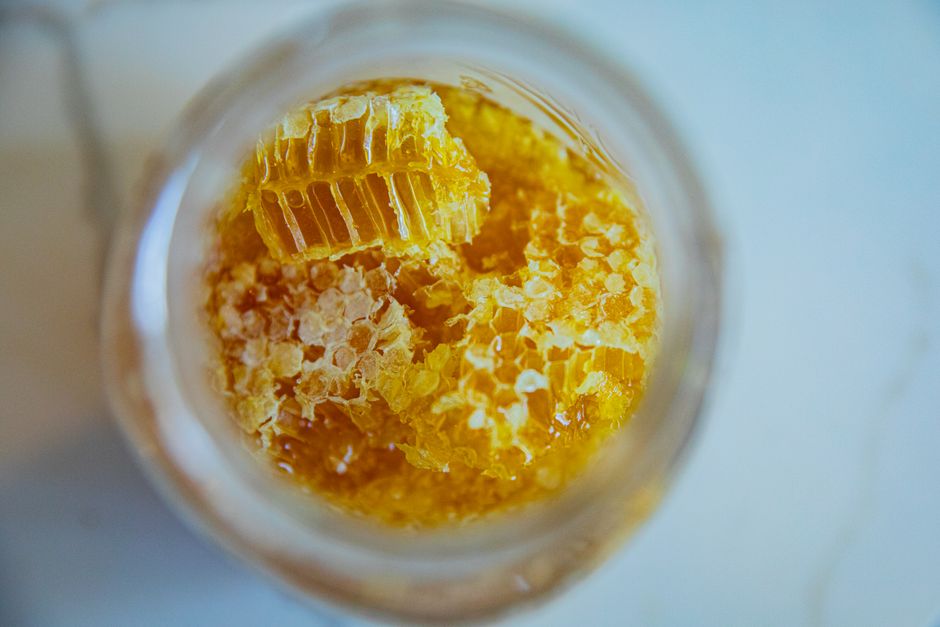
Table of Contents
- Key Takeaways
- Why Honey Never Expires: The Science of Eternal Sweetness
- The 9 Foods That Defy Time
- Storage Conditions Matter: The Fine Print
- The Truth About Expiration Dates
- Frequently Asked Questions
- Sources
Did you know that archaeologists have found pots of honey in ancient Egyptian tombs that are over 3,000 years old and still perfectly edible? The fact that honey never expires isn’t just a surprising trivia tidbit—it’s a fascinating glimpse into the chemistry of preservation. While most foods spoil within days or weeks, a select group of pantry staples can outlast entire civilizations. These foods share unique properties that make them nearly immortal, defying bacteria, moisture, and time itself.
From crystallized sweeteners to rock-hard salt deposits, these shelf-stable champions reveal interesting truths about food science that challenge our assumptions about expiration dates and freshness.
Key Takeaways
- Honey never expires due to its low moisture content, acidity, and natural hydrogen peroxide production
- Several common pantry staples can remain safe to eat indefinitely when stored properly
- The myths surrounding expiration dates often confuse “best by” labels with actual food safety
- Preservation depends on specific chemical and physical properties that prevent bacterial growth
- Many of these foods have been discovered in archaeological sites, still edible after millennia
Why Honey Never Expires: The Science of Eternal Sweetness
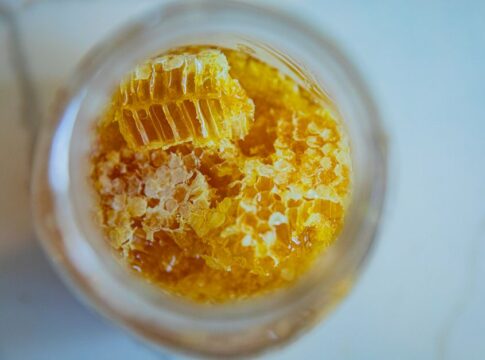
Honey’s immortality stems from a perfect storm of antimicrobial properties. Bees are master chemists. When they produce honey, they create an environment so hostile to microorganisms that nothing can survive in it. The sugar concentration is so high that it draws moisture out of any bacteria through osmosis, essentially mummifying them. The pH level hovers around 3 to 4.5, making it too acidic for most microbes. And here’s the clever part: honey naturally contains an enzyme called glucose oxidase that produces tiny amounts of hydrogen peroxide—a natural antiseptic.
Even when honey crystallizes and looks grainy or solid, it hasn’t gone bad. That’s just glucose separating from the water. Gently warming it returns the honey to its liquid state, completely unchanged in safety or nutritional value. The ancient Egyptians understood this well enough to stock tombs with jars of honey for the afterlife, and those same jars remain edible today.
The 9 Foods That Defy Time
1. White Rice: The Grain That Waits Forever
White rice can last 30 years or more when stored in oxygen-free containers at stable temperatures. The milling process that removes the hull and bran also removes the oils that cause brown rice to go rancid within months. What remains is almost pure starch—stable, dry, and resistant to spoilage. Researchers have successfully cooked and eaten white rice stored for decades in proper conditions. The key is keeping moisture and oxygen away from the grains, which is why many preppers vacuum-seal rice in mylar bags with oxygen absorbers.
2. Salt: Older Than Humanity Itself
Salt is a mineral, not a biological product, so it cannot spoil. Ever. The salt you sprinkle on your dinner might be millions of years old, formed when ancient seas evaporated. Pure salt—sodium chloride—is chemically stable and will remain unchanged whether stored for one year or one thousand. The only reason salt containers sometimes have expiration dates is because of added ingredients like iodine or anti-caking agents, which may degrade over time. But the salt itself? Eternal.
3. Dried Beans and Legumes: Patience Required
Properly dried beans can remain safe to eat indefinitely, though they become harder and require longer cooking times after several years. The drying process removes enough moisture to prevent bacterial growth and mold. Archaeologists have found beans in ancient storage sites that, while probably unpleasant to eat, were not dangerous. The protein and carbohydrates remain stable in the absence of moisture. Store them in airtight containers away from humidity, and your great-grandchildren could theoretically cook them.
4. Soy Sauce: Fermented and Formidable
The combination of high salt content and fermentation makes soy sauce virtually indestructible. Traditional soy sauce contains around 17-18% salt—far too much for most microorganisms to tolerate. The fermentation process also produces compounds that inhibit bacterial growth. While the flavor might mellow or change slightly over many years, properly bottled soy sauce will not become unsafe. Unopened bottles can sit in your pantry for decades without concern.
5. Pure Vanilla Extract: Alcohol Preservation at Work
Real vanilla extract contains at least 35% alcohol by law in the United States, and that alcohol acts as a powerful preservative. Bacteria and mold cannot grow in such high-alcohol environments. As the extract ages, the vanilla flavor may actually intensify as the compounds continue to infuse into the alcohol. The bottle your grandmother bought in 1975? Still perfectly safe, possibly even better. Imitation vanilla, however, may not share this longevity due to different chemical compositions.
6. Cornstarch: The Thickener That Never Thins
Pure cornstarch is just refined starch from corn—carbohydrates in their most stable form. With virtually no protein, fat, or moisture, there’s nothing for bacteria or fungi to feed on. It will absorb moisture from humid air if left open, forming clumps, but this doesn’t make it unsafe. Kept dry, cornstarch remains usable indefinitely. The same principle applies to other pure starches like arrowroot and potato starch.
7. Distilled White Vinegar: Acid That Ages Gracefully
Vinegar is already the product of fermentation—alcohol converted to acetic acid by bacteria. The high acidity (typically around pH 2.4) makes it inhospitable to the very microorganisms that created it. White distilled vinegar, in particular, will never spoil. The acid is stable, and nothing can grow in it. You might notice sediment or cloudiness in very old bottles, but this is harmless and doesn’t affect safety. Vinegar is often used to preserve other foods precisely because of these properties.
8. Maple Syrup: Nature’s Sterile Sweetness
Pure maple syrup shares honey’s preservation advantages: extremely high sugar content and natural acidity. The concentration of sugar is so high that bacteria cannot obtain the water they need to survive. Unopened, commercially bottled maple syrup can last indefinitely in a cool, dark place. Once opened, refrigeration prevents mold growth on the surface, but even if mold appears, you can remove it and boil the syrup to sterilize it again. The syrup itself remains chemically stable for generations.
9. Instant Coffee: Freeze-Dried for Eternity
The freeze-drying or spray-drying process removes virtually all moisture from instant coffee, leaving behind stable coffee solids. Without water, the compounds cannot break down or support microbial life. While the flavor may gradually fade over many years due to oxidation of aromatic compounds, the coffee remains safe to drink indefinitely when stored in an airtight container. Instant coffee found in decades-old emergency rations is still drinkable, if not particularly delicious.
Storage Conditions Matter: The Fine Print
These foods achieve immortality only under the right conditions. Temperature fluctuations, humidity, oxygen exposure, and light can all accelerate degradation even in the most stable foods. Most require cool, dark, dry storage in airtight containers. Vacuum sealing and oxygen absorbers extend shelf life even further by eliminating the two elements most likely to cause problems: moisture and air.
Contamination also matters. If you dip a wet spoon into honey or introduce moisture into dried beans, you’ve compromised their preservation. The foods themselves may be immortal, but careless handling can introduce the very elements that cause spoilage.
The Truth About Expiration Dates
| Label Type | What It Actually Means | Safety Relevance |
|---|---|---|
| “Best By” | Manufacturer’s estimate of peak quality | Not a safety date; food often fine after |
| “Use By” | Last date for peak quality | Generally about quality, not safety |
| “Sell By” | Retailer inventory guidance | Not meant for consumers; no safety implication |
| “Expires On” | Regulatory requirement for certain products | More relevant for medications than shelf-stable foods |
Many people confuse quality dates with safety dates. For truly shelf-stable foods, these dates reflect the manufacturer’s guarantee of optimal taste and texture, not the point at which food becomes dangerous. Federal regulations don’t require expiration dates on most foods, and the dates you see are often conservative estimates designed to ensure customer satisfaction rather than prevent illness.
Frequently Asked Questions
Can honey really last thousands of years?
Yes, honey found in ancient Egyptian tombs has been tested and found to be still edible after more than 3,000 years. The unique combination of low moisture, high acidity, and antimicrobial compounds prevents any bacterial growth indefinitely. As long as the container remains sealed and honey doesn’t absorb moisture from the air, it will never spoil. Crystallization is normal and doesn’t indicate spoilage.
Why does brown rice expire but white rice doesn’t?
Brown rice retains its bran and germ layers, which contain oils that oxidize and turn rancid over time, typically within six months at room temperature. White rice has these layers removed during milling, leaving only the starchy endosperm, which contains almost no fat. Without oils to go rancid, properly stored white rice can last decades. The tradeoff is that brown rice contains more nutrients that are lost during the milling process.
Will these foods lose nutritional value over time?
Some nutrients, particularly vitamins, can degrade slowly over many years even in stable foods. Vitamin content may decrease due to oxidation and exposure to light and heat. However, the core macronutrients—carbohydrates, proteins, and fats—remain largely stable in properly stored shelf-stable foods. The foods remain safe and calorie-dense, even if some micronutrients diminish over decades of storage.
Do I need special equipment to store these foods long-term?
For typical household storage lasting several years, airtight containers in a cool, dark, dry location are sufficient for most of these foods. For truly long-term storage spanning decades, many people use vacuum sealers, mylar bags with oxygen absorbers, or food-grade buckets with gamma lids. The investment in specialized storage equipment depends on your goals—casual pantry stocking versus emergency preparedness or food preservation for future generations.