

By TrivBits, Staff Writer — Published November 25, 2026
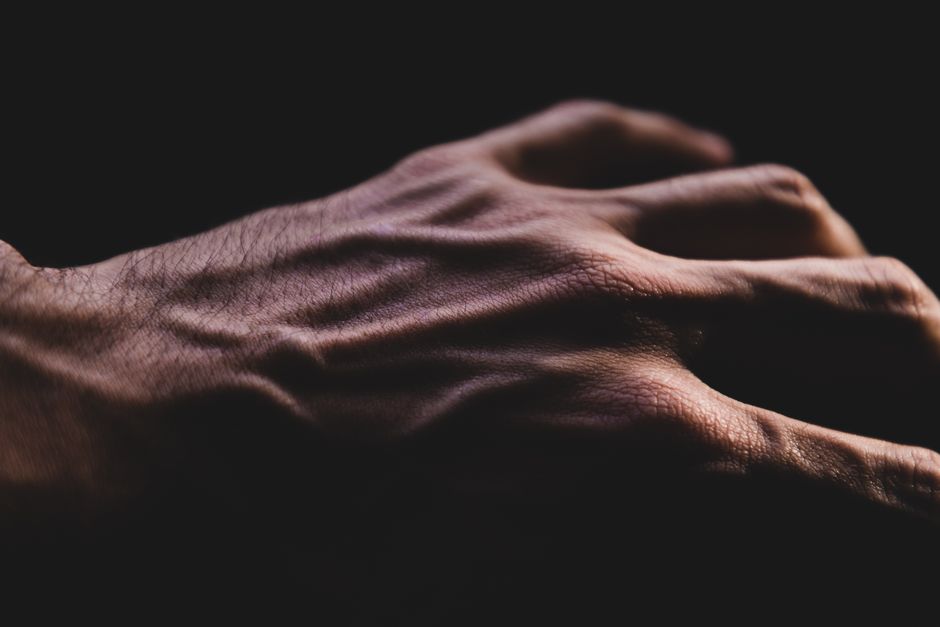
Table of Contents
- Key Takeaways
- Understanding Vestigial Structures in Human Anatomy
- The Evolutionary History Behind Our Useless Parts
- The Nine Vestigial Human Body Parts
- Frequently Asked Questions
- Sources
Did you know your body is carrying around biological baggage from millions of years ago? Evolution is a slow process, and not every adaptation gets tidied up when it’s no longer needed. The result? A collection of surprising human body parts that once served our ancestors well but now just hitchhike through life with us. These vestigial structures are fascinating reminders of where we came from, even if they don’t do much for us today.
From tiny muscles that wiggle ears to wisdom teeth that cause more problems than they solve, these leftover bits tell interesting stories about human evolution. While some scientists debate whether certain structures are truly useless or simply have unknown functions, most agree these body parts are evolutionary relics—truths about our past written in flesh and bone.
Key Takeaways
- Vestigial organs are body parts that have lost most or all of their original function through evolution
- Many of these structures were useful to our distant ancestors but became unnecessary as humans evolved different lifestyles and diets
- Some vestigial parts can still cause medical problems, like appendicitis or impacted wisdom teeth
- Not all scientists agree on which body parts are truly useless—some may have minor functions we haven’t fully discovered
- These evolutionary leftovers provide compelling evidence for how species change over millions of years
Understanding Vestigial Structures in Human Anatomy
Vestigial organs aren’t unique to humans. They appear throughout the animal kingdom as species adapt to new environments and lifestyles. In humans, these structures typically shrank or lost function as our ancestors evolved from tree-dwelling primates to upright-walking, tool-using humans with dramatically different diets and survival needs.
The term “vestigial” doesn’t always mean completely useless. Some structures retain minor functions or have been repurposed for new roles. The key characteristic is that these body parts are significantly reduced from their original form and no longer serve their primary evolutionary purpose. Think of them as biological appendices in the story of human evolution—interesting footnotes that don’t contribute much to the main narrative anymore.
The Evolutionary History Behind Our Useless Parts
Understanding why we have purposeless body parts requires looking back millions of years. Our early mammalian ancestors lived very different lives—they climbed trees, ate different foods, and faced survival challenges we can barely imagine. As environments changed and human ancestors adapted, natural selection favored certain traits while others became less important.
Here’s the interesting bit: evolution doesn’t actively remove structures that aren’t harmful. If a body part doesn’t hurt your chances of survival and reproduction, there’s no evolutionary pressure to eliminate it. That’s why we still carry around these biological souvenirs. They’re not helpful, but they’re not harmful enough to be selected against. Over extremely long timescales, some might disappear completely, but evolution works slowly.
The Nine Vestigial Human Body Parts
1. The Appendix: A Digestive Dead End
Your appendix is probably the most famous useless organ. This small, tube-like pouch extends from your large intestine and does virtually nothing—except occasionally become inflamed and require emergency surgery. Scientists believe the appendix once helped our herbivorous ancestors digest tough plant material and cellulose. As human diets evolved to include more varied and easier-to-digest foods, the appendix became redundant. Some researchers suggest it might harbor beneficial gut bacteria, but you can live a completely normal life without it, which roughly 300,000 Americans prove every year when theirs is removed.
2. Wisdom Teeth: Prehistoric Dental Equipment
Third molars, commonly called wisdom teeth, made perfect sense for our ancestors. Early humans ate coarse, rough foods that wore down teeth quickly. Extra molars that erupted in early adulthood provided backup chewing power. Modern humans have smaller jaws and softer diets. Our mouths often lack space for these latecomers, causing them to become impacted, grow sideways, or crowd other teeth. Many people now have them extracted before they cause problems—a clear sign they’ve outlived their usefulness.
3. Tailbone: Where Your Tail Used to Be
The coccyx, or tailbone, is all that remains of the tail our distant ancestors once had. This small triangular bone at the base of your spine consists of three to five fused vertebrae. While tails help many animals with balance and communication, humans evolved upright posture and bipedal movement, making tails unnecessary. The coccyx does provide minor attachment points for some muscles and ligaments, but its primary claim to fame is being extremely painful when you fall on it.
4. Body Hair: Evolutionary Insulation
Humans are sometimes called “naked apes” because we have far less body hair than our primate relatives. The fine, sparse hair covering most of our bodies is a vestigial remnant of the thick fur that once kept our ancestors warm. As humans evolved in hot African climates and developed other ways to regulate temperature—like sweating more efficiently—thick body hair became unnecessary and even disadvantageous. We kept hair in certain areas for protection and social signaling, but most of our body hair now serves little practical purpose.
5. Arrector Pili Muscles: Goosebumps Without the Benefit
Ever wonder why you get goosebumps? Tiny muscles called arrector pili contract and make your body hair stand on end. In furry animals, this creates insulation by trapping air or makes them appear larger to threats. In mostly hairless humans, these muscles produce only the bumpy texture we call goosebumps—visually interesting but functionally pointless. It’s a reflex we inherited from hairier ancestors, still triggered by cold or emotion but accomplishing essentially nothing.
6. The Palmaris Longus: A Missing Muscle
Hold your arm out and touch your thumb to your pinky while flexing your wrist slightly. See a raised band in your wrist? That’s the palmaris longus tendon. Interestingly, about 14 percent of people don’t have this muscle at all, proving how unnecessary it is. This muscle once helped our ancestors grip branches while climbing and swinging through trees. Modern humans don’t need that gripping power, and the muscle has become so irrelevant that evolution is slowly eliminating it from our species.
7. Ear Muscles: Wiggling Without Purpose
Some people can wiggle their ears, and we can thank vestigial muscles for this party trick. Humans have three muscles around each ear that once allowed our ancestors to rotate and move their ears independently, like cats and dogs do today. This helped them locate sounds and detect danger. Since humans evolved to turn their entire heads to locate sounds, these muscles lost their function. They’re still there, connected to our nervous system, but most people can’t consciously control them anymore.
8. The Plica Semilunaris: Your Third Eyelid Remnant
Look closely at the inner corner of your eye. That small fold of tissue is the plica semilunaris, a remnant of the third eyelid (nictitating membrane) that many animals still have. Birds, reptiles, and some mammals use this transparent eyelid to protect and moisten their eyes while maintaining vision. In humans, it’s been reduced to a tiny, functionless fold. You can see a fully functional version in your pet cat or the birds outside your window, but yours is just a biological souvenir.
9. Male Nipples: Functional in Females Only
Why do men have nipples? The answer lies in how embryos develop. All human embryos follow the same developmental blueprint in early stages, before sex hormones create differences. Nipples form before these hormones activate, which is why both sexes have them. In females, hormones later develop mammary glands and make nipples functional for nursing. In males, nipples remain as non-functional reminders of our shared developmental pathway. They’re not evolutionary leftovers from ancient ancestors—they’re developmental leftovers from the womb.
Frequently Asked Questions
Can vestigial organs ever cause health problems?
Absolutely. The appendix can become inflamed and cause appendicitis, a potentially life-threatening condition. Wisdom teeth frequently become impacted or infected, requiring surgical removal. The tailbone can be fractured or bruised, causing significant pain. While these organs serve little purpose, they can definitely cause trouble when things go wrong.
Are scientists certain these body parts are completely useless?
Not entirely. Scientific understanding evolves, and some structures once considered completely vestigial have been found to have minor functions. The appendix may play a small role in immune function and gut bacteria storage. However, the fact that people live normal, healthy lives without these parts suggests any functions they have are minimal and easily compensated for by other systems.
Will humans eventually evolve to lose these parts completely?
Possibly, but it would take an extremely long time. Evolution only selects against traits that harm survival and reproduction. Since most vestigial structures don’t significantly impact these factors, there’s little evolutionary pressure to eliminate them. Some structures, like the palmaris longus muscle, are already disappearing from the population, suggesting they may eventually vanish completely—but we’re talking timescales of hundreds of thousands or millions of years.
Do all humans have the same vestigial structures?
Mostly, but with interesting variations. Some people are born without certain vestigial structures, like the palmaris longus muscle or wisdom teeth. These variations show evolution in action—some genetic lineages are already losing these structures. The presence or absence of these parts typically doesn’t affect health or function, further proving their vestigial nature.
These nine body parts remind us that humans are works in progress, carrying evolutionary history in every cell. While they might not serve much purpose today, they tell fascinating stories about where we came from and how we adapted. Who knows? Maybe in another few million years, our descendants will have shed a few more biological relics—or perhaps developed entirely new ones we can’t yet imagine.