
The Truth About Apples Floating Because They Are 25% Air
By Trivia Daily, Staff Writer — Published August 17, 2026
Table of Contents
- Key Takeaways
- The Truth About Apples Floating and Cellular Architecture
- Comparing Apples to Other Floating Fruits
- Frequently Asked Questions
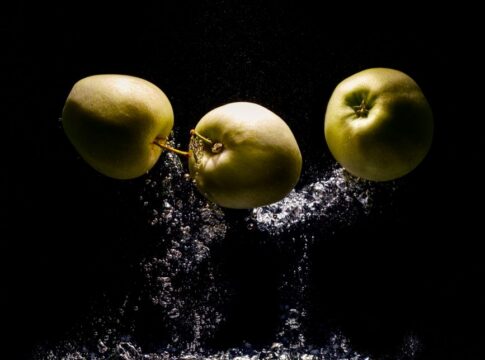
Drop an apple into a bucket of water and watch it bob to the surface like a tiny life raft. This familiar kitchen experiment reveals one of nature’s most delightful engineering tricks: apples float because roughly a quarter of their internal volume is air. The truth about apples floating isn’t magic—it’s biology meeting physics in the most surprising way. Inside each crisp apple, microscopic air pockets tucked between cells create a natural buoyancy system that has fascinated scientists and trivia lovers alike. This simple fact opens a window into the amazing world of fruit anatomy, density, and the curious ways plants have evolved to spread their seeds across water.
But the 25% air statistic is just the beginning. The story of why apples float connects to everything from ancient cultivation practices to modern food science, revealing interesting truths about how we interact with one of the world’s most popular fruits every single day.
Key Takeaways
- Apples contain approximately 25% air by volume, distributed throughout tiny pockets between their cells, which gives them enough buoyancy to float in water.
- This air content serves multiple biological purposes, including gas exchange for cellular respiration and cushioning the fruit against impact damage.
- The density of an apple typically ranges from 0.6 to 0.9 grams per cubic centimeter, always less than water’s 1.0 g/cm³.
- Apple bobbing, the traditional autumn game, works precisely because of this natural buoyancy—a tradition dating back centuries.
- Different apple varieties have slightly different air content percentages, affecting how high they float and how crunchy they feel when eaten.
- The cellular structure that traps air is also what gives apples their characteristic crisp texture and satisfying crunch.
The Truth About Apples Floating and Cellular Architecture
1. Air Pockets Are Scattered Throughout the Apple’s Flesh
The air inside an apple isn’t contained in one large cavity. Instead, microscopic spaces exist between the fruit’s cells, creating a honeycomb-like structure throughout the flesh. These intercellular air spaces form naturally as the apple develops, allowing gases to move through the tissue while providing structural support. When you bite into an apple and hear that satisfying crunch, you’re actually hearing thousands of cell walls rupturing and releasing the trapped air.
2. The 25% Figure Varies by Apple Variety
Not all apples are created equal when it comes to air content. Crisp varieties like Honeycrisp and Fuji tend to have more air space—sometimes approaching 30%—while softer varieties like McIntosh may have closer to 20%. This variation directly affects texture, with more air generally meaning a crunchier bite. The percentage also changes as apples age, with air pockets sometimes expanding as moisture evaporates from cells.
3. Density Determines Buoyancy, Not Just Air Content
While air content matters, an apple’s ability to float depends on its overall density compared to water. Fresh apples typically have a density between 0.6 and 0.9 grams per cubic centimeter. Water’s density sits at exactly 1.0 g/cm³, so anything less will float. The combination of water content (about 85%), natural sugars, fiber, and air creates this perfect floating formula.
4. The Air Serves a Biological Purpose Beyond Buoyancy
Apples didn’t evolve air pockets to entertain children at harvest festivals. These spaces facilitate gas exchange, allowing oxygen to reach living cells deep inside the fruit and carbon dioxide to escape. Even after picking, apple cells continue to respire, slowly consuming oxygen and producing carbon dioxide. The air channels make this possible, which is why apples stored in controlled atmospheres with reduced oxygen last much longer.
5. Apple Bobbing Has Ancient Celtic Origins
The traditional game of bobbing for apples likely originated with Celtic harvest festivals, particularly Samhain. Romans who conquered Celtic territories had their own apple-related divination traditions, and these practices merged over time. The game works perfectly because apples float with a significant portion above water, making them tantalizingly close but slippery to catch with teeth alone.
6. Temperature Affects How Well Apples Float
Cold apples float slightly better than warm ones. As temperature decreases, the air pockets inside contract slightly while the overall fruit becomes marginally denser, but the water becomes denser faster. This creates a more favorable buoyancy ratio. This is one reason why apple bobbing traditionally uses cold water—it makes the game work better and keeps the fruit fresh during outdoor autumn festivals.
7. Waterlogged Apples Eventually Sink
Leave an apple in water long enough and it will eventually sink as water gradually infiltrates the air spaces through tiny pores in the skin. This process can take days or even weeks depending on the apple’s condition and the water temperature. Once the air pockets fill with water, density increases beyond 1.0 g/cm³ and down the apple goes.
8. The Crunch Factor Is Directly Related to Air Content
Food scientists measure apple crunchiness using instruments that detect the sound frequency and intensity when biting. Apples with more intercellular air spaces produce louder, higher-frequency sounds—the acoustic signature of crispness. This is why Honeycrisp apples, bred specifically for enhanced crunchiness, have larger-than-average cells with more air space between them.
9. Bruised Apples Float Differently
When an apple bruises, cell walls rupture and release their contents, including air. The damaged area becomes denser as air escapes and cells collapse. A heavily bruised apple may lose enough air to sink, or at least float much lower in the water. This visible change in buoyancy was once used by merchants to quickly identify damaged fruit in water baths.
10. Wild Apples Float to Disperse Seeds
The floating ability of apples serves an evolutionary purpose for wild apple trees. When apples fall into streams or rivers, they can float downstream, potentially traveling miles before decomposing and releasing their seeds in new territory. This water-based seed dispersal complements the more common method of animals eating the fruit and depositing seeds elsewhere.
Comparing Apples to Other Floating Fruits
| Fruit | Approximate Air Content | Floats in Water | Typical Density (g/cm³) |
|---|---|---|---|
| Apple | 20-30% | Yes | 0.6-0.9 |
| Pear | 15-20% | Usually | 0.8-0.95 |
| Banana | ~5% | No | 0.95-1.1 |
| Watermelon | ~10% | Yes (whole) | 0.92-0.96 |
| Orange | ~30% | Yes (with peel) | 0.8-0.9 |
11. Cooking Collapses the Air Pockets
When you cook an apple, heat causes the cell walls to break down and air pockets to collapse. This is why applesauce is denser than fresh apples and why baked apples shrink noticeably during cooking. The transformation from crisp to soft is literally the destruction of the air-pocket architecture that made the apple crunchy in the first place.
12. Freeze-Dried Apples Have Even More Air
Modern freeze-drying removes water while preserving the cellular structure, actually increasing the percentage of air. Freeze-dried apple slices can be up to 95% air by volume, which is why they’re so light and why they rehydrate quickly when moisture is added back. This process was developed by NASA for space food and is now used commercially for lightweight snacks.
13. The Skin Is Less Porous Than You’d Think
Apple skin contains a waxy coating called cuticle that makes it relatively waterproof. This layer protects the internal air pockets from quickly filling with water when the apple is submerged. Varieties with thicker, waxier skins maintain their buoyancy longer than thin-skinned varieties when placed in water.
14. Apples Continue Breathing After Harvest
A picked apple is still alive, metabolically speaking. It continues to consume oxygen and produce carbon dioxide through cellular respiration, using the air stored in those intercellular spaces. This is why apples stored in sealed containers or plastic bags can develop off-flavors—they literally suffocate without adequate air exchange.
15. Gravity Affects Apple Development
Apples growing on trees develop their air pocket structure partly in response to gravity. The fruit must support its own weight on the branch, and the internal architecture evolves to provide both strength and lightness. Studies show that apples grown in different orientations can have slightly different internal structures.
16. Commercial Storage Manipulates Air Content
Commercial apple storage facilities control not just temperature but atmospheric composition. Reducing oxygen levels to 1-2% (compared to 21% in normal air) dramatically slows respiration and extends shelf life. This controlled atmosphere storage can keep apples fresh-tasting for months by essentially putting them into a state of suspended animation.
17. The Crispest Apples Are Picked at Peak Maturity
Apples develop their maximum air content and crispness at peak maturity. Pick them too early and the cellular structure hasn’t fully developed; wait too long and cells begin to break down, losing air and becoming mealy. Professional orchardists use pressure tests and starch-iodine tests to determine the optimal picking time for maximum crunchiness.
18. Some Cultures Used Floating to Test Freshness
Historical records suggest that some merchants used water tests to check apple quality. Apples that floated too high might be dehydrated or old, while those that barely floated or sank were suspected of water damage or decay. This simple density test provided a quick quality assessment before more sophisticated methods existed.
19. Air Content Affects Juice Yield
When pressing apples for cider or juice, varieties with higher air content can be more challenging to process. The air pockets must be collapsed to extract maximum juice, requiring greater pressure. This is why cider makers often prefer denser, juicier apple varieties over the crispest eating apples.
20. Baby Food Apples Are Processed to Remove Air
Commercial applesauce and baby food undergo processing that deliberately removes air to create a smooth, dense product with longer shelf life. The removal of air also eliminates spaces where bacteria might grow and prevents oxidation that could cause browning. This is why jarred applesauce looks and feels nothing like a fresh apple.
21. Dehydrated Apples Lose Air Along with Water
Traditional dehydration methods cause apple slices to shrink dramatically as both water and air are removed. The cell structure collapses as moisture evaporates, and the air pockets can’t maintain their shape without the turgor pressure from water-filled cells. Dried apple slices are much denser than fresh ones and will sink readily in water.
22. Apple Breeding Programs Target Texture
Modern apple breeding programs use sophisticated analysis to select for desirable texture traits, including air content. Researchers can now measure the size and distribution of intercellular air spaces using microscopy and CT scanning, allowing them to breed apples with precisely engineered crunchiness. The Honeycrisp apple, one of the most successful modern varieties, was specifically bred for its large cells and abundant air spaces.
23. Altitude Affects How Apples Float
At higher altitudes, where atmospheric pressure is lower, the air inside apples is under less external pressure and may expand slightly. This subtle effect means that the same apple might float marginally higher in water at elevation compared to sea level, though the difference is barely noticeable without precise measurement.
24. Mealy Apples Have Collapsed Air Spaces
That unpleasant mealy texture in old apples results from cell wall breakdown and collapsed air pockets. As apples age past their prime, enzymes break down the pectin that holds cell walls together. Air escapes, cells lose their crisp structure, and the tissue becomes soft and grainy. This is why mealy apples also float lower—they’ve lost air and gained water-filled dead space.
25. The Guinness World Records Includes Apple Bobbing
Guinness World Records has tracked various apple bobbing achievements, including most apples bobbed in a time limit and largest apple bobbing event. These records are possible precisely because of the reliable 25% air content that makes apples consistently buoyant. Without this natural property, the traditional game simply wouldn’t work, and these records couldn’t exist.
Frequently Asked Questions
Why do apples float but bananas sink?
Apples contain approximately 25% air by volume in intercellular spaces, giving them a density of 0.6-0.9 g/cm³, less than water’s 1.0 g/cm³. Bananas have only about 5% air content and a density of 0.95-1.1 g/cm³, making most varieties denser than water and causing them to sink.
Do all apple varieties float equally well?
No, different varieties have varying air content and density. Crisp varieties like Honeycrisp and Fuji typically have more air (up to 30%) and float higher, while softer varieties like McIntosh have less air (around 20%) and float lower in the water.
Can you make an apple sink?
Yes, several methods will make an apple sink: leaving it submerged until water infiltrates the air pockets (takes days), cooking it to collapse the cellular structure, heavily bruising it to release air, or cutting it into small pieces that become waterlogged quickly.
Is the air inside apples safe to eat?
Absolutely. The air inside apples is simply atmospheric air that became trapped during fruit development—primarily nitrogen and oxygen. When you bite an apple and hear the crunch, you’re releasing this harmless air along with the fruit’s moisture and cellular contents.
The next time you bite into a crisp apple or watch one bob in a bucket of water, you’re witnessing millions of years of botanical evolution at work. Those tiny air pockets that make apples float aren’t just a quirky trivia fact—they’re a sophisticated biological system that keeps fruit fresh, enables seed dispersal, and delivers that perfect crunch we crave. Nature’s engineering, it turns out, is both delicious and buoyant.