











1 / 10 Questions
0 Points

What does a conductor use to lead an orchestra?

Pointer

Baton

Stick

Wand

Points won
0
Correct score
0%

More Questions

More Articles

Top 10 Most Dominant Teams in Sports History

Top 10 Most Dominant Teams in Sports History

⏱️ 6 min read

Throughout sports history, certain teams have transcended excellence to achieve levels of dominance that redefined their respective games. These legendary squads didn't just win—they demoralized opponents, shattered records, and created dynasties that remain benchmarks for greatness decades later. Their achievements combined talent, coaching brilliance, and an unwavering will to win that set them apart from all contemporaries.

The Greatest Dynasties Ever Assembled

1. The 1995-96 Chicago Bulls: Basketball Perfection

The Chicago Bulls team that stormed through the 1995-96 NBA season set a then-record 72-10 regular season mark that stood for two decades. Led by Michael Jordan in his first full season back from retirement, along with Scottie Pippen and Dennis Rodman, this team combined offensive firepower with suffocating defense. They dominated the playoffs, finishing with a 15-3 postseason record to capture their fourth championship. Coach Phil Jackson's triangle offense reached its apex, and the Bulls outscored opponents by an average of 12.2 points per game during the regular season, a margin of victory that demonstrated their overwhelming superiority.

2. The 1972 Miami Dolphins: Undefeated Immortality

The only team in NFL history to complete a perfect season including the playoffs, the 1972 Miami Dolphins finished 17-0 under coach Don Shula. Their "No-Name Defense" allowed just 171 points all season, while the offense featured Larry Csonka's punishing running style and the precision of quarterback Bob Griese. What made this achievement even more remarkable was that Griese missed much of the season with an injury, yet backup Earl Morrall seamlessly maintained the team's dominance. Their Super Bowl VII victory over Washington cemented their place as the gold standard for team perfection.

3. The 1999-2000 to 2002-03 New Jersey Devils: Defensive Mastery

While they won three Stanley Cups in this span, the Devils' systematic dominance revolutionized hockey strategy. Under coach Larry Robinson and later Pat Burns, the team perfected the neutral zone trap, making it virtually impossible for opponents to generate offense. Goaltender Martin Brodeur was the backbone, but the entire roster bought into a defensive philosophy that prioritized team success over individual statistics. They allowed the fewest goals in the league multiple times and proved that defensive discipline could win championships in the modern era.

4. The 1998-2000 New York Yankees: Dynasty Restored

The Yankees won three consecutive World Series championships from 1998-2000, capturing four titles in five years overall. The 1998 squad won 114 regular season games and swept through October with an 11-2 postseason record, combining for 125 total wins—the most in baseball history. Manager Joe Torre balanced veteran leadership from Derek Jeter, Bernie Williams, and Mariano Rivera with timely contributions throughout the roster. Their ability to win close games and dominate in the clutch set them apart, as they won 85% of their games decided by two runs or fewer in 1998.

5. The 2001 University of Miami Hurricanes: College Football's Juggernaut

Widely considered the greatest college football team ever assembled, the 2001 Miami Hurricanes featured 38 players who would be drafted into the NFL, including 17 first-rounders. They demolished opponents by an average margin of 32.9 points per game, with their closest contest being a 12-point victory. The roster included future NFL stars like Ed Reed, Clinton Portis, Jeremy Shockey, and Bryant McKinnie. Their 37-14 dismantling of Nebraska in the Rose Bowl for the national championship showcased overwhelming talent at every position, setting a standard that college teams still aspire to match.

6. The 1960s Boston Celtics: Basketball's First Dynasty

From 1959 to 1966, the Boston Celtics won eight consecutive NBA championships, a feat unmatched in North American professional sports. Under coach Red Auerbach, the Celtics featured Bill Russell's revolutionary defensive play and rebounding, complemented by offensive weapons like Bob Cousy, John Havlicek, and Sam Jones. Russell's shot-blocking and team defense changed how basketball was played, prioritizing stops over pure scoring. The team's unselfish play and fast-break style created a template for winning basketball that influenced generations of coaches.

7. The 1974-75 to 1979-80 Montreal Canadiens: Hockey Royalty

The Canadiens won four consecutive Stanley Cups from 1976-1979 and five total in six years during this stretch. The team featured perhaps the greatest collection of talent ever assembled on one roster, including Guy Lafleur, Larry Robinson, Ken Dryden, and Serge Savard. Their 1976-77 squad lost only eight games all season and set records for dominance that still stand. They combined speed, skill, and physicality in ways that overwhelmed opponents, often winning games before the third period even began.

8. The 2008-2009 FC Barcelona: Beautiful Game Perfection

Under manager Pep Guardiola in his first season, Barcelona became the first Spanish club to win the treble—La Liga, Copa del Rey, and UEFA Champions League. Their tiki-taka possession style, featuring Lionel Messi, Xavi, and Andrés Iniesta, revolutionized soccer tactics worldwide. They dominated possession so thoroughly that opponents often touched the ball less than 40% of the match. The team's 6-2 aggregate demolition of Real Madrid and their Champions League final victory over Manchester United showcased a style of play that was both artistically beautiful and ruthlessly effective.

9. The 1927 New York Yankees: Murderers' Row

The 1927 Yankees won 110 games and swept the Pittsburgh Pirates in the World Series, featuring what many consider the greatest lineup ever assembled. Babe Ruth hit 60 home runs, Lou Gehrig drove in 175 runs, and the team's offense was so intimidating that legend says the Pirates were defeated just watching them take batting practice before the World Series. They led the American League in virtually every offensive category and won the pennant by 19 games, demonstrating a level of superiority that demoralized the entire league.

10. The 1984-1985 to 1989-1990 Edmonton Oilers: Offensive Explosion

The Oilers won five Stanley Cups in seven years during the 1980s, revolutionizing hockey with their high-flying offensive attack. Led by Wayne Gretzky, the greatest player in hockey history, and complemented by Mark Messier, Jari Kurri, and Paul Coffey, the Oilers scored goals at unprecedented rates. They averaged over four goals per game for an entire decade, turning hockey into an offensive showcase while still winning championships. Even after trading Gretzky in 1988, they won another Cup in 1990, proving the depth of their championship culture.

Measuring True Dominance

These ten teams represent the pinnacle of sports achievement, each dominating their era in ways that transcended mere statistics. They combined exceptional talent with perfect chemistry, innovative coaching, and an unrelenting competitive drive. Whether through undefeated seasons, consecutive championships, or revolutionary styles of play, these squads set standards that future generations measure themselves against. Their legacies endure not just in record books, but in how they changed their sports forever, proving that true dominance means reshaping what's possible in athletic competition.
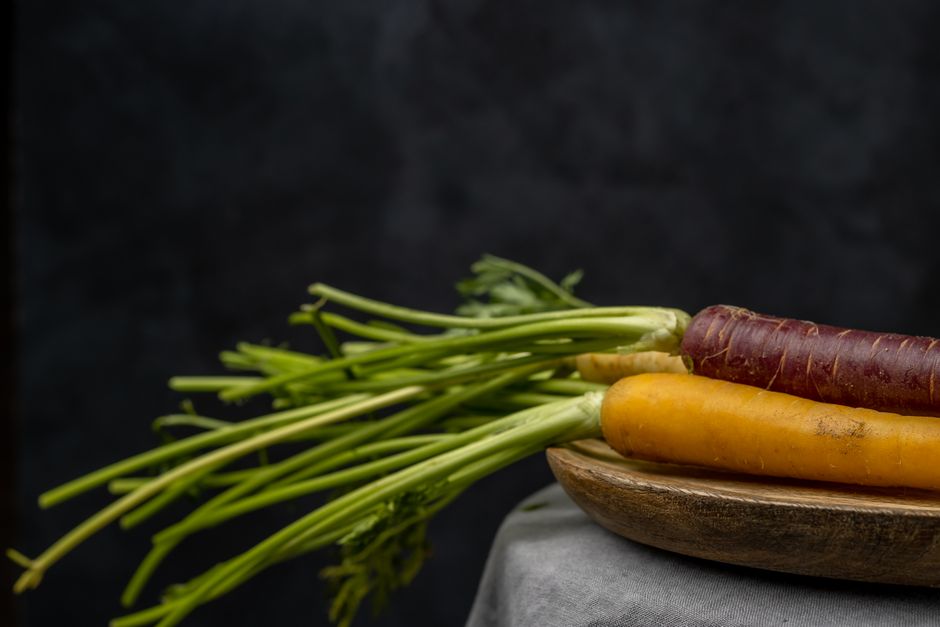
Carrots Were Purple Before 17th Century: Color Truth

Carrots Were Purple Before 17th Century: Color Truth

By TrivBits, Staff Writer — Published October 4, 2026

Carrots Were Purple Before 17th Century: Color Truth — Food & Drink trivia by TrivBits

Table of Contents

Did you know the familiar orange carrot you crunch today is a relatively modern invention? For thousands of years, carrots purple 17th century and earlier were the norm, not the exception. The surprising truth is that orange carrots didn't dominate until Dutch growers transformed them into the vegetable we recognize now. This fascinating journey from purple to orange reveals how human cultivation can completely reshape nature—and how myths about food history often obscure interesting facts about what we eat.

The story of the carrot's color change is more than trivia. It's a window into agriculture, politics, and the unknown forces that shaped our dinner plates.

Key Takeaways

  • Purple, yellow, and white carrots dominated for millennia before orange varieties emerged
  • Dutch growers in the 17th century popularized orange carrots through selective breeding
  • The orange color comes from high beta-carotene content, a nutritional advantage
  • Purple carrots still exist today and contain beneficial anthocyanins
  • The carrot's color transformation reflects broader patterns in agricultural history
  • Many "traditional" foods we take for granted are actually recent innovations

The Original Carrots Purple 17th Century: A Rainbow of Roots

1. Ancient Carrots Were Never Orange

The earliest cultivated carrots, domesticated in Central Asia around the 10th century, came in purple and yellow varieties. Archaeological evidence and historical texts confirm that orange was simply not part of the original carrot color palette. These ancient roots were often bitter and thin, bearing little resemblance to the sweet, plump carrots we know today. Farmers grew them primarily for their aromatic seeds and leaves rather than the roots themselves.

2. Purple Pigments Served a Purpose

The deep purple hue came from anthocyanins, powerful antioxidant compounds that plants produce for protection. These pigments shield plant tissues from UV radiation and oxidative stress. Wild carrots developed purple coloring as a survival mechanism, which made perfect evolutionary sense in their native harsh mountain environments. The color wasn't just decorative—it was functional armor.

3. White and Yellow Varieties Followed

As carrots spread westward through Persia and the Arab world, white and yellow cultivars emerged through natural mutation and selective breeding. By the time carrots reached Europe in the medieval period, these lighter varieties were common. Written records from the 13th and 14th centuries describe carrots in multiple colors, with purple and yellow being most frequently mentioned in European gardens and markets.

4. The Dutch Golden Age Changed Everything

Dutch horticulturists in the 16th and 17th centuries began intensive breeding programs. Their goal was to create sweeter, less fibrous carrots with better storage qualities. Through patient selection over generations, they developed carrots with increasingly high carotene content. The orange color was a byproduct of breeding for sweetness and texture, not an aesthetic choice at first.

5. Beta-Carotene Created the Orange Revolution

Orange carrots contain exceptionally high levels of beta-carotene, a precursor to vitamin A that our bodies convert as needed. This compound gives carrots their distinctive color and substantial nutritional value. A single medium orange carrot can provide more than 200% of daily vitamin A requirements. This nutritional advantage helped orange varieties gain favor once their benefits became apparent.

6. The Dutch Patriotic Connection Is Mostly Myth

A popular story claims Dutch growers created orange carrots to honor William of Orange, leader of the Dutch revolt. While this makes for compelling trivia, historians find little evidence to support it. The timing coincides roughly with William's era, but the breeding was likely driven by agricultural improvement rather than patriotic symbolism. The myth persists because it's a satisfying narrative.

7. Orange Carrots Conquered Through Superior Traits

Why did orange varieties displace purple ones so completely? Orange carrots were sweeter, stored longer, and grew more uniformly. They also had a milder flavor that appealed to broader palates. Commercial advantages in farming and trade meant orange carrots quickly dominated European markets by the 18th century. Success in agriculture often comes down to practical advantages, not just color.

8. Purple Carrots Never Completely Disappeared

Despite orange dominance, purple carrots survived in certain regions, particularly in Asia and the Middle East. Farmers in Afghanistan, Pakistan, and Turkey continued growing traditional varieties. These heirloom carrots maintained genetic diversity that would prove valuable centuries later when interest in heritage vegetables revived. Preservation of old varieties often happens in agricultural margins, away from commercial pressures.

9. Different Colors Mean Different Nutrients

Purple carrots contain anthocyanins alongside beta-carotene, offering a different nutritional profile than orange varieties. Yellow carrots are rich in lutein, beneficial for eye health. White carrots lack pigmented compounds but contain fiber and other nutrients. The rainbow of carrot colors represents distinct phytonutrient combinations, each with specific health properties.

10. Modern Breeding Brought Rainbow Carrots Back

In recent decades, agricultural researchers and specialty growers have revived purple, yellow, red, and white carrot varieties. This "rainbow carrot" trend reflects consumer interest in heritage foods and nutritional diversity. Modern purple carrots are sweeter and more tender than ancient varieties, benefiting from centuries of breeding knowledge applied to traditional colors. Innovation sometimes means looking backward.

11. The Carrot's Wild Ancestor Still Exists

The wild carrot, known as Queen Anne's Lace, grows throughout Europe and North America. Its thin, pale root bears little resemblance to cultivated carrots. This wild ancestor demonstrates how dramatically human selection can transform a plant over time. The journey from bitter wild root to sweet garden vegetable took thousands of years of patient cultivation.

12. Color Affects Carrot Flavor Chemistry

Purple carrots often have a slightly peppery, earthy flavor distinct from orange varieties. The anthocyanins and other compounds responsible for purple coloring contribute to taste as well as appearance. Yellow carrots tend toward mild sweetness, while white varieties can be subtly different in texture. Color and flavor are chemically linked in ways that go beyond simple aesthetics.

13. Cooking Changes Purple Carrots Dramatically

When you boil or steam purple carrots, the anthocyanin pigments leach into cooking water, often turning it blue or purple. The carrots themselves may fade to orange or brown, revealing the beta-carotene underneath. This color transformation surprised many modern cooks encountering heritage varieties for the first time. The chemistry of cooking reveals hidden layers in these vegetables.

14. Carrots Weren't Always Considered Food

Early Greeks and Romans viewed carrots primarily as medicinal plants rather than food crops. Ancient physicians prescribed carrot seeds and roots for various ailments. The transformation of carrots from medicine to mainstream vegetable happened gradually over centuries. Many vegetables we now eat routinely began their cultivated lives serving different purposes entirely.

15. Global Carrot Production Exceeds 40 Million Tons

Today, carrots rank among the world's top ten vegetable crops by production volume. China grows roughly half of the global supply, followed by Uzbekistan, Russia, and the United States. Nearly all commercial production uses orange varieties, though specialty markets for colored carrots are growing. The orange carrot's global dominance is complete, yet diversity persists in niches.

16. Baby Carrots Are a 1980s Innovation

Those convenient "baby carrots" in grocery stores aren't actually young carrots—they're full-sized carrots cut and shaped by machines. This product innovation began in California in the 1980s as a way to use imperfect carrots that couldn't be sold whole. The invention transformed carrot consumption patterns and reduced agricultural waste. Sometimes the newest innovations involve the oldest crops.

17. The Future May Bring Designer Carrot Colors

Agricultural researchers continue developing new carrot varieties with targeted nutritional profiles. Purple carrots with enhanced anthocyanin content, orange varieties with even higher beta-carotene, and novel colors like deep red are all under development. Modern genetics allows breeders to work with precision impossible in earlier centuries. The carrot's color story isn't finished—it's still being written.

Why Orange Won the Carrot Color Wars

The triumph of orange carrots wasn't inevitable. It resulted from a combination of agricultural practicality, nutritional advantage, and historical timing. Dutch growers had the horticultural expertise, commercial networks, and economic incentives to spread their improved varieties across Europe and eventually worldwide.

Orange carrots also arrived at a moment when European agriculture was modernizing. Standardization in farming and food trade favored uniform products. A single dominant variety simplified everything from planting to marketing. Purple and yellow carrots survived only where traditional agriculture persisted outside commercial pressures.

The nutritional benefits of beta-carotene, though not understood scientifically until the 20th century, may have been recognized intuitively. Communities that adopted orange carrots might have noticed health improvements, particularly in children. Vitamin A deficiency causes serious health problems, and a vegetable that prevented them would naturally gain favor.

Myths and Truths About Carrot History

Myth Truth
Carrots were always orange Purple, yellow, and white varieties dominated for millennia
Orange carrots honor William of Orange Likely coincidental timing; breeding focused on quality
Purple carrots are a modern invention They're the original form, recently revived
Carrots help you see in the dark WWII propaganda; vitamin A supports eye health but doesn't create night vision

Frequently Asked Questions

Are purple carrots healthier than orange carrots?

Both offer distinct nutritional benefits. Purple carrots provide anthocyanins with antioxidant properties, while orange carrots excel in beta-carotene for vitamin A. Neither is definitively "healthier"—they offer complementary nutrients. Eating a variety of colored vegetables ensures the broadest nutritional intake. The healthiest choice is often diversity rather than any single variety.

Can you still buy purple carrots today?

Yes, purple carrots are increasingly available at farmers' markets, specialty grocers, and even some mainstream supermarkets. Seed companies also sell purple carrot varieties for home gardeners. The heritage vegetable movement has made once-rare varieties accessible again. You might find them labeled as "rainbow carrots" or "heirloom carrots" in stores.

Do purple and orange carrots taste different?

Purple carrots often have a slightly earthier, sometimes peppery flavor compared to the straightforward sweetness of orange varieties. The difference is subtle but noticeable to attentive tasters. Growing conditions, soil, and harvest timing affect flavor more than color alone. Most people find all carrot colors pleasant and interchangeable in cooking.

Why did Dutch growers focus on developing orange carrots?

Dutch horticulturists aimed to create sweeter, less fibrous carrots that stored well and grew uniformly. The orange color emerged as a byproduct of selecting for these practical traits. High carotene content correlated with the qualities they wanted. The Netherlands had advanced agricultural knowledge and commercial incentives to develop improved vegetable varieties during its Golden Age.

Sources