








By TrivBits, Staff Writer — Published September 28, 2026
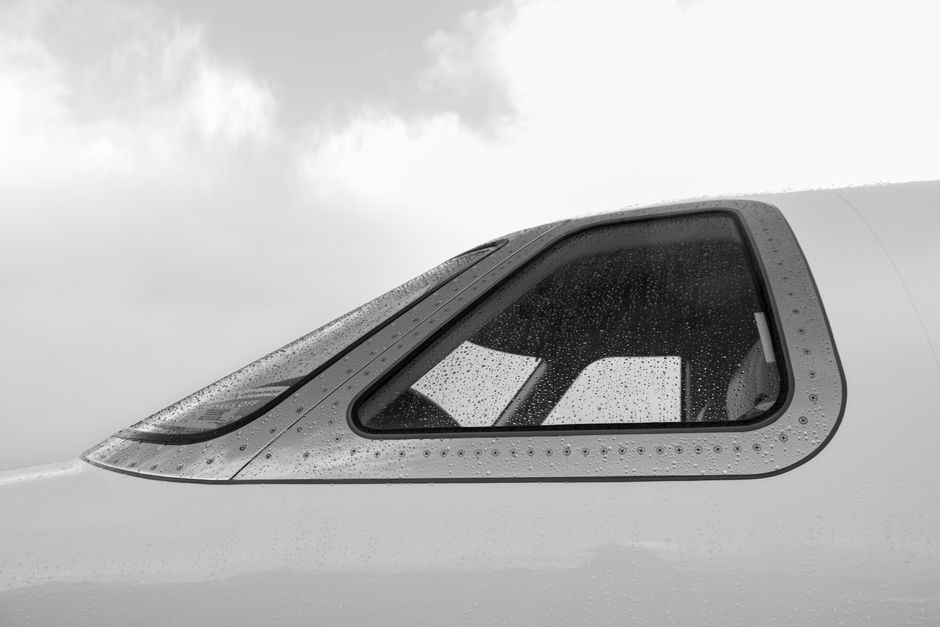
Table of Contents
- Key Takeaways
- The Surprising Truth About Airplane Windows Tiny Holes
- How Pressure Dynamics Work at Altitude
- Debunking Common Myths and Misconceptions
- Engineering Evolution and Aviation Safety
- Comparing Window Layers: Structure and Function
- Frequently Asked Questions
- Sources
Next time you settle into your airplane seat and gaze out the window, take a closer look. You'll notice something odd: a small, perfectly round hole at the bottom of the pane. It's easy to miss, but once you spot it, you can't help but wonder what it's doing there. Did you know that this tiny feature in airplane windows isn't a manufacturing defect or a crack waiting to happen? It's actually a critical safety component with a fascinating purpose that keeps passengers safe at 35,000 feet.
The truth behind these mysterious holes reveals surprising engineering ingenuity. Most travelers never think twice about the windows they peer through during flights, but the science behind them tells an interesting story about pressure, redundancy, and clever design.
Key Takeaways
- Airplane windows contain three separate layers of acrylic, each serving a distinct protective function during flight.
- The tiny hole, called a breather hole or bleed hole, regulates air pressure between window panes and prevents catastrophic failure.
- This small opening ensures the outer pane bears most of the cabin pressurization load, protecting the inner panes as backups.
- Without these holes, moisture would accumulate between panes, causing fog that obscures passenger views and masks potential cracks.
- The engineering behind airplane windows represents decades of aviation safety improvements learned from real-world testing.
- These holes also prevent the middle pane from experiencing stress, extending the lifespan of the entire window assembly.
The Surprising Truth About Airplane Windows Tiny Holes
Aircraft windows aren't simple single panes of glass. They're sophisticated assemblies consisting of three separate layers, typically made from stretched acrylic rather than traditional glass. The outer pane faces the extreme conditions outside the aircraft—temperatures plunging to minus 60 degrees Fahrenheit and air pressure a fraction of what we experience on the ground. The middle pane contains that curious little hole. The inner pane is what you actually touch when you lean against the window during your flight.
This three-layer system creates a fail-safe design. If something damages the outer pane, the middle pane takes over. If both somehow fail, the inner pane still protects the cabin. It's redundancy at its finest, and that tiny hole makes the entire system work properly.
The breather hole's primary job is pressure regulation. Commercial aircraft fly at altitudes where the outside air pressure is dangerously low for human survival. Cabins are pressurized to simulate conditions at about 6,000 to 8,000 feet elevation—comfortable enough for passengers but still representing a significant pressure difference between inside and outside the aircraft. The outer pane must withstand this differential, and the breather hole ensures it does so alone, without forcing the middle pane to share the burden unnecessarily.
How Pressure Dynamics Work at Altitude
When an aircraft climbs to cruising altitude, the cabin pressure remains relatively high while external pressure drops dramatically. This creates an outward push on every surface of the aircraft, including windows. The pressure difference can exceed 8 pounds per square inch—multiply that across the surface area of a window, and you're talking about thousands of pounds of force.
The breather hole allows air to move between the passenger cabin and the space between the middle and outer panes. This equalizes pressure on both sides of the middle pane, meaning it experiences virtually no stress from pressurization. The outer pane handles the full load, exactly as engineers intended. Should the outer pane develop a crack or fail, the middle pane is ready to step in, fresh and unstressed.
This clever design also addresses a practical problem: condensation. Without the breather hole, the sealed space between panes would trap moisture. Temperature differences between the warm cabin and frigid exterior would cause water vapor to condense, fogging the window. Beyond obscuring the view, this fog would hide cracks or damage that maintenance crews need to spot during inspections. The breather hole allows slow air circulation that prevents moisture buildup.
Debunking Common Myths and Misconceptions
Some passengers worry that these holes represent weak points where air could escape. Not true. The hole is incredibly small—typically about 1.5 millimeters in diameter. Even if all three panes failed simultaneously (an extremely unlikely scenario given the redundant design), the hole's size would limit airflow to a rate that wouldn't cause rapid cabin depressurization. Modern aircraft have pressurization systems powerful enough to compensate for much larger leaks.
Another myth suggests the holes are drainage points for rain or ice. While they do allow minimal moisture management, that's not their primary function. The window assembly is sealed from external weather—the breather hole only connects the cabin to the inter-pane space, not to the outside environment.
Some travelers have wondered if these holes could become blocked, causing problems. Aircraft maintenance protocols include regular window inspections, and the holes are positioned at the bottom of the pane where debris is unlikely to accumulate. Even if one became partially blocked, the pressure equalization would simply occur more slowly, not catastrophically.
Engineering Evolution and Aviation Safety
The development of modern aircraft windows reflects decades of learning from both successes and failures. Early pressurized aircraft used different window designs, and engineers discovered through experience which configurations worked best. The de Havilland Comet, the world's first commercial jet airliner in the 1950s, suffered catastrophic failures partly due to window design issues—though not related to breather holes. Those incidents revolutionized how engineers approached aircraft window engineering.
Today's window assemblies benefit from extensive testing. Manufacturers subject prototypes to thousands of pressurization cycles, simulating years of flights in compressed timeframes. They test extreme temperature swings, impact resistance, and optical clarity. The humble breather hole emerged from this rigorous development process as an elegant solution to multiple challenges.
Materials science has also advanced. Modern aircraft windows use specially formulated acrylic that resists scratching, maintains clarity despite UV exposure, and handles thermal stress better than earlier materials. The outer pane is typically thicker and stronger than the inner panes, designed to be the primary structural element.
Comparing Window Layers: Structure and Function
| Window Layer | Primary Function | Pressure Load | Special Features |
|---|---|---|---|
| Outer Pane | Structural integrity and weather protection | Bears full cabin pressure differential | Thickest layer, exposed to exterior conditions |
| Middle Pane | Backup protection and fail-safe | Minimal (equalized via breather hole) | Contains the breather hole at bottom |
| Inner Pane | Passenger contact surface and final backup | Only if outer panes fail | Protects other panes from cabin damage |
Frequently Asked Questions
Could the breather hole cause the window to crack or shatter?
No. The breather hole actually prevents damage by ensuring the middle pane remains unstressed. The outer pane is engineered to handle the full pressure load, and the hole keeps that load from being distributed in ways that could cause unexpected failures. The hole is a safety feature, not a vulnerability.
Do all airplane windows have these tiny holes?
All modern commercial aircraft windows with multiple panes include breather holes in the middle pane. Cockpit windows use different designs with various pressure equalization methods, but the principle of managing pressure between layers remains the same. The specific implementation varies by aircraft manufacturer and model.
What happens if someone covers or blocks the breather hole?
Covering the hole would prevent proper pressure equalization, potentially causing the middle pane to experience stress it wasn't designed to handle. However, the hole's location at the window's bottom makes accidental blockage unlikely, and tampering with aircraft components is illegal. Maintenance crews regularly inspect windows to ensure all features function correctly.
Are airplane window holes related to those in phone cases or other devices?
Coincidentally, some phone case holes serve a similar pressure-equalization purpose, though the stakes are much lower. Sealed electronic devices can experience pressure changes during flights, and small vent holes prevent cases from trapping pressure that might affect touchscreen sensitivity or speaker function. The physics are similar, but aircraft windows operate under far more extreme conditions.