
By TrivBits, Staff Writer — Published October 17, 2026
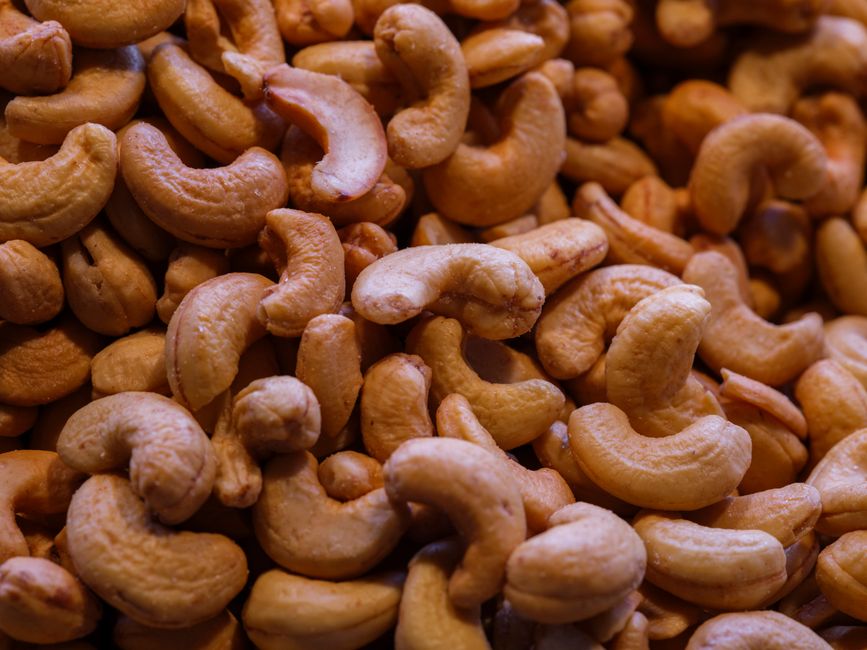
Table of Contents
- Key Takeaways
- The Surprising Chemistry Behind Shocking Cashew Poison
- Why “Raw” Cashews Aren’t Actually Raw
- The Seven Shocking Facts About Cashew Nut Poison
- The Global Cashew Industry and Worker Safety
- Myths vs. Truths About Cashew Toxicity
- Frequently Asked Questions
- Sources
Did you know that the cashew nuts you casually snack on could be deadly if consumed straight from the tree? The surprising truth about cashew poison is one of nature’s best-kept secrets. Unlike most nuts you can eat raw, cashews harbor a toxic substance that makes them dangerous until properly processed. This shocking cashew poison fact transforms these seemingly innocent nuts into a fascinating study of food safety and agricultural chemistry.
What makes cashews so different from almonds, walnuts, or pecans? The answer lies in their unique botanical structure and the caustic compounds they contain. Let’s explore the unknown truths about these popular nuts.
Key Takeaways
- Raw cashews contain urushiol, the same toxin found in poison ivy, making them unsafe to eat without processing
- The “raw” cashews sold in stores have actually been heat-treated to remove toxic compounds
- Cashew shell oil is highly caustic and can cause severe skin burns during harvesting
- Processing cashews is dangerous work that requires protective equipment and careful handling
- The cashew nut grows outside its fruit in a unique botanical arrangement found in few other plants
- Traditional roasting methods expose workers to toxic fumes without proper ventilation
The Surprising Chemistry Behind Shocking Cashew Poison
Cashew nuts grow encased in a double shell that contains anacardic acid and cardol, both members of the urushiol family. Sound familiar? Urushiol is the notorious allergen in poison ivy, poison oak, and poison sumac that causes those unbearable, blistering rashes. In cashews, these compounds serve as the tree’s natural defense mechanism against pests and predators.
The concentration of these toxins is no joke. The cashew shell liquid can contain up to 25% anacardic acid by weight. When this oil contacts skin, it triggers an allergic reaction in most people, causing painful blisters, swelling, and dermatitis. Ingesting these compounds can cause even more severe reactions, including mouth and throat blistering, gastrointestinal distress, and in extreme cases, more serious medical complications.
What’s particularly interesting is that heat breaks down these toxic compounds. This is why roasting is not just a flavor preference—it’s a critical safety step. The process transforms dangerous cashews into the safe, creamy nuts we enjoy.
Why “Raw” Cashews Aren’t Actually Raw
Here’s a trivia gem that surprises most people: those “raw” cashews at health food stores? They’ve been cooked. True raw cashews are never sold to consumers because they’re genuinely hazardous.
Commercial cashew processors use either steaming or roasting to neutralize the toxins before the nuts reach store shelves. Steam-processed cashews can legally be labeled “raw” in many jurisdictions, even though they’ve been heated to temperatures around 200°F (93°C). This semantic loophole confuses consumers who believe they’re eating truly unprocessed nuts.
Some processors use industrial roasting methods, while others employ oil baths or open-flame techniques. Each method effectively destroys the urushiol compounds, making the nuts safe. The choice of processing method affects flavor and texture, but safety remains the primary goal.
The Seven Shocking Facts About Cashew Nut Poison
1. Cashews Are Related to Poison Ivy Through Their Toxic Oil
The botanical connection between cashews and poison ivy isn’t coincidental—they’re both members of the Anacardiaceae family. This plant family shares the trait of producing urushiol-based defensive compounds. Mangoes and pistachios are also distant relatives, which explains why some people allergic to cashews also react to mango skin. The evolutionary advantage is clear: animals learn quickly to avoid plants that cause painful reactions, protecting the seeds for proper dispersal.
2. Harvesting Cashews Can Cause Severe Chemical Burns
Cashew processing workers, primarily in tropical countries like India, Vietnam, and Africa, face significant occupational hazards. The caustic shell oil can cause second-degree burns upon contact with skin. Historically, workers performed shelling by hand with minimal protection, leading to scarred, damaged hands. Even today, despite improved safety protocols in many facilities, the work remains hazardous. The toxic oil must be carefully removed before the inner nut is extracted, a process requiring skill and caution.
3. The Cashew “Nut” Is Actually a Seed
Botanically speaking, cashews aren’t true nuts at all—they’re seeds. They grow in a peculiar way that sets them apart from nearly every other food crop. The cashew seed hangs outside and below a fleshy, pear-shaped structure called the cashew apple. This fruit is edible and popular in cashew-growing regions, often made into juice, jam, or fermented beverages. But the Western world largely ignores it because it spoils within 24 hours of harvesting, making export impractical.
4. Ancient Roasting Methods Created Toxic Smoke
Traditional cashew processing involved roasting the nuts in their shells over open fires. This method released urushiol-laden smoke that could cause respiratory irritation, eye damage, and skin reactions in anyone nearby. Workers would often develop chronic respiratory issues from repeated exposure. Modern facilities use enclosed roasting systems with proper ventilation, but small-scale processors in some regions still use traditional methods, putting workers at risk from toxic fumes.
5. Even Touching Raw Cashew Shells Can Trigger Allergic Reactions
You don’t need to eat raw cashews to experience their toxic effects. Simply handling unprocessed cashew shells can cause dermatitis in sensitive individuals. The reaction can appear hours after contact and may spread beyond the initial contact area. This delayed reaction mirrors poison ivy exposure, often catching people off-guard. Some individuals are so sensitive that even minimal exposure causes severe blistering and swelling requiring medical treatment.
6. Cashew Shell Liquid Has Industrial Applications
Despite its toxicity, cashew nut shell liquid (CNSL) is valuable. Industries use it to manufacture resins, friction materials for brake pads, paints, and varnishes. The same caustic properties that make it dangerous also make it useful as a raw material for polymer production. Extracting and refining CNSL has become a profitable side industry for cashew processors, turning a hazardous byproduct into a valuable commodity. This dual nature—toxic yet useful—makes cashews economically important beyond just food production.
7. Different Processing Methods Create Different Safety Profiles
Not all cashew processing is equal. High-temperature roasting most effectively destroys urushiol compounds, while lower-temperature steaming may leave trace amounts. However, even steam-processed cashews are safe for consumption because the remaining compounds are below harmful thresholds. Cold-pressed extraction methods for removing shells are safer for workers but require specialized equipment. The processing method also affects the final product’s nutritional profile, with gentler methods preserving more heat-sensitive vitamins and enzymes.
The Global Cashew Industry and Worker Safety
Cashew processing employs millions of workers worldwide, predominantly women in developing countries. The industry has faced criticism for poor working conditions and inadequate safety measures. Many facilities have improved ventilation, provided protective gloves and equipment, and implemented better training programs. However, enforcement varies widely by region and company.
Fair trade and ethically sourced cashew certifications have emerged to address these concerns. These programs audit processing facilities for worker safety, fair wages, and proper handling of toxic materials. Consumers increasingly seek out these certified products, driving industry-wide improvements.
| Processing Method | Temperature | Toxin Removal | Worker Risk |
|---|---|---|---|
| Steam Processing | 190-210°F | Effective | Moderate |
| Dry Roasting | 320-350°F | Very Effective | Low (enclosed systems) |
| Oil Bath | 375-400°F | Very Effective | Moderate |
| Open Fire (traditional) | Variable | Effective but inconsistent | High |
Myths vs. Truths About Cashew Toxicity
Several misconceptions circulate about cashew safety. One common myth suggests that soaking raw cashews removes the toxins. This is false—water cannot dissolve urushiol compounds. Only heat treatment effectively neutralizes them.
Another myth claims that organic or wild cashews are safe to eat raw. Organic certification relates to growing practices, not toxicity. All cashews, regardless of how they’re grown, contain the same natural defensive compounds until processed.
Some people believe that gradually exposing themselves to raw cashews will build immunity, similar to allergy shots. This is dangerous misinformation. Unlike controlled medical desensitization, consuming raw cashews can cause severe reactions and offers no protective benefit.
Frequently Asked Questions
Can you ever safely eat truly raw, unprocessed cashews?
No, you should never eat cashews that haven’t been heat-treated. The urushiol compounds in raw cashew shells can cause serious allergic reactions, mouth blistering, and digestive problems. All cashews sold for human consumption have undergone processing to remove these toxins, even those labeled as “raw.”
Why don’t other nuts have this poison problem?
Most tree nuts like almonds, walnuts, and pecans don’t contain urushiol or similar toxic compounds in concentrations that pose health risks. Cashews’ unique position in the Anacardiaceae family gives them this defensive chemistry. Each plant species evolved different strategies for seed protection, and cashews happened to develop particularly effective—and toxic—chemical defenses.
How do cashew farmers protect themselves during harvest?
Modern cashew operations provide workers with protective gloves, long sleeves, and sometimes face shields when handling raw cashews. Proper training emphasizes avoiding shell oil contact. However, protection standards vary significantly worldwide, with smaller operations in remote areas sometimes lacking adequate safety equipment.
Is cashew allergy related to the urushiol in unprocessed nuts?
No, cashew allergies are typically reactions to the proteins in the processed nut itself, not to urushiol (which is removed during processing). People with true cashew allergies react to roasted cashews just as severely as they would to any other form. This is separate from the toxic reaction that unprocessed cashews would cause in anyone, allergic or not.
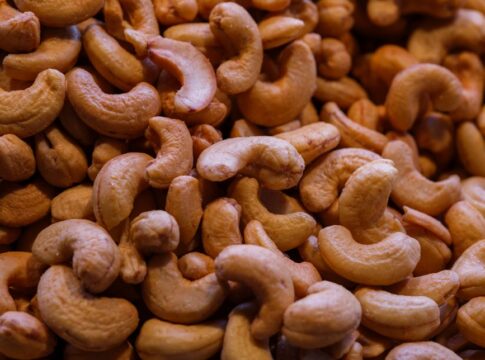
The next time you reach for a handful of cashews, you’ll know the remarkable journey they’ve taken from toxic seed to safe snack. These kidney-shaped nuts carry one of nature’s most surprising contradictions—delicious and nutritious when properly prepared, yet genuinely dangerous in their natural state. It’s a reminder that the foods we take for granted often have fascinating, hidden stories waiting to be discovered.