

By TrivBits, Staff Writer — Published October 14, 2026
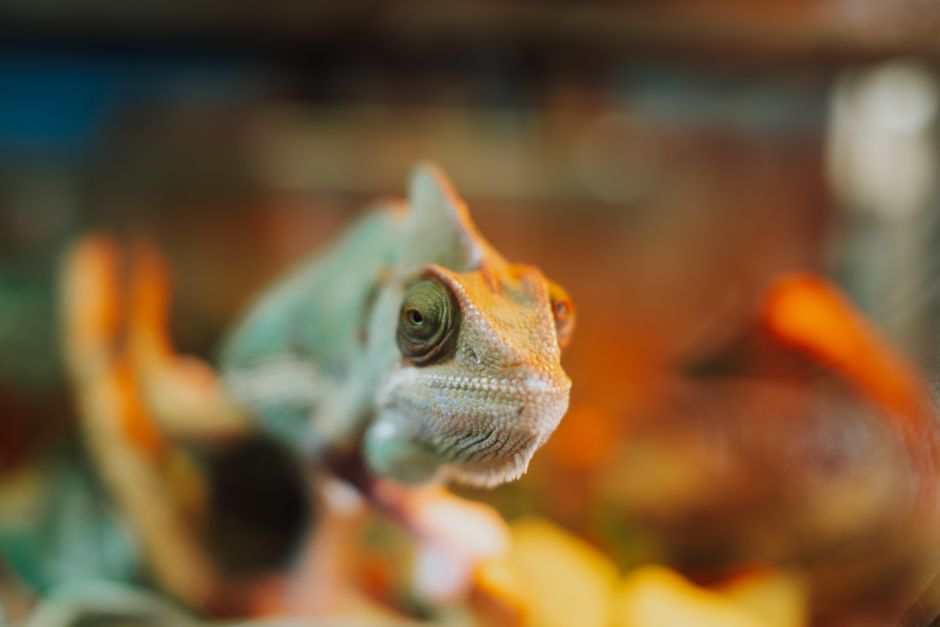
Table of Contents
- Key Takeaways
- How Chameleons Change Color: The Science Behind the Spectrum
- The Real Reasons Chameleons Change Color
- Busting the Camouflage Myth: Unknown Truths
- Species Variations: A Colorful Comparison
- What Color Changes Reveal About Chameleon Behavior
- Frequently Asked Questions
- Sources
For decades, popular culture has painted chameleons as master camouflage artists, seamlessly blending into their surroundings to avoid predators. It’s a compelling image. But here’s a surprising truth: chameleons change color primarily to communicate emotions, regulate body temperature, and signal social status—not to hide. This fascinating ability stems from specialized skin cells that respond to mood shifts and environmental factors, making these reptiles living mood rings rather than nature’s invisibility cloaks.
The myth that chameleons are camouflage experts has persisted for generations, but science tells a different story. Understanding why chameleons actually change color reveals one of nature’s most interesting communication systems.
Key Takeaways
- Chameleons change color primarily for communication, temperature regulation, and displaying mood—not for camouflage against predators.
- Specialized skin cells called chromatophores contain pigments and nanocrystals that reflect different wavelengths of light based on the chameleon’s emotional state.
- Color changes signal territorial disputes, mating readiness, stress levels, and social dominance among chameleons.
- Most chameleon species cannot match complex backgrounds and instead shift between species-specific color palettes.
- Temperature affects color changes, with darker shades absorbing more heat and lighter tones reflecting sunlight.
- The speed of color transformation varies by species but typically occurs within 20 seconds to several minutes.
How Chameleons Change Color: The Science Behind the Spectrum
Did you know that chameleons possess one of the most sophisticated skin structures in the animal kingdom? Their color-changing ability relies on multiple layers of specialized cells beneath the skin’s surface. The outermost layer contains chromatophores filled with yellow and red pigments. Below that sit cells called iridophores, which contain nanocrystals that reflect blue and white light.
Here’s where it gets truly interesting. When a chameleon experiences an emotional shift—anger, fear, excitement, or contentment—its nervous system triggers these skin cells to expand or contract. As the spacing between nanocrystals changes, different wavelengths of light reflect back to our eyes. Relaxed chameleons have tightly packed crystals reflecting blue and green. Excited or aggressive chameleons? Their crystals spread apart, reflecting longer wavelengths like yellow, orange, and red.
The deepest skin layer contains melanophores with dark brown pigment. These cells act like a backdrop, intensifying or muting the colors produced by upper layers. It’s a biological light show controlled entirely by emotion and physiology.
The Real Reasons Chameleons Change Color
Camouflage ranks surprisingly low on the list of reasons chameleons transform their appearance. So what actually drives these chromatic shifts?
Communication and Social Signaling: Male chameleons display bright, bold colors during territorial disputes or when courting females. A vibrant display signals strength and dominance. Submissive males show dull browns and grays, essentially waving a white flag. Females use color to communicate reproductive status—often darkening with aggressive patterns when pregnant or uninterested in mating.
Temperature Regulation: Chameleons are ectothermic, meaning they rely on external heat sources. Cold chameleons darken their skin to absorb more sunlight and warm up quickly. Once they’ve reached optimal body temperature, they shift to lighter shades that reflect excess heat. This thermoregulatory function helps them maintain metabolic efficiency throughout the day.
Emotional Expression: Stress, fear, and agitation trigger dramatic color changes. A frightened chameleon might display dark spots or stripes. An angry chameleon? Expect intense reds and yellows. These aren’t conscious decisions—they’re involuntary responses similar to humans blushing when embarrassed.
Busting the Camouflage Myth: Unknown Truths
The persistent belief that chameleons are camouflage masters likely stems from their generally green or brown resting colors, which do happen to match their arboreal habitats. But this is coincidental. Most chameleon species cannot mimic complex patterns like tree bark, leaves with intricate veining, or multi-colored backgrounds.
Research has shown that chameleons are actually quite visible to their natural predators, including birds and snakes. Their primary defense isn’t invisibility—it’s remaining motionless. Chameleons rely on slow, deliberate movements and their ability to stay perfectly still for extended periods. When they do change color, it’s typically to become more conspicuous, not less.
Some species are better at background matching than others, but even these individuals shift colors based on mood far more frequently than on their surroundings. The veiled chameleon, for instance, displays vibrant blues and yellows when excited—hardly inconspicuous against green foliage.
Species Variations: A Colorful Comparison
| Chameleon Species | Color Range | Primary Color Change Triggers |
|---|---|---|
| Panther Chameleon | Blue, red, orange, green, yellow | Mating displays, territorial aggression |
| Veiled Chameleon | Green, yellow, brown, blue spots | Temperature regulation, stress response |
| Jackson’s Chameleon | Green, yellow, blue-green | Social hierarchy, mood shifts |
| Pygmy Chameleon | Brown, gray, subtle green | Limited range; primarily temperature |
What Color Changes Reveal About Chameleon Behavior
Observing color patterns can tell you exactly what a chameleon is experiencing. Bright, saturated colors typically indicate excitement, aggression, or courtship behavior. Pale, washed-out tones suggest submission, illness, or stress. Dark, muted colors often appear during sleep or when the chameleon is cold.
Interestingly, chameleons can display different colors on different body parts simultaneously. A male might show aggressive red and yellow on the side facing a rival while keeping his opposite side neutral green. This selective display demonstrates remarkable control over their color-changing apparatus.
The speed of transformation also varies. Some species can shift from green to yellow in roughly 20 seconds when threatened. More subtle mood changes might take several minutes to fully manifest across the entire body.
Frequently Asked Questions
Can chameleons change to any color?
No. Each chameleon species has a specific palette determined by their chromatophore structure and available pigments. They cannot turn purple, hot pink, or match a plaid shirt. Their color range is limited to combinations of pigments they naturally produce—typically greens, browns, yellows, blues, reds, and oranges in species-specific patterns.
Do chameleons change color when they sleep?
Yes, sleeping chameleons often display pale, washed-out colors quite different from their daytime appearance. This nighttime coloration reflects their relaxed, inactive state. Some species show distinctive sleeping patterns, making them more visible at night—further evidence that camouflage isn’t their primary concern.
How fast can a chameleon change color?
The speed varies by species and the intensity of the stimulus. Rapid emotional responses like fear or aggression can trigger visible changes within 20 to 30 seconds. Complete transformations across the entire body typically take a few minutes. Gradual mood shifts or temperature adjustments may unfold over 10 to 20 minutes.
Are baby chameleons born with color-changing abilities?
Young chameleons possess the chromatophore structure from birth, but their color-changing ability develops and intensifies as they mature. Hatchlings typically display more limited color ranges than adults and develop fuller chromatic capabilities as they reach sexual maturity and begin engaging in territorial and mating behaviors.
The next time you see a chameleon shifting from emerald green to sunshine yellow, remember you’re witnessing emotional expression, not a disappearing act. These remarkable reptiles wear their feelings on the outside, creating a visual language that’s both beautiful and scientifically fascinating. Who knew that one of nature’s most colorful myths would lead to an even more interesting truth?