
By TrivBits, Staff Writer — Published September 2, 2026
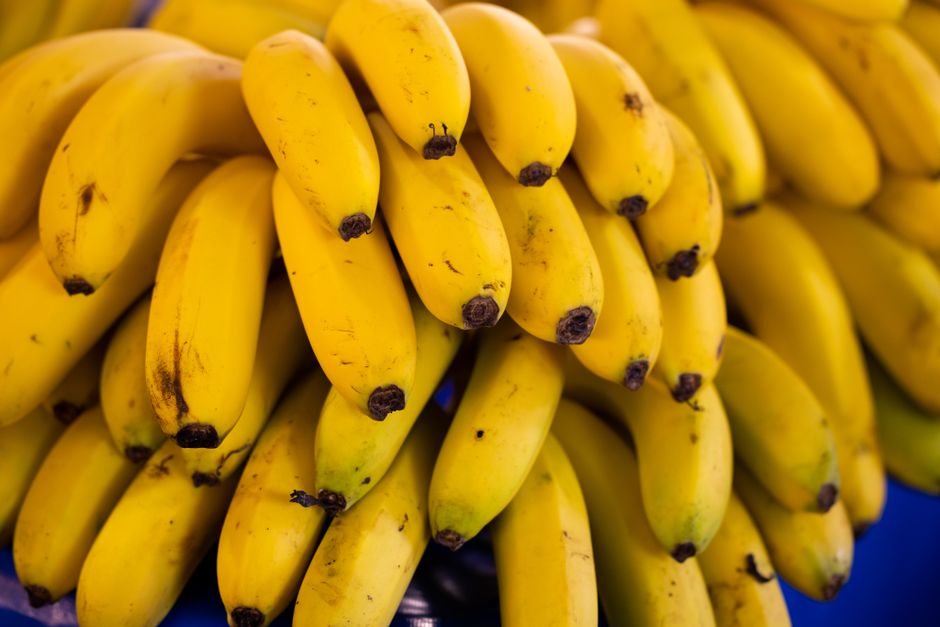
Table of Contents
- Key Takeaways
- Understanding Natural Radioactivity in Bananas Radioactive Potassium
- 1. The Banana Equivalent Dose Is a Real Scientific Concept
- 2. You’d Need to Eat 10 Million Bananas at Once for Radiation Poisoning
- 3. Your Body Maintains Constant Potassium Levels
- 4. Many Foods Are More Radioactive Than Bananas
- 5. Potassium-40 Has Been Radioactive for Billions of Years
- 6. Banana Shipments Can Trigger Radiation Detectors
- 7. Human Bodies Are Also Naturally Radioactive
- Frequently Asked Questions
- Sources
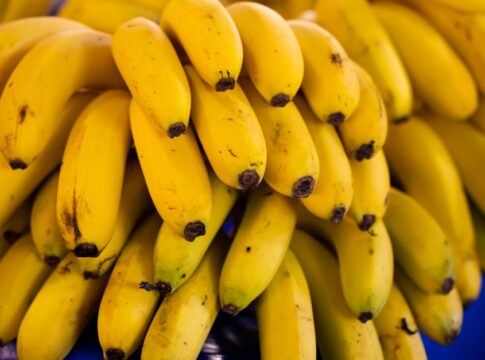
Did you know that your breakfast banana is actually radioactive? Before you panic and swear off fruit forever, here’s the surprising truth: bananas radioactive potassium content is completely natural and harmless. This interesting bit of trivia has sparked countless myths and misconceptions about radiation in everyday foods. The reality is far more fascinating than frightening.
Every banana contains a small amount of radioactive isotopes, making them one of the most well-known naturally radioactive foods we consume regularly. But what does this really mean for your health, and why do scientists actually use bananas as a unit of radiation measurement?
Key Takeaways
- Bananas contain potassium-40, a naturally occurring radioactive isotope that makes them measurably radioactive
- The radiation from bananas is so minimal that you would need to eat millions in one sitting to experience any harmful effects
- Scientists use the “Banana Equivalent Dose” as an informal way to explain radiation exposure to the public
- Your body naturally regulates potassium levels, preventing radioactive accumulation from bananas
- Many common foods contain similar or higher levels of natural radioactivity than bananas
- The radioactive potassium in bananas is actually essential for human life and normal body functions
Understanding Natural Radioactivity in Bananas Radioactive Potassium
Radiation isn’t always a man-made phenomenon. Natural radioactivity surrounds us constantly, from cosmic rays bombarding Earth to radioactive elements in soil and rocks. Bananas happen to be particularly rich in potassium, and about 0.01% of all naturally occurring potassium is the radioactive isotope potassium-40.
This isotope has a half-life of roughly 1.25 billion years. When it decays, it releases a tiny amount of radiation in the form of beta particles and gamma rays. A typical banana contains about 450 milligrams of potassium, which means approximately 15 becquerels of radioactivity—a becquerel being one radioactive decay per second. That’s an incredibly small amount.
Your body needs potassium to function. Hearts beat, muscles contract, and nerves fire electrical signals all thanks to potassium. The fact that a tiny fraction of this essential element is radioactive is simply a quirk of nature, not a health hazard.
1. The Banana Equivalent Dose Is a Real Scientific Concept
Scientists Created a Banana-Based Radiation Scale
Nuclear physicists and radiation safety experts face a constant challenge: explaining radiation exposure to people who lack technical backgrounds. Enter the Banana Equivalent Dose, or BED. This informal measurement unit compares radiation exposure to eating one banana, which delivers about 0.1 microsieverts of radiation dose.
The concept helps put scary-sounding radiation numbers into perspective. A chest X-ray? That’s about 100 bananas. A cross-country flight exposes you to roughly 400 banana equivalents. While not used in formal scientific papers, the BED has become a popular educational tool for science communicators.
2. You’d Need to Eat 10 Million Bananas at Once for Radiation Poisoning
The Deadly Dose Is Impossibly High
Here’s where the trivia gets truly mind-boggling. To receive a fatal radiation dose from bananas alone, you would need to eat approximately 10 million bananas in one sitting. That’s roughly 2,000 tons of fruit.
Long before radiation became a problem, you’d face far more immediate dangers. The potassium from that many bananas would cause fatal hyperkalemia, stopping your heart. The sheer volume would cause your stomach to rupture. You’d probably slip on all those peels and suffer a fatal injury first. The radiation is literally the least of your worries in this absurd scenario.
3. Your Body Maintains Constant Potassium Levels
Homeostasis Prevents Radioactive Buildup
One crucial fact often missing from banana radiation discussions: your body tightly regulates potassium concentration through homeostasis. When you eat a banana, you don’t simply add more potassium to your system indefinitely.
Your kidneys work constantly to maintain equilibrium. Extra potassium gets excreted in urine. This means eating more bananas doesn’t increase your body’s total radioactivity—it just replaces existing potassium. The radioactive potassium-40 in your body remains relatively constant at about 4,000 becquerels, regardless of your banana consumption habits.
4. Many Foods Are More Radioactive Than Bananas
Bananas Aren’t Special in the Radioactive Food World
Bananas get all the attention, but they’re far from the most radioactive food. Brazil nuts contain radium and can be up to 1,000 times more radioactive than bananas. Lima beans, potatoes, carrots, and red meat all contain measurable radioactivity.
| Food Item | Approximate Radioactivity (Becquerels per kg) | Primary Isotope |
|---|---|---|
| Brazil Nuts | 4,000-7,000 | Radium-226 |
| Bananas | 130 | Potassium-40 |
| Potatoes | 125 | Potassium-40 |
| Carrots | 80 | Potassium-40 |
| Red Meat | 50 | Potassium-40 |
Even drinking water contains traces of radioactive elements. Coffee, tea, and beer all register measurable radioactivity. We live in a naturally radioactive world, and our bodies evolved to handle these background levels without issue.
5. Potassium-40 Has Been Radioactive for Billions of Years
This Isotope Is Older Than Earth Itself
The potassium-40 in your banana formed in the heart of dying stars billions of years ago. When massive stars exploded as supernovae, they scattered heavy elements across space, including radioactive isotopes. These elements eventually coalesced into our solar system.
Because potassium-40 has such a long half-life, a significant amount remains today. Scientists actually use this isotope for potassium-argon dating, a method to determine the age of rocks and fossils. The same radioactive element that makes your banana measurably radioactive also helps us understand Earth’s ancient history.
6. Banana Shipments Can Trigger Radiation Detectors
Ports and Borders Monitor for Radioactive Materials
Here’s an unknown fact that surprises most people: large shipments of bananas occasionally trigger radiation alarms at ports and border crossings. Security systems designed to detect smuggled radioactive materials are sensitive enough to pick up the collective radiation from thousands of bananas in a shipping container.
Customs officials and security personnel are trained to recognize these false alarms. Bananas, along with other naturally radioactive cargo like cat litter (which often contains clay with radioactive elements) and granite countertops, appear on lists of innocent items that might set off detectors. It’s a reminder of just how sensitive modern radiation detection equipment has become.
7. Human Bodies Are Also Naturally Radioactive
You’re More Radioactive Than a Single Banana
Perhaps the most mind-blowing truth: you are radioactive. The average human body contains about 140 grams of potassium at any given time, which means roughly 4,000 becquerels of radioactivity from potassium-40 alone. That’s equivalent to about 30 bananas worth of radiation.
You also contain radioactive carbon-14, which forms in the atmosphere and enters your body through the food chain. Add in traces of other radioactive isotopes, and each human body serves as a low-level radiation source. Sleeping next to another person exposes you to slightly more radiation than sleeping alone. This natural radioactivity is completely normal and has been part of human existence since our species evolved.
Frequently Asked Questions
Can eating too many bananas actually harm you through radiation?
No, radiation from bananas cannot harm you in any realistic eating scenario. Your body regulates potassium levels, preventing accumulation. You’d face fatal potassium poisoning or physical impossibility long before radiation became dangerous. The radiation dose from even dozens of bananas daily remains negligible.
Why are bananas more famous for being radioactive than other foods?
Bananas became the poster child for food radioactivity largely due to the Banana Equivalent Dose concept, which science educators popularized. They’re widely consumed, easily recognized, and have just enough radioactivity to be measurable but obviously harmless. This combination makes them perfect for teaching about radiation without causing alarm.
Does cooking or freezing bananas reduce their radioactivity?
No, cooking or freezing has no effect on radioactivity. Radioactive decay is a nuclear process, not a chemical one. Temperature, pressure, and chemical reactions don’t change how quickly potassium-40 decays. The only thing that reduces radioactivity is time—and with a half-life of 1.25 billion years, you’ll be waiting a while.
Are organic bananas less radioactive than conventional ones?
Organic and conventional bananas contain essentially identical amounts of radioactive potassium. Radioactivity in bananas comes from naturally occurring potassium-40 in the soil, which all banana plants absorb regardless of farming method. Growing practices don’t affect the natural isotope ratio of potassium.