
By TrivBits, Staff Writer — Published November 14, 2026
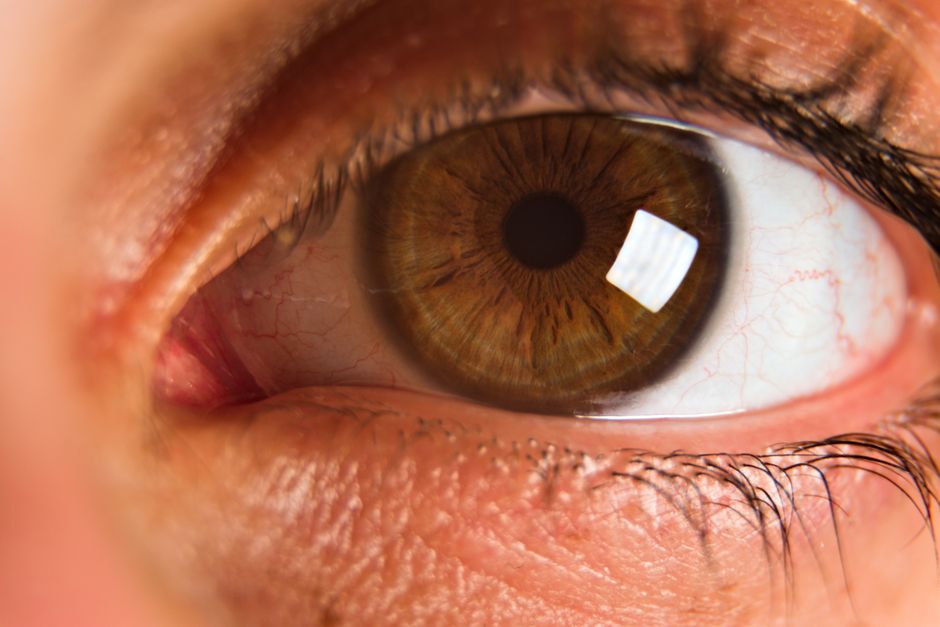
Table of Contents
- Key Takeaways
- Why the Cornea Gets Oxygen Differently Than Other Tissues
- The Science Behind Corneal Oxygen Absorption
- What Happens When You Block Oxygen to the Cornea
- Myths and Truths About Corneal Oxygen
- Comparing Oxygen Delivery Systems in the Eye
- Frequently Asked Questions
- Sources
Every breath you take doesn’t just fill your lungs with oxygen—it also feeds your eyes. Here’s a surprising fact: the cornea, that clear dome covering the front of your eye, gets its oxygen directly from the air around you, not from blood vessels like nearly every other part of your body. This interesting quirk of human anatomy is one of the most fascinating truths about how our eyes work, yet it remains relatively unknown to most people. Did you know that this is precisely why your cornea stays crystal clear?
Understanding how the cornea gets oxygen reveals an elegant biological solution to a tricky engineering problem: how to create a transparent window for light while still keeping living tissue alive and healthy.
Key Takeaways
- The cornea absorbs oxygen directly from the atmosphere through its outer surface, making it unique among body tissues.
- Blood vessels would scatter light and ruin the cornea’s transparency, so evolution found a different solution for oxygen delivery.
- When you sleep, your closed eyelids reduce oxygen supply to the cornea, which is why some contact lens wearers experience complications.
- Tears and the aqueous humor (fluid inside the eye) also contribute small amounts of dissolved oxygen to corneal cells.
- The cornea’s oxygen needs are relatively modest compared to other tissues, making this airborne delivery system viable.
- This oxygen-from-air mechanism explains why certain eye conditions and contact lens designs matter so much for corneal health.
Why the Cornea Gets Oxygen Differently Than Other Tissues
Most of your body relies on an intricate network of blood vessels to deliver oxygen. Your heart pumps oxygenated blood through arteries, which branch into smaller arterioles, then into tiny capillaries that reach nearly every cell. But the cornea breaks this rule spectacularly.
The reason is simple: transparency. Blood vessels are opaque. Even the tiniest capillaries would scatter and absorb light, turning your cornea from a clear window into a frosted one. You’d see the world through a permanent haze. Vision depends on light passing through the cornea unobstructed, focusing precisely on the retina at the back of your eye.
So evolution found a workaround. The cornea is avascular—it contains no blood vessels at all. Instead, it developed the ability to pull oxygen directly from the air in front of it. The outermost layer, called the epithelium, absorbs atmospheric oxygen through diffusion. Simple, elegant, effective.
This arrangement works because the cornea is thin, only about half a millimeter thick. Oxygen can diffuse through this distance efficiently enough to reach all the corneal cells that need it. The metabolic demands of corneal tissue are also relatively low compared to, say, muscle or brain tissue, so the oxygen supply from air suffices.
The Science Behind Corneal Oxygen Absorption
Oxygen molecules in the air dissolve into the tear film coating your cornea. From there, they diffuse through the epithelial cells. The process continues inward through the stroma (the cornea’s thick middle layer) and reaches the innermost endothelium.
The tear film itself contains dissolved oxygen, acting as a reservoir. The aqueous humor—the clear fluid filling the space between the cornea and the lens—also provides some oxygen to the inner corneal layers. But the primary source remains atmospheric oxygen absorbed through the front surface.
Corneal cells have adapted to function efficiently with relatively low oxygen levels compared to other tissues. They can extract what they need from this diffusion-based system without requiring the high-pressure delivery system that blood vessels provide elsewhere in your body.
Temperature and humidity affect oxygen availability. The air you breathe varies in oxygen content based on altitude and environmental conditions, though normal variations rarely impact corneal health. What matters more is whether something blocks that oxygen from reaching the cornea’s surface.
What Happens When You Block Oxygen to the Cornea
Close your eyes and the oxygen supply drops. Your eyelids create a barrier between the cornea and the open air. During sleep, your cornea relies more heavily on oxygen dissolved in tears and the small amount that diffuses through the eyelid. Healthy eyes handle this nightly oxygen reduction without problems.
Contact lenses complicate the equation. Traditional soft contact lenses act as barriers, reducing the amount of oxygen reaching the corneal surface. Early contact lens materials were particularly problematic, essentially suffocating the cornea. Wearers experienced swelling, discomfort, and even damage to corneal cells.
This drove major innovations in contact lens technology. Modern lenses use highly oxygen-permeable materials, often silicone hydrogels, specifically designed to let oxygen pass through to the cornea. Some newer lenses allow enough oxygen transmission that they’re approved for overnight wear, though risks still exist.
Chronic oxygen deprivation to the cornea causes a condition called corneal neovascularization. Starved for oxygen, the cornea does something desperate: it grows blood vessels from the edges inward, trying to establish a conventional oxygen supply route. These vessels compromise corneal transparency and can permanently damage vision. The body’s backup plan becomes a problem itself.
Myths and Truths About Corneal Oxygen
One common myth suggests that spending time in oxygen-rich environments improves eye health. Not really. Your cornea already gets sufficient oxygen from normal air, which contains about 21% oxygen. Breathing pure oxygen or using oxygen treatments doesn’t significantly enhance corneal oxygenation in healthy eyes.
Another misconception is that eye drops can deliver oxygen to the cornea. While certain specialized solutions might contain dissolved oxygen, the primary benefit of most eye drops is maintaining moisture and tear film quality, which indirectly supports oxygen diffusion. The drops themselves aren’t oxygen delivery vehicles in any meaningful therapeutic sense.
Some people believe that the cornea “breathes” more when you’re awake and blinking. There’s truth here, but it’s nuanced. Blinking refreshes the tear film, which carries dissolved oxygen. Open eyes expose the cornea directly to air. Both factors increase oxygen availability compared to closed eyes during sleep.
The idea that carrots improve corneal oxygen absorption is pure fiction. While vitamin A (found in carrots) is important for overall eye health and retinal function, it doesn’t change how the cornea absorbs oxygen. That mechanism is purely physical, based on diffusion gradients.
Comparing Oxygen Delivery Systems in the Eye
| Eye Structure | Oxygen Source | Reason for Method |
|---|---|---|
| Cornea | Atmospheric air + tear film | Must remain transparent and avascular |
| Retina | Blood vessels (choroid layer) | High metabolic demands; transparency not required |
| Lens | Aqueous humor (minimal needs) | Must be transparent; very low metabolic rate |
| Sclera | Blood vessels | Structural layer; transparency not required |
Frequently Asked Questions
Can the cornea survive without any oxygen?
No, corneal cells require oxygen to survive and function. Complete oxygen deprivation would cause cell death and corneal damage. However, the cornea can tolerate lower oxygen levels than many other tissues, and it has some ability to temporarily adapt to reduced oxygen availability, such as during sleep.
Does wearing glasses affect how much oxygen reaches the cornea?
Regular eyeglasses don’t significantly impact corneal oxygen supply. They sit far enough from the eye surface that air circulates freely. Unlike contact lenses that sit directly on the cornea, glasses allow normal atmospheric oxygen to reach the eye without obstruction.
Why don’t other transparent parts of the body use this oxygen delivery method?
Very few body parts need to be both transparent and alive. The lens inside your eye is also avascular and transparent, but it has even lower metabolic needs than the cornea and relies on surrounding fluids. The cornea’s combination of transparency requirement, modest thickness, and accessibility to air makes its oxygen-from-atmosphere system uniquely viable.
Can you improve your cornea’s oxygen absorption?
In healthy eyes, the cornea already absorbs oxygen efficiently. The best way to support this process is maintaining good eye hygiene, following contact lens care instructions, taking breaks from lens wear, and keeping your eyes moist with blinking or artificial tears. Avoiding smoke and irritants also helps preserve the tear film quality that facilitates oxygen diffusion.