
By TrivBits, Staff Writer — Published November 23, 2026
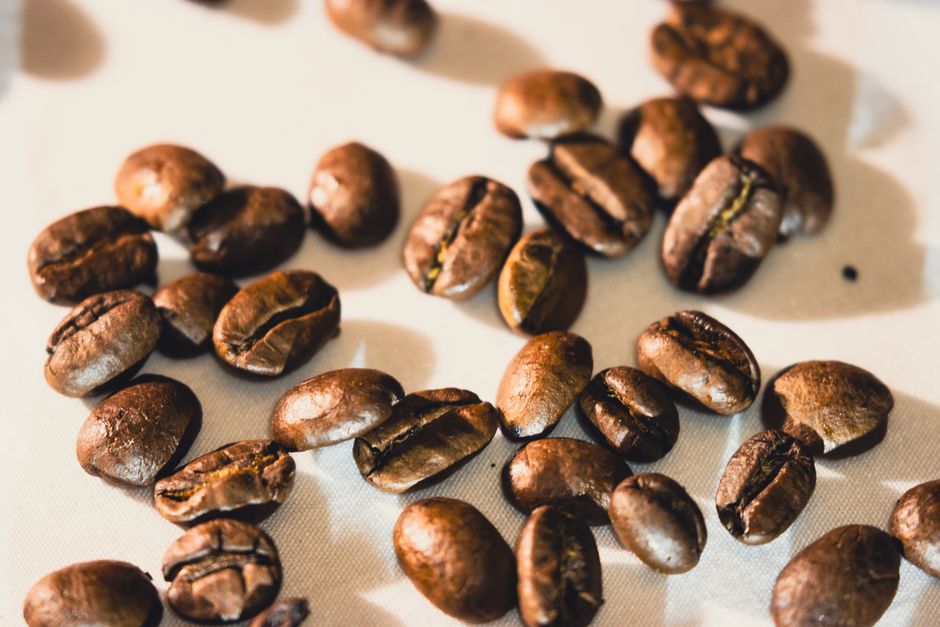
Table of Contents
- Key Takeaways
- The Coffee Beans Line: A Tale of Two Seeds
- When Coffee Breaks the Pattern: The Peaberry Exception
- What the Groove Reveals About Coffee Processing
- Myths and Truths About the Center Crease
- From Cherry to Cup: Following the Line
- Frequently Asked Questions
- Sources
Every coffee lover has noticed it. That distinctive groove running down the center of every coffee bean. The coffee beans line isn’t just a random quirk of nature—it’s a fascinating window into the biology of one of the world’s most beloved beverages. Did you know this small detail reveals the secret life of coffee before it ever reaches your cup?
The truth behind this interesting feature combines botany, agriculture, and a surprising twist about how coffee actually grows. Let’s explore the facts, bust some myths, and uncover the unknown story written on every bean.
Key Takeaways
- The line down the middle of a coffee bean is called the center cut or center crease, formed where two seeds press against each other inside a coffee cherry.
- Coffee cherries typically contain two seeds (beans) that develop face-to-face, creating the characteristic flat side with the groove.
- Roughly 5-10% of coffee cherries produce only one round bean called a peaberry, which lacks the typical center line.
- The groove isn’t a defect—it’s evidence of the bean’s natural development inside the fruit of the coffee plant.
- Understanding this feature helps explain why coffee processing methods matter so much to final flavor.
The Coffee Beans Line: A Tale of Two Seeds
Coffee isn’t actually a bean at all. It’s a seed. Each bright red or yellow coffee cherry that grows on Coffea plants contains not one but typically two seeds nestled inside. These seeds develop side by side, pressed tightly together like twins sharing a cramped space.
As they grow, each seed develops a flat side where it touches its sibling. That’s where the line forms. Think of it as a natural seam—the place where the two seeds met during their development. The outer side of each seed remains rounded and convex, while the inner side stays flat with that telltale groove running from top to bottom.
The coffee cherry itself has layers. The outer skin (exocarp) protects a sweet, sticky pulp (mesocarp). Beneath that lies a papery layer called parchment (endocarp). Inside this protective packaging, the two seeds rest in their face-to-face position. When processors remove all these layers, what remains are the green coffee beans we recognize—complete with their signature center crease.
When Coffee Breaks the Pattern: The Peaberry Exception
Nature loves exceptions. In roughly 5-10% of coffee cherries, only one seed develops. Without a twin to press against, this solo seed grows round instead of flat. Coffee farmers call these mutations peaberries.
Peaberries lack the center line entirely. They’re smooth, oval, and symmetrical. Some coffee enthusiasts claim peaberries taste different—perhaps because the single seed receives all the nutrients that would normally be shared between two. Others argue any flavor difference comes from the fact that peaberries are typically sorted separately, creating a more uniform roast.
The trivia gets more interesting: peaberries are sometimes sold at premium prices, especially from regions like Tanzania and Hawaii. Whether they’re genuinely superior or simply rarer is a debate that continues among coffee professionals.
What the Groove Reveals About Coffee Processing
That center line isn’t just a botanical curiosity. It tells a story about how your coffee was processed. The groove can trap bits of the silver skin (a thin layer that clings to the bean) even after roasting. You’ve probably seen these papery flakes in your coffee grinder—they’re called chaff.
Different processing methods affect how clean that center cut appears. Washed coffees, where the fruit is removed mechanically and the beans are fermented in water, tend to have cleaner grooves. Natural or dry-processed coffees, where cherries dry intact before the fruit is removed, may retain more residue in the crease.
Roasters pay attention to the groove too. It affects how heat penetrates the bean during roasting. The crease can develop differently than the outer surface, sometimes appearing darker or lighter depending on roast level and technique. This is one reason why achieving an even roast requires skill and precise temperature control.
Myths and Truths About the Center Crease
Several myths circulate about the coffee beans line. Let’s separate fact from fiction with some surprising truths.
Myth: The line indicates quality or grade. Truth: All standard coffee beans have this feature. Quality depends on factors like growing conditions, processing, and storage—not the presence or appearance of the groove.
Myth: You should remove beans with prominent lines. Truth: A visible center cut is completely normal. Removing these beans would mean discarding your entire batch.
Myth: The line affects flavor directly. Truth: The groove itself doesn’t create flavor, though it can trap residue and affect how evenly a bean roasts, which indirectly influences taste.
Interesting fact: Some rare coffee varieties show slight variations in groove depth and shape. The Maragogipe variety, known for its unusually large beans, has a proportionally deeper center cut than standard arabica beans.
From Cherry to Cup: Following the Line
Understanding the center crease helps you appreciate coffee’s journey. When farmers harvest ripe cherries, those paired seeds are still hidden inside. The processing method chosen—washed, natural, honey, or another technique—determines how and when the seeds are separated from the fruit.
During hulling, machines remove the dried parchment layer, finally revealing the green coffee beans with their distinctive grooves. These green beans are sorted, graded, and shipped to roasters worldwide. The line remains visible through every step, a permanent reminder of the bean’s origin as half of a pair.
Even after roasting transforms the beans from green to brown (or dark brown), the groove persists. Grinding breaks the beans apart, but if you look closely at coarse grounds, you’ll still see fragments with that characteristic crease.
Frequently Asked Questions
Do all coffee beans have a line down the middle?
Nearly all coffee beans have a center crease, with the exception of peaberries. Since peaberries develop alone inside the cherry without a twin seed, they grow round and lack the flat side and groove. Standard beans, which account for about 90-95% of all coffee, always display the characteristic center line.
Is the line on coffee beans a sign of damage or defect?
No, the center crease is completely natural and normal. It forms during the bean’s development inside the coffee cherry when two seeds grow pressed together. Far from being a defect, this line is evidence of proper seed formation and is present in the highest quality specialty coffees.
Why do some coffee beans have deeper grooves than others?
Groove depth varies based on coffee variety, growing conditions, and processing methods. Larger bean varieties naturally have deeper creases. Additionally, how tightly the two seeds pressed together during growth and how the cherry dried during processing can affect the groove’s appearance. These variations are normal and don’t indicate quality differences.
Can you tell if coffee is arabica or robusta by looking at the line?
While both arabica and robusta beans have center creases, arabica beans typically have a more curved, wavy line while robusta beans often show a straighter groove. However, this distinction isn’t reliable for identification—bean shape, size, and overall appearance provide better clues, though definitive identification often requires tasting or laboratory analysis.