
By TrivBits, Staff Writer — Published November 25, 2026
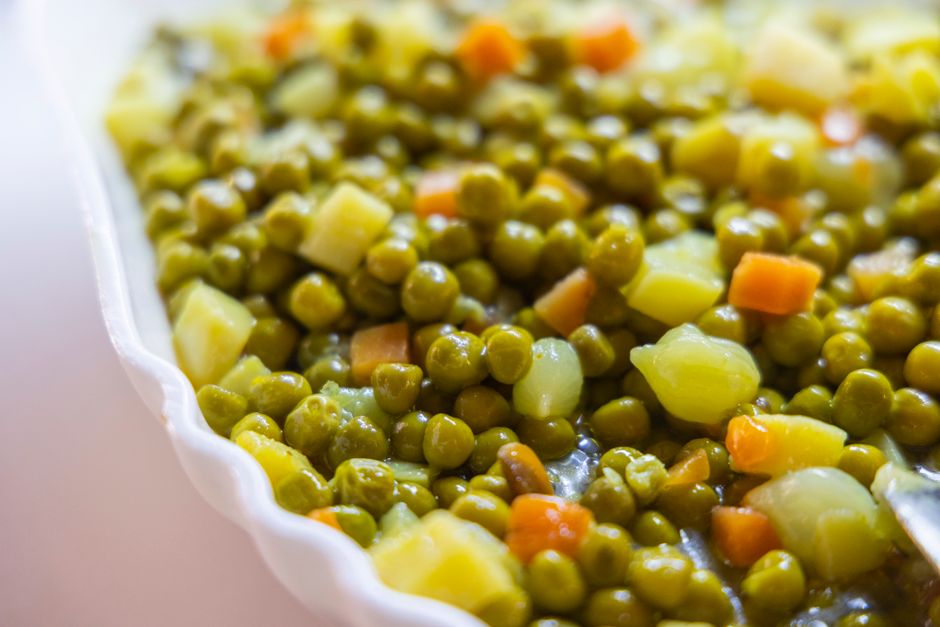
Table of Contents
- Key Takeaways
- Why Foods Change Color When Heated
- The Science of Color-Changing Foods
- Common Myths About Color Changes in Food
- Practical Tips for Managing Color Changes
- Frequently Asked Questions
- Sources
Ever wondered why shrimp turn pink or why red cabbage shifts to purple-blue when you boil it? The foods we cook every day undergo remarkable transformations, and these color changes aren’t just visual magic—they’re chemistry in action. Did you know that the same pigments responsible for autumn leaves also dictate how your vegetables behave in the pan? Understanding why foods change color when exposed to heat reveals surprising facts about the molecules that make up our meals.
These transformations have fascinated cooks and scientists alike for centuries. Some color shifts signal that food is safe to eat, while others are purely aesthetic. Let’s explore the interesting science behind seven common foods that undergo dramatic color changes in the kitchen.
Key Takeaways
- Heat denatures proteins in shellfish like shrimp and lobster, releasing hidden pigments that create their signature pink-red color.
- Red meat turns brown as myoglobin reacts with oxygen and heat, changing its molecular structure.
- Anthocyanins in red cabbage are pH-sensitive pigments that shift color based on acidity levels in cooking water.
- Egg whites transform from clear to opaque white as heat causes proteins to unfold and tangle together.
- Green vegetables lose their vibrant color when heat damages chlorophyll molecules and releases acids.
- Onions caramelize from white to golden brown through a complex series of chemical reactions involving sugars.
Why Foods Change Color When Heated
Color changes during cooking stem from chemical reactions triggered by heat. Proteins denature, pigments break down, and new compounds form. These aren’t random processes—they follow predictable patterns based on temperature, time, and the food’s chemical makeup.
The most common culprits behind color transformation are proteins, pigments, and sugars. Heat provides energy that breaks chemical bonds, allowing molecules to rearrange themselves. Sometimes this reveals hidden colors. Other times it creates entirely new pigments. The pH of your cooking environment matters too, especially with certain plant pigments that act like natural pH indicators.
The Science of Color-Changing Foods
1. Shrimp and Lobster: From Gray-Blue to Bright Pink
Raw shrimp appear translucent gray, while lobsters sport a mottled blue-green shell. Apply heat, and both turn a vibrant coral pink. The secret lies in astaxanthin, a reddish-orange carotenoid pigment bound to proteins called crustacyanins in the living animal. This protein complex twists the astaxanthin molecule, masking its natural red color and making it appear blue or gray.
When you cook shellfish, heat denatures these proteins. They unwind and release the astaxanthin, which snaps back to its natural configuration. Suddenly, the red pigment shines through. This same pigment, incidentally, is what makes flamingos pink—they consume it through their diet of shrimp and algae.
2. Red Meat: The Shift from Red to Brown
Fresh beef displays a deep red hue thanks to myoglobin, a protein that stores oxygen in muscle tissue. This protein contains an iron atom at its core, and the iron’s oxidation state determines the meat’s color. When exposed to oxygen, myoglobin becomes oxymyoglobin, giving meat its cherry-red appearance.
Cooking transforms myoglobin into metmyoglobin, which appears grayish-brown. The iron oxidizes further, and the protein structure changes irreversibly. A rare steak stays red in the center because the interior hasn’t reached temperatures high enough for complete transformation. Well-done meat is uniformly brown because heat has converted all the myoglobin throughout.
3. Red Cabbage: A Rainbow in Your Pot
Red cabbage contains anthocyanins, water-soluble pigments that act as natural pH indicators. In acidic conditions, these molecules appear red or pink. In neutral environments, they shift to purple. Add alkaline water, and they turn blue or even greenish-blue. This makes red cabbage one of the most dramatic color-changers in the kitchen.
Boiling red cabbage in plain water often yields a purple-blue result because most tap water is slightly alkaline. Add vinegar or lemon juice, and watch the color swing back toward red. This same phenomenon occurs in other purple and blue foods, from blueberries to purple potatoes. The color change is completely reversible—adjust the pH, and the color follows.
4. Egg Whites: Clear to Opaque White
Raw egg whites look like clear, viscous jelly. They’re composed primarily of water and proteins, mainly ovalbumin. These proteins are tightly folded in specific three-dimensional shapes, allowing light to pass through relatively easily. Heat changes everything.
As temperature rises, the proteins denature and unfold. They tangle together, forming a dense network that traps water molecules. This new structure scatters light in all directions rather than letting it pass through, creating the opaque white appearance we recognize as cooked egg. The transformation begins around 140°F and completes by roughly 180°F. Overcooking can produce a rubbery texture as the protein network tightens further, squeezing out water.
5. Green Vegetables: Bright Green to Olive Drab
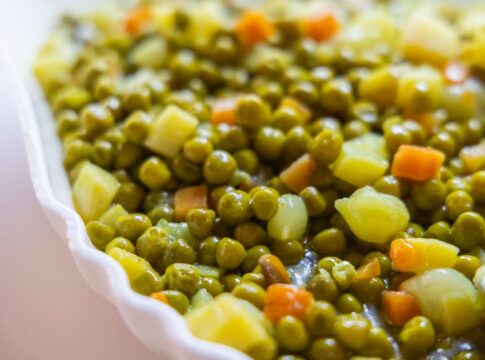
Fresh green beans, broccoli, and spinach owe their vibrant color to chlorophyll, the same pigment that powers photosynthesis. Chlorophyll molecules contain a magnesium atom at their center, held in place by a ring structure. Brief heating can actually intensify the green by forcing out air pockets and allowing you to see the pigment more clearly.
Extended cooking, however, turns greens dull and olive-colored. Heat damages cell walls, releasing acids that displace the magnesium atom with hydrogen ions. This converts chlorophyll to pheophytin, a brownish-green pigment. Adding baking soda keeps the water alkaline and preserves the green, but it also turns vegetables mushy by breaking down cell walls. The best strategy? Cook green vegetables quickly in plenty of water, then plunge them into ice water to halt the cooking process.
6. Onions: White to Golden Brown
Raw onions are white or pale yellow, composed of layers of cells filled with water, sugars, and sulfur compounds. When you sauté onions slowly over moderate heat, they gradually turn translucent, then golden, and finally deep brown. This progression involves multiple chemical reactions collectively known as the Maillard reaction and caramelization.
The Maillard reaction occurs when amino acids and reducing sugars react under heat, producing hundreds of flavor compounds and brown pigments called melanoidins. Caramelization happens when sugars break down and recombine into complex molecules with brown colors and rich flavors. The process requires patience—rushing with high heat burns the onions before these reactions can develop fully. Properly caramelized onions take 30 to 45 minutes, transforming from sharp and crunchy to sweet and jammy.
7. Eggplant: Purple to Brown
Eggplant skin contains nasunin, an anthocyanin pigment similar to those in red cabbage. The flesh, however, is pale cream and contains polyphenol oxidase enzymes. When you cut or cook eggplant, these enzymes react with oxygen, producing brown pigments—the same process that turns cut apples and potatoes brown.
Cooking eggplant transforms both skin and flesh. The purple skin may darken or turn brownish as anthocyanins break down under heat. The white flesh browns through enzymatic oxidation and the Maillard reaction. Salting eggplant before cooking draws out moisture and some of the enzymes, reducing browning and bitterness. Acidic ingredients like lemon juice or tomatoes slow the browning by lowering pH, which inhibits the oxidase enzymes.
Common Myths About Color Changes in Food
Many people believe that color alone determines doneness, but this isn’t always accurate. A hamburger can appear brown on the outside while remaining raw inside if cooked over excessively high heat. Conversely, meat can remain slightly pink even when fully cooked to safe temperatures if it contains certain additives or is smoked.
Another myth suggests that green vegetables must be cooked in alkaline water to maintain color. While this technically works, it destroys nutrients and texture. Quick cooking preserves both color and nutrition more effectively than adding baking soda.
Practical Tips for Managing Color Changes
Understanding these transformations helps you cook more effectively. For green vegetables, blanch quickly in boiling salted water, then shock in ice water to preserve color. Use a meat thermometer rather than relying solely on color to judge doneness—ground beef should reach 160°F regardless of its hue.
When cooking red cabbage, add vinegar if you prefer red tones, or leave it neutral for purple. Caramelize onions over medium-low heat with patience—the deep flavor is worth the wait. And remember that some color change is desirable: that golden-brown crust on a steak or the pink of perfectly cooked shrimp signals not just doneness but also flavor development.
Frequently Asked Questions
Why does my chicken sometimes stay pink even when fully cooked?
Young chickens have more permeable bones, and hemoglobin from the marrow can seep into surrounding meat during cooking. This creates pink areas near the bone even when the meat reaches safe temperatures above 165°F. Smoking or certain cooking methods can also preserve a pink color. Always use a thermometer to verify doneness rather than relying on color alone.
Can you prevent avocados and apples from turning brown?
Yes. These fruits brown due to polyphenol oxidase enzymes reacting with oxygen. Acidic ingredients like lemon juice lower pH and slow the enzyme activity. Covering cut surfaces with plastic wrap limits oxygen exposure. Blanching briefly in boiling water denatures the enzymes entirely, though this affects texture. Commercial products use calcium or other additives to prevent browning.
Why do blueberries turn green in muffins sometimes?
Blueberries contain anthocyanins that react to pH changes. When batter is too alkaline—often from excess baking soda—the pigments shift from purple-blue to greenish. The berries are still safe to eat, just discolored. Adjusting the baking soda-to-acid ratio in your recipe prevents this surprising color shift.
Does cooking destroy the nutrients that cause these colors?
Some pigments and nutrients degrade with heat, while others become more bioavailable. Lycopene in tomatoes becomes easier to absorb when cooked, even though the color deepens. Vitamin C breaks down with extended heating. Anthocyanins are relatively heat-stable but water-soluble, so they can leach into cooking liquid. Quick cooking methods generally preserve more nutrients than prolonged boiling.