










1 / 10 Questions
0 Points

Which Animal Actually Survives Being Frozen Solid?

Snowy Owl

Wood Frog

Arctic Fox

Polar Bear

Points won
0
Correct score
0%

More Questions

More Articles

Why Flamingos Are Pink: The Surprising Shrimp Truth

Why Flamingos Are Pink: The Surprising Shrimp Truth

By TrivBits, Staff Writer — Published August 24, 2026
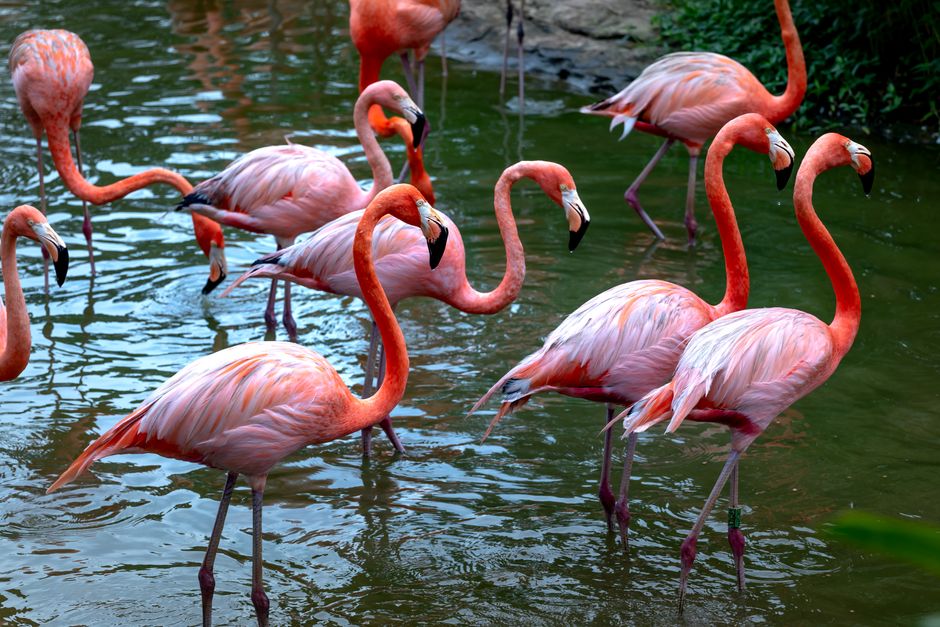
Why Flamingos Are Pink: The Surprising Shrimp Truth — General trivia by TrivBits

Table of Contents

Did you know that flamingos aren't born pink? These iconic birds enter the world wearing dull gray or white feathers, transforming into vibrant pink showstoppers only after they start eating. The secret behind their stunning coloration lies in their diet—specifically, the carotenoid pigments found in the tiny organisms they consume. While many people assume flamingos pink shrimp connection tells the whole story, the truth is more nuanced and fascinating than you might expect.

The surprising reality is that shrimp alone doesn't explain everything. Flamingos derive their rosy hues from a variety of sources, and the intensity of their color reveals intriguing details about their health, habitat, and feeding habits.

Key Takeaways

  • Flamingos are born gray or white and develop pink coloration through their diet
  • Carotenoid pigments from algae, brine shrimp, and other small organisms create the pink color
  • Brighter pink flamingos are typically healthier and more successful at finding food
  • Different flamingo species display varying shades from pale pink to deep crimson
  • Without carotenoid-rich food, flamingos gradually lose their pink color and fade to white
  • The pigments are broken down in the liver and deposited in feathers, skin, and fat

The Flamingos Pink Shrimp Connection: What's Really Happening

The chemistry behind flamingo coloration centers on carotenoids, the same pigments that make carrots orange and tomatoes red. These organic compounds can't be manufactured by animals—they must be obtained through diet. When flamingos feast on algae, brine shrimp, and other small crustaceans, they're consuming massive quantities of these natural pigments.

Here's where it gets interesting. Flamingos don't simply absorb carotenoids directly. Their digestive system breaks down these compounds, and their liver processes them into specific pigment molecules. These processed pigments then travel through the bloodstream and eventually deposit in growing feathers, skin, and even egg yolks. The entire transformation takes consistent feeding over weeks and months.

But shrimp isn't always the primary source. Many flamingo species feed predominantly on microscopic blue-green algae called spirulina, which contains astaxanthin and canthaxanthin—two powerful carotenoid pigments. The "shrimp" connection is partially accurate because brine shrimp and other small crustaceans eat this same algae, concentrating the pigments in their bodies before flamingos consume them.

Why Some Flamingos Are Pinker Than Others

Not all flamingos display the same vibrant hue. Color intensity varies dramatically between individuals and species, and these differences tell us compelling stories about flamingo ecology.

Access to food matters most. Flamingos living in carotenoid-rich environments develop deeper, more saturated colors. Those in areas with limited food sources appear pale or nearly white. Scientists have observed that the pinkest birds often enjoy higher social status within flocks—they're more likely to attract mates and successfully reproduce.

Different species also show distinct color patterns. Caribbean flamingos typically display bright crimson-red plumage, while Lesser flamingos often appear deep pink. Greater flamingos tend toward pale pink, and Chilean flamingos show pink bodies with distinctive red joints. These variations result from both dietary differences and genetic factors that affect how efficiently each species processes carotenoids.

Age plays a role too. Juvenile flamingos require time to accumulate enough pigments for vibrant coloration. Young birds start transitioning from gray to pink around one to two years old, reaching full color intensity as they mature.

The Feeding Mechanism: How Flamingos Eat

Flamingos possess one of nature's most specialized feeding systems. Their unusual downward-bent bills aren't mistakes of evolution—they're precision instruments designed for filter feeding.

When feeding, flamingos hold their heads upside down in shallow water. The upper mandible remains stationary while the lower mandible moves up and down rapidly, pumping water through comb-like structures called lamellae. These lamellae act as sieves, trapping tiny organisms while expelling water. A single flamingo can filter through gallons of water each day, extracting thousands of microscopic meals.

This efficient system allows flamingos to thrive in extreme environments where few other birds can compete. Alkaline lakes, coastal lagoons, and salt flats become productive feeding grounds. The very organisms that give flamingos their color often flourish in these harsh conditions, creating a perfect ecological match.

Myths and Truths About Flamingo Color

MythTruth
Flamingos eat only shrimpThey consume algae, small crustaceans, mollusks, and insect larvae depending on species and habitat
Flamingos are naturally pinkThey're born gray or white; diet creates the pink coloration over time
All flamingos are the same colorColor ranges from pale pink to deep crimson depending on species, diet, and individual health
Pink color is permanentWithout carotenoid-rich food, flamingos gradually fade to white
Only feathers are pinkSkin, fat deposits, and even egg yolks contain carotenoid pigments

What Happens to Captive Flamingos

Zoos and wildlife parks face an interesting challenge: maintaining flamingo coloration in captivity. Without access to their natural diet, captive flamingos would quickly lose their signature pink and turn white.

Modern zoos solve this problem by supplementing flamingo diets with carotenoid-rich foods. Commercial flamingo pellets contain synthetic or naturally-derived carotenoids, often extracted from sources like marigold petals, paprika, or specially cultivated algae. These supplements ensure captive birds maintain healthy, vibrant plumage that closely matches their wild counterparts.

The practice also highlights an important conservation message. Color intensity serves as a visible health indicator. Pale flamingos in the wild might signal environmental problems—polluted waters, declining food sources, or habitat degradation. Monitoring flamingo populations and their coloration helps scientists track ecosystem health.

The Broader Biological Picture

Flamingos aren't alone in deriving color from diet. Many animals display pigmentation linked to what they eat. Salmon flesh turns pink from consuming krill and other crustaceans. Some birds, like scarlet ibises and roseate spoonbills, sport pink or red plumage for similar dietary reasons. Even some insects change color based on consumed pigments.

This phenomenon reveals a fundamental truth about nature: you are what you eat extends far beyond a simple saying. Diet shapes appearance, health, reproductive success, and survival. For flamingos, their pink color isn't merely decorative—it's a badge of biological fitness, advertising their ability to thrive in challenging environments and find abundant food.

Frequently Asked Questions

How long does it take for a flamingo to turn pink?

Baby flamingos begin developing pink coloration after several months of eating carotenoid-rich foods, but achieving full adult coloration typically takes one to two years of consistent feeding. The exact timeline varies by species and food availability in their habitat.

Would a flamingo turn white if it stopped eating shrimp and algae?

Yes, flamingos deprived of carotenoid-rich foods would gradually lose their pink color. As they molt and grow new feathers without pigment deposits, they would eventually appear white or pale gray. This process would unfold over several molting cycles spanning months to years.

Are there naturally white flamingos?

No flamingo species is naturally white at maturity. White or very pale flamingos are either juveniles that haven't yet accumulated dietary pigments, individuals with poor access to carotenoid-rich food, or birds with rare genetic conditions affecting pigment processing.

Do flamingo eggs look pink?

Flamingo eggs have white or pale blue shells, but the yolks inside contain carotenoid pigments and can appear orange or pink. Parent flamingos transfer some dietary carotenoids to their eggs, giving chicks a small nutritional advantage even before hatching.

The next time you see a flamingo's brilliant pink plumage, remember you're witnessing a remarkable biological transformation. Those vibrant feathers represent thousands of tiny meals, specialized anatomy, and millions of years of evolution. Nature rarely reveals its secrets in simple answers—and the truth behind flamingo coloration proves far more fascinating than any single explanation could capture.

Sources

Vanilla Flavoring Comes From Beaver Glands: The Truth

Vanilla Flavoring Comes From Beaver Glands: The Truth

By TrivBits, Staff Writer — Published September 9, 2026

Vanilla Flavoring Comes From Beaver Glands: The Truth — Food & Drink trivia by TrivBits

Table of Contents

Did you know that some vanilla flavoring comes from an unexpected source — the anal glands of beavers? This surprising fact has circulated for years, sparking both fascination and disgust. But before you swear off vanilla ice cream forever, let's separate the myths from the truths. The reality behind this interesting piece of food trivia is more nuanced than the shocking headlines suggest, and understanding the full story reveals just how creative (and sometimes bizarre) the world of food chemistry can be.

The substance in question is called castoreum, and it does indeed come from the castor sacs of beavers. These glands, located near the tail, produce a secretion that beavers use to mark their territory. But here's the twist: castoreum is rarely used in modern food production, and when it was more common, it appeared in far smaller quantities than most people imagine.

Key Takeaways

  • Castoreum is a real substance harvested from beaver castor sacs and has been used as a flavoring agent.
  • The compound is classified as "generally recognized as safe" by food regulators but is extremely rare in today's food supply.
  • Castoreum was never a primary source of vanilla flavoring — it was occasionally used to enhance or add complexity to vanilla and other flavors.
  • Modern vanilla flavoring comes primarily from real vanilla beans or synthetic vanillin derived from wood pulp or petroleum byproducts.
  • The high cost and difficulty of harvesting castoreum make it impractical for mass food production.
  • When castoreum is used today, it's more commonly found in perfumes than in food products.

What Exactly Is Castoreum and Where Does Vanilla Flavoring Come From?

Castoreum is a yellowish secretion from the castor sacs of North American and European beavers. Beavers combine this substance with urine to create scent mounds that mark territorial boundaries. The secretion itself has a musky, vanilla-like aroma because beavers consume bark and leaves from trees rich in aromatic compounds.

The substance has been used for centuries. Ancient civilizations valued it for medicinal purposes, believing it could treat headaches, fever, and various ailments. By the early 20th century, food chemists discovered that castoreum could enhance certain flavors, particularly in vanilla, raspberry, and strawberry products. Its complex chemical profile contains over 24 different compounds, including some that resemble vanillin — the primary flavor component in vanilla beans.

However, calling castoreum a vanilla substitute is misleading. It was never used to replace vanilla entirely. Instead, it functioned as a flavor enhancer or modifier, adding depth and complexity to existing vanilla formulations. Think of it as a supporting actor, not the star of the show.

Why Castoreum Is Rarely Used in Modern Food

Despite the shocking nature of this trivia, you're extremely unlikely to encounter castoreum in your food today. Several factors explain its rarity.

First, harvesting castoreum is labor-intensive and expensive. The castor sacs must be removed from beavers, typically after the animals are trapped for their pelts. The sacs are then dried for up to two years before the castoreum can be extracted. This process is far more costly than synthesizing vanillin in a laboratory or growing vanilla orchids.

Second, the supply is severely limited. There simply aren't enough beavers to meet the enormous demand for vanilla flavoring worldwide. Consider that vanilla is one of the most popular flavors globally, used in everything from ice cream to baked goods to beverages. The beaver population couldn't possibly support this demand.

Third, modern chemistry has provided cheaper alternatives. Synthetic vanillin, first created in the late 19th century, can be produced from wood lignin or even petroleum derivatives. More recently, scientists have developed methods to create vanillin from ferulic acid found in rice bran. These methods are far more economical and scalable than beaver-based extraction.

According to industry estimates, annual castoreum production for all uses — including perfumes and food — amounts to roughly 300 pounds per year. Compare that to the thousands of tons of vanilla flavoring produced annually, and you can see why castoreum represents a tiny fraction of the market.

Understanding Vanilla Flavoring Sources Today

Modern vanilla flavoring comes from three primary sources, and beaver glands aren't among the top contenders.

SourceDescriptionPrevalence
Natural Vanilla ExtractDerived from cured vanilla bean pods, primarily from Madagascar, Mexico, and TahitiPremium products, represents about 1% of global vanilla flavoring
Synthetic VanillinChemically identical to natural vanillin but synthesized from wood pulp lignin or petrochemicalsMost common, approximately 99% of vanilla flavoring market
Bio-VanillinProduced through fermentation or enzymatic conversion of natural materials like rice branGrowing segment, appeals to consumers seeking "natural" alternatives to petroleum-based synthesis

Real vanilla beans remain expensive because vanilla orchids are finicky plants requiring hand-pollination in most growing regions. The beans must be harvested at precisely the right moment and then undergo a months-long curing process. This labor-intensive production explains why pure vanilla extract costs significantly more than imitation vanilla.

The Labeling Loophole and Consumer Protection

One reason the castoreum myth persists involves food labeling regulations. Castoreum is classified as a "natural flavor" because it comes from an animal source. This means manufacturers aren't required to specify "beaver anal gland secretions" on ingredient lists — they can simply write "natural flavoring."

This broad category encompasses hundreds of potential ingredients, from fruit essences to spice extracts. The lack of specificity fuels consumer anxiety and urban legends. People worry they're unknowingly consuming bizarre ingredients without their knowledge.

However, the food industry has little incentive to use castoreum given its cost and limited availability. When companies can achieve the same or better flavor results with cheaper, more abundant alternatives, the economic choice is clear. Beaver secretions simply don't make business sense for mass-market products.

Where Castoreum Actually Appears

If castoreum isn't flavoring your vanilla ice cream, where does it go? The perfume industry is the primary consumer of castoreum today. Its musky, leathery notes with subtle vanilla undertones make it valuable for creating complex fragrances. High-end perfumes, particularly those with animalic or leather notes, may contain small amounts of castoreum.

In the rare instances when castoreum appears in food, it's typically in premium products where manufacturers want to create a unique, complex flavor profile. Some craft distillers have experimented with it in specialty spirits. Certain gourmet food producers might use it in limited-edition items marketed to adventurous consumers.

The substance also maintains a presence in traditional medicine in some cultures, though scientific evidence for its efficacy is limited.

Frequently Asked Questions

Is there beaver secretion in my vanilla ice cream?

Almost certainly not. While castoreum is approved for use in food, it's extremely rare in modern products due to its high cost and limited supply. Mass-market ice creams use either natural vanilla extract or synthetic vanillin. The tiny amount of castoreum produced annually goes primarily to perfumes and specialty applications.

How can I avoid castoreum in food products?

Given its rarity, avoiding castoreum isn't difficult — you're probably not consuming it anyway. If you want absolute certainty, choose products with "vanilla extract" rather than "natural flavors" on the label, or contact manufacturers directly. Organic and vegan products will never contain castoreum since it's an animal-derived ingredient.

Does synthetic vanilla taste different from natural vanilla?

Pure synthetic vanillin tastes very similar to natural vanilla but lacks some of the complex flavor notes found in real vanilla beans. Natural vanilla contains over 250 flavor compounds, while synthetic vanillin is just one chemical. Many people can detect a difference, describing natural vanilla as richer and more nuanced, though in baked goods the distinction often disappears.

Why was castoreum ever used in food if it comes from beaver glands?

Food chemists discovered that castoreum's complex chemical composition could enhance certain flavors, particularly vanilla and berry notes. Before modern synthetic alternatives existed, natural sources — even unusual ones — were the only options for creating specific flavors. The practice reflects the long history of humans using whatever nature provided to make food more appealing.

Sources