










1 / 10 Questions
0 Points

What type of cloud is thin, wispy, and high-altitude?

Stratus

Cumulus

Nimbus

Cirrus

Points won
0
Correct score
0%

More Questions

More Articles

Baseball’s Spitball Was Legal Until 1920: What Changed

Baseball’s Spitball Was Legal Until 1920: What Changed

By TrivBits, Staff Writer — Published September 16, 2026
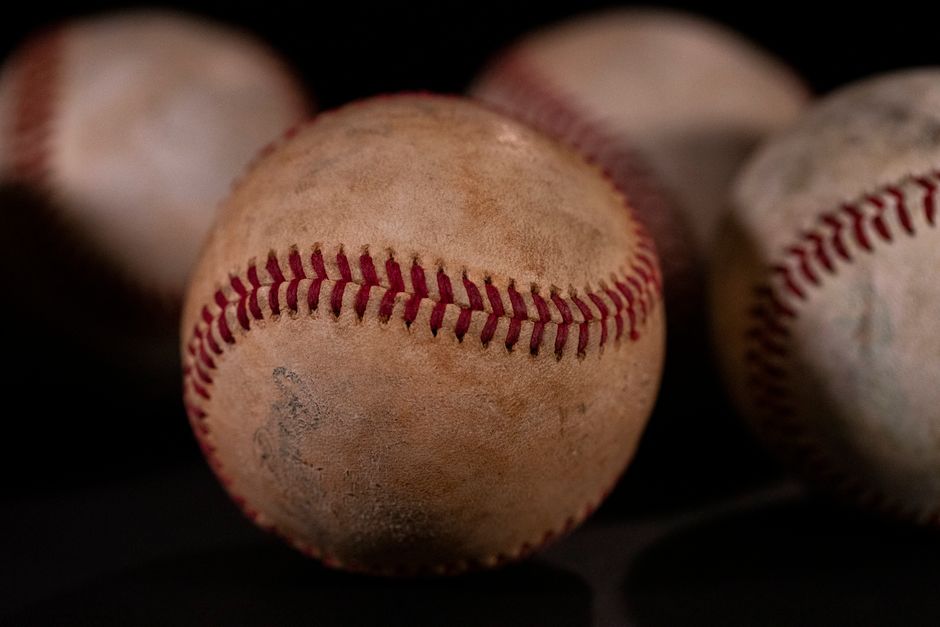
Baseballs Spitball Was Legal Until 1920: What Changed — Sports trivia by TrivBits

Table of Contents

Did you know that for decades, pitchers in professional baseball could legally doctor the ball with saliva, tobacco juice, or other slippery substances? The baseball spitball legal era ended abruptly in 1920, marking one of the most surprising rule changes in sports history. What caused this dramatic shift? The answer involves a tragic death, evolving game philosophy, and a fascinating grandfather clause that let some pitchers keep throwing their trick pitches for years afterward.

Understanding why baseball outlawed the spitball reveals interesting truths about how sports evolve—and how one terrible accident can reshape an entire game.

Key Takeaways

  • The spitball and other doctored pitches were completely legal in Major League Baseball until the 1920 season.
  • Cleveland Indians batter Ray Chapman's death in August 1920 accelerated the rule change banning doctored balls.
  • Seventeen pitchers were grandfathered in and allowed to continue throwing spitballs legally until they retired.
  • The ban fundamentally shifted baseball's balance between pitchers and hitters, ushering in the "live ball era."
  • Despite the ban, pitchers have continued to illegally doctor balls throughout baseball history.
  • The spitball's unpredictable movement made it both effective and dangerous.

Why the Baseball Spitball Legal Status Changed in 1920

Before 1920, pitchers routinely applied saliva, slippery elm, tobacco juice, or petroleum jelly to the baseball. This wasn't cheating—it was simply part of the game. The altered ball would move erratically as it approached home plate, diving, darting, or sailing in unpredictable ways that baffled batters.

The spitball's legality ended for several interconnected reasons. Baseball had entered what historians call the "dead ball era," where runs were scarce and games often turned into low-scoring defensive battles. Fans were growing restless. The sport needed excitement.

Then tragedy struck. On August 16, 1920, Cleveland Indians shortstop Ray Chapman stepped to the plate against New York Yankees pitcher Carl Mays. A pitch struck Chapman in the head. He died the next day—the only player ever killed by a pitch during a Major League game. While Mays wasn't known as a spitball pitcher, the incident highlighted a dangerous reality: batters struggled to see dirty, discolored balls, especially in late-inning shadows.

The ball itself was part of the problem. Teams used the same ball for much of the game, and it became progressively darker, softer, and harder to track. Combine that with legal doctoring, and you had a recipe for danger.

The Rule That Banned It—With Notable Exceptions

In February 1920, before Chapman's death, baseball's rules committee had already begun discussing reforms. Chapman's tragic death accelerated action. By season's end, Major League Baseball announced comprehensive changes for 1920 and beyond.

The new rules banned all forms of ball doctoring: no spitballs, shine balls, emery balls, or any other pitch involving foreign substances. Umpires were instructed to replace balls more frequently, keeping them cleaner and more visible. The strike zone was also clarified to encourage more hitting.

But here's where it gets interesting. Baseball created an exemption. Seventeen established pitchers—eight in the American League and nine in the National League—received permission to continue throwing spitballs for the rest of their careers. These grandfathered pitchers had built their entire repertoires around the pitch. Taking it away would essentially end their livelihoods.

Burleigh Grimes became the last legal spitball pitcher, retiring in 1934. For fourteen years after the ban, he could legally do what everyone else got ejected for attempting.

How the Spitball Actually Worked

What made the spitball so effective? Physics and asymmetry.

A normal baseball has relatively uniform surface characteristics. Air flows smoothly around it, creating predictable movement based on spin. When a pitcher applies saliva or another substance to one side of the ball, everything changes. The wet side becomes heavier and creates different air resistance than the dry side.

As the ball spins toward the plate, this asymmetry causes unpredictable breaks. The pitch might drop suddenly, veer sideways, or "sail" unexpectedly. Even the pitcher couldn't always predict exactly where it would go. That uncertainty terrorized batters.

Different substances created different effects. Saliva was convenient but dried quickly. Slippery elm created a more durable slick surface. Some pitchers preferred petroleum jelly hidden in their hair or uniform. The creativity was endless, and entirely legal for decades.

The Live Ball Era Begins

The spitball ban coincided with—and contributed to—a fundamental transformation in baseball. Runs per game increased dramatically. Home runs became more common. A player named Babe Ruth began hitting balls out of stadiums at unprecedented rates.

Was it all because of the spitball ban? Not entirely. Baseball also introduced a livelier ball with tighter winding. Balls were replaced more frequently. But eliminating legal ball doctoring certainly shifted the balance of power toward hitters.

Pitchers suddenly couldn't rely on trick pitches. They had to throw harder or develop better breaking balls through grip and arm angle alone. The game became faster, more offense-oriented, and frankly, more entertaining for fans who had grown weary of 2-1 pitching duels.

Attendance soared. Baseball entered its golden age.

The Spitball Never Really Disappeared

Here's an uncomfortable truth: pitchers never stopped doctoring baseballs. They just had to hide it better.

Throughout baseball history, players have been caught—or strongly suspected—of throwing illegal spitballs. Gaylord Perry, who pitched from 1962 to 1983, wrote a book titled "Me and the Spitter," essentially admitting what everyone already knew. He was ejected for doctoring the ball exactly once during his 22-year career.

Modern pitchers use pine tar for better grip in cold weather, though that's technically illegal too. Some apply sunscreen mixed with rosin to create a sticky substance. In 2021, Major League Baseball began cracking down on foreign substances with more aggressive inspections, suspending several pitchers.

The game of cat-and-mouse between pitchers seeking an edge and officials enforcing rules continues more than a century after the official ban.

Frequently Asked Questions

Who was the last pitcher allowed to legally throw a spitball?

Burleigh Grimes was the last legal spitball pitcher in Major League Baseball. He retired in 1934, fourteen years after the pitch was banned for everyone else. Grimes was one of seventeen pitchers grandfathered in when the rule changed in 1920, allowing them to continue using the pitch they had built their careers around.

Did Ray Chapman's death directly cause the spitball ban?

Chapman's death accelerated changes already under discussion, but wasn't the sole cause. Baseball officials had been considering reforms to increase offense and improve safety before the tragedy. However, Chapman being struck by a pitch he likely couldn't see clearly in the late-inning gloom focused attention on dirty, hard-to-track baseballs and helped push the comprehensive rule changes through quickly.

What other pitches were banned along with the spitball?

The 1920 rule changes banned all forms of ball doctoring, including the shine ball (rubbing one side to create a glossy surface), the emery ball (scuffing the ball with sandpaper or emery cloth), and any pitch involving foreign substances like petroleum jelly, paraffin, or licorice. Essentially, anything that altered the ball's natural surface became illegal.

Can pitchers use any substances on the baseball today?

Pitchers are allowed to use rosin, a legal drying agent provided on the mound. However, combining rosin with other substances like sunscreen to create a sticky mixture is illegal. Major League Baseball has increased enforcement in recent years, conducting regular checks of pitchers' hands, gloves, and caps during games, with suspensions issued for violations.
Sources

Why Flamingos Are Pink: The Surprising Shrimp Truth

Why Flamingos Are Pink: The Surprising Shrimp Truth

By TrivBits, Staff Writer — Published August 24, 2026

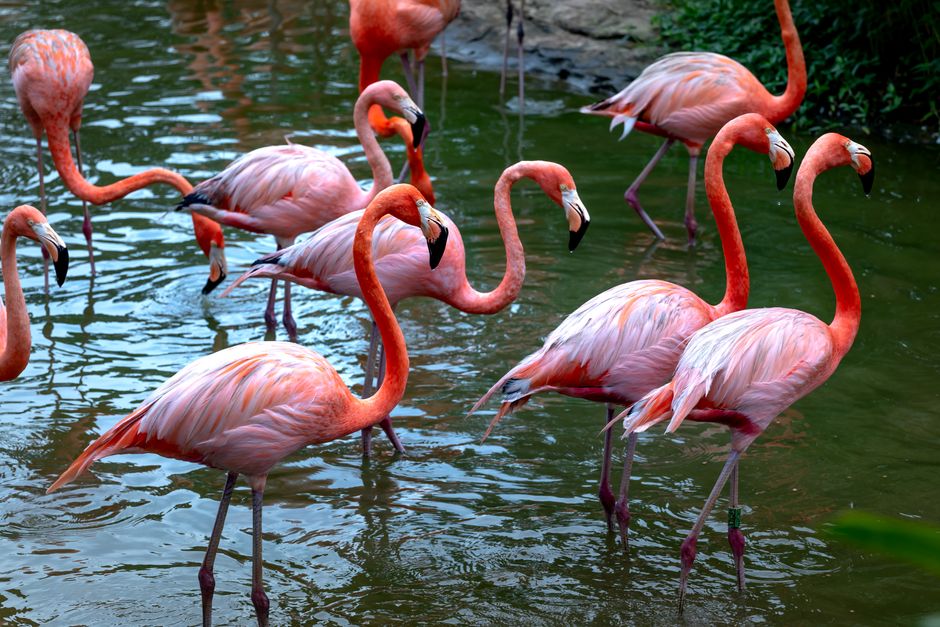
Why Flamingos Are Pink: The Surprising Shrimp Truth — General trivia by TrivBits

Table of Contents

Did you know that flamingos aren't born pink? These iconic birds enter the world wearing dull gray or white feathers, transforming into vibrant pink showstoppers only after they start eating. The secret behind their stunning coloration lies in their diet—specifically, the carotenoid pigments found in the tiny organisms they consume. While many people assume flamingos pink shrimp connection tells the whole story, the truth is more nuanced and fascinating than you might expect.

The surprising reality is that shrimp alone doesn't explain everything. Flamingos derive their rosy hues from a variety of sources, and the intensity of their color reveals intriguing details about their health, habitat, and feeding habits.

Key Takeaways

  • Flamingos are born gray or white and develop pink coloration through their diet
  • Carotenoid pigments from algae, brine shrimp, and other small organisms create the pink color
  • Brighter pink flamingos are typically healthier and more successful at finding food
  • Different flamingo species display varying shades from pale pink to deep crimson
  • Without carotenoid-rich food, flamingos gradually lose their pink color and fade to white
  • The pigments are broken down in the liver and deposited in feathers, skin, and fat

The Flamingos Pink Shrimp Connection: What's Really Happening

The chemistry behind flamingo coloration centers on carotenoids, the same pigments that make carrots orange and tomatoes red. These organic compounds can't be manufactured by animals—they must be obtained through diet. When flamingos feast on algae, brine shrimp, and other small crustaceans, they're consuming massive quantities of these natural pigments.

Here's where it gets interesting. Flamingos don't simply absorb carotenoids directly. Their digestive system breaks down these compounds, and their liver processes them into specific pigment molecules. These processed pigments then travel through the bloodstream and eventually deposit in growing feathers, skin, and even egg yolks. The entire transformation takes consistent feeding over weeks and months.

But shrimp isn't always the primary source. Many flamingo species feed predominantly on microscopic blue-green algae called spirulina, which contains astaxanthin and canthaxanthin—two powerful carotenoid pigments. The "shrimp" connection is partially accurate because brine shrimp and other small crustaceans eat this same algae, concentrating the pigments in their bodies before flamingos consume them.

Why Some Flamingos Are Pinker Than Others

Not all flamingos display the same vibrant hue. Color intensity varies dramatically between individuals and species, and these differences tell us compelling stories about flamingo ecology.

Access to food matters most. Flamingos living in carotenoid-rich environments develop deeper, more saturated colors. Those in areas with limited food sources appear pale or nearly white. Scientists have observed that the pinkest birds often enjoy higher social status within flocks—they're more likely to attract mates and successfully reproduce.

Different species also show distinct color patterns. Caribbean flamingos typically display bright crimson-red plumage, while Lesser flamingos often appear deep pink. Greater flamingos tend toward pale pink, and Chilean flamingos show pink bodies with distinctive red joints. These variations result from both dietary differences and genetic factors that affect how efficiently each species processes carotenoids.

Age plays a role too. Juvenile flamingos require time to accumulate enough pigments for vibrant coloration. Young birds start transitioning from gray to pink around one to two years old, reaching full color intensity as they mature.

The Feeding Mechanism: How Flamingos Eat

Flamingos possess one of nature's most specialized feeding systems. Their unusual downward-bent bills aren't mistakes of evolution—they're precision instruments designed for filter feeding.

When feeding, flamingos hold their heads upside down in shallow water. The upper mandible remains stationary while the lower mandible moves up and down rapidly, pumping water through comb-like structures called lamellae. These lamellae act as sieves, trapping tiny organisms while expelling water. A single flamingo can filter through gallons of water each day, extracting thousands of microscopic meals.

This efficient system allows flamingos to thrive in extreme environments where few other birds can compete. Alkaline lakes, coastal lagoons, and salt flats become productive feeding grounds. The very organisms that give flamingos their color often flourish in these harsh conditions, creating a perfect ecological match.

Myths and Truths About Flamingo Color

Myth Truth
Flamingos eat only shrimp They consume algae, small crustaceans, mollusks, and insect larvae depending on species and habitat
Flamingos are naturally pink They're born gray or white; diet creates the pink coloration over time
All flamingos are the same color Color ranges from pale pink to deep crimson depending on species, diet, and individual health
Pink color is permanent Without carotenoid-rich food, flamingos gradually fade to white
Only feathers are pink Skin, fat deposits, and even egg yolks contain carotenoid pigments

What Happens to Captive Flamingos

Zoos and wildlife parks face an interesting challenge: maintaining flamingo coloration in captivity. Without access to their natural diet, captive flamingos would quickly lose their signature pink and turn white.

Modern zoos solve this problem by supplementing flamingo diets with carotenoid-rich foods. Commercial flamingo pellets contain synthetic or naturally-derived carotenoids, often extracted from sources like marigold petals, paprika, or specially cultivated algae. These supplements ensure captive birds maintain healthy, vibrant plumage that closely matches their wild counterparts.

The practice also highlights an important conservation message. Color intensity serves as a visible health indicator. Pale flamingos in the wild might signal environmental problems—polluted waters, declining food sources, or habitat degradation. Monitoring flamingo populations and their coloration helps scientists track ecosystem health.

The Broader Biological Picture

Flamingos aren't alone in deriving color from diet. Many animals display pigmentation linked to what they eat. Salmon flesh turns pink from consuming krill and other crustaceans. Some birds, like scarlet ibises and roseate spoonbills, sport pink or red plumage for similar dietary reasons. Even some insects change color based on consumed pigments.

This phenomenon reveals a fundamental truth about nature: you are what you eat extends far beyond a simple saying. Diet shapes appearance, health, reproductive success, and survival. For flamingos, their pink color isn't merely decorative—it's a badge of biological fitness, advertising their ability to thrive in challenging environments and find abundant food.

Frequently Asked Questions

How long does it take for a flamingo to turn pink?

Baby flamingos begin developing pink coloration after several months of eating carotenoid-rich foods, but achieving full adult coloration typically takes one to two years of consistent feeding. The exact timeline varies by species and food availability in their habitat.

Would a flamingo turn white if it stopped eating shrimp and algae?

Yes, flamingos deprived of carotenoid-rich foods would gradually lose their pink color. As they molt and grow new feathers without pigment deposits, they would eventually appear white or pale gray. This process would unfold over several molting cycles spanning months to years.

Are there naturally white flamingos?

No flamingo species is naturally white at maturity. White or very pale flamingos are either juveniles that haven't yet accumulated dietary pigments, individuals with poor access to carotenoid-rich food, or birds with rare genetic conditions affecting pigment processing.

Do flamingo eggs look pink?

Flamingo eggs have white or pale blue shells, but the yolks inside contain carotenoid pigments and can appear orange or pink. Parent flamingos transfer some dietary carotenoids to their eggs, giving chicks a small nutritional advantage even before hatching.

The next time you see a flamingo's brilliant pink plumage, remember you're witnessing a remarkable biological transformation. Those vibrant feathers represent thousands of tiny meals, specialized anatomy, and millions of years of evolution. Nature rarely reveals its secrets in simple answers—and the truth behind flamingo coloration proves far more fascinating than any single explanation could capture.

Sources