











1 / 10 Questions
0 Points

What planet is known for its rings?

Jupiter

Uranus

Saturn

Neptune

Points won
0
Correct score
0%

More Questions

More Articles

Did You Know These Famous Athletes Were Drafted in Different Sports?

Did You Know These Famous Athletes Were Drafted in Different Sports?

⏱️ 5 min read

The world of professional sports is filled with exceptional athletes who possess the rare combination of talent, dedication, and versatility that makes them stand out. While many athletes excel in a single sport, some have demonstrated such remarkable abilities that they were drafted by professional teams in completely different sports. These multi-sport athletes represent the pinnacle of athletic achievement, showcasing skills that transcend the boundaries of any single game. Their stories offer fascinating insights into the nature of athleticism and the roads not taken in sports history.

Baseball and Football: The Most Common Crossover

The intersection between baseball and football has produced some of the most notable examples of multi-sport draftees. These two sports, while vastly different in nature, both require exceptional hand-eye coordination, speed, and strategic thinking.

Bo Jackson: The Ultimate Two-Sport Star

Perhaps no athlete better exemplifies multi-sport excellence than Bo Jackson. The Auburn running back was drafted by the Kansas City Royals in the fourth round of the 1986 MLB Draft and by the Tampa Bay Buccaneers with the first overall pick in the 1987 NFL Draft. Jackson famously declined the Buccaneers' offer and was later drafted by the Los Angeles Raiders in the seventh round of the 1987 supplemental draft. He became the only athlete to be named an All-Star in both Major League Baseball and the NFL, proving that his exceptional talents weren't confined to a single playing field.

Deion Sanders: Prime Time in Two Leagues

Deion Sanders, known as "Prime Time," was drafted by the Kansas City Royals in the sixth round of the 1985 MLB Draft while still in high school. He later played both professional football and baseball simultaneously, being drafted by the Atlanta Falcons in the 1989 NFL Draft. Sanders is the only athlete to play in both a Super Bowl and a World Series, cementing his legacy as one of the greatest multi-sport athletes in history.

Basketball Players Who Could Have Played Professional Baseball

The hardwood has produced several stars who caught the attention of baseball scouts, demonstrating that the skills required for basketball excellence can translate to the diamond.

Michael Jordan's Baseball Interlude

While Michael Jordan wasn't technically drafted by a baseball team, his attempt to play professional baseball with the Chicago White Sox organization remains one of sports' most intriguing "what-ifs." However, Danny Ainge presents a more clear-cut case of a multi-sport draftee. Ainge was drafted by the Toronto Blue Jays in the 15th round of the 1977 MLB Draft and actually played parts of three seasons in the major leagues before being drafted by the Boston Celtics in the second round of the 1981 NBA Draft, where he would win two championships.

Football Stars with Basketball Credentials

Several NFL legends were talented enough on the basketball court to attract professional attention in that sport as well.

Tony Gonzalez: From the Court to the Gridiron

Hall of Fame tight end Tony Gonzalez was drafted by both the Kansas City Chiefs in the first round of the 1997 NFL Draft and was considered a potential basketball draft pick. While playing at the University of California, Berkeley, Gonzalez excelled in both sports, ultimately choosing football where he became one of the greatest tight ends in NFL history.

Hockey Players with Baseball Prospects

The crossover between hockey and baseball might seem unlikely, but several players have demonstrated elite abilities in both sports.

Tom Glavine: Choosing the Mound Over the Ice

Before becoming a Hall of Fame pitcher and winning two Cy Young Awards, Tom Glavine was drafted by the Los Angeles Kings in the fourth round of the 1984 NHL Entry Draft. He chose baseball instead, and the decision paid off handsomely with a career that included 305 wins and a World Series championship with the Atlanta Braves.

The Science Behind Multi-Sport Athletes

The phenomenon of athletes being drafted in multiple sports raises important questions about the nature of athletic ability. Research suggests that certain fundamental athletic qualities translate across sports, including:

  • Exceptional hand-eye coordination
  • Superior reaction time and processing speed
  • Elite level speed and agility
  • Competitive drive and mental toughness
  • Natural leadership abilities

These athletes often benefited from playing multiple sports during their developmental years, which helped them build diverse skill sets and prevented early burnout from sport-specific training.

Modern Trends and Specialization

While multi-sport athletes were more common in previous generations, modern professional sports have trended toward earlier specialization. The demands of professional training, year-round competition schedules, and the financial stakes involved have made it increasingly difficult for athletes to pursue multiple sports at the highest levels.

However, youth sports organizations and some professional teams are recognizing the value of multi-sport participation in development. Studies have shown that athletes who play multiple sports during their formative years often have longer professional careers and fewer overuse injuries compared to those who specialize early.

The Legacy of Multi-Sport Draftees

The athletes who were drafted in multiple sports represent a special category in sports history. They remind fans and aspiring athletes alike that exceptional talent can manifest in various forms and that the traditional boundaries between sports are more fluid than they might appear. Whether they chose one sport over another or managed to excel in both simultaneously, these athletes expanded our understanding of what's possible in professional sports.

Their stories continue to inspire young athletes to develop diverse skill sets and to pursue excellence wherever their talents may lead them. As sports science and training methods continue to evolve, the question remains whether we'll see more multi-sport draftees in the future or if specialization will continue to dominate the landscape of professional athletics.
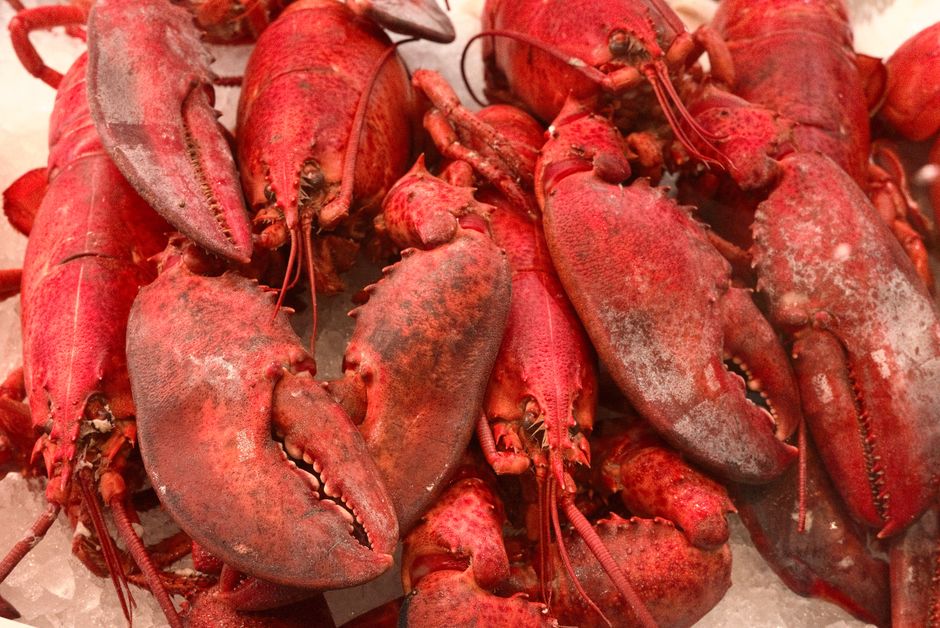
Lobsters Were Once Prison Food: The Untold History

Lobsters Were Once Prison Food: The Untold History

By TrivBits, Staff Writer — Published September 27, 2026

Lobsters Were Once Prison Food: The Untold History — Food & Drink trivia by TrivBits

Table of Contents

Today's lobster dinner symbolizes luxury and indulgence, but did you know that lobsters prison food was once considered a mark of poverty and punishment? This fascinating reversal of fortune ranks among the most surprising facts in culinary history. These ocean-dwelling crustaceans, now commanding premium prices at upscale restaurants, were so abundant in colonial America that they washed ashore in piles and were fed to servants, prisoners, and even used as fertilizer.

The truth behind this dramatic transformation reveals much about changing tastes, scarcity, and the psychology of luxury. What makes this trivia even more interesting is how quickly perceptions shifted—from bottom-feeding "cockroaches of the sea" to coveted delicacies worth their weight in gold.

Key Takeaways

  • Lobsters were so plentiful in colonial New England that they were considered poverty food and fed to prisoners, servants, and apprentices
  • Some servant contracts in Massachusetts reportedly included clauses limiting how often they could be fed lobster to avoid cruel treatment
  • The transformation from trash to treasure began in the mid-1800s with canning technology and improved transportation
  • Lobsters were ground up whole—shells and all—creating an unappetizing paste that bore little resemblance to today's preparations
  • The shift in perception accelerated when inland Americans, unfamiliar with fresh lobster's abundance, began viewing it as exotic
  • By the early 20th century, lobster had completed its journey to becoming a luxury item associated with fine dining

Why Lobsters Prison Food Was the Norm in Colonial America

In 17th and 18th century New England, lobsters were staggeringly abundant. Colonists reported massive specimens—some weighing over twenty pounds—washing up on beaches in windrows two feet high after storms. Native Americans had long used lobsters as bait and fertilizer, teaching colonists to do the same. The crustaceans were so common that gathering them required no special equipment or skill; even children could collect them from tidal pools.

This abundance bred contempt. Lobsters became known as poor man's protein, fed to people with no other options. Prisoners, indentured servants, and enslaved people ate lobster regularly—not as a treat, but as cheap sustenance. The creatures were considered bottom feeders, scavengers that ate dead things from the ocean floor. Not exactly appetizing to colonial sensibilities.

The preparation methods didn't help lobster's reputation. Without modern cooking techniques, lobsters were often ground up completely—shells, organs, and all—then boiled into a gray, unappetizing mush. This paste bore no resemblance to the butter-dipped tail meat we savor today. The texture was gritty, the appearance unpleasant, and the whole experience reinforced lobster's lowly status.

The Servant Contracts Myth and Truth

One popular piece of lobster trivia claims that servants negotiated contracts limiting lobster meals to just two or three times per week, considering more frequent servings to be inhumane. While this story circulates widely, historians debate its documentation. The spirit of the claim reflects genuine attitudes—lobster was indeed considered undesirable food—but specific contract language remains difficult to verify in historical records.

What we do know with certainty is that lobster carried social stigma. Eating it publicly marked you as poor or low-class. Wealthy colonists avoided it, preferring beef, pork, or chicken. The association with poverty was so strong that some people felt genuine shame about consuming lobster, even when hungry.

How Lobster Transformed from Trash to Treasure

Several factors converged to rehabilitate lobster's reputation. The transformation didn't happen overnight—it took roughly a century for perceptions to completely reverse.

First, railroad expansion in the mid-1800s changed everything. Suddenly, lobsters could reach inland cities where they were unfamiliar. City dwellers in places like Chicago or St. Louis had never seen the massive beach piles of colonial New England. To them, lobster was exotic seafood from distant shores. Scarcity creates value, and distance creates mystique.

Second, canning technology made lobster shelf-stable and transportable. Canned lobster became popular, though early products were still made from whole ground lobsters. The key difference was marketing—canned lobster was positioned as convenient luxury, not prison rations.

Third, coastal populations began depleting lobster stocks through overfishing. By the late 1800s, lobsters were noticeably less abundant. The easy beach harvesting of earlier centuries ended. Fishermen needed boats, traps, and effort to catch lobsters. Scarcity drove up prices, and higher prices attracted wealthier customers.

Fourth, restaurants began preparing lobster differently. Instead of grinding whole lobsters into paste, chefs extracted tail and claw meat, serving it with butter and elegant presentation. This refined preparation bore no resemblance to the gray mush of earlier generations. Fine dining establishments positioned lobster as sophisticated fare, and customers responded enthusiastically.

The Psychology Behind Lobster's Status Shift

Why do we assign value to certain foods? The lobster story reveals fascinating truths about human psychology and cultural conditioning. We don't taste food in a vacuum—context shapes experience.

When lobster was abundant and associated with prisoners, our ancestors genuinely found it unappealing. But when the same creature became scarce and expensive, served in elegant settings to wealthy patrons, it tasted delicious. The lobster itself hadn't changed, but everything surrounding it had transformed.

This phenomenon extends beyond lobster. Oysters followed a similar trajectory from working-class street food to luxury item. So did caviar in certain regions. Scarcity, exclusivity, and skillful marketing can elevate almost anything to premium status.

Time Period Lobster Status Primary Consumers Approximate Price Point
1600s-1700s Poverty food, bait Prisoners, servants, poor colonists Essentially free (abundant)
1800-1850 Transitional, canned product Mixed classes, inland consumers Low to moderate
1850-1900 Emerging luxury item Urban middle and upper classes Moderate to high
1900-present Premium luxury food Fine dining, special occasions High to very high

Unknown Facts About Historical Lobster Consumption

Beyond the prison food narrative, several lesser-known details make lobster history even more intriguing. Native American tribes along the northeastern coast used lobster extensively—not just as food, but as agricultural fertilizer for corn and bean crops. The calcium-rich shells enriched soil effectively.

Early American cookbooks rarely mentioned lobster, and when they did, recipes assumed readers wanted to disguise the ingredient rather than highlight it. This stands in stark contrast to modern cookbooks, where lobster recipes emphasize the meat's natural sweetness and delicate flavor.

The size of historical lobsters also surprises modern readers. While today's lobsters typically weigh one to three pounds, colonial accounts describe specimens exceeding twenty pounds. Some reports mention lobsters nearly six feet long, though these accounts may involve some exaggeration. Regardless, average sizes were certainly much larger before intensive fishing reduced populations.

Frequently Asked Questions

Were lobsters really fed to prisoners in America?

Yes, lobsters were commonly served to prisoners, indentured servants, and enslaved people in colonial New England. The practice reflected lobster's low status as abundant, cheap protein rather than any luxury. Prisoners ate lobster regularly because it cost almost nothing to procure, not because jailers were being generous.

When did lobster become expensive?

Lobster prices began rising in the mid-to-late 1800s as railroad expansion enabled inland distribution and overfishing reduced coastal abundance. By the early 1900s, lobster had firmly established itself as luxury food. The transformation took roughly a century, accelerating as preparation methods improved and marketing positioned lobster as premium seafood.

Why were colonial lobsters considered undesirable?

Several factors made colonial lobsters unappealing: extreme abundance eliminated any sense of scarcity or value; bottom-feeding habits seemed unclean; preparation methods involved grinding whole lobsters into unappetizing paste; and social stigma associated lobster consumption with poverty. The combination made lobster genuinely unpopular among those who could afford alternatives.

Are lobsters still as abundant as they were historically?

No, lobster populations are significantly smaller than in colonial times, though modern fishery management has stabilized stocks in some regions. You'll never see lobsters washing ashore in two-foot piles as early colonists reported. Intensive fishing, habitat changes, and warming ocean temperatures have all affected lobster populations, contributing to their current status as premium-priced seafood.

The journey from prison food to luxury plate reminds us that value is often contextual rather than inherent. Next time you crack open a lobster tail, consider the centuries of changing attitudes that transformed this once-humble scavenger into a symbol of culinary indulgence. What other foods might be awaiting their own reversal of fortune?

Sources