
⏱️ 7 min read
While supermarkets stock familiar favorites like apples, bananas, and oranges, the world harbors extraordinary fruits that most people will never encounter on store shelves. These rare botanical treasures grow in remote regions, face cultivation challenges, or simply don’t travel well enough for commercial distribution. From fruits that taste like chocolate pudding to ones that glow in the dark, these exceptional specimens represent nature’s most elusive edible offerings.
Exotic Fruits Beyond Commercial Reach
1. Jabuticaba: The Tree-Trunk Grape of Brazil
Native to the Minas Gerais region of Brazil, jabuticaba produces grape-like fruits that grow directly on the tree trunk and branches in a phenomenon called cauliflory. These purple-black fruits contain sweet, gelatinous white flesh surrounding several seeds. The jabuticaba’s extreme perishability—fermenting within three to four days after harvest—makes commercial export virtually impossible. The trees also require six to eight years before bearing fruit and thrive only in tropical and subtropical climates, limiting their cultivation to specific regions of South America. Brazilians prize the fruit for making wines, liqueurs, and jellies, but fresh jabuticaba remains inaccessible to most of the world.
2. Ackee: Jamaica’s National Fruit with a Dangerous Secret
Ackee holds the distinction of being Jamaica’s national fruit, yet it poses serious risks if harvested prematurely. The creamy, buttery flesh becomes safe to eat only after the fruit naturally opens on the tree, revealing three large black seeds. Unripe ackee contains hypoglycin A and B, toxins that can cause Jamaican vomiting sickness, a potentially fatal condition. This narrow window of edibility, combined with strict import restrictions in countries like the United States, keeps fresh ackee out of international markets. The fruit’s delicate texture also deteriorates rapidly, making it unsuitable for long-distance transport without canning.
3. Black Sapote: Nature’s Chocolate Pudding
Native to Mexico and Central America, black sapote earns its “chocolate pudding fruit” nickname from its rich, dark flesh that resembles chocolate mousse in both appearance and texture. The fruit must remain on the tree until fully mature, then soften for several days after picking before reaching peak edibility. This extended ripening process, combined with susceptibility to bruising and a short shelf life, prevents black sapote from entering mainstream distribution channels. The trees grow slowly and require specific tropical conditions with well-drained soil, further limiting commercial viability. Those fortunate enough to taste it describe a sweet, custard-like experience with subtle chocolate notes.
4. Monstera Deliciosa: The Fruit That Takes a Year to Ripen
Despite being a popular houseplant worldwide, the monstera deliciosa produces a fruit so rare that few plant owners ever witness it. The cone-shaped fruit requires approximately 12 months to ripen fully, and consuming it prematurely causes intense burning sensations due to calcium oxalate crystals. As the fruit matures, hexagonal scales fall away to reveal edible white flesh with flavors reminiscent of pineapple, banana, and mango combined. This extraordinarily long maturation period, coupled with the plant’s reluctance to fruit outside its native Central American habitat, ensures its absence from commercial markets. The fruit must also be eaten within hours of ripening, as it quickly ferments.
5. Miracle Fruit: The Taste-Altering Berry
West African miracle fruit contains miraculin, a glycoprotein that temporarily rewires taste receptors, making sour foods taste sweet for up to two hours. Despite its fascinating properties, this small red berry remains commercially unavailable in most regions due to cultivation challenges and regulatory issues. The berries must be consumed fresh or frozen, as miraculin degrades rapidly when dried or processed. Miracle fruit plants grow slowly, taking three to four years to produce fruit, and require specific tropical conditions with high humidity and acidic soil. Limited supply and high demand keep prices prohibitively expensive for mass-market distribution.
6. Cupuaçu: The Amazon’s Aromatic Treasure
Related to cacao, cupuaçu grows wild in Amazonian rainforests and produces football-sized pods containing creamy, aromatic pulp. The fruit emits a unique fragrance combining chocolate, pineapple, and pear notes, with a tart, complex flavor profile. Transportation difficulties plague cupuaçu distribution—the fruit’s thick, hard shell protects the pulp but adds considerable weight, making shipping uneconomical. The pulp oxidizes and loses flavor rapidly after pod opening, degrading within 24 hours even under refrigeration. While cupuaçu juice and pulp see limited distribution in South American markets, fresh fruit remains virtually unavailable elsewhere. Indigenous communities have harvested cupuaçu for centuries, but sustainable cultivation faces challenges from deforestation and climate change.
7. Bignay: The Forgotten Philippine Berry
Bignay produces small, currant-like berries that transition from bright green to deep crimson when ripe, growing in grape-like clusters. Native to the Philippines and Southeast Asia, this fruit delivers an intensely sour initial taste that transforms into pleasant sweetness. The berries bruise easily and ferment within days of harvest, eliminating any possibility of long-distance transport. Bignay trees grow readily in tropical regions but produce modest yields, making commercial cultivation unprofitable. Traditional Filipino winemakers prize bignay for creating distinctive wines and preserves, but fresh berries rarely appear even in local markets. The fruit contains high levels of antioxidants and iron, yet remains unknown outside its native range.
8. Safou: Africa’s Butter Fruit
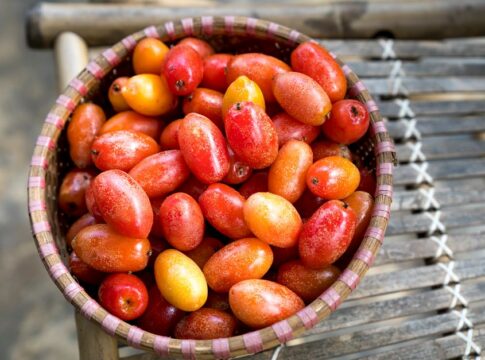
Also called African pear or bush butter fruit, safou grows throughout Central Africa’s tropical forests. The dark purple fruit contains buttery, oil-rich flesh that locals traditionally roast or boil before eating. With fat content reaching 48% in some varieties, safou provides crucial nutrition in regions with limited food security. The fruit’s high oil content, while nutritionally valuable, causes rapid rancidity after harvest, limiting shelf life to mere days. Safou also requires specific heat treatment to neutralize bitter compounds before consumption, adding complexity to handling. Despite recognition as a potential superfood, safou cultivation remains largely informal, with fruit sold only in local African markets. Research institutions work to develop preservation methods that could expand safou’s availability, but commercial distribution remains distant.
9. Kepel: The Breath-Freshening Fruit
Indigenous to Java, Indonesia, kepel fruit grows directly on tree trunks and branches, producing small, mango-like fruits with distinctive ridged skin. Beyond its sweet, mildly aromatic flesh, kepel possesses an unusual property: regular consumption reportedly makes bodily secretions, including breath and urine, smell pleasant like violets. This effect, attributed to unique volatile compounds, made kepel historically popular in Javanese royal courts. The fruit remains extremely localized, growing almost exclusively in central Java with minimal cultivation elsewhere. Kepel trees produce relatively few fruits, and the species faces vulnerability from habitat loss. Cultural taboos traditionally restricted kepel consumption to royalty, limiting agricultural development. Even within Indonesia, kepel appears only sporadically in traditional markets.
10. Marang: The Spiky Fruit That Spoils in Hours
Related to jackfruit and breadfruit, marang grows in the Philippines, Borneo, and surrounding regions, producing softball-sized fruits covered in soft, greenish-yellow spikes. Inside, creamy white segments deliver sweet, fragrant flesh with flavor notes of tropical fruit and vanilla. However, marang holds the unfortunate distinction of having one of the shortest shelf lives of any fruit—beginning to ferment within four to six hours after opening. Even unopened, marang deteriorates within three days of harvest. This extreme perishability makes commercial distribution impossible beyond immediate growing regions. The fruit also emits a strong, penetrating aroma that many find unpleasant, though the flesh tastes considerably better than it smells. Local markets sometimes offer marang seasonally, but availability remains unpredictable and highly restricted geographically.
Why These Fruits Remain Rare
These exotic fruits share common barriers preventing supermarket availability: extreme perishability, difficult cultivation requirements, limited growing regions, or unique properties that complicate handling and transport. Modern supply chains demand fruits that withstand harvesting, processing, shipping, and shelf display while maintaining acceptable appearance and flavor. These rare specimens evolved in specific ecosystems without regard for commercial viability, making them incompatible with global distribution systems. Climate change, habitat loss, and limited agricultural research further threaten many rare fruit species, potentially pushing some toward extinction before broader audiences discover them.
For adventurous food enthusiasts, encountering these fruits requires traveling to their native regions during harvest seasons or finding specialized growers in suitable climates. Botanical gardens occasionally cultivate rare fruit species, offering glimpses of these remarkable specimens. As interest in biodiversity and unique flavors grows, conservation efforts and agricultural research may eventually bring some rare fruits closer to broader availability, though many will likely remain exclusive treasures of their native lands.