










1 / 10 Questions
0 Points

What weather phenomenon is measured on the Fujita scale?

Earthquakes

Tornadoes

Blizzards

Hurricanes

Points won
0
Correct score
0%

More Questions

More Articles

Cows Have Best Friends and Get Stressed When Separated

Cows Have Best Friends and Get Stressed When Separated

By TrivBits, Staff Writer — Published September 20, 2026
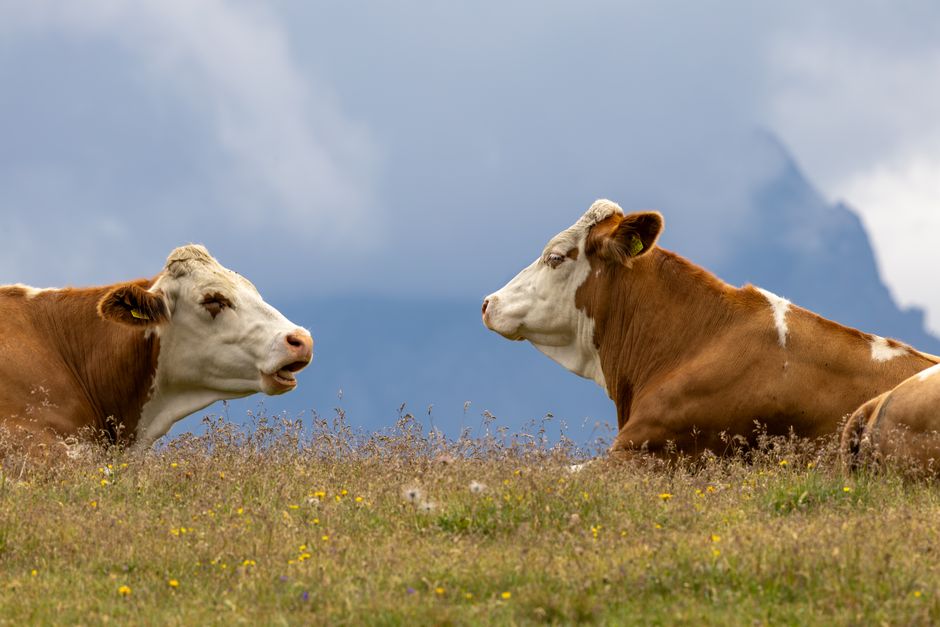
Cows Have Best Friends and Get Stressed When Separated — General trivia by TrivBits

Table of Contents

Did you know that cows form deep emotional bonds with specific herd mates? It's one of those surprising facts that challenges how we think about farm animals. Research shows that cows have best friends and experience measurable stress when separated from their preferred companions. These gentle giants aren't just grazing mindlessly—they're navigating complex social relationships that would make any trivia enthusiast reconsider what they thought they knew about bovine behavior.

This isn't folklore or anthropomorphic wishful thinking. Scientists have documented these friendships through careful observation and physiological measurements, revealing truths about cow intelligence and emotion that many find genuinely fascinating.

Key Takeaways

  • Cows form preferential friendships with one or two specific individuals in their herd, choosing to spend most of their time with these companions.
  • When separated from their best friends, cows show elevated heart rates and increased cortisol levels—biological markers of stress.
  • Paired with friends, cows remain calmer during stressful situations and show improved overall well-being.
  • These social bonds affect milk production, feeding behavior, and general health in dairy cattle.
  • Recognition of cow friendships has practical implications for animal welfare standards on farms worldwide.

How Cows Choose Friends and What Makes These Bonds Special

Watch a herd of cows long enough and patterns emerge. Certain individuals consistently graze together, groom each other, and rest side by side. These aren't random pairings. Researchers at Northampton University in the United Kingdom observed that cows select specific herd mates as preferred companions, much like humans choose close friends from a larger social circle.

The selection process involves interesting factors. Cows often befriend others of similar age and temperament. Calves that grow up together frequently maintain these bonds into adulthood. Personality matters too—bold cows tend to pair with other confident individuals, while more timid cattle seek out similarly cautious companions.

What's particularly striking is the exclusivity of these relationships. While cows interact with many herd members throughout the day, they reserve special behaviors for their chosen friends. Mutual grooming, synchronized movement, and preferential proximity happen most frequently between bonded pairs. These friendships can last for years, sometimes a cow's entire lifetime.

The Science Behind Cows Friends Stressed: Measuring Emotional Bonds

How do scientists prove that separation causes genuine stress rather than simple disorientation? The evidence comes from multiple physiological indicators that paint a clear picture of bovine distress.

Heart rate monitoring reveals immediate responses. When researchers separated cows from their preferred companions and placed them with unfamiliar herd mates, heart rates spiked noticeably. These elevated rates persisted throughout the separation period. Reunite the friends, and heart rates returned to baseline levels within minutes.

Cortisol measurements tell a similar story. This stress hormone rises in cow blood and saliva samples when animals are isolated from their friends. The cortisol spike mirrors what happens in humans during social stress—a remarkable parallel that suggests similar underlying emotional mechanisms.

Behavioral observations add another layer of evidence. Separated cows vocalize more frequently, pace restlessly, and show reduced interest in food. They display what animal behaviorists recognize as anxiety-related behaviors. Place them back with their friends, and these behaviors diminish dramatically.

Unknown Benefits: How Friendships Improve Cow Health and Productivity

The practical implications extend beyond interesting trivia. Farmers have discovered that respecting cow friendships actually improves agricultural outcomes.

Milk production increases when dairy cows are housed with their preferred companions. The reduction in chronic stress allows their bodies to allocate more energy toward lactation rather than stress response. Studies have documented measurable differences in milk yield between cows housed with friends versus those paired randomly.

Feeding behavior also improves. Cows eat more calmly and consistently when their friends are nearby. This stable nutrition intake supports better overall health and more predictable growth rates in beef cattle. The presence of a familiar companion appears to create a sense of security that facilitates normal behavior patterns.

Even veterinary procedures become less stressful. Cows undergoing routine health checks remain calmer when their best friend stands nearby. This calm translates to easier handling, reduced risk of injury to both animals and handlers, and lower stress hormone levels during medical interventions.

Myths Versus Truths About Cow Intelligence and Social Life

Common misconceptions paint cows as simple creatures with minimal emotional lives. The friendship research challenges these outdated views and reveals a more complex reality.

Myth Truth
Cows are solitary and indifferent to other cattle Cows are highly social animals that form structured hierarchies and meaningful relationships
All herd members are interchangeable to a cow Cows recognize dozens of individual herd mates and show clear preferences
Cows lack the intelligence for emotional bonds Cows demonstrate problem-solving abilities and emotional responses comparable to dogs
Separating cows has no psychological impact Separation from friends causes measurable stress with health consequences

These truths matter because they inform how we treat cattle in agricultural settings. Recognizing cognitive and emotional complexity creates ethical obligations that go beyond basic physical care.

Practical Applications: How Farms Are Adapting to This Knowledge

Progressive farmers are redesigning management practices around bovine social needs. Instead of randomly grouping cattle, they track friendships and keep bonded pairs together during moves, medical procedures, and housing assignments.

Some dairy operations now maintain "friendship maps" documenting which cows prefer each other's company. When culling older cows or reorganizing herds, managers consult these maps to minimize social disruption. The initial investment in tracking pays dividends through reduced stress-related health problems and improved productivity.

Transportation protocols have evolved too. Cattle transporters increasingly ensure that friends travel together, reducing the compounded stress of unfamiliar environments and social isolation. Arrival at new locations goes more smoothly when cows have familiar companions for emotional support.

Even slaughterhouse procedures are being reconsidered in some regions. Animal welfare advocates argue that keeping friends together until the end reduces fear and suffering during final moments—a controversial but growing consideration in humane farming discussions.

Frequently Asked Questions

Do cows recognize individual humans the way they recognize cow friends?

Yes, cows can distinguish between individual humans and remember people for years. They respond differently to handlers who have treated them gently versus those who were rough or frightening. However, their bonds with other cows appear stronger and more emotionally significant than their relationships with humans, likely because cows are their natural social group.

How many friends does a typical cow have?

Most cows form close bonds with two to four preferred companions within their herd, though they'll have one or two especially close friends. They recognize and interact peacefully with many more herd members—cows can remember approximately 50 to 70 individual cattle—but reserve their deepest bonds for a select few.

Can cows become depressed if their best friend dies or is permanently removed?

Research suggests cows do experience grief-like responses when permanently separated from close companions. They may show reduced appetite, decreased activity, increased vocalization, and elevated stress hormones for days or weeks following the loss. These responses gradually diminish as they form new bonds, but the adjustment period is measurable and real.

Are cow friendships exclusive, or do they have friend groups?

Cow friendships tend toward exclusive pairs or small trios rather than large friend groups. While cows exist within larger herd social structures and have acquaintances throughout the group, their intimate grooming and resting behaviors concentrate on one or two special companions. This pattern resembles human best friendships more than casual social networks.

Sources

Top 10 Facts About Extreme Sports

Top 10 Facts About Extreme Sports

⏱️ 7 min read

Extreme sports have captured the imagination of thrill-seekers and spectators worldwide, pushing the boundaries of human capability and redefining what's possible in athletic achievement. These high-adrenaline activities combine physical prowess, mental fortitude, and a willingness to face danger head-on. From scaling vertical cliffs to soaring through the air, extreme sports represent the pinnacle of human adventure and determination.

Understanding the World of Extreme Sports

The following facts reveal the fascinating history, science, and culture behind these death-defying activities that continue to evolve and captivate millions around the globe.

1. The Term "Extreme Sports" Emerged in the 1990s

While dangerous recreational activities have existed for centuries, the phrase "extreme sports" didn't enter mainstream vocabulary until the 1990s. The X Games, launched by ESPN in 1995, played a pivotal role in popularizing this terminology and bringing these alternative sports into living rooms across America. Before this marketing revolution, these activities were often called "action sports" or "adventure sports." The X Games transformed fringe activities like skateboarding, BMX, and inline skating into legitimate competitive sports with professional athletes, sponsorships, and global audiences. This commercial success fundamentally changed how society viewed these once-underground pursuits.

2. BASE Jumping Has a 0.04% Fatality Rate Per Jump

BASE jumping—which stands for Building, Antenna, Span (bridge), and Earth (cliff)—is statistically one of the most dangerous extreme sports in existence. Research indicates that approximately one in every 2,300 jumps results in death, making it significantly more dangerous than skydiving, which has a fatality rate of about 0.0007% per jump. The extreme danger stems from the low altitude of BASE jumps, typically between 200 and 2,000 feet, leaving virtually no room for error or reserve parachute deployment. Despite these sobering statistics, the sport continues to attract dedicated practitioners who meticulously plan each jump and continuously innovate safety protocols.

3. Big Wave Surfing Features Waves Over 60 Feet Tall

Big wave surfing represents one of the ocean's most formidable challenges, with riders tackling waves that can exceed 60 feet in height. The legendary surf break Nazaré in Portugal has produced waves measuring over 100 feet, setting world records and drawing elite surfers from around the globe. These massive waves are created by unique underwater canyon formations that amplify ocean swells. Surfers often use jet skis for tow-in surfing to reach the necessary speed to catch these enormous waves. The sport requires exceptional physical conditioning, intimate knowledge of ocean patterns, and split-second decision-making abilities, as a single mistake can result in being held underwater for dangerously long periods.

4. Free Solo Climbing Eliminates All Safety Equipment

Free solo climbing takes rock climbing to its absolute extreme by removing all ropes, harnesses, and protective gear. Climbers ascend vertical rock faces hundreds or thousands of feet high with nothing but climbing shoes, chalk, and their physical abilities. Alex Honnold's 2017 free solo ascent of El Capitan's 3,000-foot vertical face in Yosemite National Park brought international attention to this incredibly dangerous discipline. The mental preparation required is as intense as the physical training, with climbers spending months or years memorizing every handhold and foothold on a route before attempting a ropeless climb. A single mistake means certain death, making free solo climbing perhaps the purest test of human skill and nerve.

5. Extreme Sports Trigger Powerful Neurochemical Responses

The rush experienced during extreme sports isn't just psychological—it's a complex neurochemical event. When engaging in high-risk activities, the brain releases a potent cocktail of dopamine, endorphins, and adrenaline. This biochemical response creates feelings of euphoria, heightened awareness, and reduced pain perception. Research has shown that extreme athletes may have different dopamine receptor profiles than the general population, potentially explaining their attraction to risk. Additionally, the intense focus required during extreme sports activities can produce a "flow state," where athletes experience complete immersion and optimal performance. Some psychologists suggest that regular extreme sports participants may develop a tolerance to these neurochemical rewards, potentially seeking increasingly dangerous activities to achieve the same psychological effects.

6. Wingsuit Flying Reaches Speeds of 200 MPH

Wingsuit flying, sometimes called wingsuit BASE jumping, allows humans to approximate bird-like flight by wearing specialized suits with fabric wings between the arms and legs. Experienced wingsuit pilots can achieve horizontal speeds exceeding 200 miles per hour while maintaining a glide ratio of up to 3:1, meaning they travel three feet forward for every foot of altitude lost. Modern wingsuits have evolved dramatically since the early 2000s, incorporating advanced aerodynamic designs that provide greater control and performance. Pilots can fly within feet of cliff faces, through narrow gaps, and along mountainsides, creating breathtaking footage that has made wingsuit flying one of the most visually spectacular extreme sports. However, the sport maintains a significant fatality rate, with many deaths occurring during proximity flights near terrain.

7. Ice Climbing Requires Specialized Equipment and Techniques

Ice climbing transforms frozen waterfalls, glaciers, and ice-covered rock faces into vertical playgrounds for specialized athletes. This extreme sport requires unique equipment including ice axes, crampons with front points, and ice screws for protection. Unlike rock climbing where holds remain relatively constant, ice climbing presents constantly changing conditions affected by temperature, sun exposure, and ice quality. Climbers must assess ice integrity continuously, listening for hollow sounds and watching for fracture patterns that might indicate unstable conditions. The sport encompasses various disciplines, from frozen waterfall climbing to alpine ice routes and mixed climbing that combines ice with rock. Elite ice climbers possess exceptional upper body strength, technical skill, and the ability to maintain composure while dangling from tools embedded in frozen water.

8. Freestyle Motocross Features 40-Foot Aerial Tricks

Freestyle motocross (FMX) has evolved from simple jumps into a spectacular aerial circus where riders perform complex tricks while launching motorcycles 40 feet or more into the air. Professional FMX riders execute maneuvers with names like backflips, Superman seat grabs, and the death-defying double backflip—a trick so dangerous that only a handful of riders in the world can perform it successfully. The physics involved are extraordinary: riders must manage a 200-pound motorcycle while separated from it in mid-air, then reconnect perfectly to land safely on ramps positioned up to 100 feet apart. Modern FMX competitions at events like X Games and Nitro Circus have pushed progression so rapidly that tricks considered impossible just a decade ago are now part of standard competition runs.

9. Street Luge Reaches Speeds Exceeding 100 MPH

Street luge, one of the fastest non-motorized land sports, involves riders lying supine on modified skateboards and racing down paved roads at speeds that can exceed 100 miles per hour. Unlike traditional skateboarding, street luge riders lie flat on their backs, reducing wind resistance and lowering their center of gravity for improved stability. Riders wear full leather suits and helmets, as any contact with the pavement at these speeds would result in catastrophic injuries. The sport requires exceptional courage, as riders have limited visibility and must navigate turns and obstacles while mere inches from the ground. Braking is accomplished primarily through foot dragging and air resistance, making speed control a critical skill. Despite its extreme nature, street luge has developed organized racing circuits with safety regulations and standardized equipment specifications.

10. Extreme Sports Generate Billions in Economic Impact

The extreme sports industry has grown into a multi-billion-dollar global phenomenon, encompassing equipment manufacturing, event management, media rights, tourism, and athlete sponsorships. Major brands invest heavily in extreme sports marketing, recognizing these activities' appeal to younger demographics. Action cameras like GoPro were specifically developed for extreme sports documentation and have become mainstream consumer products. Extreme sports tourism has transformed locations like Queenstown, New Zealand, and Interlaken, Switzerland, into international adventure destinations. The economic impact extends to medical and insurance industries, which have developed specialized products for extreme athletes. Social media has amplified this economic engine, with extreme sports content generating billions of views and creating new career opportunities for athletes who can monetize their digital presence through sponsorships, advertising revenue, and brand partnerships.

The Enduring Appeal of Extreme Sports

These ten facts illustrate why extreme sports continue to fascinate participants and spectators alike. From their relatively recent mainstream emergence to the profound physiological and economic impacts they create, extreme sports represent humanity's perpetual drive to test limits and seek new frontiers. While these activities carry inherent risks, they also demonstrate extraordinary human potential, courage, and the relentless pursuit of experiences that make us feel truly alive. As technology advances and athletes continue pushing boundaries, extreme sports will undoubtedly evolve in ways we cannot yet imagine, creating new chapters in this thrilling story of human adventure.