
By TrivBits, Staff Writer — Published August 21, 2026
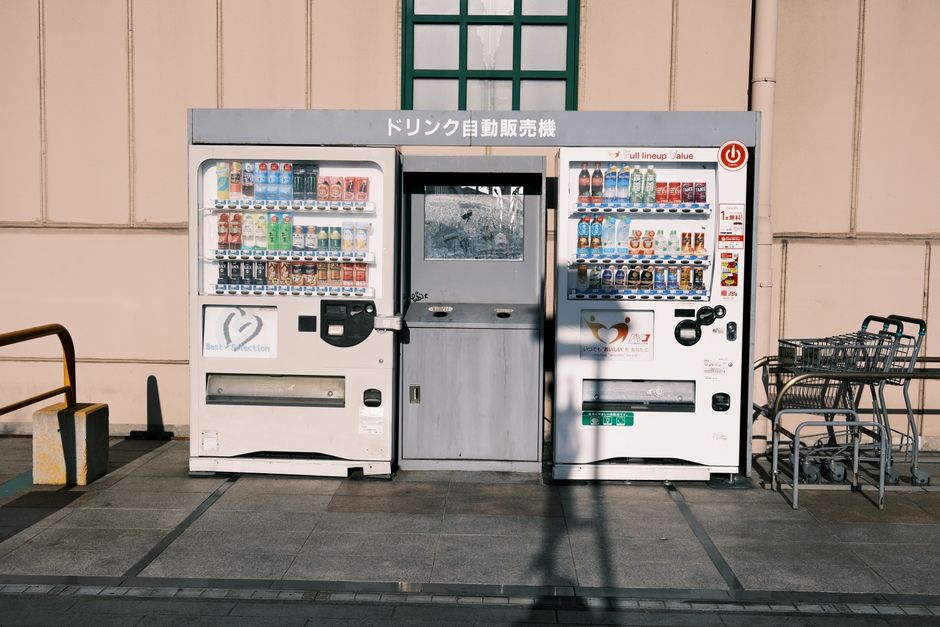
Table of Contents
- Key Takeaways
- The Truth Behind Bizarre Vending Machines and Fatal Incidents
- Comparing Vending Machines to Other Unusual Death Statistics
- International Variations in Vending Machine Safety
- 13 Bizarre and Surprising Facts About Vending Machine Deaths
- Frequently Asked Questions
- Sources
Vending machines seem harmless enough—dispensing snacks, sodas, and the occasional disappointment when your chips get stuck. But did you know these everyday conveniences have a darker side? The myth that bizarre vending machines kill more people than sharks has circulated for years, sparking debates about safety, statistics, and the surprising dangers lurking in break rooms worldwide. While the truth is more nuanced than the headlines suggest, vending machine-related deaths are real, documented, and stranger than you might imagine.
The trivia surrounding these incidents reveals fascinating insights into human behavior, engineering failures, and statistical misunderstandings. Let’s explore the interesting and often unknown facts about this peculiar public safety issue.
Key Takeaways
- Vending machine deaths occur primarily from tipping and crushing incidents, not electrical malfunctions
- The famous shark comparison statistic is misleading due to exposure differences
- Modern vending machines include anti-tilt technology to prevent fatal accidents
- Japan’s unique vending machine culture presents different safety challenges than Western countries
- Most incidents involve deliberate rocking or shaking to retrieve stuck items
- Accurate death statistics are difficult to compile due to reporting inconsistencies
The Truth Behind Bizarre Vending Machines and Fatal Incidents
The mechanics of vending machine deaths are surprisingly straightforward. These machines typically weigh between 600 and 900 pounds when fully stocked. When someone rocks or tilts one to dislodge a stuck item, the center of gravity shifts. Once the tipping point is reached, hundreds of pounds come crashing down. The human body simply cannot withstand that crushing force, particularly when the machine lands on the chest or head.
What makes these deaths particularly tragic is their preventability. Nearly all documented cases involve people deliberately shaking machines after losing money or when products failed to dispense. The frustration of losing a dollar or two leads to a decision with catastrophic consequences. Modern engineering has addressed this through weighted bases and anti-tilt sensors, but older machines remain in circulation.
The statistical landscape is murky. Different agencies track these incidents differently, and many countries lack centralized reporting systems for vending machine accidents. What we do know suggests roughly 2 to 4 deaths occur annually in the United States alone, though some years see none while others record more.
Comparing Vending Machines to Other Unusual Death Statistics
The shark comparison deserves scrutiny. Yes, vending machines have been associated with more annual deaths than shark attacks in some years. But this comparison ignores exposure rates entirely. Millions of people interact with vending machines daily, while relatively few swim in shark-inhabited waters. The per-encounter risk tells a completely different story.
| Cause of Death | Approximate Annual U.S. Deaths | Exposure Rate |
|---|---|---|
| Vending Machines | 2-4 | Millions of daily interactions |
| Shark Attacks | 1 or fewer | Limited ocean exposure |
| Lightning Strikes | About 20 | Universal exposure |
| Dog Attacks | 30-50 | High interaction rate |
Other bizarre comparison statistics reveal that cows kill more people than vending machines, primarily through kicks and crushes on farms. Falling coconuts, despite popular trivia claims, have death rates that are poorly documented and likely exaggerated. The point isn’t that vending machines are exceptionally dangerous—it’s that rare causes of death make for compelling trivia while obscuring meaningful risk assessment.
International Variations in Vending Machine Safety
Japan operates approximately 5 million vending machines—one for every 25 people. This represents the highest vending machine density anywhere on Earth. Yet Japanese vending machine deaths remain remarkably rare. Why? The machines are typically lighter, bolted to the ground, or built into walls. Cultural factors matter too; public property vandalism carries strong social stigma in Japan, making aggressive shaking less common.
European countries have adopted stricter safety standards following several high-profile incidents in the 1990s. Many require stability testing and certification before machines can be installed in public spaces. Australia implemented similar regulations after a series of deaths in the 1980s prompted public outcry and regulatory reform.
Developing nations present different challenges. Imported used machines may lack modern safety features, and regulatory oversight varies widely. Reporting systems for these deaths are often nonexistent, making the true global toll impossible to calculate accurately.
13 Bizarre and Surprising Facts About Vending Machine Deaths
1. The Rocking Motion Creates a Pendulum Effect
When someone rocks a vending machine back and forth, each motion increases the amplitude of the swing. Physics takes over quickly. The machine builds momentum with each rock until it passes the point of no return. This pendulum effect means even a person of average strength can topple a machine weighing several hundred pounds, often with fatal results. The process takes mere seconds from first shake to catastrophic fall.
2. Most Victims Are Young Adult Males
Demographic data reveals a clear pattern. The majority of vending machine death victims are males between ages 18 and 35. Researchers attribute this to higher risk-taking behavior, greater upper body strength enabling more forceful shaking, and statistical likelihood of encountering vending machines in workplace or recreational settings. This pattern mirrors other accidental death statistics involving preventable risks.
3. Anti-Tilt Technology Exists But Isn’t Universal
Modern vending machines can include sensors that detect tilting beyond safe angles. When triggered, these systems shut down the machine and sometimes sound an alarm. Some models feature weighted bases that make tipping nearly impossible. The problem? Retrofitting older machines is expensive, and many operators continue using decades-old equipment. The newest technology exists alongside machines from the 1980s and 1990s.
4. Electrical Deaths Are Extremely Rare
Despite concerns about electrocution, crushing accounts for the vast majority of vending machine fatalities. Modern machines use low-voltage systems for most operations, and electrical components are shielded. The few electrical incidents documented typically involve maintenance workers accessing internal components, not customers. The crushing risk far exceeds any electrical danger for ordinary users.
5. Warning Labels Have Limited Effectiveness
Manufacturers now place prominent warning labels on machines cautioning against rocking or tilting. Studies on warning label effectiveness suggest people often ignore them, particularly in moments of frustration. The psychological state of someone who just lost money or received no product overrides rational risk assessment. Visual warnings compete with dozens of other labels and instructions people have learned to tune out.
6. Some Machines Dispense Unexpectedly Dangerous Items
Beyond the crushing hazard, certain vending machines create unique risks. Frozen product machines in Japan occasionally malfunction, dispensing items at temperatures cold enough to cause burns. Machines dispensing glass bottles can shatter during the drop, creating sharp projectiles. These secondary hazards rarely cause death but contribute to thousands of minor injuries annually worldwide.
7. Workplace Settings See Disproportionate Incidents
Break rooms and workplace common areas account for a significant portion of vending machine deaths. The combination of high-traffic use, older machines, and users who interact with the same machine repeatedly creates risk. Familiarity breeds contempt—workers who have successfully shaken a machine before may try increasingly aggressive tactics when products stick.
8. Injury Statistics Dwarf Death Statistics
For every vending machine death, hundreds of non-fatal injuries occur. These range from minor bruises and cuts to serious crush injuries, broken bones, and head trauma. Emergency room data suggests thousands of vending machine-related injuries happen annually in the United States alone. The death statistics capture only the most extreme outcomes of a much broader safety issue.
9. Product Retrieval Methods Vary by Desperation
Documentation of incidents reveals creative and dangerous retrieval attempts. People have tried reaching up through the dispensing slot, climbing on top of machines, using tools to pry open doors, and coordinating group efforts to shake machines. Each method carries distinct risks. Climbing introduces fall hazards; reaching inside can trap limbs; group shaking generates far more force than one person alone.
10. Insurance and Liability Remain Complicated
When a vending machine kills someone, determining liability involves multiple parties. The machine owner, property owner, manufacturer, and maintenance company may all face scrutiny. Legal precedents vary by jurisdiction. Some courts have found victims partially liable for their own deaths when evidence shows deliberate tampering. Others have held operators responsible for maintaining unsafe equipment or failing to secure machines properly.
11. Theft Attempts Increase Risk Exponentially
Some vending machine incidents involve actual theft attempts rather than simple product retrieval. People have tried tipping machines to access coin mechanisms or force doors open. These deliberate criminal acts often end in tragedy. The irony is stark—someone dies attempting to steal perhaps a few hundred dollars in coins and products, a crime that would typically warrant minimal punishment if successful.
12. Temperature Extremes Affect Machine Stability
Environmental factors influence vending machine safety in unexpected ways. Machines placed outdoors experience ground settling, frost heave, and foundation shifts that can compromise stability. Internal components expand and contract with temperature changes, potentially affecting balance. Outdoor machines in northern climates face particular challenges, as freeze-thaw cycles gradually undermine even properly installed equipment.
13. The Myth Persists Despite Declining Incidents
Improved safety standards and newer machines have likely reduced vending machine deaths over the past two decades, yet the trivia persists in popular culture. The statistic serves as a memorable example of counterintuitive risk, making it irresistible for trivia collections and bar bets. This creates a fascinating loop where awareness of the danger may actually prevent deaths, while the myth’s persistence suggests the problem was always overstated. Truth and perception diverge in interesting ways.
Frequently Asked Questions
Are vending machines really more dangerous than sharks?
The comparison is misleading because it ignores exposure rates. While vending machines may cause more total deaths in some years, billions of vending machine interactions occur compared to relatively few shark encounters. Per interaction, sharks are far more dangerous. The statistic is technically true but contextually deceptive, which is why it persists as memorable trivia despite being a poor risk comparison.
What should you do if a product gets stuck in a vending machine?
Never rock, shake, or tilt the machine. Contact the phone number displayed on the machine to report the malfunction and request a refund. Most operators will reimburse lost money or provide credit. If you used a credit card, you can dispute the charge. Your financial loss is minimal compared to the risk of serious injury or death from attempting to force the machine to dispense.
How many people actually die from vending machines each year?
Reliable statistics are difficult to obtain, but estimates suggest between 2 and 4 deaths occur annually in the United States. Global numbers are harder to determine due to inconsistent reporting. Some years see no reported deaths, while others record several. The numbers appear to be declining as older machines are replaced with safer designs and anti-tilt technology becomes more common.
Can vending machine operators be held legally responsible for deaths?
Legal liability depends on multiple factors including machine condition, proper installation, adequate warnings, and the victim’s actions. Courts have reached different conclusions based on specific circumstances. Operators who maintain unsafe equipment or fail to secure machines properly may face liability. However, victims who deliberately tampered with machines have been found partially or fully responsible for their own injuries in some jurisdictions.