
By TrivBits, Staff Writer — Published November 9, 2026
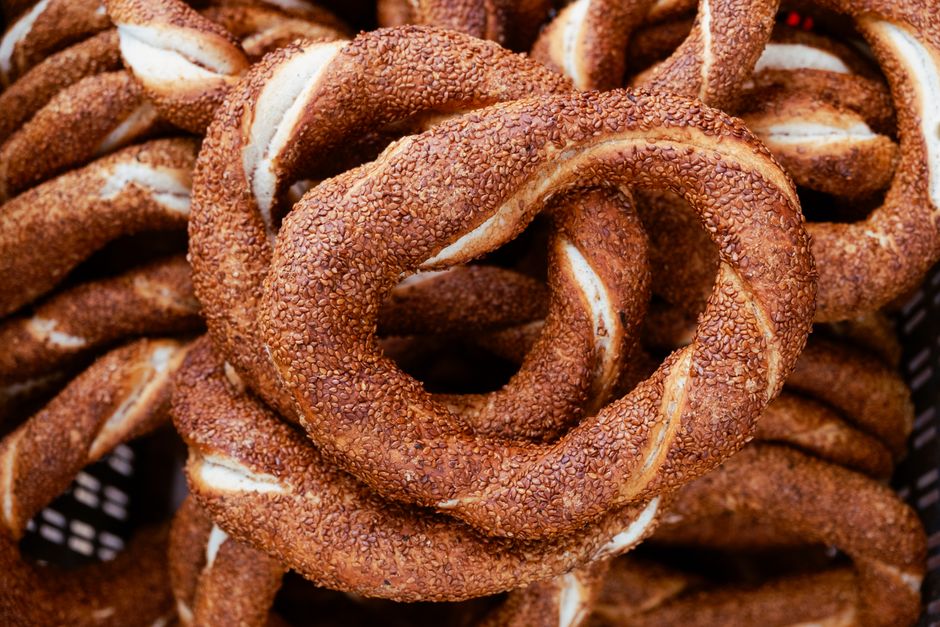
Table of Contents
- Key Takeaways
- The Pretzel Shape Origins: A Monk’s Creation
- Symbolism Beyond the Twist: The Trinity Connection
- From Sacred Symbol to Cultural Icon
- Interesting Facts and Myths About Pretzel History
- The Evolution of Pretzel Shapes and Styles
- Frequently Asked Questions
- Sources
The twisted, knotted shape of a pretzel is instantly recognizable, but did you know this beloved snack’s distinctive form carries centuries of religious meaning? The pretzel shape origins trace back to early Christian Europe, where monks created these simple dough twists as spiritual rewards for faithful children. What began as a sacred symbol has become one of the world’s most popular snack foods, though few people munching on pretzels today realize they’re eating edible prayers.
This surprising connection between faith and food reveals how deeply religion influenced medieval daily life. The pretzel’s story intertwines fascinating trivia about monastic traditions, Lenten observances, and the evolution of symbols into everyday objects.
Key Takeaways
- Pretzels were likely created by European monks in the early Middle Ages as rewards for children who learned their prayers
- The distinctive twisted shape represents arms crossed in prayer, a common Christian prayer posture of the era
- The three holes in a traditional pretzel symbolized the Holy Trinity in Christian theology
- Pretzels were considered appropriate Lenten food because they contained only flour, water, and salt—no eggs, dairy, or fat
- The Latin name “pretiola” (meaning “little rewards”) likely evolved into the word “pretzel”
- Pretzels became associated with good luck, prosperity, and spiritual wholeness across European cultures
The Pretzel Shape Origins: A Monk’s Creation
The most widely accepted account places pretzel invention in European monasteries around the 6th or 7th century, though the exact date remains debated among food historians. Monks baked these simple bread twists using leftover dough scraps, creating an economical treat that served a spiritual purpose. The ingredients were deliberately minimal—just flour, water, and salt—making pretzels permissible during Lent when Christian dietary restrictions prohibited eggs, lard, and dairy products.
These early monks folded strips of dough to mimic the prayer posture of the time. Christians crossed their arms over their chests when praying, placing each hand on the opposite shoulder. Look closely at a pretzel. Those loops? They’re arms. The center? A devout chest. This wasn’t accidental design—it was intentional religious instruction baked into bread.
Monks reportedly gave these “pretiola” (little rewards) to children who memorized their prayers and scripture verses. The edible prize reinforced the lesson while providing a tangible reminder of proper prayer posture. In an era when most people couldn’t read, such visual and tactile teaching tools proved invaluable for religious education.
Symbolism Beyond the Twist: The Trinity Connection
The religious symbolism didn’t stop with crossed arms. Medieval Christians saw the three openings within the pretzel’s loops as representing the Holy Trinity—Father, Son, and Holy Spirit. This triple symbolism made pretzels particularly appropriate for religious occasions and spiritual instruction.
Some traditions also interpreted the continuous dough as representing eternal life or the unbroken nature of divine love. The golden-brown color after baking reminded believers of spiritual enlightenment and heavenly glory. Every aspect of this humble bread carried layers of meaning for medieval Christians.
Pretzels appeared in religious artwork, including paintings depicting children in paradise. They adorned church celebrations and marked significant dates in the liturgical calendar. What we consider a simple snack was once a profound religious symbol woven into the fabric of Christian devotional life.
From Sacred Symbol to Cultural Icon
As pretzels spread throughout Europe, different regions adopted them for various traditions. In Germany, pretzel bakers formed exclusive guilds, and the pretzel became associated with bakers’ craftsmanship. The twisted bread appeared on bakery signs and guild emblems, transforming from purely religious symbol to professional insignia.
German and Swiss traditions linked pretzels to New Year celebrations, where they symbolized good luck and prosperity for the coming year. Couples used pretzels in wedding ceremonies, with the bride and groom making wishes while breaking a pretzel together—a custom that predated the modern wishbone tradition.
By the Renaissance, pretzels had become so popular that they transcended their monastic origins. Street vendors sold them in town squares. Families baked them for holidays. The religious meaning remained, but pretzels had entered secular life as comfort food, celebration bread, and everyday snack.
Interesting Facts and Myths About Pretzel History
Several colorful legends surround pretzel history, though not all withstand historical scrutiny. One tale claims pretzels helped defend a European city when monks baking late at night heard invading soldiers tunneling beneath their monastery and raised the alarm. While this makes an entertaining story, evidence supporting it remains thin.
Another myth suggests pretzels’ popularity in Pennsylvania Dutch country stems from their resemblance to the sun, making them spring equinox symbols. The truth? German immigrants brought their pretzel-baking traditions to America, where religious and cultural familiarity—not solar symbolism—ensured their continued popularity.
Here’s a verifiable interesting fact: pretzels were among the first snack foods marketed in America. German immigrants established commercial pretzel bakeries in Pennsylvania during the 19th century, creating an industry that would eventually produce the crunchy, mass-produced pretzels we know today—quite different from the soft, bready originals.
The Evolution of Pretzel Shapes and Styles
| Pretzel Type | Characteristics | Regional Association |
|---|---|---|
| Traditional Soft | Large, chewy, often salted; brown exterior with soft interior | Southern Germany, Austria, Switzerland |
| Hard/Crunchy | Small, crispy throughout; modern snack food version | American innovation, now worldwide |
| Laugenbrezel | Dipped in lye solution before baking; distinctive dark brown color | Bavaria and Swabia regions of Germany |
| Stick Pretzels | Straight rods lacking traditional twist; easier mass production | Modern commercial production |
Despite these variations, the classic twisted shape endures. Even when manufacturers produce stick pretzels for efficiency, the traditional knot remains the iconic form most associated with the name.
Frequently Asked Questions
Why are pretzels twisted into that specific shape?
The pretzel’s distinctive twist represents arms crossed in prayer, the standard Christian prayer posture during the Middle Ages. Monks created this shape to teach children proper prayer position while rewarding them for learning religious lessons. The three holes formed by the twist symbolized the Holy Trinity.
Were pretzels really invented by monks?
While the exact origin cannot be definitively proven, the most credible historical evidence points to European monasteries in the early Middle Ages. The simple ingredients (flour, water, salt) align perfectly with Lenten dietary restrictions that monks observed, and multiple historical sources reference monastic pretzel-making traditions.
What does the word “pretzel” actually mean?
The word likely derives from the Latin “pretiola,” meaning “little rewards,” referring to how monks gave these treats to children who successfully learned their prayers. This Latin root evolved through various European languages—becoming “brezel” in German—before arriving at the English “pretzel.”
Do pretzels still have religious significance today?
While pretzels remain part of some Christian traditions, particularly in German-speaking regions during Lent, most people today eat them without religious context. Some churches still use pretzels in educational settings to teach children about prayer and Christian history, preserving the original symbolic purpose.
Next time you grab a pretzel—whether soft and warm from a street cart or crunchy from a bag—you’re holding an edible artifact of medieval devotion. That twisted shape has survived more than a millennium, outlasting empires and crossing oceans, all while carrying its hidden prayer within every loop and fold.