
By TrivBits, Staff Writer — Published November 10, 2026
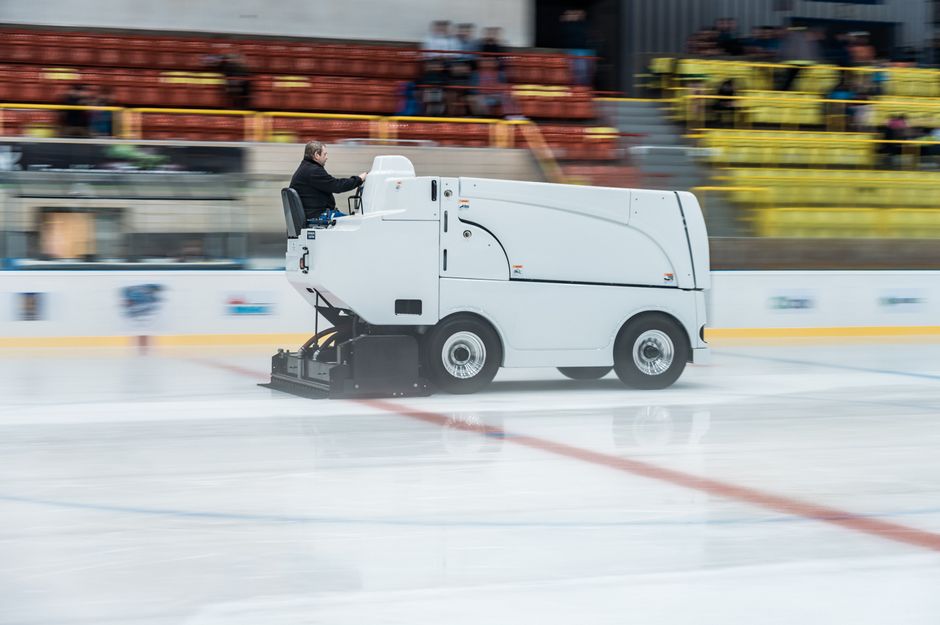
Table of Contents
- Key Takeaways
- The Physics Behind Hot Water on Ice Rinks: How Water Temperature Affects Zamboni Performance
- The Melting Paradox: Why Heat Creates Better Ice
- Debunking Common Ice Rink Myths
- Comparing Water Temperatures: The Ice Quality Difference
- The Energy Economics and Environmental Considerations
- Frequently Asked Questions
- Sources
Did you know that the gleaming, glass-like surface of your favorite ice rink starts with hot water, not cold? It’s one of those surprising facts that seems to defy common sense. After all, why would you use hot water to make ice? The answer lies in the fascinating physics behind how ice rinks work and the secrets that Zamboni operators have perfected over decades. This counterintuitive truth reveals how temperature, chemistry, and a little bit of know-how combine to create the perfect skating surface.
The practice of using hot water on ice rinks isn’t just tradition or superstition. There’s solid science backing this interesting technique, and understanding it opens a window into the hidden world of ice quality and maintenance.
Key Takeaways
- Ice rinks routinely use hot water during resurfacing because it creates smoother, harder ice than cold water would.
- Hot water contains less dissolved oxygen and fewer impurities, which reduces cloudiness and air bubbles in the frozen surface.
- Warmer water melts the top layer of existing ice slightly, filling in grooves and creating better adhesion between layers.
- The Zamboni machine’s design optimizes hot water application, though the exact temperature varies by rink and conditions.
- This method has been refined since the invention of ice resurfacing machines in the 1940s.
- Cold water would freeze too quickly on contact, trapping imperfections rather than smoothing them out.
The Physics Behind Hot Water on Ice Rinks: How Water Temperature Affects Zamboni Performance
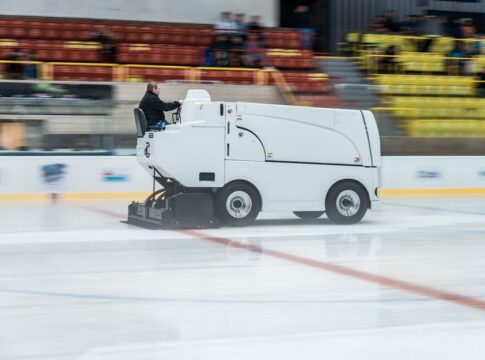
When a Zamboni glides across an ice rink, it’s performing a carefully choreographed dance of scraping, washing, and resurfacing. The machine shaves off the top layer of damaged ice, collects the snow, and lays down a thin film of fresh water. But here’s where the trivia gets interesting: that water is typically heated to temperatures between 140°F and 165°F (60°C to 74°C).
Hot water works better for several reasons. First, it has lower viscosity than cold water, meaning it flows more smoothly and spreads more evenly across the ice surface. Think of honey versus water—warmer liquids move with less resistance. This characteristic allows the hot water to create an ultra-thin, uniform layer that freezes into a pristine sheet.
Second, hot water has released much of its dissolved gases during heating. Cold water straight from the tap contains oxygen, nitrogen, and other dissolved gases. When this cold water freezes, those gases form tiny bubbles, creating cloudy, weaker ice. Hot water, having already released these gases, freezes clearer and harder. Professional ice makers know this creates a more transparent surface that’s also more durable under the punishment of skate blades.
The Melting Paradox: Why Heat Creates Better Ice
Here’s an unknown aspect that surprises many: hot water actually melts the existing ice surface slightly before refreezing. This isn’t a flaw; it’s a feature. When the warm water contacts the cold ice below, it creates a thin layer of slush that fills in all the scratches, gouges, and imperfections left by skaters.
As this layer cools and refreezes, it bonds seamlessly with the ice beneath it. Cold water, by contrast, would freeze almost instantly on contact, potentially forming a separate layer that doesn’t adhere well. This could create delamination—where the new ice separates from the old, forming dangerous cracks and uneven spots.
The temperature differential also matters for timing. Rink operators need the water to freeze at a controlled rate. Too fast, and you trap imperfections. Too slow, and you waste time and energy. Hot water hits the sweet spot, giving just enough time to settle into a smooth surface before the cold ambient temperature (rinks are typically maintained around 24°F to 26°F or -4°C to -3°C) freezes it solid.
Debunking Common Ice Rink Myths
Several myths persist about ice rinks and water temperature. Let’s separate truth from fiction.
Myth: Hot water freezes faster than cold water. You might have heard about the Mpemba effect, a phenomenon where hot water can sometimes freeze faster than cold water under specific conditions. While this effect exists in laboratory settings, it’s not why rinks use hot water. The real benefits are clarity, smoothness, and adhesion, not speed.
Myth: Any temperature of hot water works equally well. False. There’s an optimal range. Too hot, and you risk melting too much of the base ice, wasting energy and potentially causing structural problems. Too cool, and you lose the benefits. Experienced Zamboni operators adjust water temperature based on factors like ambient temperature, ice hardness, and usage patterns.
Myth: The Zamboni invented this technique. While Frank Zamboni revolutionized ice resurfacing when he invented his machine in 1949, ice makers had already discovered that warm water produced better results. Zamboni’s genius was engineering a machine that could efficiently apply this knowledge on a large scale.
Comparing Water Temperatures: The Ice Quality Difference
| Water Temperature | Ice Clarity | Surface Smoothness | Adhesion Quality | Freezing Time |
|---|---|---|---|---|
| Cold (40-60°F) | Cloudy with bubbles | Rough, uneven | Poor layer bonding | Very fast |
| Warm (90-120°F) | Moderately clear | Better than cold | Good | Moderate |
| Hot (140-165°F) | Very clear | Glass-like finish | Excellent bonding | Optimal rate |
| Too Hot (180°F+) | Clear but risky | Initially smooth | Can damage base | Slow, inefficient |
The Energy Economics and Environmental Considerations
Using hot water requires energy, which raises questions about efficiency and cost. Modern rinks must balance ice quality with operational expenses and environmental responsibility.
Heating water for resurfacing does consume energy, but the amount is relatively modest in the context of overall rink operations. Maintaining the ice itself—keeping the entire rink frozen—requires far more energy than heating resurfacing water. Many facilities use efficient water heaters and even recycle heat from refrigeration systems to warm their Zamboni water, reducing waste.
The payoff comes in ice longevity and quality. Better ice means fewer resurfacing passes, which saves both water and energy over time. It also means happier skaters, fewer injuries from poor ice conditions, and better performance for hockey players and figure skaters who depend on consistent surface quality.
Frequently Asked Questions
What temperature water do ice rinks actually use in their Zambonis?
Most ice rinks use water heated to between 140°F and 165°F (60°C to 74°C) for resurfacing. The exact temperature depends on factors like the rink’s base ice temperature, the type of activity (hockey versus figure skating), and local conditions. Operators adjust the temperature seasonally and even throughout the day based on usage patterns.
Does hot water really make clearer ice than cold water?
Yes, hot water produces noticeably clearer ice because the heating process drives out dissolved gases that would otherwise form bubbles when frozen. These tiny air pockets create cloudiness in ice made from cold water. Professional ice makers prefer hot water specifically for this transparency, which also indicates stronger, more uniform ice structure.
How long does it take for the hot water to freeze after resurfacing?
The thin layer of hot water applied during resurfacing typically freezes within 5 to 15 minutes, depending on the ice temperature, air temperature, humidity, and water thickness. The water cools rapidly on contact with the cold ice surface, then gradually solidifies from the bottom up. This controlled freezing rate is part of what creates such smooth results.
Do all ice rinks use hot water, or do some use cold water?
While the vast majority of professional and well-maintained ice rinks use hot water for resurfacing, some smaller or older facilities might use cold or lukewarm water due to equipment limitations or lack of awareness. The difference in ice quality is usually obvious—professional rinks with hot water systems produce noticeably superior skating surfaces.