
7 Surprising Facts About Peanuts Being Legumes Not Nuts
By TrivBits, Staff Writer — Published August 10, 2026
Table of Contents
- Key Takeaways
- Understanding the Legume Family Connection
- How Peanuts Grow Underground
- Nutritional Comparison: Peanuts vs. Tree Nuts
- Frequently Asked Questions
Despite their name, peanuts aren’t nuts at all. This common misconception has fooled generations of snackers who assume these crunchy treats belong in the same category as almonds and walnuts. The truth is far more interesting: peanuts are legumes, making them botanical cousins to beans, lentils, and peas. This fundamental fact about peanuts being legumes not nuts opens the door to a world of fascinating trivia that challenges what most people think they know about their favorite ballpark snack.
Understanding why peanuts qualify as legumes rather than tree nuts reveals surprising details about how they grow, their nutritional profile, and even why some people with nut allergies can safely enjoy them. Let’s explore the amazing facts that separate peanuts from actual nuts.
Key Takeaways
- Peanuts develop underground in pods, unlike true nuts that grow on trees
- They belong to the Fabaceae family, sharing more DNA with chickpeas than cashews
- Peanut plants perform a unique “pegging” process where flowers burrow into soil to form pods
- George Washington Carver developed over 300 uses for peanuts, transforming American agriculture
- Peanuts fix nitrogen in soil, making them valuable rotation crops for farmers
- Two peanuts have never been exactly alike, much like snowflakes
Understanding the Legume Family Connection
Peanuts share their family tree with some unexpected relatives. The Fabaceae family—also called Leguminosae—includes approximately 20,000 species ranging from garden peas to massive trees. What unites these diverse plants is their fruit structure: a pod that splits along two seams when mature.
True nuts, by contrast, have a hard shell that doesn’t split open naturally. Walnuts, hazelnuts, and chestnuts all fit this botanical definition. Interestingly, many foods we call “nuts” aren’t nuts either. Almonds are drupes (stone fruits), cashews are seeds that grow outside the fruit, and Brazil nuts are technically seeds from a capsule. The culinary world and the botanical world rarely agree on terminology.
Peanuts produce their edible seeds inside pods, just like snow peas or green beans. The pods simply happen to be thicker and contain seeds we’ve cultivated to be larger and more flavorful. This legume lineage explains why peanuts have a different texture and taste profile compared to tree nuts.
How Peanuts Grow Underground
The peanut plant performs one of nature’s most unusual reproductive tricks. After pollination, the flower’s fertilized ovary develops a structure called a “peg” that grows downward, actively pushing itself into the soil. Once buried several inches deep, the peg swells and matures into the peanut pod we recognize.
This underground development distinguishes peanuts from virtually all other major food crops. Farmers must carefully manage soil conditions—loose, sandy soil works best—to allow the pegs to penetrate easily. Too much clay or compaction, and the pegs can’t burrow properly, resulting in deformed or failed pods.
Harvesting requires specialized equipment that loosens the soil and inverts the entire plant, exposing the pods clinging to the roots. The plants are left in windrows to dry before a combine separates the peanuts from the vines. This labor-intensive process reflects the unique biology of growing a crop that ripens entirely out of sight.
1. Peanuts Fix Nitrogen Like Other Legumes
One of the most valuable traits peanuts share with their legume relatives is nitrogen fixation. Special nodules on peanut roots house colonies of Rhizobium bacteria that convert atmospheric nitrogen into ammonia, a form plants can use. This biological process essentially manufactures fertilizer on-site, reducing the need for synthetic nitrogen applications.
Farmers have long recognized this benefit, rotating peanuts with nitrogen-hungry crops like corn or cotton. After a peanut harvest, the soil contains significantly more available nitrogen than before planting. Some estimates suggest peanuts can add 40 to 200 pounds of nitrogen per acre, depending on growing conditions. This makes peanuts both a food crop and a soil-improvement strategy, a dual purpose that has sustained agricultural systems for generations.
2. The Peanut Shell Is Actually a Pod
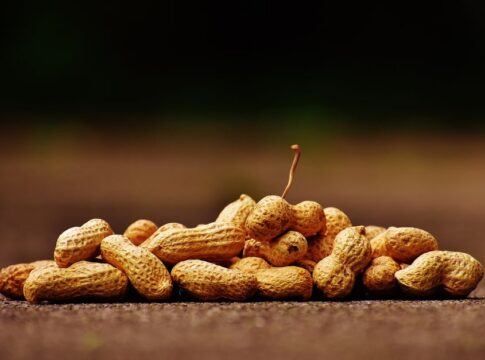
What most people call a peanut shell is botanically a legume pod, technically termed a “geocarp” because it develops underground. The pod’s reticulated surface—that distinctive netted texture—helps it resist soil pressure and protect the developing seeds inside. Each pod typically contains two to four individual peanuts, though some varieties produce pods with just one large seed.
The pod wall serves multiple functions beyond simple protection. It regulates moisture exchange, prevents premature germination, and provides structural support during the vulnerable underground development phase. After harvest, these pods must cure properly to reduce moisture content and prevent mold growth, a process that can take several weeks.
3. Peanut Allergies Differ From Tree Nut Allergies
The proteins that trigger peanut allergies are structurally different from those in tree nuts, which explains why the two allergies don’t always overlap. Studies indicate that roughly 25 to 40 percent of people with peanut allergies also react to tree nuts, but the majority can tolerate one group while avoiding the other. This distinction matters enormously for dietary planning and food safety.
Peanut allergies involve specific proteins like Ara h 1, Ara h 2, and Ara h 3—compounds unique to legumes. Tree nut allergies typically target different protein structures. Medical professionals often test for both allergies separately because having one doesn’t predict the other. The biological difference between legumes and nuts creates this immunological separation, though both allergies can be equally serious.
4. George Washington Carver Revolutionized Peanut Agriculture
George Washington Carver, working at Tuskegee Institute in Alabama, developed more than 300 products from peanuts in the early 20th century. His innovations ranged from peanut milk and flour to dyes, plastics, and cosmetics. Carver promoted peanuts as a rotation crop to restore soil depleted by continuous cotton farming, a practice that transformed Southern agriculture.
Before Carver’s advocacy, American farmers grew peanuts primarily as livestock feed. His research demonstrated the crop’s versatility and economic potential, helping establish peanuts as a major commercial crop. Today, the United States produces billions of pounds of peanuts annually, with much of that success traced back to Carver’s pioneering work promoting legume diversity in American farming.
5. Peanuts Contain More Protein Than Most True Nuts
The legume heritage of peanuts shows clearly in their nutritional profile. Peanuts contain approximately 25 to 30 percent protein by weight, significantly higher than most tree nuts. Almonds contain about 21 percent protein, while walnuts have roughly 15 percent. This protein density reflects the evolutionary strategy legumes developed to support rapid seedling growth.
Peanuts also provide different types of fats compared to tree nuts. While both contain heart-healthy unsaturated fats, the specific fatty acid profiles vary. Peanuts are particularly rich in niacin and folate, B vitamins essential for metabolism. These nutritional differences stem directly from their classification as legumes rather than nuts, with seed composition optimized for different ecological niches.
6. Four Main Peanut Varieties Serve Different Culinary Purposes
Commercial peanut cultivation focuses on four main variety groups: Runner, Virginia, Spanish, and Valencia. Each type has distinct characteristics suited to specific uses. Runner peanuts dominate peanut butter production due to their uniform size and high yield. Virginia peanuts, the largest variety, are typically sold roasted in-shell for snacking.
Spanish peanuts have smaller kernels with reddish-brown skins and higher oil content, making them ideal for candy and snack nuts. Valencia peanuts, usually containing three or more kernels per pod, are often sold fresh or boiled, particularly in Southern cuisine. This diversity within a single species demonstrates the remarkable adaptability of legumes to selective breeding.
7. Peanuts Played a Crucial Role in Space Exploration
NASA selected peanuts as part of the early space food program because of their exceptional nutrient density, long shelf life, and compact size. Astronauts on Gemini and Apollo missions consumed peanut cubes and peanut butter as calorie-dense protein sources that required no refrigeration. The legume’s natural packaging and stability made it ideal for the challenging conditions of space travel.
The tradition continues today at NASA’s Jet Propulsion Laboratory, where eating peanuts before major missions has become a good-luck ritual dating back to the 1960s. Whether launching rovers to Mars or probes to distant planets, mission control teams pass around peanuts as a symbolic gesture. This quirky tradition celebrates the humble legume’s contribution to humanity’s greatest adventures.
Nutritional Comparison: Peanuts vs. Tree Nuts
| Nutrient (per ounce) | Peanuts | Almonds | Walnuts |
|---|---|---|---|
| Protein | 7 grams | 6 grams | 4 grams |
| Fiber | 2.4 grams | 3.5 grams | 1.9 grams |
| Niacin (B3) | 3.8 mg | 1.0 mg | 0.3 mg |
| Folate | 68 mcg | 14 mcg | 28 mcg |
Frequently Asked Questions
Are peanuts healthier than tree nuts?
Peanuts and tree nuts offer different nutritional benefits rather than one being universally healthier. Peanuts provide more protein and certain B vitamins, while tree nuts like almonds offer more fiber and vitamin E. Both are nutritious choices that support heart health when consumed in moderation.
Can you grow peanuts in a home garden?
Yes, peanuts grow successfully in home gardens with loose, sandy soil and a frost-free growing season of 120 to 150 days. Gardeners in warmer climates can plant peanuts after the last frost and harvest before the first fall freeze. The plants require consistent watering and well-drained soil to allow proper peg development.
Why are boiled peanuts popular in the South?
Boiled peanuts became a Southern tradition because the region’s climate allows harvesting peanuts while still green and fresh. Boiling these immature legumes in salted water creates a soft, edible texture similar to boiled edamame or fresh beans. The practice celebrates peanuts in their truest legume form before the pods harden and dry.
Do peanuts really last forever?
Peanuts don’t last forever, but their low moisture content and natural oils provide impressive shelf life. Unshelled peanuts stored in cool, dry conditions can remain edible for several months, while shelled peanuts in airtight containers stay fresh for weeks. Refrigeration or freezing extends storage time significantly, though the oils can eventually turn rancid.
The next time you crack open a peanut shell, remember you’re opening a legume pod that grew underground, fixed nitrogen in the soil, and shares more DNA with your dinner beans than with the almonds in your pantry. This humble legume has fooled the world with its name, yet its true identity makes it all the more remarkable.