
By TrivBits, Staff Writer — Published November 14, 2026
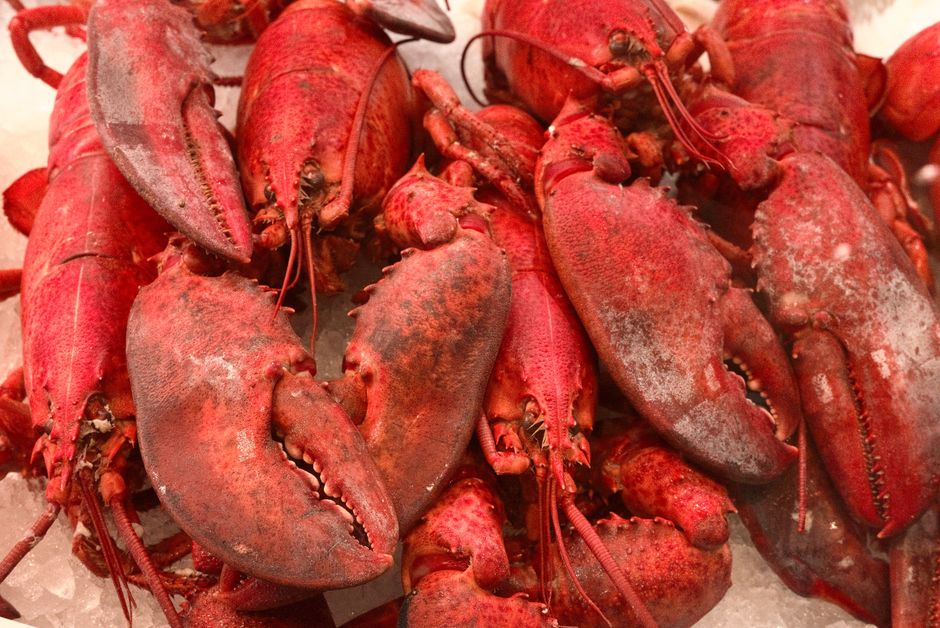
Table of Contents
- Key Takeaways
- The Surprising Truth About Lobster Prison Food in Colonial America
- From Ocean Floor to Cultural Hierarchy
- Why Perception Matters More Than Taste
- Frequently Asked Questions
- Sources
Did you know that the luxurious lobster dinner you savor at upscale restaurants was once considered so worthless that it was fed to prisoners, apprentices, and even used as fertilizer? The surprising history of lobster prison food reveals a dramatic transformation from bottom-dwelling trash to culinary treasure. These crustaceans, now symbols of fine dining and coastal elegance, were once so abundant along North American shores that they piled up in heaps after storms, rotting on beaches and stinking up coastal towns.
The journey from prison slop to gourmet delicacy is filled with interesting twists, cultural shifts, and economic changes that reshaped how we view these sea creatures. Let’s explore the unknown truths and fascinating facts behind lobster’s remarkable reputation reversal.
Key Takeaways
- Lobster was once so plentiful in colonial America that it was considered food for the poor and imprisoned
- Servants and apprentices negotiated contracts limiting how often they could be fed lobster
- The transformation to luxury food happened gradually during the 19th and early 20th centuries
- Transportation improvements and clever marketing helped rebrand lobster as an upscale delicacy
- Native Americans and early colonists used lobster as fertilizer and fish bait due to its abundance
- Modern lobster scarcity and high prices would seem bizarre to colonial-era Americans
The Surprising Truth About Lobster Prison Food in Colonial America
In colonial New England, lobsters were staggeringly abundant. They washed ashore in piles two feet high, and colonists could wade into shallow water and pluck them out by hand. This abundance made them worthless as a commodity. Prison wardens, looking for the cheapest possible way to feed inmates, turned to lobster as a cost-effective protein source. The practice became so common that serving lobster too frequently was eventually considered cruel and unusual punishment.
Massachusetts Bay Colony records suggest that some prisoners complained about being fed lobster repeatedly. While the exact frequency varied by institution, the crustacean’s association with poverty and low status was firmly established. Lobster wasn’t just prison food—it was poverty food, a mark of desperation rather than celebration.
From Ocean Floor to Cultural Hierarchy
The myths and truths surrounding lobster’s past reveal much about class and perception. Native Americans had long harvested lobster, using them for food and as crop fertilizer. When European colonists arrived, they initially viewed lobster with suspicion. These strange, insect-like sea creatures seemed more appropriate for the desperate than the discerning.
Early settlers fed lobster to pigs, used them to fertilize fields, and ground them up for fish bait. The creatures were so plentiful that gathering them required no special skill or equipment. Anyone could collect buckets of lobster during low tide. This accessibility contributed to their low status—scarcity drives value, and lobster was anything but scarce.
1. Servants Negotiated Lobster Limits in Their Contracts
One of the most interesting facts about lobster’s lowly status involves indentured servants and apprentices in colonial America. These workers, already in vulnerable positions, sometimes negotiated specific clauses in their contracts limiting how many times per week they could be served lobster. While the exact number varied, the practice itself speaks volumes about the food’s reputation. Being forced to eat lobster regularly was seen as degrading, a sign that one’s master cared little for their well-being or dignity.
2. Lobster Was Primarily Fed to Prisoners Ground Up, Not Whole
The lobster served in prisons wasn’t the butter-drenched tail you’d find at a modern seafood restaurant. Prisoners typically received lobster ground up, shell and all, into a mushy paste or stew. This unappetizing preparation method made the meal even less desirable. Without refrigeration, the lobster was often less than fresh, contributing to its terrible reputation. The whole experience—texture, appearance, and likely smell—bore little resemblance to today’s carefully prepared lobster dishes.
3. Abundance Led to Massive Lobsters That Would Shock Modern Diners
Historical accounts describe lobsters of truly impressive sizes in colonial waters. While today’s typical market lobster weighs one to two pounds, colonial-era specimens reportedly reached weights of 20 pounds or more. Some historical records mention lobsters five to six feet long, though these accounts may be exaggerated. Regardless, the average size was certainly much larger than what we see today, a testament to the unharvested, thriving populations that existed before commercial fishing.
4. The Railroad Transformed Lobster’s Reputation
Lobster’s transformation from trash to treasure began in earnest during the 19th century with the expansion of railroads. Suddenly, fresh lobster could reach inland cities where it was novel and exotic. City dwellers, unaware of lobster’s lowly coastal reputation, found the meat delicious. Restaurants began serving it as a special delicacy. The key was distance—people far from the ocean had no idea that lobster had once been considered garbage.
5. Canning Technology Created New Markets
The development of canning technology in the mid-1800s further boosted lobster’s status. Canned lobster became a shelf-stable product that could be shipped anywhere. Companies marketed it as an affordable luxury, and consumers responded enthusiastically. By the late 19th century, lobster canneries dotted the New England coast, processing thousands of pounds daily. This industrial-scale harvesting began to reduce the once-limitless populations.
6. Overfishing Created the Scarcity That Drove Up Prices
As demand grew and populations shrank, lobster became scarce. What had once been a nuisance became a valuable commodity. Fishermen developed specialized traps and techniques. By the early 20th century, lobster fishing had become a serious profession requiring skill, equipment, and knowledge. Prices rose accordingly. The scarcity that had been unimaginable to colonial Americans became the new reality, and with scarcity came prestige.
7. Marketing and Presentation Completed the Transformation
Restaurants played a crucial role in lobster’s image makeover. By presenting lobster with ceremony—whole on a plate, served with drawn butter and lemon, positioned as a premium menu item—establishments created an aura of luxury. The presentation mattered as much as the taste. What had once been ground into paste was now displayed as a centerpiece, its bright red shell (after cooking) making it visually striking and photogenic.
8. World Wars Interrupted but Didn’t Reverse the Trend
During World War II, lobster was not rationed like other meats, which temporarily made it more accessible to average Americans. Some worried this might damage its luxury reputation. However, the post-war economic boom and continued marketing efforts ensured lobster retained its status as special-occasion food. The brief period of broader availability became a footnote rather than a reversal.
9. Modern Lobster Prices Would Baffle Colonial Americans
Today, lobster routinely sells for prices that would astound anyone from the colonial era. A lobster dinner at a fine restaurant can easily cost fifty dollars or more. Whole lobsters at fish markets command premium prices per pound. The idea that people once complained about eating too much lobster seems almost absurd now. Yet this dramatic reversal perfectly illustrates how scarcity, marketing, and cultural perception shape what we value.
Why Perception Matters More Than Taste
The lobster story teaches us that food value isn’t purely about nutrition or flavor. Cultural context shapes our appetites. The same meat that disgusted prisoners became a status symbol for the wealthy, with no change to the lobster itself. Presentation, scarcity, and social messaging transformed perception completely.
This pattern repeats throughout food history. Oysters followed a similar trajectory from working-class staple to luxury item. The lesson? What we consider desirable often has more to do with availability and marketing than inherent quality.
Frequently Asked Questions
Was lobster really fed to prisoners in early America?
Yes, lobster was commonly served to prisoners in colonial America and into the 19th century. The practice was widespread in coastal areas where lobster was extremely abundant and therefore very cheap. Prisoners received lobster as a cost-saving measure, though it was typically prepared in unappetizing ways, often ground up with the shell included.
Why was lobster considered low-class food?
Lobster’s low status stemmed from its extreme abundance along the North American coast. The creatures were so plentiful they washed up on beaches in piles and could be collected by hand. This accessibility meant anyone could obtain lobster, making it valueless as a commodity. Additionally, without modern refrigeration and cooking techniques, lobster often spoiled quickly and was poorly prepared, contributing to its bad reputation.
When did lobster become expensive?
Lobster’s transformation to luxury food happened gradually throughout the 19th and early 20th centuries. The expansion of railroads in the mid-1800s allowed fresh lobster to reach inland markets where it was exotic and desirable. Overfishing reduced populations, creating scarcity. By the 1920s and 1930s, lobster had largely completed its transformation into a premium food item, though the process varied by region.
Are lobsters still as plentiful as they once were?
No, lobster populations today are a fraction of their historical abundance. While modern fishery management has helped maintain sustainable populations in some areas, the massive numbers that characterized colonial-era waters are gone. Today’s lobster fishery is carefully regulated with size limits, seasonal restrictions, and licensing requirements to prevent collapse of remaining populations.