

By TrivBits, Staff Writer — Published September 17, 2026
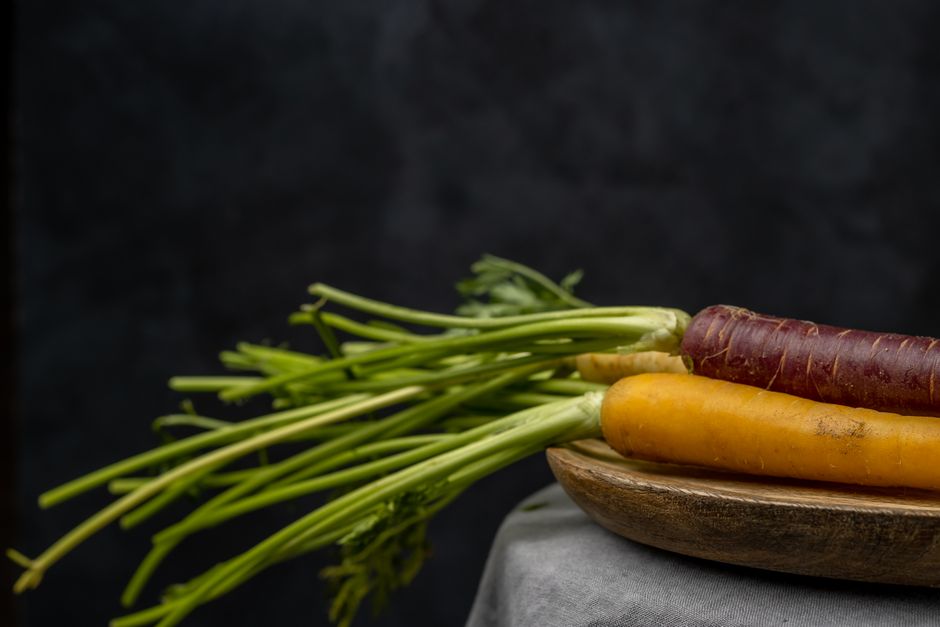
Table of Contents
- Key Takeaways
- The Original Carrots: Purple Roots from Purple Beginnings
- The Dutch Innovation: How Orange Carrots Conquered the World
- Separating Myths from Truths About Orange Carrots
- The Nutritional Differences: Purple vs. Orange
- The Modern Return of Rainbow Carrots
- Frequently Asked Questions
- Sources
Did you know the vibrant orange carrot that fills grocery store shelves today is a relatively modern invention? For most of human history, carrots were purple, yellow, white, or red—but almost never orange. The orange carrot we recognize didn’t become widespread until the 1600s, when Dutch growers cultivated a mutation that changed vegetable history forever. This surprising fact reveals how human agriculture shapes the food we consider “natural” today.
The story behind purple carrots and their orange descendants is a fascinating blend of botany, politics, and culinary evolution. What we think of as the default carrot color is actually the newcomer in a much longer timeline of interesting vegetable breeding.
Key Takeaways
- Wild carrots and early cultivated varieties were predominantly purple, with yellow and white varieties also common throughout ancient civilizations.
- Orange carrots emerged in the Netherlands during the 1600s through selective breeding, possibly from yellow varieties with genetic mutations.
- The orange color comes from high beta-carotene content, which gives these carrots superior nutritional value compared to many earlier varieties.
- Purple carrots contain anthocyanins, the same antioxidant compounds found in blueberries and red wine, making them nutritionally distinct from orange carrots.
- The myth that Dutch growers created orange carrots to honor William of Orange is a popular but unverified legend with little historical evidence.
- Today, heirloom purple, yellow, and white carrots are making a comeback in farmers’ markets and specialty stores.
The Original Carrots: Purple Roots from Purple Beginnings
When carrots were first domesticated roughly 1,000 years ago in Central Asia—likely in modern-day Afghanistan and surrounding regions—they bore little resemblance to today’s crunchy orange vegetables. These early carrots were thin, bitter, and almost exclusively purple or yellow. The purple pigmentation came from anthocyanins, powerful antioxidant compounds that plants produce for protection against environmental stress.
Archaeological evidence and historical texts show that purple and yellow carrots spread westward through Persia, the Arab world, and into North Africa and Spain by the 11th century. The Romans and Greeks knew of carrots, though they seemed less enthusiastic about them than other root vegetables. Early carrots were often more valued for their aromatic seeds and leaves than their roots.
Purple wasn’t just one shade, either. Ancient varieties ranged from deep blackish-purple to lighter lavender hues. Some had purple skin with yellow or white cores, creating a striking appearance when sliced. These colorful roots were staples in medieval gardens across Europe and Asia long before anyone imagined an orange alternative.
The Dutch Innovation: How Orange Carrots Conquered the World
The transformation happened in the Netherlands during the 17th century. Dutch farmers were already renowned for their agricultural expertise and plant breeding skills. Through careful selection over multiple generations, they developed stable orange carrot varieties that were sweeter, less bitter, and more tender than their purple predecessors.
The orange color resulted from selective breeding that concentrated beta-carotene, a precursor to vitamin A that gives carrots their characteristic hue. While yellow carrots also contained some carotenoids, the Dutch varieties achieved unprecedented levels of this beneficial compound. The exact process took decades of crossing different varieties and selecting the most promising offspring.
Why did orange win out? Practical advantages. Orange carrots were sweeter and had a more appealing texture when cooked. They also didn’t have the tendency to bleed pigment into stews and soups the way purple varieties did—a significant consideration when most vegetables were boiled or braised. By the 18th century, orange carrots had become the dominant type across Europe and European colonies worldwide.
Separating Myths from Truths About Orange Carrots
One persistent legend claims Dutch growers bred orange carrots specifically to honor William of Orange, the leader who helped establish Dutch independence. It’s a compelling story that appears in countless articles and even some gardening books. The problem? There’s virtually no historical documentation to support it.
The timing doesn’t quite align either. William of Orange (William I of Orange) led the Dutch Revolt starting in the 1560s and died in 1584, but orange carrots didn’t become standardized until the mid-to-late 1600s. While Dutch patriotism may have helped popularize orange carrots once they existed, the evidence suggests practical agricultural considerations drove their development, not political symbolism.
Another common misconception is that purple carrots are somehow “genetically modified” modern creations. The truth is exactly opposite. Purple carrots are the ancestral form, and modern heirloom purple varieties are often closer to original carrot genetics than heavily bred orange commercial types.
The Nutritional Differences: Purple vs. Orange
Different colored carrots offer distinct nutritional profiles. Orange carrots are exceptional sources of beta-carotene, which the human body converts to vitamin A. This nutrient is essential for eye health, immune function, and skin health. A single medium orange carrot can provide more than 200% of the daily recommended vitamin A intake.
Purple carrots, meanwhile, contain those anthocyanins that give them their dramatic color. These compounds have anti-inflammatory properties and may support cardiovascular health. Research suggests anthocyanins can help protect cells from oxidative damage. Purple carrots still contain beta-carotene, though typically in lower amounts than orange varieties, especially in the purple outer layers.
Yellow and white carrots fall somewhere in between. Yellow varieties contain xanthophylls and lutein, compounds beneficial for eye health. White carrots have the mildest flavor and lowest antioxidant content but are still good sources of fiber and other nutrients. Each color brings something different to the table—literally.
The Modern Return of Rainbow Carrots
Walk through a farmers’ market today and you might spot bundles of purple, yellow, red, and white carrots alongside the standard orange. These “rainbow” or “heirloom” varieties represent both historical preservation and modern culinary interest. Chefs appreciate the visual drama they bring to dishes, while health-conscious consumers enjoy diversifying their antioxidant intake.
Seed companies now offer dozens of non-orange varieties to home gardeners. ‘Purple Haze’ features purple exteriors with orange cores. ‘Atomic Red’ lives up to its name with shocking red-pink flesh. ‘Lunar White’ produces crisp, pale roots. These aren’t new inventions but rather rediscovered and stabilized versions of older varieties that nearly disappeared during the 20th century’s focus on commercial orange carrots.
The revival also reflects broader interest in food history and agricultural biodiversity. Maintaining diverse carrot genetics isn’t just about novelty—it preserves genetic traits that might prove valuable for disease resistance, climate adaptation, or future breeding programs.
Frequently Asked Questions
Are purple carrots healthier than orange carrots?
Both offer health benefits but in different ways. Orange carrots provide significantly more beta-carotene and vitamin A, while purple carrots contain anthocyanins with anti-inflammatory properties. The healthiest approach is eating a variety of colors to get diverse nutrients and antioxidants. Neither is categorically “better”—they’re nutritionally complementary.
Do purple carrots taste different from orange carrots?
Yes, subtle differences exist. Purple carrots often have a slightly earthier, sometimes peppery flavor, though this varies by variety. Some people find them less sweet than modern orange carrots. Yellow and white varieties tend to be milder. Cooking method affects flavor more dramatically than color in most cases, and many people can’t distinguish them in blind taste tests.
Can I grow purple carrots in my garden?
Absolutely. Purple and other heirloom carrot varieties grow under the same conditions as orange carrots. They need loose, deep soil, full sun, and consistent moisture. Many gardeners find heirloom varieties just as easy to grow as conventional types. Seed catalogs and online retailers widely stock purple carrot seeds, often with specific growing instructions for each variety.
Why did orange carrots become more popular than purple ones?
Orange carrots offered practical advantages for 17th-century cooking: they were sweeter, didn’t stain other foods with purple pigment when cooked together, and had better texture after storage. As Dutch agriculture became influential across Europe, their preferred orange varieties spread. Once established as the standard, orange carrots benefited from centuries of further breeding focused exclusively on improving that type, making them increasingly superior for commercial farming.