
By TrivBits, Staff Writer — Published November 22, 2026
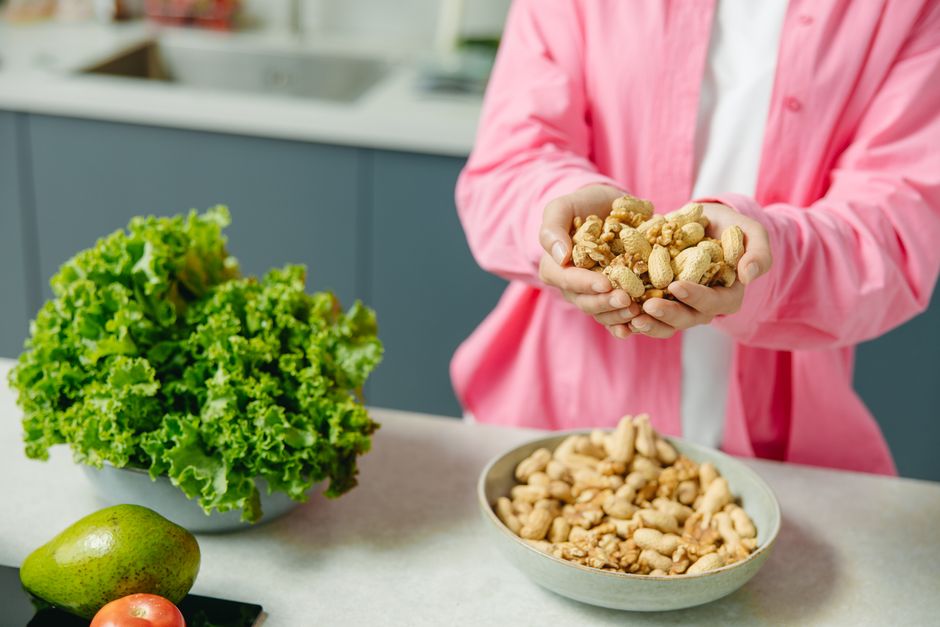
Table of Contents
- Key Takeaways
- Why Peanuts Aren’t Nuts and What They Actually Are
- The Great Berry Confusion: What Actually Qualifies
- Nine Foods That Aren’t What Their Names Suggest
- Why Food Names Become Misleading
- The Practical Impact of Food Misnomers
- Frequently Asked Questions
- Sources
Did you know that peanuts aren’t nuts at all? This surprising fact is just the beginning of a culinary rabbit hole filled with misnomers and misunderstandings. The foods we eat every day often carry names that contradict their botanical truths, leading to widespread myths about what we’re actually consuming. From legumes masquerading as nuts to fruits pretending to be vegetables, the world of food naming is far more interesting than most people realize.
These naming confusions aren’t just trivia—they reflect centuries of cultural evolution, marketing decisions, and simple misunderstandings that became permanent. Understanding the truths behind these misnomers reveals fascinating stories about how humans have interacted with their food throughout history.
Key Takeaways
- Peanuts are legumes that grow underground, not tree nuts, making them closer relatives to beans and lentils
- Many “berries” we eat aren’t botanically berries, while some unexpected fruits actually are
- White chocolate contains no actual chocolate solids, only cocoa butter
- Strawberries and raspberries fail the botanical definition of berries entirely
- Food naming often prioritizes culinary tradition and marketing over botanical accuracy
- Understanding these distinctions matters for allergies, nutrition, and general knowledge
Why Peanuts Aren’t Nuts and What They Actually Are
The peanut is perhaps the most famous botanical impostor in our kitchens. True nuts grow on trees and have a hard shell that doesn’t split open naturally—think walnuts, pecans, and hazelnuts. Peanuts, however, are legumes. They develop underground in pods, just like peas and beans. The plant flowers above ground, then buries its fertilized ovaries in the soil where the peanuts mature.
This distinction matters beyond trivia. People with tree nut allergies can often safely eat peanuts, while those with peanut allergies may tolerate tree nuts just fine. The proteins that trigger allergic reactions differ between these plant families. Nutritionally, peanuts share more characteristics with other legumes than with true nuts, though their high fat content makes them culinarily similar to tree nuts.
The Great Berry Confusion: What Actually Qualifies
Botanically speaking, a berry is a fleshy fruit produced from a single ovary. By this definition, tomatoes, eggplants, and grapes are all berries. Bananas qualify too. Even pumpkins and watermelons count as a special type of berry called a pepo.
Meanwhile, strawberries and raspberries aren’t berries at all. Strawberries are “accessory fruits” where the flesh comes from the flower receptacle, not the ovary. Those tiny seeds dotting the outside are the actual fruits. Raspberries are aggregate fruits, clusters of tiny drupelets each containing its own seed. The culinary world, however, ignores botanical precision entirely, using “berry” to describe small, juicy, sweet fruits regardless of their true classification.
Nine Foods That Aren’t What Their Names Suggest
1. Peanuts: The Underground Legume
As established, these popular “nuts” are actually legumes from the Fabaceae family. Their underground growth habit is nearly unique among cultivated legumes, making them even more unusual. Ancient South Americans domesticated them roughly 7,600 years ago, and they’ve been confusing people ever since.
2. Coconuts: Neither Coco Nor Nut
Despite the name, coconuts are drupes—fruits with a hard stone covering a seed, like peaches or cherries. The “nut” we crack open is actually the seed inside the fruit. The name comes from Portuguese explorers who thought the three holes on the shell resembled a face, calling it “coco” (grinning face). Botanically, it’s closer to a peach than a walnut.
3. White Chocolate: The Chocolate Pretender
White chocolate contains cocoa butter but no cocoa solids, the component that makes chocolate actually chocolate. It’s a mixture of cocoa butter, milk solids, and sugar. Many chocolate purists argue it shouldn’t be called chocolate at all. The FDA requires white chocolate to contain at least 20% cocoa butter to earn the name, but that’s a relatively recent standard.
4. Strawberries: Seeds on the Outside
Each strawberry is actually a swollen receptacle dotted with approximately 200 tiny fruits called achenes—what we mistakenly call seeds. The red flesh we enjoy isn’t the fruit in botanical terms. This makes the strawberry an accessory fruit, where the edible portion comes from tissue other than the ovary.
5. Kohlrabi: The Stem Vegetable Mistaken for a Root
The name “kohlrabi” combines German words meaning “cabbage turnip,” suggesting it’s a root vegetable. Actually, the bulbous part we eat is a swollen stem that grows above ground. This member of the cabbage family demonstrates how common names can mislead us about basic plant anatomy. The leaves sprout directly from this stem ball, a clue to its true nature.
6. Mountain Oysters: No Ocean Required
This delicacy has nothing to do with mollusks or mountains. Mountain oysters, also called prairie oysters or Rocky Mountain oysters, are bull testicles. The euphemistic name likely emerged to make the dish more palatable to squeamish diners. Similar naming tricks appear in cuisines worldwide, disguising organ meats behind more appetizing monikers.
7. Jellyfish: Neither Jelly Nor Fish
These gelatinous sea creatures aren’t fish—they’re invertebrates belonging to the phylum Cnidaria. They lack bones, brains, and hearts. Scientists increasingly prefer the term “sea jelly” to avoid the fish confusion. Some species have been drifting through oceans for over 500 million years, long before actual fish evolved.
8. Bombay Duck: A Fish From the Sea
Bombay duck is actually a lizardfish found in the waters around Mumbai (formerly Bombay). The name’s origin remains debated, but one theory suggests British colonials compared its smell during drying to the mail trains called “Bombay Dak” (dak meaning mail). Despite the avian name, it’s entirely aquatic and scaly.
9. Head Cheese: No Cheese Involved
This traditional cold cut contains no dairy whatsoever. Head cheese is a jellied loaf made from meat scraps from animal heads, suspended in aspic. The “cheese” reference comes from its molded, loaf-like shape and sometimes its spreadable texture. Different cultures have versions: brawn in Britain, souse in the American South, and fromage de tête in France.
Why Food Names Become Misleading
These naming oddities emerge from multiple sources. Sometimes resemblance drives the name—a kohlrabi looks root-like, so people assumed it was one. Marketing plays a role too; mountain oysters sound more appealing than their anatomical reality. Cultural translation creates confusion when foods travel between languages and regions.
Historical misunderstandings also contribute. Before modern botany, people classified plants by appearance and use rather than biological relationships. When those common names stuck, they persisted even after science revealed the truth. The peanut arrived in North America called a “groundnut” or “goober,” but “peanut” won out, cementing the nut misconception.
The Practical Impact of Food Misnomers
These naming issues aren’t merely academic. Allergy sufferers must understand that peanuts and tree nuts are biologically different. Someone allergic to shellfish might react to crustaceans but not mollusks, or vice versa. Clear communication about ingredients requires precision that common names often lack.
Nutritional databases and dietary guidelines struggle with these inconsistencies too. Is a tomato a fruit or vegetable for dietary recommendations? The answer depends on whether you’re asking a botanist or a nutritionist. These contradictions complicate everything from agricultural policy to school lunch programs.
Frequently Asked Questions
Are cashews actually nuts?
No, cashews are seeds that grow outside the fruit on the cashew apple. They’re drupes like coconuts, not true nuts. The “nut” we eat is the seed kernel removed from its toxic shell. True nuts include acorns, chestnuts, and hazelnuts.
Why do we call tomatoes vegetables if they’re fruits?
Botanically, tomatoes are fruits because they develop from a flower’s ovary and contain seeds. Culinarily, they’re vegetables because of their savory use in cooking. This distinction even reached the U.S. Supreme Court in 1893, which ruled tomatoes vegetables for tariff purposes despite acknowledging their botanical fruit status.
Is there any chocolate in white chocolate?
White chocolate contains cocoa butter extracted from cacao beans but no cocoa solids—the brown part that gives chocolate its color and characteristic flavor. Whether this qualifies as “real chocolate” remains debated among chocolate enthusiasts and food regulators.
Can someone with a peanut allergy eat other legumes safely?
Usually yes, though not always. Peanut allergies typically don’t extend to other legumes like chickpeas, lentils, or green beans. However, some individuals with peanut allergies may also react to lupine or soy. Anyone with food allergies should consult an allergist before trying related foods.