










1 / 10 Questions
0 Points

When is Earth closest to the Sun?

January

April

July

October

Points won
0
Correct score
0%

More Questions

More Articles

Why Crows Hold Grudges for Years: The Shocking Truth

Why Crows Hold Grudges for Years: The Shocking Truth

By TrivBits, Staff Writer — Published August 25, 2026

Why Crows Hold Grudges for Years: The Shocking Truth — Quick Facts trivia by TrivBits

Table of Contents

Did you know that crows hold grudges against individual humans who have wronged them—and they can remember your face for years? These jet-black birds possess an astonishing memory that rivals some primates, allowing them to identify, track, and even teach their offspring to avoid specific people. The surprising truth about crow intelligence challenges everything we thought we knew about bird brains.

Crows aren't just smart. They're vengeful, strategic, and socially complex in ways that continue to shock researchers studying avian cognition.

Key Takeaways

  • Crows can recognize and remember individual human faces for at least five years, possibly much longer
  • They demonstrate complex social learning by teaching other crows which humans pose threats
  • Crows will scold, mob, and harass people who have previously captured or threatened them
  • Their brain-to-body ratio rivals that of great apes, enabling sophisticated cognitive abilities
  • Facial recognition in crows involves dedicated neural pathways similar to those found in mammals
  • Crow grudges serve an evolutionary purpose: survival through threat avoidance

How Crows Hold Grudges: The Science Behind the Behavior

The fascinating facts about crow memory emerged from controlled research conducted at the University of Washington. Researchers wore specific masks while capturing and banding wild crows—a brief but stressful experience for the birds. After release, something remarkable happened. The crows didn't just remember the masks. They scolded anyone wearing them, even years later and in completely different locations across campus.

What makes this even more interesting? Crows who weren't even present during the original capture learned to recognize and scold the "dangerous" mask. They taught each other. This social transmission of threat information demonstrates a level of cultural learning previously thought exclusive to mammals.

The neural architecture supporting this ability lives in the crow's nidopallium caudolaterale, a brain region functionally similar to the mammalian prefrontal cortex. Despite having evolved separately for over 300 million years, birds and mammals independently developed analogous cognitive structures—a stunning example of convergent evolution.

The Unknown Extent of Crow Intelligence

Crow grudges represent just one facet of their remarkable minds. These birds craft tools from materials they've never encountered before. They understand water displacement—dropping stones into tubes to raise water levels and reach floating food. They even engage in what appears to be play, sledding down snowy roofs on makeshift sleds.

Their problem-solving abilities extend to multi-step puzzles that would challenge many mammals. In laboratory settings, crows have solved eight-stage problems requiring them to use one tool to obtain another, which then unlocks access to food. This sequential reasoning demonstrates planning and foresight.

Perhaps most intriguing: crows appear to hold funerals. When a crow dies, others gather around the body, calling loudly and investigating the scene. Research suggests this isn't mourning in the human sense, but rather a survival mechanism—learning what killed their companion and memorizing any threats present at the scene.

Myths and Truths About Crow Behavior

The trivia surrounding crows often blurs into mythology. Let's separate fact from fiction.

Common Belief Reality
Crows only remember for a few days Memory persists for years; documented for at least five years in research settings
Only the offended crow remembers Information spreads socially; entire crow communities learn to recognize threats
Crows attack anyone randomly Aggression is targeted and specific to individuals who posed threats
All black birds hold grudges This sophisticated behavior is specific to corvids (crows, ravens, jays)

The myth that crows are simply aggressive birds misses the point entirely. Their behavior is discriminating and purposeful. They don't waste energy on random harassment—every scolding serves a protective function.

Why Evolution Favored Grudge-Holding Crows

Holding grudges isn't petty when your life depends on it. For a crow, remembering which human captured you last spring could mean the difference between life and death. If that person is a researcher, the risk might be minimal. But if they're a predator or hunter, forgetting could be fatal.

The evolutionary advantage extends beyond individual survival. By teaching offspring and flock members which humans pose dangers, experienced crows transfer survival knowledge across generations. This cultural transmission accelerates adaptation to local threats far faster than genetic evolution alone.

Crows live in complex social groups with hierarchies, alliances, and apparently, gossip networks. The ability to communicate detailed threat information strengthens group cohesion and collective defense. A crow that shares valuable information about dangers becomes a more valuable flock member.

Their longevity amplifies the value of long-term memory. Wild crows can live 10 to 15 years, and some individuals in protected environments have reached their twenties. A memory system that maintains accurate threat assessments across years makes sense for such long-lived birds.

What Happens When You Wrong a Crow

Cross a crow, and you've made a mistake you might regret for years. The response typically escalates in stages. First comes the scolding—harsh, rattling calls that alert other crows to your presence. Next, mobbing behavior may develop, where multiple crows dive-bomb and harass the target.

The harassment isn't random or brief. Documented cases describe people being scolded daily during their commutes, at their homes, and around their neighborhoods—sometimes for years after the initial offense. The crows wait. They watch. They remember.

Interestingly, wearing different clothes won't fool them. Crows focus on facial features and gait, recognizing individuals even when other variables change. They've adapted their recognition systems to the specific challenge of tracking individual humans in complex environments.

Frequently Asked Questions

How long can crows actually remember a specific person?

Research has documented crow memories lasting at least five years under controlled conditions, but the true extent likely extends much longer. Given their lifespan of 10 to 15 years in the wild and their demonstrated ability to maintain complex social knowledge, crows may remember significant encounters for most or all of their adult lives.

Can crows tell the difference between similar-looking people?

Yes, crows demonstrate remarkably precise facial recognition abilities. They can distinguish between individuals even when they share similar features, clothing, or build. Their visual processing systems dedicate significant neural resources to parsing human facial characteristics, allowing them to maintain a mental database of specific individuals.

Will a crow forgive you if you make amends?

While crows can potentially update their threat assessments, there's limited research on forgiveness behavior. Some crow enthusiasts report that consistently providing food and avoiding threatening behavior may gradually reduce hostility, but the original negative association appears to persist. Prevention remains far easier than rehabilitation when dealing with crow grudges.

Do other birds have memories as good as crows?

Within the corvid family—which includes ravens, magpies, and jays—similar cognitive abilities exist, though research has focused primarily on crows and ravens. Most other bird species lack this sophisticated long-term memory for individual recognition. Parrots demonstrate comparable intelligence in different domains, but the combination of facial recognition, grudge-holding, and social transmission appears relatively unique to corvids.
Sources

NASCAR Drivers Lose 10 Pounds Per Race: Sweat Truth

NASCAR Drivers Lose 10 Pounds Per Race: Sweat Truth

By TrivBits, Staff Writer — Published October 15, 2026

NASCAR Drivers Lose 10 Pounds Per Race: Sweat Truth — Sports trivia by TrivBits

Table of Contents

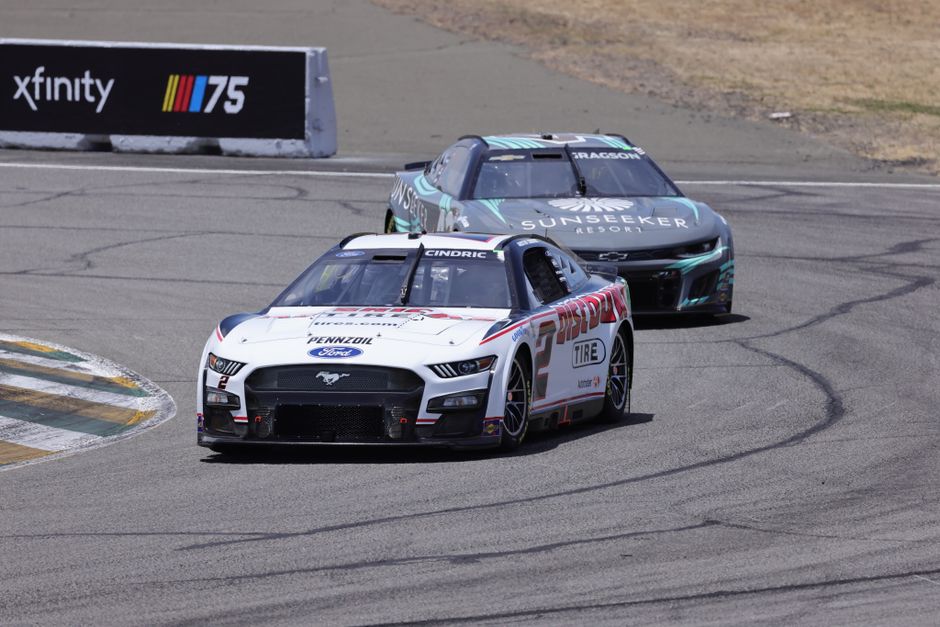
Did you know that NASCAR drivers lose an astonishing amount of weight during a single race? It's not from burning fuel or shedding equipment—it's pure sweat. The surprising truth is that NASCAR drivers lose up to 10 pounds during a grueling three-hour race, and it's one of the most overlooked facts about stock car racing. While fans watch their favorite drivers navigate turns at 200 miles per hour, few realize the extreme physical toll happening inside that cockpit.

The combination of scorching temperatures, thick fire suits, and intense concentration creates a pressure cooker environment that transforms elite athletes into dehydrated warriors. This isn't trivia you'll hear during the pre-race show, but it reveals an interesting dimension of motorsport that separates casual Sunday drivers from professional racers.

Key Takeaways

  • NASCAR drivers routinely lose 5-10 pounds of water weight per race through extreme sweating
  • Cockpit temperatures regularly exceed 130°F (54°C), sometimes reaching 170°F (77°C)
  • Drivers' heart rates can stay elevated at 120-150 beats per minute for hours
  • Fire-resistant suits and safety equipment trap heat, preventing natural cooling
  • Dehydration affects reaction time and decision-making during critical race moments
  • Professional drivers follow strict hydration protocols before, during, and after races

Why NASCAR Drivers Lose So Much Weight During Competition

The weight loss NASCAR drivers experience isn't fat—it's water. Every drop of those 5-10 pounds comes from sweat pouring off their bodies in an attempt to cool down. The human body is remarkably efficient at thermoregulation under normal conditions, but there's nothing normal about piloting a 3,400-pound machine at breakneck speeds while wrapped in multiple layers of flame-retardant clothing. The cockpit becomes a mobile sauna where temperatures soar well above what most people could tolerate for even a few minutes, let alone three to four hours.

Unlike athletes in other sports who can take water breaks or step into air-conditioned spaces, NASCAR drivers are locked into their seats from the green flag to the checkered flag. They're fighting G-forces through turns, making split-second decisions at speeds where a tiny mistake means disaster, all while their core body temperature climbs dangerously high. The myth that racing isn't a real sport falls apart when you examine what these athletes endure.

The Science Behind Extreme Cockpit Heat

Several factors conspire to create the inferno inside a race car. The engine sits just inches from the driver, generating tremendous heat that radiates through the firewall. Exhaust systems run alongside the cockpit, adding more thermal energy. Pavement temperatures on sunny race days can exceed 140°F (60°C), and that heat rises into the car through the floorboards. NASCAR vehicles don't have air conditioning—the weight and power drain would be unacceptable in competitive racing.

The greenhouse effect intensifies everything. Large windshields and windows let sunlight pour in, but there's minimal airflow to carry heat away. While the car rockets forward at 180-200 mph, the aerodynamic design that keeps it glued to the track also limits cooling air from reaching the driver. What little ventilation exists comes through small ducts, barely enough to make a difference when ambient temperatures inside approach those of a commercial oven.

The 10 Truths About Weight Loss in NASCAR Racing

1. Fire Suits Act as Thermal Insulators

Drivers wear multilayer Nomex fire suits designed to protect against flames for crucial seconds during a crash. These suits are lifesavers, but they're also incredibly effective at trapping body heat. Add a fireproof undershirt, socks, gloves, shoes, and a helmet, and you've created a personal sauna that prevents sweat from evaporating—the very mechanism that normally cools the human body. The safety equipment that protects drivers also ensures they'll be drenched within the first few laps.

2. Heart Rates Rival Marathon Runners

Studies of NASCAR drivers during races show sustained heart rates between 120-150 beats per minute, comparable to distance runners. This cardiovascular stress lasts for hours, not minutes. The combination of physical exertion (wrestling a heavy steering wheel through turns), mental stress (constant decision-making at high speeds), and heat exposure keeps the heart pumping hard. This elevated metabolic rate generates even more internal heat that the body must dissipate through sweating.

3. Dehydration Impairs Performance Measurably

Losing just 2% of body weight through dehydration can reduce reaction time, focus, and decision-making ability. For a 180-pound driver, that's less than 4 pounds—well below what many lose during a race. As dehydration progresses, drivers may experience dizziness, muscle cramps, and reduced coordination. In a sport where hundredths of a second determine winners, even slight cognitive impairment can drop a driver from first to tenth place.

4. Hydration Begins Days Before the Race

Professional drivers don't just drink water on race day. They follow hydration protocols starting 48-72 hours before climbing into the car. This involves consuming specific amounts of water and electrolyte solutions to ensure their bodies are maximally hydrated. Some drivers work with nutritionists to optimize their pre-race fluid intake, balancing hydration against the practical problem of needing to urinate during a race where bathroom breaks aren't an option.

5. In-Car Drinking Systems Have Limitations

Most NASCAR vehicles are equipped with drinking systems—essentially a water reservoir with a tube that runs to the driver's helmet. Sounds simple, but drinking while driving at race speeds is challenging. Drivers must coordinate sipping with straightaways, avoiding turns where G-forces might cause choking. The water itself warms up quickly in the cockpit heat, becoming an unappetizing hot beverage. Many drivers report difficulty drinking more than a few ounces during an entire race.

6. Weight Loss Varies by Track and Season

Not all races produce equal sweat loss. Summer races in places like Daytona, Florida, or Talladega, Alabama, where ambient temperatures exceed 90°F (32°C) and humidity is brutal, cause maximum fluid loss. Shorter tracks with more turns require more physical exertion than superspeedways. Night races and cooler weather events result in less dramatic weight loss, though drivers still typically shed several pounds. The variability means drivers must adjust their preparation for each venue.

7. Post-Race Recovery Is Scientifically Planned

The moment a driver exits the car, recovery begins. Teams have specific rehydration drinks ready, often custom-formulated with precise electrolyte ratios. Drivers may receive IV fluids if dehydration is severe. Weighing drivers before and after races helps teams track fluid loss and adjust hydration strategies. Recovery isn't complete after a few bottles of water—it can take 24-48 hours to fully restore normal hydration levels and electrolyte balance.

8. Physical Fitness Is Non-Negotiable

The unknown truth is that NASCAR drivers are legitimate athletes who train year-round. Cardiovascular conditioning helps them maintain performance while dehydrated and overheated. Strength training enables them to control the car despite fatigue. Heat acclimation training—exercising in hot environments—prepares their bodies to function in extreme temperatures. Drivers who neglect fitness simply can't compete at the highest level because their bodies fail before the race ends.

9. Cooling Technology Continues to Evolve

NASCAR and teams constantly experiment with cooling innovations within the sport's rules. Some drivers use ice-packed vests worn under fire suits before races to lower core temperature. Helmet ventilation systems have improved, directing more air across the face. Seat designs now incorporate materials that don't retain as much heat. While no solution eliminates the problem, incremental improvements help drivers maintain performance deeper into races.

10. Mental Toughness Separates Winners from the Pack

Perhaps the most interesting aspect is psychological. Every driver experiences the same brutal heat, the same dehydration, the same physical discomfort. Champions are those who maintain focus and execute perfect laps while their bodies scream for relief. The ability to ignore thirst, push through heat exhaustion, and make calculated passes in the final laps—when you've lost 8 pounds of sweat—defines racing greatness. It's a test of will as much as skill.

Comparing NASCAR to Other Motorsports

Racing Series Typical Race Duration Cockpit Cooling Estimated Weight Loss
NASCAR Cup Series 3-4 hours Minimal ventilation only 5-10 pounds
Formula 1 1.5-2 hours Some cockpit airflow 4-6 pounds
IndyCar 2-3 hours Limited cooling 4-8 pounds
Rally Racing Varies (stages) Minimal 3-5 pounds per stage

Frequently Asked Questions

Do NASCAR drivers really not have air conditioning in their cars?

Correct—NASCAR race cars have no air conditioning systems. The added weight would slow the car, and the power required to run AC would rob the engine of horsepower needed for competition. Every ounce and every bit of engine power matters in professional racing, so comfort features are sacrificed entirely for performance.

Has any driver ever passed out from heat during a race?

While rare at the highest professional levels, heat-related issues do occur. Drivers have reported dizziness and extreme fatigue, and some have needed medical attention immediately after races. The combination of rigorous physical conditioning and improved hydration protocols has made serious heat illness uncommon, but the risk always exists when humans operate in such extreme conditions.

How do drivers avoid needing bathroom breaks during long races?

Drivers carefully manage fluid intake before races, drinking enough to stay hydrated but not so much that bladder pressure becomes unbearable. The extreme sweating also means less fluid is available for urine production. That said, some drivers have admitted that in truly desperate situations during very long races, they simply relieve themselves in the suit—an uncomfortable reality no one likes to discuss.

Could a regular person survive the conditions NASCAR drivers race in?

An average person without heat acclimation and proper conditioning would likely experience heat exhaustion within 30-60 minutes of the conditions NASCAR drivers endure for hours. The combination of extreme temperatures, physical exertion, and mental stress would overwhelm someone unprepared for such an environment. It's a testament to the athletic preparation these drivers undergo that they can not only survive but perform at peak levels.

The next time you watch a NASCAR race, remember that the real battle isn't just between drivers—it's between each driver and their own body's limits. Those 10 pounds of sweat represent hours of suffering that fans never see, a physical price paid for glory measured in fractions of seconds.

Sources