Archaeologists excavating ancient Egyptian tombs have discovered jars of honey buried alongside pharaohs—and the honey was still perfectly edible after more than 3,000 years. This remarkable discovery highlights one of nature's most fascinating curiosities: honey never spoiling under the right conditions. Unlike nearly every other food on your pantry shelf, honey can outlast civilizations, empires, and even geological epochs without going bad. What makes this golden syrup so indestructible?
The science behind honey's eternal shelf life reveals a surprising combination of chemistry, biology, and the incredible work of honeybees. From its antibacterial properties to its unique moisture content, honey's resistance to spoilage isn't magic—it's a perfect storm of natural preservation. Let's explore the amazing facts that explain why this ancient sweetener remains timeless.
Key Takeaways
Honey found in Egyptian tombs over 3,000 years old remains edible due to its natural preservation properties.
Extremely low moisture content (around 17-18%) prevents bacteria and microorganisms from surviving in honey.
Honeybees add an enzyme that produces hydrogen peroxide, giving honey natural antibacterial qualities.
The acidic pH of honey (between 3 and 4.5) creates an inhospitable environment for most organisms.
Crystallized honey hasn't spoiled—it's simply undergone a natural physical change and remains safe to eat.
Proper storage in sealed containers protects honey from absorbing moisture that could lead to fermentation.
The Ancient Chemistry Behind Honey's Immortality
The secret to honey never spoiling lies in its extraordinary chemical composition. Honey is essentially a supersaturated sugar solution, containing approximately 80% natural sugars and only 17-18% water. This incredibly low moisture content creates what scientists call "low water activity"—meaning there's not enough available water for bacteria, yeast, or mold to grow and reproduce. Microorganisms need water to survive. In honey, they simply dehydrate and die.
But water content tells only part of the story. Honey's acidity plays an equally important role in its preservation. With a pH typically ranging from 3 to 4.5, honey creates an acidic environment hostile to most pathogens. This natural acidity prevents the growth of harmful bacteria while contributing to honey's distinctive flavor profile. The combination of extreme sweetness and acidity makes honey one of nature's most effective preservatives—a fact ancient cultures understood long before modern microbiology explained why.
How Honeybees Engineer Eternal Food
Honeybees don't just collect nectar and store it—they transform it into a preservation masterpiece through a fascinating biological process. When bees gather nectar from flowers, they store it in a special stomach called the honey crop. During this storage, enzymes mix with the nectar, fundamentally changing its chemistry. One crucial enzyme, glucose oxidase, breaks down glucose sugars in the nectar and produces gluconic acid and hydrogen peroxide as byproducts.
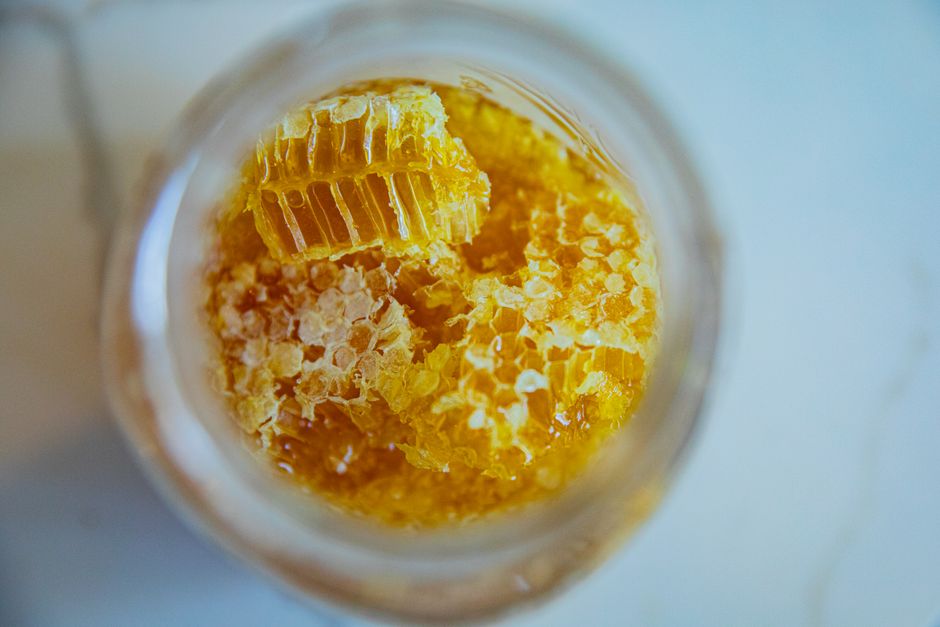
Hydrogen peroxide is the same compound humans use as a disinfectant. In honey, it acts as a powerful antimicrobial agent that kills bacteria and prevents contamination. The bees then deposit this enzyme-enriched nectar into hexagonal wax cells and fan it vigorously with their wings to evaporate excess moisture. This deliberate dehydration process reduces the water content from roughly 60-80% in raw nectar down to less than 20% in finished honey. Once the moisture level drops sufficiently, the bees seal the cells with wax caps, creating airtight storage that can last indefinitely.
Archaeological discoveries in ancient Egyptian burial chambers have yielded some of the oldest preserved food ever found. Honey stored in sealed jars within these tombs remained unspoiled for millennia, demonstrating the sweetener's remarkable longevity. The ancient Egyptians understood honey's preservation qualities so well that they used it not only as food but also in mummification processes and as offerings to the gods. These archaeological finds provide tangible proof that properly stored honey can remain edible across spans of time that dwarf human lifespans.
2. Sugar Molecules Create an Inhospitable Desert for Bacteria
The intense concentration of sugars in honey creates what microbiologists call osmotic pressure. When bacteria encounter honey's sugar-saturated environment, water molecules are drawn out of the bacterial cells through osmosis—the same process that causes slugs to shrivel when exposed to salt. This dehydration kills the bacteria before they can multiply or produce toxins. Essentially, honey's sweetness is so extreme that it becomes a hostile desert where microorganisms cannot survive, making spoilage virtually impossible under normal storage conditions.
3. Crystallization Doesn't Mean Honey Has Gone Bad
Many people mistakenly believe that crystallized honey has spoiled and should be discarded. The truth is quite different. Crystallization is a natural process that occurs when glucose sugars in honey separate from water and form crystals. This physical change doesn't affect honey's safety, nutritional value, or edibility. Different varieties of honey crystallize at different rates depending on their glucose-to-fructose ratio—some honeys remain liquid for years, while others crystallize within weeks. You can easily return crystallized honey to its liquid state by gently warming the container in warm water.
4. Honeybees Add Natural Antibiotics During Production
Beyond hydrogen peroxide, honeybees contribute additional antimicrobial compounds to their honey through their own biology. Research has identified various peptides and proteins in bee secretions that possess antibiotic properties. These natural compounds work synergistically with honey's other preservation mechanisms, creating multiple defensive barriers against contamination. The bees' contribution transforms simple plant nectar into a complex antimicrobial substance that can resist spoilage for centuries.
5. Honey's Acidity Rivals Vinegar in Preservation Power
With a pH typically between 3 and 4.5, honey is almost as acidic as vinegar, which has a pH around 2.5 to 3. This significant acidity inhibits the growth of most bacteria, which generally prefer neutral or slightly alkaline environments. The acidic environment also activates honey's hydrogen peroxide production, creating a two-pronged antimicrobial defense. This natural acidity is why honey has been used for thousands of years not just as food but also as a wound dressing—ancient medical texts from Greece, Rome, and Egypt all document honey's healing properties.
6. Moisture Absorption Is Honey's Only Real Enemy
While honey itself doesn't spoil, it can ferment if it absorbs enough moisture from the air to raise its water content above approximately 19%. This hygroscopic property—honey's tendency to absorb moisture—explains why proper storage is essential. When honey's water content increases sufficiently, naturally occurring yeast spores can activate and begin fermenting the sugars, producing alcohol and carbon dioxide. This fermentation doesn't make honey dangerous, but it does alter its flavor and texture. Keeping honey in tightly sealed containers prevents moisture absorption and ensures indefinite shelf life.
7. Different Honey Varieties Have Different Preservation Properties
Not all honey is created equal when it comes to antimicrobial strength. Manuka honey from New Zealand, for example, contains additional compounds like methylglyoxal that provide extra antibacterial power beyond what standard honey offers. The floral source, climate, and bee species all influence honey's chemical composition and preservation properties. Darker honeys generally contain more antioxidants and antimicrobial compounds than lighter varieties, though all pure honey shares the fundamental characteristics that prevent spoilage. These variations explain why some cultures have prized specific honey types for medicinal purposes throughout history.
The Science of Honey Storage and Longevity
Understanding honey's preservation mechanisms helps explain proper storage techniques. Honey should always be stored in airtight containers made of glass, food-grade plastic, or stainless steel. Exposure to air allows moisture absorption, which can eventually lead to fermentation. Temperature fluctuations don't harm honey, though extreme cold can accelerate crystallization while heat can degrade some beneficial enzymes and darken the color.
Interestingly, honey requires no refrigeration—in fact, refrigeration can speed up crystallization without providing any preservation benefits. Room temperature storage in a dark cupboard is ideal. Metal containers other than stainless steel should be avoided, as honey's acidity can react with certain metals over time. When these simple storage guidelines are followed, honey remains safe and delicious indefinitely, just as it did in those ancient Egyptian tombs.
Frequently Asked Questions
Can honey actually go bad or expire?
Pure, properly stored honey does not spoil or expire. While honey sold in stores may carry a "best by" date for regulatory reasons, this indicates peak quality rather than safety. Honey can remain safe to eat for centuries if kept in sealed containers away from moisture.
Why does my honey have white stuff on top?
The white layer on top of honey is typically crystallization or foam. Crystallization is a natural process that doesn't indicate spoilage. Foam can form from air bubbles trapped during bottling. Both are harmless and don't affect honey's safety or quality.
Is crystallized honey still good to eat?
Yes, crystallized honey is completely safe and nutritious. Crystallization is simply a physical change where glucose sugars form crystals. You can eat it as-is or gently warm the container in warm water to return it to liquid form without affecting its properties.
How long can opened honey last?
Opened honey can last indefinitely if properly stored in an airtight container. The key is preventing moisture absorption from the air. As long as the container seals tightly and water doesn't contaminate the honey, it will remain safe to eat for years or even decades after opening.
The next time you drizzle honey over your morning toast, consider that you're enjoying one of nature's most remarkable preservation achievements. This golden substance has outlasted empires, survived millennia in sealed tombs, and continues to defy the decay that claims virtually every other food we consume. Honey doesn't just resist time—it transcends it entirely.
Did you know that octopuses have blue blood flowing through their bodies? This surprising fact isn't science fiction—it's a fascinating adaptation that helps these remarkable creatures survive in their ocean environment. While humans rely on iron-based hemoglobin that gives our blood its familiar red color, octopuses evolved a completely different system using copper. The truth behind octopuses blue blood reveals one of nature's most interesting solutions to the challenge of transporting oxygen underwater.
This biological quirk isn't just a fun trivia tidbit. It's a window into how evolution crafts unique answers to universal problems.
Key Takeaways
Octopuses have blue blood because they use hemocyanin, a copper-based oxygen-carrying protein, instead of iron-based hemoglobin
The copper in hemocyanin oxidizes to create a distinctive blue color when it binds with oxygen
This adaptation helps octopuses survive in cold, low-oxygen ocean environments where hemoglobin would be less efficient
Many other marine invertebrates, including squid, cuttlefish, and some crustaceans, also have blue blood
Hemocyanin is less efficient than hemoglobin in warm conditions, which is why octopuses are cold-blooded and prefer cooler waters
The blue blood myth that octopuses are aliens is unfounded—their biology is a natural evolutionary adaptation
The Chemistry Behind Octopuses Blue Blood
The secret lies in hemocyanin. This copper-containing protein performs the same essential job as our hemoglobin: grabbing oxygen molecules and delivering them throughout the body. But the chemistry works differently.
When hemocyanin binds with oxygen, the copper atoms within it undergo oxidation. This chemical reaction creates the blue color we associate with octopus blood. Think of it like copper pipes or the Statue of Liberty—copper turns blue-green when it oxidizes. The same principle applies inside an octopus.
In contrast, human blood uses iron in hemoglobin. Iron oxidizes to create red hues, which is why our blood appears crimson. Both systems transport oxygen, but they evolved independently to solve the same biological challenge using different metallic elements.
Hemocyanin doesn't live inside blood cells the way hemoglobin does. Instead, it floats freely in the octopus's circulatory fluid, called hemolymph. This structural difference affects how efficiently the protein can capture and release oxygen under various conditions.
Why Evolution Chose Copper Over Iron
The ocean environment shaped this adaptation. Octopuses thrive in cold water where oxygen dissolves more readily but where metabolic processes slow down. Hemocyanin works exceptionally well under these conditions.
Cold temperatures actually improve hemocyanin's efficiency. The protein binds oxygen more effectively in chilly water, giving octopuses an advantage in their preferred habitats. Many octopus species live in deep, cold ocean zones where this adaptation shines.
There's a trade-off, though. Hemocyanin carries oxygen less efficiently than hemoglobin in warm conditions. This explains why octopuses are ectothermic (cold-blooded) and why they struggle in warmer waters. Their cardiovascular system simply isn't designed for heat.
The low oxygen levels in some marine environments also favor hemocyanin. In areas where oxygen is scarce, this copper-based system can outperform iron-based alternatives. Evolution doesn't create perfect solutions—it creates workable ones that fit specific niches.
Who Else Has Blue Blood?
Octopuses aren't alone. Many marine invertebrates independently evolved hemocyanin-based blood systems. The list includes their cephalopod cousins—squid and cuttlefish—as well as creatures from completely different branches of the animal kingdom.
Animal Group
Blood Color
Oxygen Carrier
Octopuses, squid, cuttlefish
Blue
Hemocyanin (copper)
Horseshoe crabs
Blue
Hemocyanin (copper)
Many spiders and scorpions
Blue
Hemocyanin (copper)
Most crustaceans (lobsters, crabs)
Blue
Hemocyanin (copper)
Humans and most vertebrates
Red
Hemoglobin (iron)
This convergent evolution—different species developing similar solutions—demonstrates that hemocyanin offers genuine advantages for certain lifestyles. Arthropods on land, like spiders, also use hemocyanin despite living in very different environments than marine creatures.
Busting Common Myths About Blue Blood
The unusual color has spawned some wild misconceptions. Let's separate unknown truths from pure fiction.
Myth: Octopuses are aliens because of their blue blood. While octopuses possess remarkable intelligence and abilities, their blue blood is a natural evolutionary adaptation, not evidence of extraterrestrial origin. Many Earth creatures independently evolved copper-based blood.
Myth: Blue blood makes octopuses superior to red-blooded animals. Neither system is universally "better." Each works optimally in specific environments. Hemoglobin excels in warm-blooded, active animals. Hemocyanin suits cold-water invertebrates with lower metabolic demands.
Myth: All sea creatures have blue blood. Most fish have red blood with hemoglobin, just like humans. Blue blood appears primarily in certain invertebrate groups that evolved hemocyanin independently.
These myths reveal how surprising facts can fuel imagination. The reality, though, is fascinating enough without embellishment.
The Three Hearts That Pump Blue Blood
Here's another interesting octopus fact: they have three hearts pumping that blue fluid. Two branchial hearts push blood through the gills, where it picks up oxygen. A third systemic heart circulates oxygenated blood to the rest of the body.
This multi-heart system compensates for hemocyanin's lower oxygen-carrying capacity compared to hemoglobin. The extra hearts ensure adequate circulation despite the limitations of copper-based blood. When an octopus swims, the systemic heart actually stops beating, which is why these animals prefer crawling along the ocean floor to conserve energy.
The entire cardiovascular setup—three hearts, copper-based blood, and specialized circulation—represents an integrated solution to life in the ocean. Every piece works together to keep these intelligent invertebrates thriving in their aquatic world.
Frequently Asked Questions
Is octopus blood really blue, or does it just look blue?
Octopus blood is genuinely blue when oxygenated. The copper in hemocyanin creates an authentic blue color through oxidation, not an optical illusion. However, deoxygenated octopus blood appears colorless or slightly grayish, only turning blue when it binds with oxygen.
Could humans survive with blue blood like octopuses?
No. Hemocyanin works for octopuses because they're cold-blooded invertebrates with relatively low oxygen demands. Humans need the superior oxygen-carrying capacity of hemoglobin to fuel our warm-blooded metabolism and active lifestyle. Hemocyanin couldn't keep up with our energy requirements.
Do octopuses bleed blue when injured?
Yes, if an octopus is injured in oxygenated water, the blood that emerges will appear blue. The hemocyanin remains bound to oxygen as it exits the body, maintaining its distinctive color until the oxygen dissociates.
Are there any other blood colors in nature besides red and blue?
Absolutely. Some marine worms have green blood due to chlorocruorin, a different iron-based protein. A few species of skinks (lizards) have green blood because of high concentrations of biliverdin, a bile pigment. Some Antarctic fish even have colorless blood with no oxygen-carrying pigments at all, relying on oxygen dissolved directly in their plasma.