
By TrivBits, Staff Writer — Published November 10, 2026
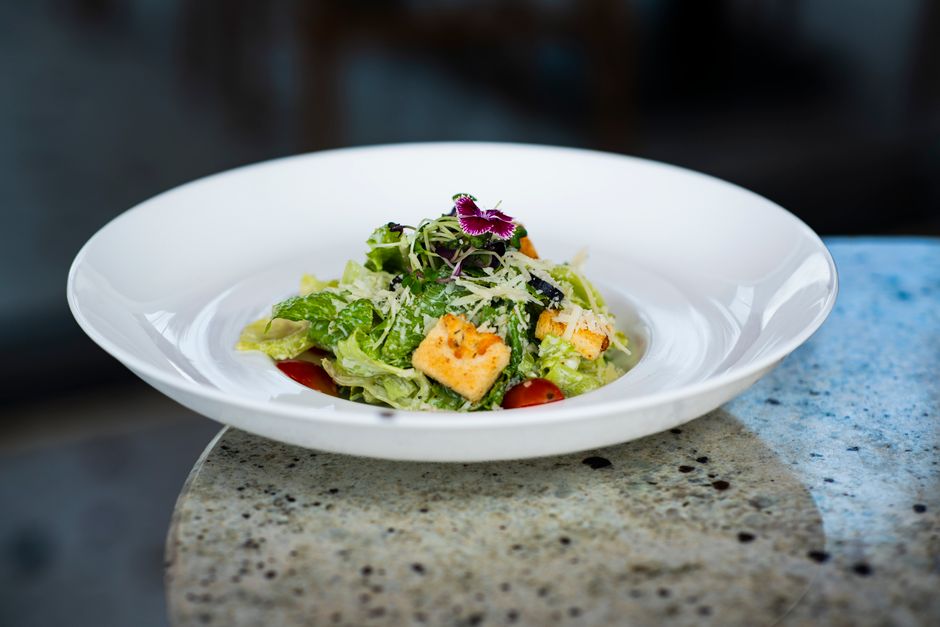
Table of Contents
- Key Takeaways
- The Waiter Invented Caesar Salad During a Rush—Or Did He?
- What Made This Salad Different
- How Hollywood Made It Famous
- Common Myths and Trivia About the Caesar Salad
- The Evolution of an Accidental Classic
- Frequently Asked Questions
- Sources
Did you know one of the world’s most famous salads wasn’t created by a renowned chef but by a waiter scrambling to feed hungry customers? The Caesar salad, now a staple on menus worldwide, emerged from an improvised moment in a Tijuana restaurant kitchen. The story of how a waiter invented caesar salad is one of those surprising food origin tales that blurs the line between accident and genius—a perfect example of culinary creativity born from necessity.
The truth behind this beloved dish challenges many common myths. While countless restaurants claim their own versions of the salad’s history, the real facts reveal a fascinating snapshot of 1920s border culture, American Prohibition, and one resourceful man’s quick thinking.
Key Takeaways
- Caesar Cardini, an Italian immigrant restaurateur, created the Caesar salad in Tijuana, Mexico, in 1924, though accounts vary on whether he or his brother Alex was the true inventor
- The salad emerged during American Prohibition when Tijuana became a popular destination for thirsty Americans seeking alcohol
- The original recipe was much simpler than modern versions, featuring whole romaine leaves meant to be eaten with fingers
- The dish gained fame when Hollywood celebrities began frequenting Cardini’s restaurant and spreading word of the unique salad
- Despite its name, the salad has nothing to do with Julius Caesar or ancient Rome—it’s named after its creator
- The original recipe contained no anchovies, though Worcestershire sauce provided a subtle fishy undertone
The Waiter Invented Caesar Salad During a Rush—Or Did He?
Caesar Cardini operated a restaurant in Tijuana during the 1920s, capitalizing on the flood of Americans crossing the border to drink legally during Prohibition. On a busy Fourth of July weekend in 1924, the kitchen ran dangerously low on supplies. With a dining room full of demanding patrons, someone had to act fast.
According to the most widely accepted account, Caesar himself threw together what ingredients remained: romaine lettuce, garlic, olive oil, raw egg, Parmesan cheese, and Worcestershire sauce. He added lemon juice and his secret touch—preparing the salad tableside with theatrical flair. Guests ate the whole romaine leaves with their fingers, treating them almost like edible utensils.
But here’s where the story gets interesting. Some accounts credit Caesar’s brother Alex, who worked as a chef and pilot, with the invention. Alex allegedly created a similar salad he called “Aviator’s Salad.” Others suggest it was actually an employee named Livio Santini who developed the recipe. The Cardini family maintains Caesar was the true creator, and his daughter Rosa spent decades protecting the recipe and the family legacy.
What Made This Salad Different
The original Caesar salad bore little resemblance to the anchovy-heavy, crouton-laden versions served today. Caesar’s innovation wasn’t just about ingredients—it was about presentation and experience.
The tableside preparation transformed a simple salad into dinner theater. Caesar would coddle the egg (briefly immersing it in boiling water for one minute), then break it over the lettuce. He’d grind fresh pepper, grate Parmesan, and toss everything with a practiced showmanship that captivated diners. The whole romaine leaves stayed intact, requiring diners to pick them up and eat them like breadsticks.
Interestingly, anchovies never appeared in the original recipe. That fishy flavor everyone associates with Caesar salad? It came from Worcestershire sauce, which contains anchovies as an ingredient. Later adaptations added whole anchovies, fundamentally changing the flavor profile from Caesar’s original vision.
How Hollywood Made It Famous
Tijuana in the 1920s was a playground for the rich and famous escaping American liquor laws. Hollywood stars regularly made the trip south, and Caesar’s restaurant became a favorite haunt. When celebrities like Clark Gable and Jean Harlow raved about this unusual salad back in Los Angeles, its reputation spread like wildfire.
The timing was perfect. Americans were fascinated by anything exotic or foreign, and Tijuana represented adventure just across the border. A salad that required finger-eating and featured dramatic tableside preparation? That was exactly the kind of sophisticated novelty that appealed to the era’s cultural appetites.
By the 1930s, Caesar salad had migrated north permanently, appearing on menus throughout California and eventually spreading nationwide. Each restaurant added its own modifications—croutons, anchovies, different cheeses—until the salad evolved into dozens of variations.
Common Myths and Trivia About the Caesar Salad
One persistent myth connects the salad to Julius Caesar or ancient Roman cuisine. The name alone seems to suggest imperial origins. In reality, the salad is less than a century old and purely Italian-American in heritage.
Another unknown fact: the salad was originally considered a finger food, not fork food. Modern diners would find Caesar’s original presentation strange, picking up whole lettuce leaves dressed in oil and egg.
Some claim the salad was invented in Italy or even in the United States. While Caesar Cardini was Italian by birth and later became an American citizen, the salad’s birthplace was definitively Tijuana, Mexico. The International Society of Epicures proclaimed it “the greatest recipe to originate from the Americas in fifty years” during the 1950s, cementing its place in culinary history.
The Cardini family eventually patented and bottled their dressing recipe, which remains available today. Rosa Cardini fought to preserve her father’s legacy, even as countless imitators claimed their own versions as authentic.
The Evolution of an Accidental Classic
What started as an improvised solution to empty cupboards became a global phenomenon. Today’s Caesar salads range from traditional preparations to adventurous variations with grilled chicken, shrimp, or even kale substituting for romaine.
The addition of croutons became standard, providing the crunch that whole lettuce leaves once offered. Anchovies moved from hidden ingredient to prominent garnish. Some versions abandoned the coddled egg entirely due to food safety concerns about raw eggs, replacing it with mayonnaise-based dressings.
Despite these changes, the core appeal remains. A good Caesar salad balances richness with brightness, salt with acid, crunch with creaminess. Whether Caesar Cardini invented it alone, collaborated with his brother, or refined an employee’s creation, the result transcended its humble, hurried origins to become something enduring.
Frequently Asked Questions
Did the Caesar salad really come from Tijuana?
Yes, the Caesar salad was created in Tijuana, Mexico, at Caesar Cardini’s restaurant in 1924. While Caesar was Italian by birth, he operated his restaurant south of the border during American Prohibition, when Tijuana became a popular destination for Americans seeking legal alcohol and entertainment.
Why is it called Caesar salad if it has nothing to do with Julius Caesar?
The salad is named after its creator, Caesar Cardini, not the Roman emperor. This common confusion stems from the imperial-sounding name, but the dish is entirely modern and has no connection to ancient Rome or Roman cuisine.
Did the original Caesar salad contain anchovies?
No, the original recipe did not include whole anchovies. The subtle fishy flavor came from Worcestershire sauce, which contains anchovies as an ingredient. Later variations added whole anchovies or anchovy paste, changing the salad’s flavor profile from Caesar’s original creation.
Is it safe to eat Caesar salad with raw egg?
Traditional Caesar salad uses coddled or raw egg, which can pose a salmonella risk. Many modern restaurants use pasteurized eggs or mayonnaise-based dressings to eliminate this concern. If making it at home, using pasteurized eggs or properly coddled eggs reduces risk, though pregnant women and immunocompromised individuals should avoid raw eggs entirely.