










1 / 10 Questions
0 Points

What Great Lake Is Entirely Within The United States?

Lake Ontario

Lake Michigan

Lake Huron

Lake Superior

Points won
0
Correct score
0%

More Questions

More Articles

Why Stonehenge Was Built: The Acoustic Mystery Solved

Why Stonehenge Was Built: The Acoustic Mystery Solved

By TrivBits, History Desk — Published September 1, 2026
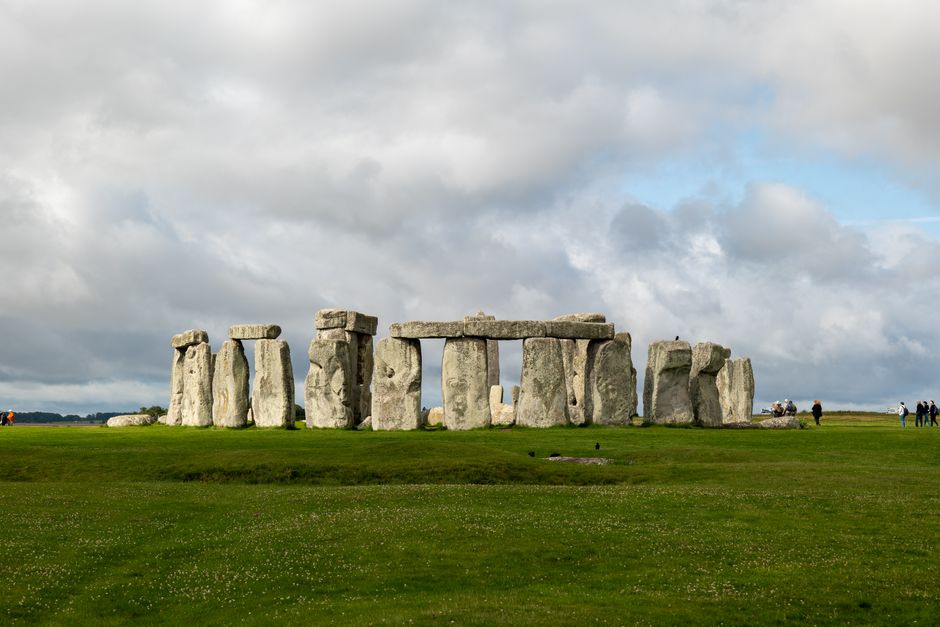
Why Stonehenge Was Built: The Acoustic Mystery Solved — History trivia by TrivBits

Table of Contents

For centuries, Stonehenge has stood as one of ancient history's most captivating puzzles. The massive stone circle on England's Salisbury Plain has sparked countless theories about why our ancestors hauled enormous bluestones from distant quarries. Recent research suggests that the reason Stonehenge was built might have an acoustic dimension that's as fascinating as it is unexpected. Sound itself may have been sacred to these Neolithic builders, and the monument's design appears deliberately engineered to manipulate it.

The idea that ancient civilizations constructed monuments with acoustics in mind transforms how we understand the past. These weren't just primitive stone-stackers. They were sophisticated architects who understood how sound behaves in enclosed and semi-enclosed spaces, creating an auditory experience that likely held profound spiritual significance during an era when the spoken word and ritual chanting formed the backbone of cultural transmission.

Key Takeaways

  • Stonehenge's stone arrangement creates unique acoustic properties that amplify and contain sound within the circle
  • Acoustic testing reveals the monument would have reflected sound back toward the center, creating an intimate auditory environment
  • The bluestones, transported from Wales over 150 miles away, may have been chosen partly for their acoustic qualities
  • Similar acoustic properties appear in other Neolithic monuments, suggesting sound played a crucial role in ancient ritual practices
  • Modern research using scale models and computer simulations has revealed how complete the stone circle would have affected sound propagation
  • The acoustic mystery connects to broader questions about how historical societies used architecture to shape sensory experiences

The Stonehenge Built Acoustic Discovery: How Scientists Tested Ancient Sound

Researchers didn't just theorize about Stonehenge's acoustic properties. They tested them. Using a one-twelfth scale model of the monument as it would have appeared roughly 4,000 years ago, scientists measured how sound behaved within the stone circle. The results were remarkable.

The stones acted as acoustic mirrors. Sound generated inside the circle bounced off the massive sarsen stones and reflected back toward the center, rather than dispersing into the surrounding landscape. This created an effect similar to being inside a building, despite the monument being open to the sky. Speech and music would have been amplified for those standing within the circle, while remaining relatively quiet for anyone outside it.

This acoustic containment would have made Stonehenge an ideal venue for ritual gatherings. Imagine a priest or leader speaking from the center, their voice enriched and amplified by the stones themselves. To participants, it might have seemed as though the monument itself was lending power to the words being spoken, a profound effect during an empire of belief systems where the spiritual and physical worlds intertwined.

Why the Bluestones Matter: A Journey for Sound

The smaller bluestones at Stonehenge traveled an extraordinary distance. These distinctive stones came from the Preseli Hills in Wales, a journey of more than 150 miles. For centuries, historians puzzled over why Neolithic people would undertake such a monumental effort when plenty of stone existed closer to the site.

One compelling answer involves sound. Some bluestones, when struck, produce a distinctive ringing tone. This quality, called lithophones, means the stones essentially function as percussion instruments. Several ancient cultures across different civilizations valued ringing rocks for ceremonial purposes, and the bluestones at Stonehenge may have served a similar function.

The acoustic properties of these particular stones could explain the otherwise baffling logistics of their transport. If sound held sacred significance, then sourcing stones with specific acoustic characteristics would justify the enormous effort. The monument wasn't just built to look impressive. It was built to sound impressive too.

Comparing Stonehenge's Acoustics to Other Ancient Monuments

Monument Location Acoustic Feature Era
Stonehenge England Sound reflection and containment Neolithic (3000-2000 BCE)
Newgrange Ireland Echo chamber effects in passage tomb Neolithic (3200 BCE)
Hypogeum of Ħal-Saflieni Malta Resonance at specific frequencies Neolithic (4000-2500 BCE)
Chavín de Huántar Peru Sound distortion and roaring effects Pre-Columbian (1500-300 BCE)

These monuments suggest that acoustic engineering was not unique to Stonehenge. Across different continents and centuries, ancient builders incorporated sound manipulation into sacred architecture, pointing to a universal human impulse to create spaces where auditory experiences enhanced spiritual practice.

What the Acoustics Tell Us About Neolithic Ceremonies

Understanding Stonehenge's acoustic properties opens a window into how ceremonies might have unfolded within the circle. The contained sound environment would have created intimacy among participants, binding them together in shared auditory space. Outside the circle, the sounds would have been muted, creating a clear distinction between sacred interior space and the ordinary world beyond.

Chanting, drumming, or rhythmic speech would have reverberated differently inside the stone circle compared to open landscape. These effects weren't accidental byproducts of construction. Evidence suggests they were intentional design features, carefully planned by people who understood sound's psychological and spiritual impact.

The acoustic dimension also suggests that Stonehenge gatherings may have been smaller and more exclusive than sometimes imagined. The sound-reflecting properties work best for groups of dozens or perhaps a few hundred people, not massive crowds. This hints at ceremonies that emphasized participation and direct experience rather than observation from a distance.

Modern Technology Reveals Ancient Intentions

Twenty-first century technology has proven essential to understanding this aspect of the past. Computer modeling allows researchers to reconstruct how the complete monument would have sounded, accounting for stones that have fallen or disappeared over millennia. These simulations reveal that when intact, Stonehenge would have created an even more pronounced acoustic effect than the ruins suggest today.

Laser scanning and acoustic analysis have also revealed that the positioning of stones wasn't random. The gaps between standing stones, their heights, and their arrangement all contribute to the overall acoustic environment. This level of planning demonstrates sophisticated understanding of sound physics, achieved without modern scientific instruments or mathematical notation.

How did Neolithic builders develop this knowledge? Likely through experimentation and accumulated wisdom passed down through generations. Trial and error, careful observation, and cultural memory combined to create architectural achievements that still impress today.

Frequently Asked Questions

Was Stonehenge specifically designed for its acoustic properties?

While we cannot know the builders' exact intentions, evidence strongly suggests acoustics were a significant consideration. The stone arrangement creates predictable sound-reflecting patterns that would have been noticeable to anyone using the space. Whether acoustics were the primary purpose or one of several design goals remains debated, but the acoustic effects appear too consistent to be coincidental.

Can visitors today experience Stonehenge's acoustic properties?

Not fully. The monument is incomplete, with many stones missing or fallen, which significantly alters its acoustic behavior. Additionally, public access restrictions mean visitors cannot stand within the inner circle during normal visiting hours. Special access visits do occur, but even then, the degraded state of the monument means the acoustic experience differs substantially from what ancient users would have encountered.

Do other stone circles show similar acoustic features?

Yes, though research is ongoing. Many stone circles throughout Britain and Ireland exhibit acoustic properties that suggest intentional design. However, Stonehenge's size, complexity, and the specific qualities of its stones make it particularly notable. Each monument likely created a unique acoustic signature based on its specific dimensions and materials.

How did ancient people discover that stones could manipulate sound?

Natural acoustic phenomena probably provided the initial inspiration. Caves, rock formations, and cliff faces create echoes and sound effects that humans have noticed since prehistoric times. Ancient people likely observed these natural effects and experimented with recreating them in constructed spaces, gradually developing expertise in acoustic architecture over many generations.
Sources

Top 10 Most Surprising Facts About the Vikings

Top 10 Most Surprising Facts About the Vikings

⏱️ 7 min read

The Vikings have long captured our imagination as fierce warriors who pillaged and plundered across medieval Europe. However, these Norse seafarers were far more complex and sophisticated than popular culture suggests. From their advanced hygiene practices to their democratic assemblies, the reality of Viking society challenges many common misconceptions. These remarkable people left an indelible mark on history through their innovation, exploration, and cultural achievements that extended far beyond warfare.

Uncovering the Truth Behind Norse Culture

1. Vikings Were Remarkably Clean and Hygiene-Conscious

Contrary to the popular image of dirty, uncivilized barbarians, Vikings were actually obsessed with personal hygiene. Archaeological excavations have uncovered numerous grooming tools including combs, tweezers, razors, and even specialized ear cleaners at Viking sites throughout Scandinavia. Written accounts from England reveal that Anglo-Saxon women found Viking men particularly attractive because they bathed once a week—on Saturdays—which was far more frequently than their English counterparts. The Vikings even had a specific day dedicated to bathing called "laugardagur," which literally means "washing day" and is still the word for Saturday in Icelandic. They also manufactured their own soap from animal fats and wood ash, used hot springs when available, and regularly combed and bleached their hair and beards.

2. Viking Women Enjoyed Extraordinary Rights and Independence

Viking women possessed rights that were centuries ahead of their time and wouldn't be matched in most European societies until the modern era. They could own property, request divorces, and reclaim their dowries if their marriages ended. Women managed household finances and ran farms when their husbands were away trading or raiding. Some women even served as merchants and traders in their own right. If a Viking woman's husband died, she inherited his property and wealth, giving widows considerable economic power. Archaeological evidence also suggests that some women may have been warriors, with the recent discovery of a high-status Viking warrior burial in Sweden that DNA analysis confirmed belonged to a woman.

3. The Vikings Reached North America 500 Years Before Columbus

Long before Christopher Columbus set sail in 1492, Viking explorer Leif Erikson established a settlement in North America around the year 1000 CE. Archaeological evidence at L'Anse aux Meadows in Newfoundland, Canada, confirms that Norse settlers built structures and lived there, making them the first Europeans to reach the Americas. The Vikings called this land "Vinland" and attempted to establish permanent settlements, though conflicts with indigenous peoples and the distance from Scandinavia ultimately made these colonies unsustainable. This remarkable achievement demonstrates the Vikings' exceptional navigation skills and their willingness to explore far beyond known horizons.

4. Most Vikings Were Peaceful Farmers, Not Warriors

While Viking raids captured historical attention and created their fearsome reputation, the vast majority of Norse people never participated in raids or warfare. Most Vikings were farmers, craftsmen, traders, and fishermen who lived peaceful lives in Scandinavia. They cultivated crops like barley and rye, raised livestock, and developed sophisticated agricultural techniques suited to their harsh northern climate. The popular image of the violent Viking warrior represents only a small percentage of the population—typically younger sons who wouldn't inherit land and sought fortune elsewhere. The majority focused on survival, family, and community in the challenging Nordic environment.

5. Vikings Were Skilled Democratic Lawmakers

The Vikings established one of the earliest forms of parliament called the "Thing" or "Althing," where free men gathered to settle disputes, make laws, and discuss community matters. Iceland's Althing, established in 930 CE, is considered one of the world's oldest surviving parliamentary institutions. These assemblies operated on surprisingly democratic principles, with decisions made through debate and consensus rather than by autocratic rulers. Legal disputes were settled through this system, and even accusations against powerful chieftains could be heard. This sophisticated approach to governance demonstrates that Viking society valued justice and collective decision-making.

6. The Iconic Horned Helmet Is a Complete Myth

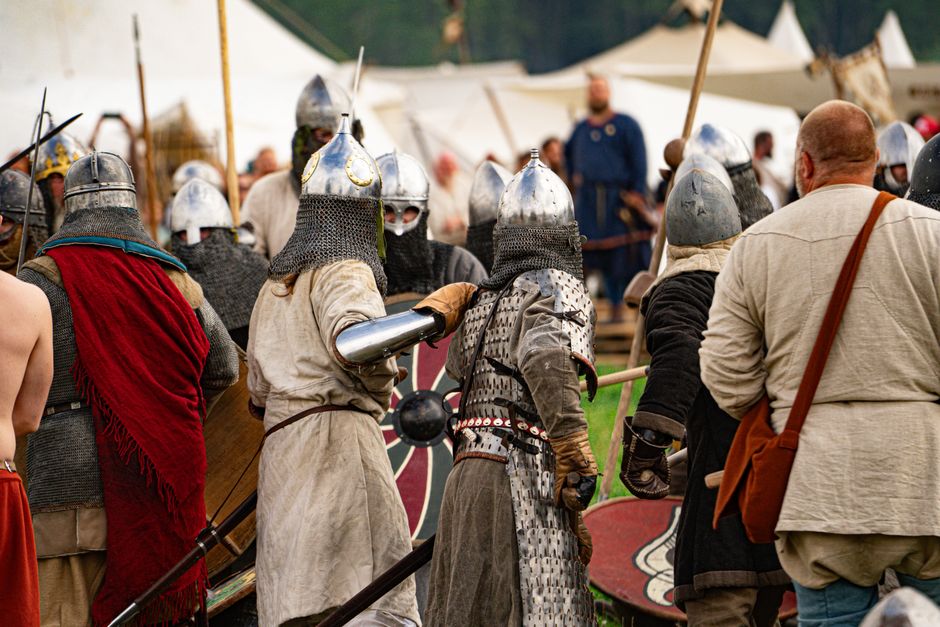
Perhaps the most persistent Viking stereotype is also completely false: Vikings never wore horned helmets. No archaeological evidence supports this image, and such impractical headgear would have been a severe liability in combat. This misconception originated in 19th-century Romantic nationalism, particularly through costume designer Carl Emil Doepler's creations for Wagner's opera cycle "Der Ring des Nibelungen" in 1876. The few actual Viking helmets discovered by archaeologists are simple, practical iron designs, sometimes with nose guards but never with horns. Some ceremonial horned helmets existed in Bronze Age Scandinavia, over 2,000 years before the Viking Age, which may have contributed to the confusion.

7. Vikings Were Master Craftsmen and Artists

Beyond their reputation as warriors, Vikings were highly skilled artisans who created intricate jewelry, elaborate wood carvings, and sophisticated metalwork. Their craftsmanship featured complex interlacing patterns, stylized animal motifs, and geometric designs that represent distinct artistic traditions. Viking blacksmiths produced high-quality weapons, tools, and decorative items using advanced metallurgical techniques. They created beautiful brooches, arm rings, and pendants from silver and gold, often incorporating materials from across their vast trading networks. Their woodcarving skills are evident in the elaborate decorations on ship prows, buildings, and everyday objects. This artistic sophistication reveals a culture that valued beauty and craftsmanship alongside martial prowess.

8. Vikings Practiced Advanced Maritime Technology

The legendary Viking longships represented cutting-edge naval engineering that wouldn't be surpassed for centuries. These vessels featured a revolutionary design with shallow drafts that allowed them to navigate both deep oceans and shallow rivers, giving Vikings unparalleled mobility. The ships' flexible construction allowed them to flex with ocean waves rather than break, while their symmetrical design meant they could reverse direction without turning around. Vikings also developed sophisticated navigation techniques, using the sun, stars, landmarks, and possibly "sunstones" (calcite crystals that can locate the sun's position even on cloudy days) to traverse vast distances. This maritime expertise enabled their exploration, trade, and expansion across an enormous geographical range.

9. The Vikings Established Extensive Global Trade Networks

Far from being isolated northern barbarians, Vikings operated sophisticated trade networks that stretched from North America to Central Asia. Archaeological finds include Arabic coins in Scandinavia, Byzantine silk in Norway, and Scandinavian goods throughout Europe and beyond. Vikings traded furs, amber, ivory, and slaves for silver, silk, spices, wine, and other luxury goods. They established permanent trading centers like Hedeby in Denmark and Birka in Sweden, which became cosmopolitan hubs attracting merchants from many cultures. These economic connections brought wealth to Scandinavia and facilitated cultural exchange, spreading ideas, technologies, and artistic influences across vast distances.

10. Viking Influence Shaped the English Language

The Viking presence in England, particularly in areas known as the Danelaw, profoundly influenced the development of English. Hundreds of common English words derive from Old Norse, including everyday terms like "sky," "egg," "knife," "husband," "law," "ugly," and "wrong." Many place names in northern and eastern England reveal Norse origins, with suffixes like "-by" (meaning farm or town), "-thorpe" (village), and "-thwaite" (clearing). The Vikings' linguistic legacy even extends to English grammar and pronunciation. This cultural integration occurred because Vikings who settled in England intermarried with locals and their languages blended, creating a lasting impact that remains evident in modern English today.

The Complex Legacy of Norse Culture

These surprising facts reveal that Viking society was far more sophisticated, complex, and progressive than the stereotypical image of savage raiders suggests. From their democratic assemblies and women's rights to their artistic achievements and global trade networks, the Vikings demonstrated remarkable innovation and adaptability. Their exploration reached unprecedented distances, their craftsmanship produced beautiful works of art, and their cultural practices showed an advanced understanding of hygiene and governance. While the Viking Age lasted only about 300 years, from approximately 793 to 1066 CE, their influence on world history, language, culture, and exploration continues to resonate today. Understanding these facts helps us appreciate the true depth and richness of Norse culture beyond the myths and misconceptions that have dominated popular imagination for centuries.