Drive through the American countryside and you'll notice a striking pattern: barns painted red dominate the landscape. This isn't random aesthetic preference or farmer fashion—it's the result of fascinating chemistry, economic practicality, and centuries of agricultural tradition. The story of why barns are painted red reveals surprising facts about historical resourcefulness and the science of preservation that shaped rural America.
The answer combines accessible materials, protective chemistry, and cost-effectiveness in ways that might surprise you. Long before modern paint stores offered endless color options, farmers discovered that red wasn't just attractive—it was the most practical choice for protecting their most valuable structures.
Key Takeaways
Red barn paint originated from a mixture of readily available ingredients including linseed oil, milk, lime, and rust (ferrous oxide).
Iron oxide, which produces the characteristic red color, was abundant and inexpensive, making it the most economical pigment for large structures.
The rust in red paint actually helped preserve wood by killing fungi and moss that cause decay.
Farmers made their own paint for centuries before commercial paints became widely available in the late 1800s.
Red barns became a cultural icon of American agriculture, influencing barn construction well into the 20th century even after other colors became affordable.
The Chemistry Behind Barns Painted Historical Red
Early American farmers faced a significant challenge: protecting massive wooden barns from the elements without breaking the bank. Wood left untreated deteriorates rapidly when exposed to rain, snow, and fluctuating temperatures. The solution lay in creating a protective coating using materials readily at hand.
The traditional red barn paint recipe combined linseed oil (pressed from flax seeds), milk protein (casein), lime, and iron oxide. Linseed oil penetrated wood fibers and created a water-resistant seal. When combined with milk, it formed a durable, adhesive base. Lime added both body to the mixture and additional protective properties. But the star ingredient was iron oxide—commonly known as rust.
Iron oxide wasn't just cheap; it was often free. Farmers could create it by allowing iron tools and scraps to rust, then grinding the flakes into powder. This abundant pigment gave the paint its distinctive red hue while serving a crucial protective function. The iron oxide killed fungi, moss, and mold that would otherwise colonize and rot wooden boards. In essence, rust became a preservative that extended barn life by decades.
Why Red Instead of Other Colors?
Other pigments existed, but economics told the story. White paint required lead carbonate or zinc oxide—expensive materials that had to be purchased. Blue and green pigments came from even costlier mineral compounds. Yellow ochre was moderately priced but less effective at preservation. Red iron oxide offered the perfect combination: dirt cheap (sometimes literally made from dirt containing iron deposits), highly effective, and readily producible on the farm itself.
The Evolution of Barn Paint Through the Centuries
The practice of painting barns red became established in colonial America and peaked during the 18th and 19th centuries. Farmers passed down recipes through generations, with regional variations reflecting local material availability. Some areas with iron-rich soil could simply mix local clay into their paint base. Others traded or purchased iron oxide powder from blacksmiths who had rust in abundance.
Commercial paint manufacturing changed the landscape in the late 1800s. Companies began producing ready-made barn paint, and red remained the dominant color for several reasons. Manufacturers recognized farmers' preference and produced red paint in large quantities, which kept prices low through economies of scale. The tradition had become so entrenched that red barns symbolized prosperous, well-maintained farms. Deviating from red might signal financial difficulty or poor farm management.
Interestingly, the Scandinavian countries developed similar traditions independently. Swedish farmers created "Falu red" paint using copper mine byproducts, which produced a similar rust-red color. This parallel evolution demonstrates how practical chemistry guided color choices across different cultures facing similar preservation challenges.
Regional Variations and Exceptions
Not every barn wore red. Regional differences emerged based on local resources and cultural influences. In areas with limestone quarries, whitewashed barns appeared more frequently. German and Dutch settlers sometimes preferred darker browns or blacks made from tar-based mixtures. Wealthy landowners occasionally painted barns white to demonstrate they could afford expensive pigments—a form of agricultural status symbol.
The southeastern United States saw fewer red barns, partly due to different building materials and climates. Tobacco barns, designed for ventilation rather than weather protection, often remained unpainted. In the Southwest, adobe construction replaced wood entirely in many areas.
Region
Common Barn Color
Primary Reason
Northeast & Midwest
Red
Iron oxide availability and tradition
Pennsylvania (some areas)
White
German heritage and limestone access
Southeast
Unpainted/weathered
Ventilation needs for tobacco curing
New England coast
Gray/weathered
Maritime tradition of natural weathering
The Science of Paint Preservation
Modern analysis reveals just how effective these historical paint formulations were. Linseed oil polymerizes when exposed to air, creating a tough, flexible film that moves with wood as it expands and contracts. This prevents cracking that would allow water penetration. The milk protein acts as a binder, creating adhesion that keeps pigments locked in place for decades.
Iron oxide contributes more than color. Its antimicrobial properties genuinely inhibit organism growth on wood surfaces. Studies have shown that iron oxide-treated wood resists decay significantly longer than untreated samples. The alkaline lime in the mixture raises pH levels on the wood surface, creating an environment hostile to many wood-destroying organisms.
These homemade paints lasted remarkably well—often 10 to 15 years before requiring reapplication. That durability, achieved with farm-produced ingredients, represents impressive practical chemistry developed through generations of trial and error.
Cultural Legacy and Modern Barns
Today's barns don't need homemade paint. Modern synthetic paints offer superior durability, UV resistance, and color options at reasonable prices. Yet red remains the most popular barn color. This persistence reflects red barns' status as cultural icons representing rural heritage, agricultural tradition, and pastoral idealism.
Preservation societies and heritage farms often restore historic barns using traditional red paint to maintain authenticity. Some even recreate historical recipes using linseed oil and iron oxide, though modern safety standards have replaced lead-based ingredients that sometimes appeared in old formulations. The red barn has transcended pure functionality to become a symbol—appearing on everything from children's toys to corporate logos representing farm-fresh products.
Frequently Asked Questions
Are barns still painted red today?
Yes, red remains the most popular barn color, though modern farmers choose it for aesthetic and traditional reasons rather than economic necessity. Synthetic paints now offer all colors at similar prices, but the red barn aesthetic endures as an agricultural icon.
Did all historical barns use the same red paint recipe?
No, recipes varied by region and family tradition. The basic components—linseed oil, milk, lime, and iron oxide—remained consistent, but proportions and additional ingredients differed. Some farmers added blood, eggs, or other binders based on local knowledge and available materials.
Is iron oxide paint still effective for wood preservation?
Yes, iron oxide retains antimicrobial properties that help protect wood, though modern synthetic paints often include additional preservatives and UV blockers that provide superior protection. Historical iron oxide paint worked remarkably well given its simple, farm-produced ingredients.
Why are some old barns white instead of red?
White barns typically indicated either greater wealth (white pigments were expensive) or specific cultural traditions, particularly among German and Dutch settlers. Limestone-rich regions also saw more whitewashed barns because the material was locally abundant and inexpensive.
The next time you spot a red barn punctuating a green field, you're seeing living chemistry—a tradition born from practical necessity that became an enduring symbol of agricultural heritage. Those crimson walls tell a story of resourcefulness, scientific observation, and the elegant solutions farmers discovered when rust, oil, and lime came together to protect the structures that sheltered their livelihoods.
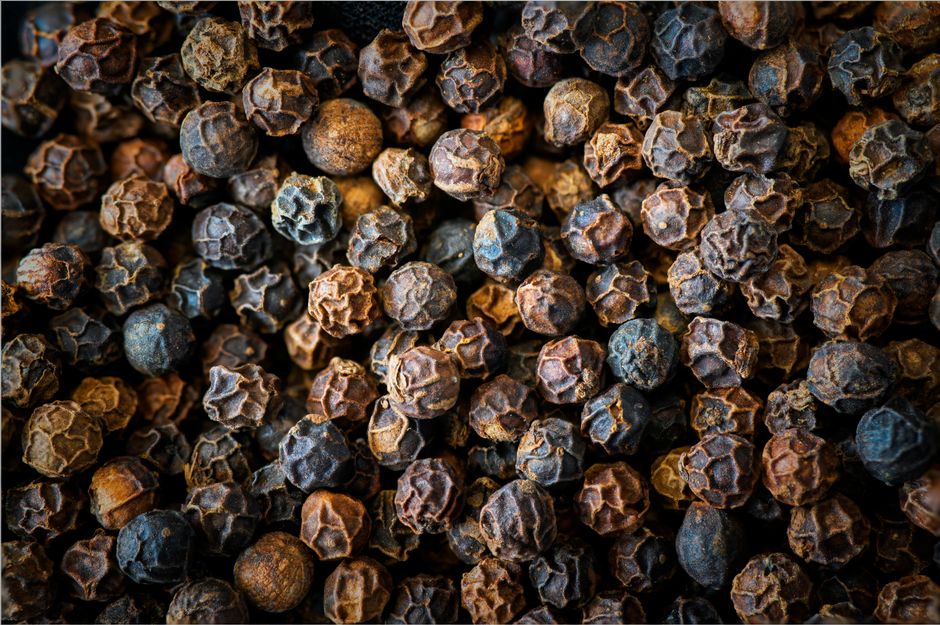
Did you know that a simple spice sitting in your kitchen was once considered more valuable than gold itself? The claim that black pepper worth exceeded precious metals sounds like an exaggeration, but this surprising fact reveals a fascinating chapter in human history. During the Middle Ages and Renaissance, black pepper commanded astronomical prices in Europe, sometimes literally traded ounce-for-ounce with gold and silver. This wasn't mere hyperbole—it was economic reality that shaped empires, launched expeditions, and changed the world forever.
The truth behind pepper's incredible value lies in scarcity, distance, and desire. What we casually sprinkle on our meals today was once so rare and coveted that it sparked wars, built fortunes, and motivated explorers to risk everything crossing uncharted oceans.
Key Takeaways
Black pepper was extraordinarily expensive in medieval Europe, sometimes valued similarly to gold and silver by weight
The spice's high price stemmed from its exclusive growth in South and Southeast Asia and the dangerous, lengthy trade routes required to transport it
Pepper served as currency, dowry payments, and tribute—functioning as actual money in many transactions
The quest to control pepper trade routes directly motivated the Age of Exploration and discovery of new sea routes to Asia
Advances in shipping and cultivation eventually democratized pepper, transforming it from luxury to everyday staple
The phrase "peppercorn rent" still exists today, referring to nominal payments—an ironic reversal of pepper's former astronomical value
Why Black Pepper Worth Rivaled Precious Metals
The comparison between black pepper and gold wasn't just colorful language. In medieval Europe, pepper genuinely commanded prices that made it comparable to precious metals. A pound of pepper could cost the equivalent of several weeks' wages for a common laborer. In some documented transactions, pepper was accepted as ransom, tax payment, and dowry.
The fundamental economics were simple: extreme demand met severely limited supply. Pepper grew exclusively in the Malabar Coast of India and parts of Southeast Asia. No European could cultivate it locally. Every single peppercorn had to travel thousands of miles through multiple intermediaries, each taking their cut. The journey from Indian plantations to European tables could take years.
Consider the markup. A merchant in Kerala might sell pepper at one price. Arab traders transported it overland through dangerous territories. Venetian merchants then purchased it at Mediterranean ports. Finally, retailers sold it across Europe. Each step multiplied the cost. By the time pepper reached a kitchen in London or Paris, its price had increased hundreds or even thousands of times over the original cost.
The spice also possessed practical value beyond mere status. Before refrigeration, pepper helped preserve meat and mask the taste of food beginning to spoil. It had perceived medicinal properties. These functional benefits combined with scarcity created perfect conditions for extraordinary pricing.
Pepper as Literal Currency
Perhaps the most compelling evidence of pepper's value? It functioned as actual money. Historical records document pepper used to pay rent, taxes, and debts. The term "peppercorn rent"—today meaning a nominal or token payment—originally referred to real rent paid in actual peppercorns, which held substantial value.
In medieval Germany, some towns kept pepper in municipal treasuries alongside gold and silver. Workers sometimes received partial wages in pepper. Wealthy individuals included pepper in their wills as valuable inheritance. Pirates and raiders specifically targeted pepper shipments, knowing the cargo's worth.
This wasn't metaphorical wealth. Pepper had fungibility, divisibility, and universal acceptance—the hallmarks of currency. A merchant could travel across Europe and trade pepper for goods and services almost anywhere. Few commodities enjoyed such widespread acceptance as payment.
The Geographic Monopoly That Created Fortunes
Black pepper's astronomical value rested entirely on geography. The Piper nigrum vine thrived in specific tropical conditions found only in South and Southeast Asia. European attempts to grow pepper in Mediterranean climates failed completely. This created an unbreakable monopoly for Asian producers and the merchants who could access them.
Arab and Indian traders controlled the initial supply chains, moving pepper from plantations to Middle Eastern markets. Venetian and Genoan merchants dominated European distribution, purchasing pepper at ports like Alexandria and Constantinople. These middlemen became fabulously wealthy. Venice, in particular, built much of its maritime empire on spice trade profits.
The monopoly was so lucrative and so frustrating to European powers that it directly motivated the Age of Exploration. Portuguese, Spanish, Dutch, and English expeditions all sought to find direct sea routes to Asian spice sources, bypassing expensive middlemen. Christopher Columbus was literally searching for a westward route to pepper and spice lands when he stumbled upon the Americas.
When Pepper Prices Collapsed
Nothing stays expensive forever. Several factors eventually democratized pepper and crashed its price. Vasco da Gama's successful voyage around Africa to India in 1498 opened direct European sea routes to pepper sources. This eliminated numerous middlemen and their markups.
Portuguese, and later Dutch and English, merchants established direct relationships with Asian producers. They built trading posts, negotiated bulk purchases, and shipped pepper in larger quantities than ever before. Improved ship designs made voyages faster and safer. What once took years could now be accomplished in months.
Supply increased dramatically while shipping costs decreased. The pepper that once trickled into Europe in small, precious quantities now arrived by the shipload. Prices fell accordingly. By the 18th century, pepper had transformed from luxury to common seasoning available to ordinary households.
The cultivation of pepper also spread. European colonial powers transplanted pepper vines to new regions, breaking the original geographic monopoly. This further increased supply and reduced prices.
Comparing Historical Spice Values
Spice
Primary Source
Relative Medieval Value
Key Use
Black Pepper
India, Indonesia
Extremely High
Preservation, flavoring, medicine
Saffron
Mediterranean, Persia
Highest
Dyeing, medicine, flavoring
Cinnamon
Sri Lanka
Very High
Flavoring, medicine, perfume
Cloves
Moluccas Islands
Very High
Preservation, medicine, flavoring
Nutmeg
Banda Islands
Very High
Medicine, flavoring
Myths and Truths About Pepper's Value
Some claims about pepper's historical value are exaggerated or misunderstood. The statement that pepper was "worth more than gold" requires context. While pepper sometimes traded at prices comparable to gold by weight, gold generally remained more valuable. However, the comparison wasn't absurd—they existed in the same general category of precious commodities.
The interesting truth is that pepper's value was more stable than many precious metals during certain periods. Gold and silver prices fluctuated based on mining discoveries and political upheavals. Pepper maintained consistent high demand and limited supply, creating reliable value.
Another myth suggests only royalty could afford pepper. While expensive, pepper was available to wealthy merchants and successful tradespeople, not exclusively nobility. The emerging middle class in medieval cities did purchase pepper, though they used it sparingly.
The phrase "worth your salt" actually relates to salt, not pepper, but both commodities share similar histories of value and use as payment. Salt was essential for preservation; pepper was luxury flavoring. Both commanded respect and high prices in their times.
Frequently Asked Questions
Was black pepper actually more expensive than gold?
Black pepper was extraordinarily expensive and sometimes traded at prices comparable to gold and silver by weight, but claiming it was consistently "more expensive" than gold oversimplifies the reality. During certain periods and in specific markets, pepper's price per ounce approached that of precious metals. The more accurate statement is that pepper existed in the same category of valuable commodities as gold and silver, which itself demonstrates how remarkably costly this common spice once was.
Why did Europeans want black pepper so badly?
Europeans valued black pepper for multiple reasons: it helped preserve meat before refrigeration existed, masked flavors of food beginning to spoil, added variety to bland diets, and had perceived medicinal properties. Beyond practical uses, pepper became a status symbol—serving pepper-spiced dishes demonstrated wealth and sophistication. The combination of functional benefits and social prestige created intense demand that far exceeded the limited supply reaching Europe.
What ended pepper's status as a luxury commodity?
Direct sea routes from Europe to Asia, established in the late 15th and early 16th centuries, bypassed expensive middlemen and dramatically reduced shipping costs. Improved ship technology allowed larger quantities to be transported more safely and quickly. European colonial expansion also spread pepper cultivation to new regions, breaking the original geographic monopoly. These factors combined to increase supply and decrease costs, transforming pepper from rare luxury to everyday staple over several centuries.
Do any spices still command extremely high prices today?
Yes, saffron remains extraordinarily expensive, often costing thousands of dollars per pound. Its high price stems from labor-intensive harvesting—each saffron thread must be hand-picked from crocus flowers, and roughly 75,000 flowers yield just one pound of saffron. Vanilla also commands premium prices due to complicated pollination requirements and lengthy curing processes. However, no modern spice occupies the same economic and cultural position that pepper held in medieval times.