










1 / 10 Questions
0 Points

What Pancake Chain Serves Over 700 Million Pancakes Yearly?

IHOP

Waffle House

Denny's

Cracker Barrel

Points won
0
Correct score
0%

More Questions

More Articles

Top 10 Most Expensive Trophies in Professional Sports

Top 10 Most Expensive Trophies in Professional Sports

⏱️ 7 min read

Professional sports competitions around the world are defined not just by athletic excellence, but also by the prestigious trophies awarded to champions. These symbols of victory represent years of dedication, sacrifice, and triumph. While some trophies are valued primarily for their symbolic significance, others carry staggering monetary value due to their materials, craftsmanship, and historical importance. The following explores the most valuable championship trophies in professional sports, examining what makes each one extraordinary both as an artistic creation and as the ultimate prize in athletic competition.

The World's Most Valuable Sports Trophies

1. The FIFA World Cup Trophy - $20 Million

Standing as the most expensive trophy in sports, the FIFA World Cup Trophy is valued at approximately $20 million. Created by Italian artist Silvio Gazzaniga in 1974, this 14.5-inch masterpiece is made of 18-karat gold weighing 13.5 pounds. The trophy depicts two human figures holding up the Earth and is awarded every four years to the winning nation of football's most prestigious tournament. Unlike its predecessor, the Jules Rimet Trophy, the current version cannot be owned by any winning team permanently. Winners receive a gold-plated replica, while the original remains in FIFA's possession, touring the world under heavily armed guard between tournaments.

2. The Borg-Warner Trophy - $3.5 Million

The Indianapolis 500 champion receives one of sports' most iconic prizes: the Borg-Warner Trophy. Valued at $3.5 million, this sterling silver masterpiece stands over five feet tall and weighs approximately 110 pounds. Created in 1936, the trophy features the sculpted faces of every Indianapolis 500 winner, with each new champion's likeness added annually by a skilled artisan. The base is made from a single piece of silver, and the intricate Art Deco design makes it a remarkable work of art. The trophy permanently resides at the Indianapolis Motor Speedway Museum, with winners receiving a smaller replica known as the "Baby Borg."

3. The FA Cup Trophy - $1.18 Million

English football's oldest competition awards the FA Cup Trophy, valued at approximately $1.18 million. Made of solid sterling silver, the trophy stands 61.5 centimeters tall and weighs 6.3 kilograms. The current version is the third design in the competition's long history dating back to 1871. Created in 1911 by Fattorini and Sons, it has been awarded to winners since 1992, while the 1911 original is displayed at the National Football Museum. The trophy's value derives from both its precious metal content and its status as the prize in the world's oldest national football competition.

4. The Wimbledon Gentlemen's Singles Trophy - $1 Million

The Championship Trophy awarded to Wimbledon's men's singles champion is valued at approximately $1 million. Standing 18 inches tall, this sterling silver gilt trophy has been presented since 1887 and features an elaborate pineapple on top—a traditional symbol of status and hospitality in Victorian England. The trophy bears the names of all past champions engraved on its surface. Winners receive a three-quarter-size replica to keep, while the original remains at the All England Club. The trophy's value reflects both its precious metal composition and its connection to tennis's most prestigious tournament.

5. The Larry O'Brien Championship Trophy - $600,000

The NBA Championship Trophy, named after former commissioner Larry O'Brien, is valued at approximately $600,000. Standing two feet tall and weighing 14.5 pounds, it is made of 15.5 pounds of sterling silver and vermeil with a 24-karat gold overlay. Tiffany & Co. manufactures a new trophy each year, and unlike many sports trophies, the NBA championship trophy is permanently awarded to the winning team. The trophy features a regulation-sized basketball rendered in sterling silver, poised to enter a hoop-shaped base. Each year's version includes unique engravings commemorating that season's championship.

6. The Stanley Cup - $650,000

Hockey's most revered prize, the Stanley Cup, carries an estimated value of $650,000. Made primarily of silver and nickel alloy, the trophy stands 35.25 inches tall and weighs 34.5 pounds. Originally commissioned in 1892 by Lord Stanley of Preston, the trophy has evolved significantly over time, with bands added to accommodate champion team engravings. What makes the Stanley Cup unique is that the same physical trophy is awarded each year, with winning teams receiving it for a summer celebration before returning it for the next season. Each member of the winning team traditionally spends a day with the Cup, creating countless memorable moments in hockey lore.

7. The Vince Lombardi Trophy - $50,000

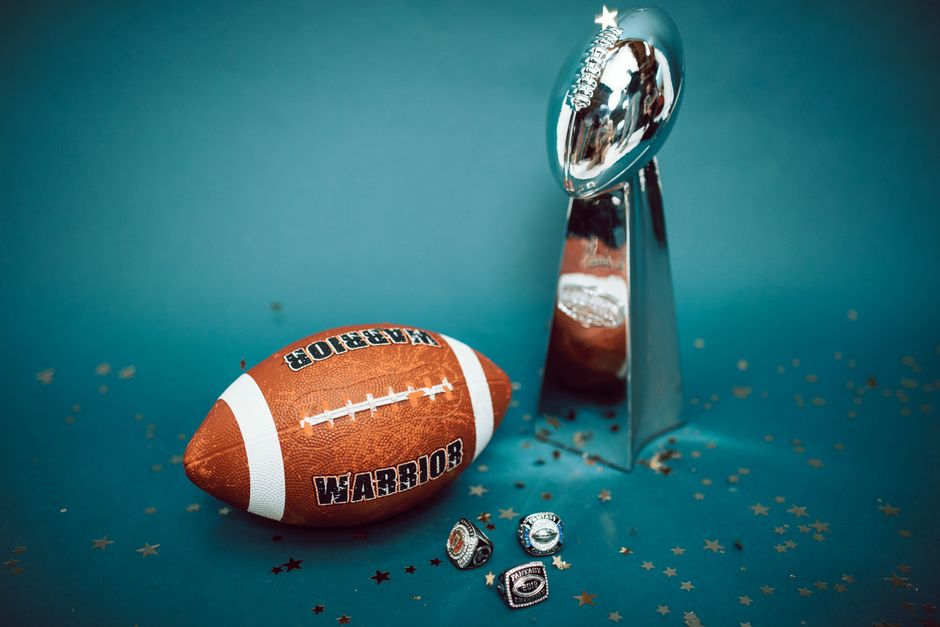
Awarded to the Super Bowl champion, the Vince Lombardi Trophy is valued at approximately $50,000. Crafted by Tiffany & Co., this regulation-sized football rendered in sterling silver weighs seven pounds and stands 22 inches tall. Named after the legendary Green Bay Packers coach who won the first two Super Bowl championships, the trophy is manufactured new each year and permanently awarded to the winning franchise. The football sits at a 45-degree angle atop a three-sided base, creating an elegant design that has become synonymous with football excellence. Each trophy requires four months to craft and approximately 72 hours of labor.

8. The Commissioner's Trophy - $30,000

Major League Baseball's championship prize, officially known as the Commissioner's Trophy, is valued at $30,000. The trophy features 30 gold-plated flags representing each MLB team, arranged in a circular pattern resembling a baseball, all mounted on a silver base. Standing two feet tall, the trophy is manufactured by Tiffany & Co. and includes the year and the winning team's name engraved on the base. Like the NBA and NFL trophies, a new Commissioner's Trophy is created for each World Series, becoming the permanent property of the winning team. The design underwent updates in 2000 to create the current version.

9. The Claret Jug - $25,000

The Open Championship, golf's oldest major tournament, awards the iconic Claret Jug, valued at approximately $25,000. Officially known as the Golf Champion Trophy, this sterling silver pitcher has been presented to winners since 1873. Standing 10.5 inches tall, the trophy features intricate Victorian-era engravings and the names of past champions inscribed on its base. The original jug is retained by The R&A, with winners receiving a replica to keep and the privilege of having their name engraved on the original. The trophy's relatively modest monetary value belies its immense prestige in the golfing world.

10. The Copa América Trophy - $10,000

South America's premier football competition awards the Copa América Trophy, valued at approximately $10,000. Made of sterling silver, the trophy weighs nine kilograms and features a wooden base with silver plaques listing past champions. First awarded in 1916, it is one of the oldest continental football trophies in existence. The trophy's design includes detailed engravings and ornamental elements reflecting South American artistic traditions. While its monetary value may seem modest compared to other trophies on this list, the Copa América represents tremendous prestige in a continent where football is deeply woven into cultural identity.

The True Value Beyond Price

While these trophies command impressive monetary valuations based on their materials and craftsmanship, their true worth transcends any dollar amount. Each represents the pinnacle of achievement in its respective sport, embodying countless hours of training, teamwork, and dedication. These trophies become part of sporting mythology, their images instantly recognizable to fans worldwide. Whether valued at $20 million or $10,000, each trophy carries the weight of history and the dreams of athletes who dedicate their lives to holding these prizes aloft in victory. The precious metals and expert artisanship create beautiful objects, but it is the human drama of competition and triumph that makes these trophies truly priceless.
Top 10 Most Unique Sports From Around the World

Top 10 Most Unique Sports From Around the World

⏱️ 6 min read

While football, basketball, and tennis dominate the global sports landscape, countless fascinating athletic competitions exist beyond the mainstream. From ancient traditions passed down through generations to modern innovations that challenge our understanding of what constitutes a sport, these unique athletic pursuits offer insight into diverse cultures and human creativity. Each of these extraordinary sports reflects the values, geography, and ingenuity of the communities that created them.

Discovering the World's Most Unusual Athletic Competitions

1. Sepak Takraw: Southeast Asia's Gravity-Defying Volleyball

Originating in Southeast Asia, sepak takraw combines elements of volleyball, soccer, and gymnastics into one spectacular display of athleticism. Players use their feet, knees, chest, and head—everything except their hands—to volley a rattan ball over a net. The acrobatic kicks required, including bicycle kicks and scissor kicks performed mid-air, make this sport visually stunning. Popular in Thailand, Malaysia, and Indonesia, sepak takraw has been included in the Asian Games since 1990, demonstrating its regional significance and growing international recognition.

2. Buzkashi: Afghanistan's Ancient Horseback Competition

Often called "goat dragging," buzkashi is the national sport of Afghanistan and has been played for centuries across Central Asia. Riders on horseback compete to grab a headless goat carcass and carry it to a scoring area while other players attempt to steal it away. The sport requires exceptional horsemanship, physical strength, and strategic thinking. Matches can involve dozens of riders and continue for several days, reflecting the nomadic heritage of the region. Master players, known as chapandaz, achieve celebrity status in Afghanistan and neighboring countries.

3. Chess Boxing: The Ultimate Test of Mind and Body

Created in 2003 by Dutch artist Iepe Rubingh, chess boxing alternates between rounds of speed chess and boxing. Competitors must excel in both disciplines, as victory can come either through checkmate, knockout, or judges' decision. Matches consist of eleven rounds—six of chess and five of boxing—beginning with a four-minute chess round. This hybrid sport has gained popularity in Germany, the United Kingdom, and Russia, with organized leagues and world championships. It exemplifies the modern trend of combining seemingly incompatible activities into novel competitive formats.

4. Kabaddi: India's High-Intensity Contact Sport

Kabaddi is a contact team sport that originated in ancient India over 4,000 years ago. A "raider" enters the opposing team's half, tags as many defenders as possible, and returns to their own half—all while holding their breath and continuously chanting "kabaddi." Defenders attempt to capture the raider before they return. The sport requires no equipment, making it accessible to rural and urban populations alike. With professional leagues in India and international competitions, kabaddi has expanded beyond South Asia and now attracts millions of viewers globally.

5. Bossaball: Beach Volleyball Meets Trampoline Acrobatics

Invented in Spain in 2004, bossaball combines volleyball, soccer, gymnastics, and capoeira on an inflatable court with trampolines on each side of the net. Players can use any part of their body to hit the ball, with soccer touches worth fewer points than volleyball spikes. The trampolines enable spectacular aerial maneuvers that would be impossible in traditional court sports. A referee doubles as a DJ, providing music throughout the match, creating a party-like atmosphere. The sport has spread to countries across Europe, Latin America, and the Middle East.

6. Hurling: Ireland's Lightning-Fast Gaelic Game

Considered one of the world's fastest field sports, hurling has been played in Ireland for over 3,000 years. Players use a wooden stick called a hurley to hit a small ball called a sliotar between opposing goalposts or over the crossbar. The combination of speed, skill, and physicality—with minimal protective equipment—makes hurling uniquely intense. Governed by the Gaelic Athletic Association, hurling remains deeply embedded in Irish culture, with county championships drawing massive crowds and fierce local pride.

7. Yukigassen: Japan's Organized Snowball Fighting Championship

Yukigassen, meaning "snow battle" in Japanese, transforms childhood snowball fights into an organized competitive sport. Two teams of seven players compete on a court with shelters and barriers, attempting to eliminate opponents by hitting them with snowballs or capturing the opposing team's flag. Each team receives exactly 90 pre-made snowballs per set, and matches consist of three sets. Originating in Hokkaido in 1989, yukigassen has spread internationally, with championships held in Finland, Norway, Australia, and North America, demonstrating winter sport innovation.

8. Camel Wrestling: Turkey's Unique Animal Sport

Practiced primarily along Turkey's Aegean coast, camel wrestling involves two male camels competing for dominance during mating season. Rather than forced combat, these contests leverage the animals' natural competitive behavior. A female camel is paraded to attract the males, who then engage in wrestling—pushing, neck-wrapping, and attempting to make the opponent retreat or fall. Handlers remain close to separate the camels if necessary, and the sport is regulated by strict animal welfare rules. Annual festivals celebrating camel wrestling draw thousands of spectators and reflect ancient Turkic traditions.

9. Cheese Rolling: England's Dangerously Delicious Downhill Race

Every spring at Cooper's Hill in Gloucestershire, England, competitors chase a nine-pound wheel of Double Gloucester cheese down an extremely steep hill. The cheese reaches speeds up to 70 miles per hour, and participants tumble, slide, and roll down the nearly vertical slope in pursuit. The first person to reach the bottom wins the cheese. Despite numerous injuries over the years, this centuries-old tradition continues to attract both local participants and international daredevils. The event's combination of absurdity and danger has made it a viral phenomenon in the digital age.

10. Underwater Hockey: The Aquatic Sport That Challenges Convention

Also known as octopush, underwater hockey was invented in England in 1954 as a way for divers to stay fit during winter. Players wear snorkeling equipment and use small sticks to push a weighted puck along the pool bottom toward the opposing team's goal. The sport requires exceptional breath control, three-dimensional awareness, and teamwork, as players must constantly surface for air. With minimal equipment costs and unique physical demands, underwater hockey has grown into an international sport with world championships and active communities on every continent, proving that innovation in athletics knows no bounds.

The Cultural Significance of Unique Sports

These ten distinctive sports demonstrate humanity's endless creativity in developing competitive activities. Whether rooted in ancient traditions or modern experimentation, each sport reflects something essential about the culture that embraced it—from the horsemanship valued in Central Asia to the communal celebration embodied in Turkey's camel wrestling festivals. Many of these sports also challenge conventional definitions of athletics, expanding our understanding of what competition can be. As globalization increases cultural exchange, these unique sports gain international participants while maintaining their cultural authenticity. They remind us that sport transcends universal activities like running and jumping, encompassing the full spectrum of human imagination and physical capability.