
By TrivBits, Staff Writer — Published October 3, 2026
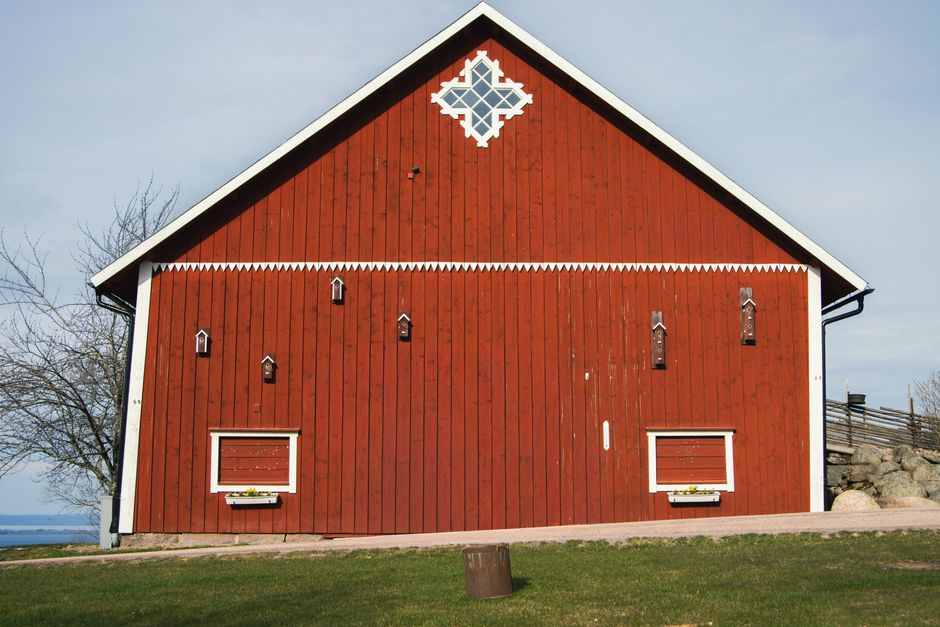
Table of Contents
- Key Takeaways
- The Chemistry Behind the Classic Color
- Economic Realities of Farm Life
- The 13 Surprising Farm Traditions
- Regional Variations and Cultural Influences
- Modern Barns and Continuing Traditions
- Frequently Asked Questions
- Sources
Drive through the American countryside and you’ll notice a pattern. Red barns dot the landscape like punctuation marks in a story written across rolling hills. But did you know the reason barns painted farm buildings this iconic color has less to do with aesthetics and more to do with chemistry, economics, and clever problem-solving? The truth behind this tradition reveals surprising facts about how farmers worked with what they had, creating a visual signature that would define rural America.
From ancient preservation techniques to modern myths, the story of red barns weaves through centuries of agricultural innovation. These interesting traditions tell us about resourcefulness, science, and how practical decisions become cultural icons.
Key Takeaways
- Red barn paint originated from a practical mixture of linseed oil, lime, and iron oxide that farmers could make inexpensively
- The iron oxide in red paint helped preserve wood by preventing moss, mold, and fungi growth
- Red pigment was historically the cheapest and most readily available color for large structures
- Many farm traditions evolved from necessity rather than choice, becoming customs over generations
- Regional variations in barn colors reflect different cultural influences and available materials
- Modern red barns often honor tradition rather than practical necessity
The Chemistry Behind the Classic Color
The red barn phenomenon starts with rust. Farmers discovered that mixing linseed oil with iron oxide—essentially rust in powdered form—created an effective wood preservative. Linseed oil, pressed from flax seeds, penetrated deep into wood fibers and formed a protective seal. When combined with iron oxide, this mixture killed fungi and moss that would otherwise rot the wood. The iron oxide also absorbed sunlight, warming the barn in winter—a welcome bonus in northern climates where livestock needed protection from harsh weather.
Lime often joined this recipe, adding another layer of protection. Together, these ingredients formed a paint that was functional first and decorative second. The resulting color? A deep, rusty red that became synonymous with farm life across North America and Scandinavia.
Economic Realities of Farm Life
Money matters shaped barn colors more than most people realize. Red pigment was cheap because iron oxide was abundant and easy to produce. Farmers could even make it themselves by letting iron scraps rust and grinding the result into powder. White paint required expensive zinc or lead compounds. Blue and green pigments came from costly minerals. Yellow required rare earth elements or complex chemical processes.
Red paint cost a fraction of these alternatives. For farmers painting massive structures—some barns exceeded 10,000 square feet—the price difference was substantial. A practical farmer chose function and affordability over fashion every time.
The 13 Surprising Farm Traditions
1. Barn Stars Were Protection Symbols
Those decorative metal stars on barn walls weren’t just ornamental. Pennsylvania Dutch farmers believed these “hex signs” warded off evil spirits and brought good fortune to crops and livestock. The five-pointed star specifically symbolized good luck, while different colors carried distinct meanings—blue for protection, green for crop growth, and red for strong emotions and passion.
2. Cupolas Served as Ventilation Systems
The small tower structures atop many barns functioned as natural air conditioning. Hot air rises, and cupolas allowed it to escape, drawing cooler air through lower barn doors and windows. This passive ventilation system kept hay dry, prevented spontaneous combustion from fermenting hay, and made the barn more comfortable for animals and workers alike.
3. Weathervanes Predicted More Than Wind Direction
Farmers relied on weathervanes to anticipate weather changes before modern forecasting existed. Sudden shifts in wind direction often preceded storms, giving farmers warning to secure livestock and equipment. The rooster design became traditional partly because it symbolized vigilance—the bird that announces the dawn could also signal approaching weather changes.
4. Stone Foundations Prevented Rot and Rodents
Building barns on stone foundations kept wooden structures elevated above ground moisture. This design choice extended barn life by decades, preventing the bottom boards from rotting. The stone also created a barrier against burrowing rodents, protecting stored grain and feed from vermin that could devastate winter supplies.
5. Gambrel Roofs Maximized Storage Space
That distinctive barn roof shape with two slopes on each side wasn’t arbitrary. Gambrel roofs created maximum interior volume for hay storage while minimizing the amount of lumber needed. The steep lower slope also shed snow and rain efficiently, preventing roof collapse under heavy loads—a critical consideration in regions with harsh winters.
6. Bank Barns Used Hillsides for Access
Clever farmers built into hillsides, creating two-story barns with ground-level access on both floors. Wagons could drive directly into the upper level for unloading hay, while livestock entered the lower level from the opposite side. This design eliminated the need for ramps and saved enormous amounts of labor during harvest season.
7. Lightning Rods Were Early Electrical Engineering
Barns stood as the tallest structures on most farms, making them lightning magnets. A direct strike could ignite dry hay, destroying the building and potentially burning livestock alive. Benjamin Franklin’s lightning rod invention became a barn staple, grounding electrical charges safely and preventing countless fires that would have ruined farming families.
8. Wide Doors Accommodated Loaded Wagons
Barn doors needed to be enormous because farmers drove fully loaded hay wagons straight inside. These wagons, piled high with loose hay, required openings 12 to 15 feet tall and nearly as wide. The iconic sliding barn door design distributed weight better than hinged doors and didn’t require clearance space to swing open.
9. Whitewashed Interiors Improved Visibility
Before electricity, farmers whitewashed barn interiors to maximize available light. The white coating reflected sunlight streaming through windows and doors, making it easier to work inside during early morning and late evening chores. Whitewash also had antibacterial properties, helping maintain sanitary conditions around livestock.
10. Hay Lofts Doubled as Insulation
Storing hay in upper lofts served dual purposes. The elevated position kept hay dry and made it easy to drop down to animals below. But that massive pile of dried grass also acted as insulation, trapping heat in the barn during winter months. Animal body heat combined with hay insulation could keep barns surprisingly warm even in freezing weather.
11. Barn Raisings Built Community Bonds
Constructing a barn required more hands than one family could provide. Barn-raising events brought entire communities together, with neighbors donating labor in the understanding that they’d receive help when their turn came. These gatherings strengthened social networks that proved essential for survival in isolated rural areas.
12. Separate Livestock Areas Prevented Disease Spread
Traditional barns divided animals by species—horses in one section, cattle in another, chickens elsewhere. This separation wasn’t just organizational. It prevented cross-species disease transmission and allowed farmers to control feeding, breeding, and health monitoring more effectively. Different animals also had different ventilation and temperature needs.
13. Painted Trim Indicated Prosperity
While the barn body stayed red for practical reasons, farmers who could afford it painted window frames, doors, and trim in contrasting white or black. This decorative touch signaled financial success and pride in one’s property. A well-maintained barn with crisp trim told neighbors and passersby that this farm was thriving.
Regional Variations and Cultural Influences
Not every barn is red. Regional differences reveal fascinating cultural stories. New England farmers sometimes chose white barns, associating the color with cleanliness and prosperity. German settlers in Pennsylvania favored their traditional red but added elaborate hex signs. Scandinavian immigrants brought “Falu red” from Sweden, a specific shade created from copper mine byproducts in Falun. Kentucky tobacco barns were often left unpainted, allowing gaps between boards for air circulation during tobacco curing.
| Region | Common Color | Cultural Reason |
|---|---|---|
| Midwest | Red | Scandinavian and German immigrant traditions |
| New England | White or Red | English aesthetic preferences, prosperity display |
| Kentucky | Unpainted/Gray | Tobacco curing required air flow through gaps |
| Pennsylvania | Red with Hex Signs | Pennsylvania Dutch protective traditions |
Modern Barns and Continuing Traditions
Today’s farmers have access to advanced paints and metal buildings that never need painting. Yet red barns persist. Many farmers choose red simply because that’s what a barn should look like—tradition has become preference. Agricultural tourism and agritainment businesses deliberately paint barns red to evoke nostalgia and authenticity. The color signals “farm” in our collective consciousness, making it valuable for marketing pumpkin patches, corn mazes, and farm-to-table restaurants.
Modern barn paint includes synthetic pigments and advanced binders, but many manufacturers still offer “barn red” as a standard color. The shade varies, but the intent remains: honoring a tradition born from chemistry, economics, and practical problem-solving that happened to create one of America’s most enduring visual symbols.
Frequently Asked Questions
Why aren’t all barns painted red?
Regional traditions, cultural backgrounds, and specific agricultural needs created variations. Tobacco barns needed airflow and stayed unpainted. Some wealthy farmers chose white to display prosperity. Scandinavian immigrants brought their own red paint traditions. Climate and available materials also influenced color choices, making barn colors more diverse than the stereotype suggests.
When did farmers start painting barns red?
The practice became widespread in the 18th and 19th centuries as European settlers brought painting traditions to North America. Scandinavian red paint traditions date back to the 16th century. American farmers adopted and adapted these techniques based on available materials, with the practice becoming standard by the mid-1800s across farming regions.
Is red paint still the cheapest option today?
No. Modern paint manufacturing has equalized costs across most colors. Red barn paint persists primarily due to tradition and aesthetic preference rather than economic necessity. However, some agricultural paint suppliers still price barn red competitively, acknowledging its continued popularity among farmers who value traditional appearances.
Do red barns actually last longer than other colors?
The original iron oxide mixtures did provide genuine preservation benefits that extended wood life. Modern paints achieve similar protection regardless of color through synthetic compounds and UV inhibitors. The color itself matters less than paint quality and proper maintenance. Regular repainting and repair determine longevity more than the specific shade chosen.
The next time you spot a red barn punctuating a green field, you’ll know it represents centuries of practical innovation. What started as farmers mixing rust with linseed oil became an icon of rural life—proof that the most enduring traditions often begin with someone simply solving a problem with whatever materials were at hand.