
By TrivBits, Staff Writer — Published September 30, 2026
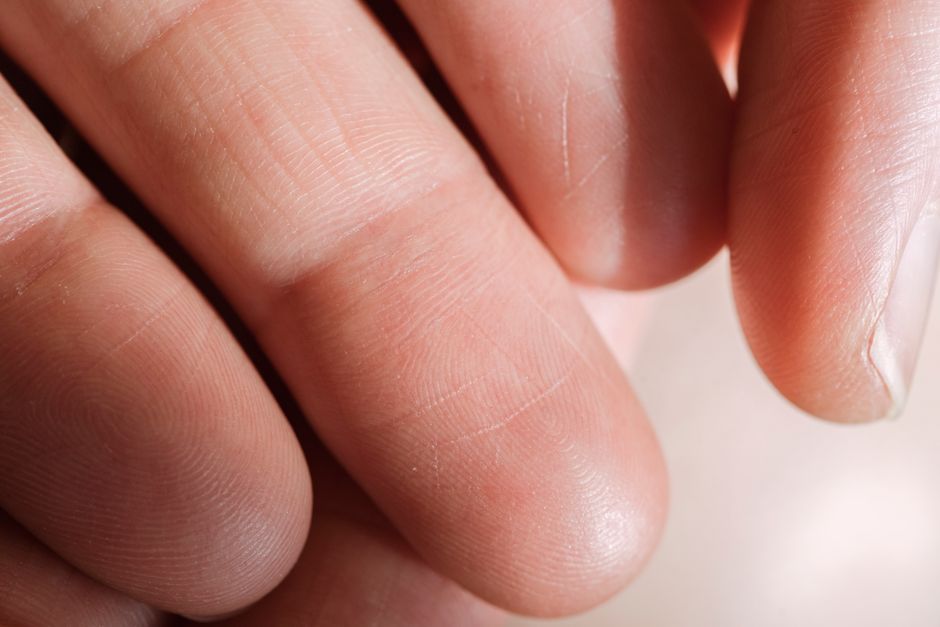
Table of Contents
- Key Takeaways
- Understanding How Fingerprints Disappear When Burned
- The Skin Regeneration Paradox
- Thickness Variations Across Your Body
- Nine Surprising Truths About Your Skin
- Frequently Asked Questions
- Sources
Did you know your fingerprints can vanish under the right—or rather, wrong—conditions? When fingerprints disappear burned skin tissue replaces the unique ridges that identify you. This surprising fact is just one of many unknown truths about the body’s largest organ. Your skin holds secrets that challenge common myths and reveal fascinating biological realities most people never consider.
From regeneration mysteries to strange sensory tricks, the skin performs remarkable feats every single day. These interesting facts expose how little we truly understand about the protective barrier we live in.
Key Takeaways
- Severe burns can permanently destroy fingerprint patterns, though they typically regenerate after minor injuries
- Your skin completely replaces itself roughly every 28 days, yet scars can last forever
- The thinnest skin on your body is on your eyelids, while the thickest covers your feet
- Goosebumps are an evolutionary remnant from when humans had more body hair
- Your skin hosts approximately one trillion bacteria at any given moment
- Fingerprints form in the womb and remain unchanged unless damaged by severe trauma
Understanding How Fingerprints Disappear When Burned
Your fingerprints exist in a skin layer called the dermis, sitting just beneath the surface epidermis. Superficial burns affecting only the top layer allow fingerprints to grow back perfectly. The ridges return because the dermal template remains intact, guiding new skin growth.
Deep burns tell a different story. When flames or chemicals penetrate into the dermis, they destroy the papillae—tiny structures that create your unique ridge patterns. Scar tissue fills these damaged areas. Unlike normal skin, scar tissue forms without the organized architecture that produces fingerprints. The result? Smooth, featureless skin where distinctive whorls and loops once existed.
Criminals have attempted to exploit this biological truth throughout history. Some have used acid, sandpaper, or surgery to erase their prints. Yet modern forensic techniques can often identify people through palm prints, ear shapes, and other biometric markers. The body keeps many secrets beyond fingertips.
The Skin Regeneration Paradox
Your skin performs a complete cellular turnover approximately every four weeks. Dead cells flake away constantly—you shed roughly 30,000 to 40,000 dead skin cells every minute. That’s nearly 9 pounds of dead skin per year. Most household dust consists largely of these discarded cells.
Here’s the paradox: if skin regenerates so completely, why do scars persist for decades? The answer lies in how the body responds to deep wounds. Normal skin regenerates in an organized pattern, with collagen fibers arranged in a basket-weave structure. Scar tissue rushes to close wounds quickly, laying down collagen in parallel bundles instead. This emergency repair job creates tissue that’s functionally different from original skin—tougher, less flexible, and permanent.
Thickness Variations Across Your Body
Not all skin is created equal. The delicate skin on your eyelids measures about 0.5 millimeters thick—thin enough to see veins beneath. Meanwhile, the skin on your feet can reach 4 millimeters or more, especially on the heels where constant pressure triggers protective thickening.
| Body Location | Approximate Thickness | Special Characteristics |
|---|---|---|
| Eyelids | 0.5 mm | Thinnest, most sensitive |
| Face | 1.2–1.5 mm | Highly vascularized, heals quickly |
| Palms | 1.5–4 mm | No hair follicles, enhanced grip |
| Soles | 3–5 mm | Thickest, maximum protection |
These variations reflect evolutionary adaptations. Your feet needed armor against rough terrain. Your eyelids required flexibility and minimal weight to blink efficiently thousands of times daily.
Nine Surprising Truths About Your Skin
1. Fingerprints Form Before Birth and Rarely Change
Your fingerprint patterns develop between the 10th and 24th week of pregnancy. Random factors during fetal development—including position in the womb, blood pressure, and amniotic fluid density—create utterly unique patterns. Even identical twins have different fingerprints. Once formed, these patterns remain stable throughout life unless destroyed by injury or certain medical conditions that affect skin integrity.
2. Goosebumps Are Evolutionary Leftovers
When you’re cold or frightened, tiny muscles at the base of each hair follicle contract, creating goosebumps. In our hairier ancestors, this response fluffed up their coat, trapping insulating air when cold or making them appear larger to threats. Humans lost most body hair, but the reflex remains—a biological echo of our evolutionary past that now serves no practical purpose.
3. Your Skin Hosts a Microscopic Ecosystem
Approximately one trillion bacteria call your skin home at any moment. These microorganisms aren’t invaders—they’re essential partners. Beneficial bacteria outcompete harmful pathogens, produce antimicrobial compounds, and help regulate immune responses. Your skin microbiome is as unique as your fingerprints, varying by body location, diet, hygiene habits, and environment.
4. Blushing Reveals an Unusual Vascular Response
Embarrassment triggers a unique physiological reaction: blood vessels in your face dilate involuntarily. This response occurs nowhere else in the animal kingdom. Scientists still debate why humans evolved this honest signal of social discomfort. The blush reflex is controlled by the sympathetic nervous system—the same system that governs fight-or-flight responses—yet it announces vulnerability rather than preparing for action.
5. Wrinkled Fingers Improve Wet Grip
Your fingers don’t wrinkle in water simply from absorption. The nervous system actively constricts blood vessels, creating those distinctive pruney ridges. Research suggests this response evolved to improve grip on wet objects, functioning like tire treads that channel water away. People with nerve damage don’t experience this wrinkling, supporting the theory that it’s a controlled adaptation rather than passive swelling.
6. Skin Produces Its Own Antibiotics
Your skin manufactures antimicrobial peptides—natural antibiotics that destroy bacteria, fungi, and viruses on contact. These peptides form part of your innate immune system, providing immediate defense before specialized immune cells arrive. When this production falters, conditions like eczema and frequent infections can develop. The skin isn’t just a passive barrier; it’s an active defender.
7. Tattoo Ink Sits Trapped in Immune Cells
Tattoos persist because your immune system can’t eliminate the ink—but not for lack of trying. When ink enters the dermis, immune cells called macrophages rush to consume the foreign particles. These cells become permanent prisoners, holding ink they cannot digest or expel. When a macrophage dies, nearby cells consume it, inheriting the ink. This cellular relay race keeps tattoos visible for life.
8. Skin Thickness Changes With Age and Hormones
Skin doesn’t just wrinkle with age—it actually thins. After age 40, the dermis loses about 1% of its thickness annually. Hormonal changes accelerate this process; women experience rapid thinning after menopause when estrogen levels drop. Thinner skin bruises more easily, heals more slowly, and provides less protection against temperature extremes and injury.
9. Your Palms and Soles Never Tan
The skin on your palms and soles contains melanocytes—the cells that produce protective melanin pigment—but these areas don’t tan regardless of sun exposure. The thick outer layer on these surfaces blocks UV penetration, preventing the cellular damage that triggers melanin production. This same thick stratum corneum provides the enhanced grip and durability these high-contact areas require.
Frequently Asked Questions
Can fingerprints grow back after being burned off?
Minor burns typically allow fingerprints to regenerate completely because the dermal layer remains intact. Deep burns that destroy the dermis result in scar tissue formation, permanently erasing fingerprint patterns in affected areas. The severity and depth of the burn determine whether prints return.
Do fingerprints change as you age?
The basic pattern of your fingerprints remains constant throughout life. However, aging causes skin to lose elasticity and moisture, making prints less defined and sometimes harder to capture clearly. Arthritis, manual labor, and certain medications can also affect print clarity without changing the underlying pattern.
Why do some people have naturally smooth fingerprints?
A rare genetic condition called adermatoglyphia causes people to be born without fingerprints. Only a few families worldwide carry this mutation. The condition causes no medical problems beyond difficulties with biometric identification systems and occasional challenges at border crossings requiring fingerprint scans.
How long does it take for skin to completely replace itself?
The epidermis regenerates approximately every 28 days in young adults, though this process slows with age. The deeper dermal layer regenerates much more slowly, over several years. Different body areas also renew at different rates—facial skin replaces itself faster than skin on the limbs.
Your skin tells stories written in scars, prints, and microscopic ecosystems. It regenerates endlessly yet remembers every deep wound. This remarkable organ adapts, defends, and occasionally reveals truths about human evolution and biology that continue to surprise researchers. The next time you notice a fingerprint smudge on glass, remember: those ridges formed before you were born and will identify you until the day they’re gone.