

By TrivBits, Staff Writer — Published September 30, 2026
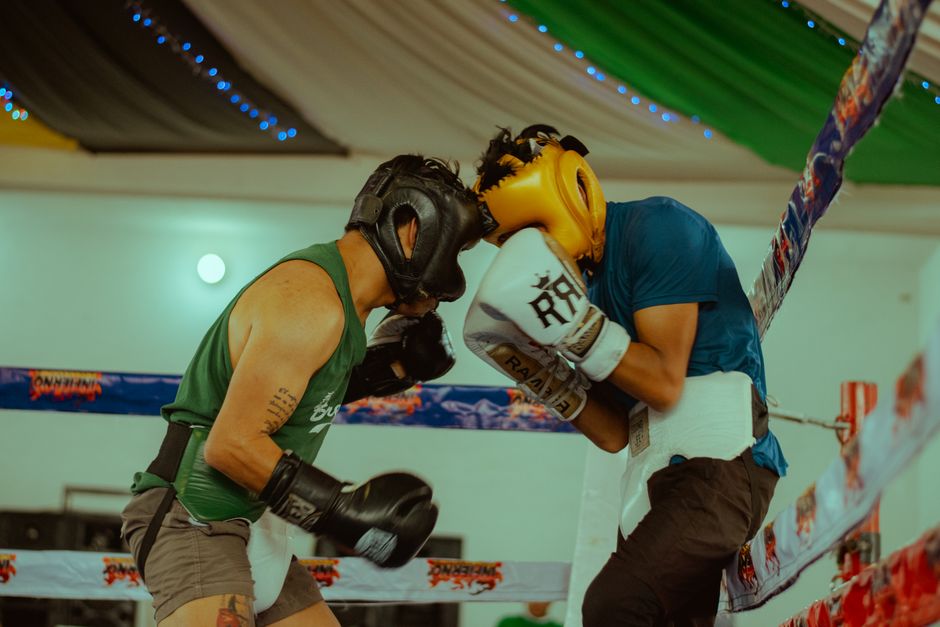
Table of Contents
- Key Takeaways
- Why Boxing Gloves Cause More Dangerous Head Injuries
- The Brutal Truth About Bare-Knuckle Boxing
- The Science of Brain Trauma in Combat Sports
- Comparing Gloved and Bare-Knuckle Fighting Outcomes
- The Paradox of Safety Equipment
- Frequently Asked Questions
- Sources
Did you know that the protective equipment designed to make boxing safer might actually be doing the opposite? The surprising truth is that boxing gloves cause more brain damage than bare-knuckle fighting, despite being introduced specifically to protect fighters. This counterintuitive fact challenges everything most people assume about combat sports safety and reveals a fascinating paradox in the history of pugilism.
The addition of padded gloves to boxing was meant to reduce injuries and make the sport more civilized. Instead, it fundamentally changed how fighters engage with one another, creating unforeseen consequences that medical researchers and sports scientists continue to study today.
Key Takeaways
- Boxing gloves were introduced in the late 1800s primarily to protect fighters’ hands, not their heads
- Padded gloves allow fighters to punch harder and more frequently to the head without breaking their hands
- Bare-knuckle boxing historically targeted the body more often, as head punches risked breaking fragile hand bones
- The cumulative effect of repeated head trauma in gloved boxing leads to more severe long-term brain damage
- Modern research shows that the force delivered through boxing gloves can exceed 1,000 pounds per square inch
- Knockouts and concussions are actually more common in gloved boxing than in bare-knuckle fights
Why Boxing Gloves Cause More Dangerous Head Injuries
The mechanics are surprisingly straightforward. Human hand bones are delicate. Punch someone’s skull repeatedly with bare fists, and you’ll likely break your hand long before causing serious brain damage. Fighters in the bare-knuckle era understood this anatomical reality intimately. They aimed for softer targets—the body, the neck, areas where they could deliver force without shattering their metacarpals.
Boxing gloves changed this calculus entirely. The padding protects the hand, not the head. Think of gloves as a cast that stabilizes and reinforces the fragile bones of the hand, allowing fighters to throw devastating head punches without consequence to themselves. The result? Boxers can—and do—target the head far more aggressively.
The glove also increases the total mass behind each punch. A typical boxing glove adds 10 to 16 ounces of weight to the hand. This additional mass, combined with the structural support the glove provides, means more force transfers to the opponent’s brain with each impact. The padding distributes this force over a slightly larger surface area, reducing cuts and facial fractures. But it does nothing to reduce the rotational acceleration that causes concussions and brain trauma.
The Brutal Truth About Bare-Knuckle Boxing
Bare-knuckle fights sound more savage. The reality is more nuanced. These matches often lasted longer than modern boxing bouts—sometimes dozens of rounds—precisely because fighters couldn’t sustain the kind of head-hunting that gloves permit. Broken hands ended fights quickly, incentivizing careful, strategic striking.
Historical records from bare-knuckle boxing show that deaths and severe brain injuries were relatively rare compared to the gloved era. Fighters suffered plenty of facial lacerations, broken noses, and damaged hands. But chronic traumatic encephalopathy (CTE) and the kind of cumulative brain damage common in modern boxing appeared less frequently. The incentive structure simply didn’t reward the repeated head bombardment that characterizes contemporary matches.
Bare-knuckle champions developed sophisticated defensive techniques and prioritized body shots. The solar plexus, the liver, the ribs—these became primary targets. A well-placed body shot could end a fight just as effectively as a head blow, without the risk of a broken hand.
The Science of Brain Trauma in Combat Sports
Brain damage in boxing doesn’t primarily come from single knockout punches. The real danger lies in subconcussive impacts—blows that don’t cause immediate unconsciousness but still jolt the brain inside the skull. These repetitive traumas accumulate over months and years, gradually destroying brain tissue and causing CTE.
When a punch lands on the head, the brain undergoes rapid acceleration and deceleration. It twists and bounces inside the skull, stretching and tearing delicate neural connections. Boxing gloves enable fighters to deliver these impacts hundreds of times per match, thousands of times per career. Each impact contributes to the cumulative damage.
Research on brain injuries has revealed that rotational force—the twisting motion of the brain—causes more damage than linear force. A punch to the chin, for example, creates significant rotation as the head snaps to the side. Boxing gloves make these dangerous rotational punches more feasible because fighters don’t have to worry about breaking their hands on the opponent’s jaw.
Comparing Gloved and Bare-Knuckle Fighting Outcomes
| Factor | Bare-Knuckle Boxing | Gloved Boxing |
|---|---|---|
| Primary Target | Body and torso | Head and face |
| Hand Injuries | Very common | Rare |
| Facial Cuts | Common | Less common |
| Knockouts per Fight | Relatively rare | More frequent |
| Total Head Impacts | Fewer | Significantly more |
| Long-term Brain Damage | Less documented | Well-documented, severe |
The Paradox of Safety Equipment
This phenomenon isn’t unique to boxing. Throughout sports history, safety equipment has sometimes created unexpected risks. Football helmets, for instance, were introduced to prevent skull fractures but may have enabled more aggressive tackling that increases concussion rates. Hockey helmets reduced scalp lacerations but didn’t eliminate brain injuries from body checks.
The pattern reveals a consistent truth: protective gear often changes behavior in ways that offset its protective benefits. Psychologists call this “risk compensation.” When people feel safer, they take greater risks. Boxers wearing gloves feel empowered to throw harder, faster combinations to the head. The gloves protect their investment—their hands—while transferring all the risk to their opponent’s brain.
Some combat sports have recognized this paradox. Mixed martial arts organizations use smaller gloves, and some bare-knuckle promotions have reemerged with modern safety protocols and medical oversight. These alternatives acknowledge that less padding might actually mean smarter, safer fighting.
Frequently Asked Questions
Are boxing gloves designed to protect the person being punched?
No, boxing gloves were primarily designed to protect the puncher’s hands, not the opponent’s head or brain. The padding prevents boxers from breaking their hands on hard surfaces like the skull, enabling them to throw more powerful and frequent head punches throughout a match.
Why don’t modern boxers fight bare-knuckle if it’s safer for the brain?
The boxing industry, regulations, and traditions have evolved around gloved fighting over more than a century. Changing back would require overhauling rules, training methods, and public perception. Additionally, bare-knuckle fighting causes more visible injuries like cuts, which audiences and athletic commissions find less acceptable despite the reduced brain trauma.
Do heavier gloves provide better protection against brain damage?
Not necessarily. While heavier gloves may slightly reduce the speed of punches, they also add more mass to each impact. The critical factor in brain damage is the cumulative number of head strikes and the rotational forces involved, which remain problematic regardless of glove weight.
What can be done to reduce brain damage in boxing?
Potential solutions include stricter limits on sparring intensity, better medical monitoring, mandatory rest periods between fights, improved referee training to stop matches earlier, and possibly redesigning gloves or rules to discourage excessive head-hunting. Some researchers advocate for smaller gloves or even a return to bare-knuckle formats with modern safety protocols.