










1 / 10 Questions
0 Points

What gas makes bread dough rise during baking?

Oxygen

Hydrogen

Nitrogen

Carbon dioxide

Points won
0
Correct score
0%

More Questions

More Articles

Did You Know These Sports Require Extreme Mental Endurance?

Did You Know These Sports Require Extreme Mental Endurance?

⏱️ 5 min read

When most people think about athletic prowess, they envision physical strength, speed, and stamina. However, some of the world's most demanding sports challenge athletes primarily through mental fortitude rather than physical capability alone. These disciplines require competitors to maintain focus, composure, and strategic thinking under extreme pressure for extended periods. The psychological demands placed on these athletes often exceed the mental challenges found in more traditionally physical sports.

Ultra-Endurance Running and the Mental Marathon

Ultra-marathon running represents one of the most psychologically demanding athletic pursuits. Unlike traditional marathons, these races typically exceed 50 miles and can stretch to 100 miles or more, often through harsh terrain and extreme weather conditions. The physical pain experienced during these events becomes secondary to the mental battle that unfolds over hours or even days of continuous movement.

Competitors must develop sophisticated mental strategies to overcome the constant urge to quit. Many ultra-runners employ techniques such as compartmentalization, breaking the race into manageable segments, and utilizing mantras to push through pain barriers. The hallucinations and sleep deprivation experienced during multi-day races add another layer of psychological complexity that few other sports can match.

Chess: The Ultimate Mental Warfare

Professional chess demands unparalleled mental endurance despite requiring virtually no physical exertion. Championship matches can last for hours, with players analyzing countless positions, calculating variations dozens of moves deep, and maintaining concentration while their opponent attempts to outwit them at every turn.

The psychological pressure in high-level chess competition is immense. Players must manage time constraints while making critical decisions, recover from mistakes without losing composure, and maintain focus despite mental fatigue. Top chess players report experiencing physical symptoms of stress including elevated heart rates, sweating, and exhaustion after tournaments, demonstrating how mentally taxing the sport truly is.

The Toll of Tournament Play

Elite chess tournaments often require players to compete in multiple games over consecutive days, with each match lasting four to six hours. This sustained mental effort, combined with the stress of competition at the highest level, creates a unique form of psychological endurance that rivals any physical sport. Players must also prepare extensive opening repertoires and study opponents' games, adding layers of mental preparation to the actual competition.

Free Solo Climbing: Where Mental Failure Means Death

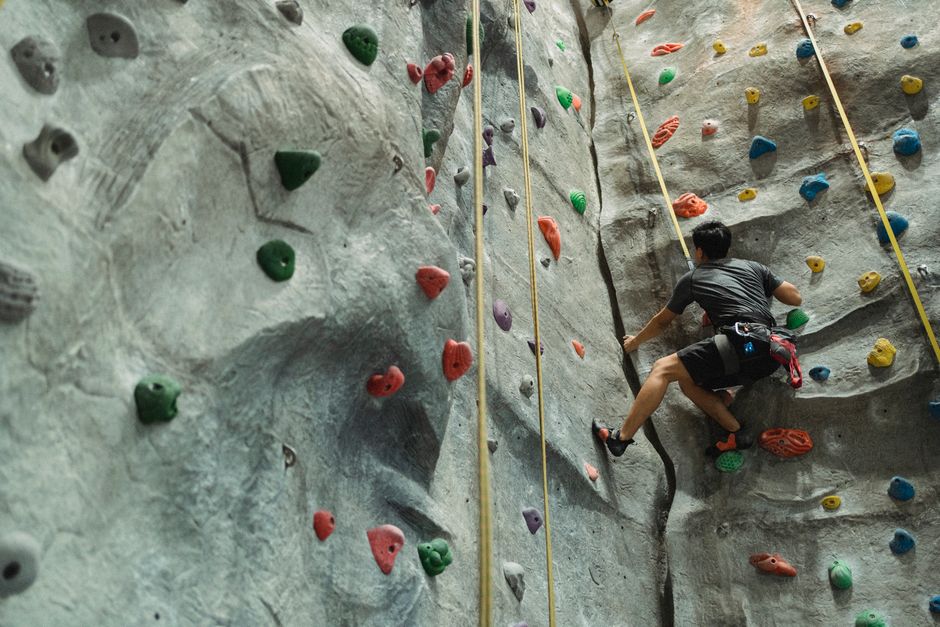
Free solo climbing, the practice of scaling rock faces without ropes or safety equipment, represents perhaps the most extreme test of mental control in sports. Climbers must maintain absolute focus and emotional regulation while knowing that a single mistake will result in fatal consequences. The mental discipline required to control fear responses and maintain technical precision in such circumstances is extraordinary.

Successful free solo climbers describe entering states of hyper-focus where they become completely absorbed in the immediate task, blocking out thoughts of danger or failure. This level of mental control requires years of psychological preparation and an ability to manage fear that goes far beyond normal athletic performance.

Professional Golf: Maintaining Composure Under Scrutiny

Golf's mental demands are often underestimated by casual observers. Professional golfers must maintain focus and execute precise movements over four to five hours, making strategic decisions on every shot while managing the psychological impact of both success and failure. Unlike many sports where continuous action helps maintain focus, golf requires athletes to reset mentally between each shot, managing their psychology during extended periods of waiting.

The psychological challenges include:

  • Recovering from poor shots without letting frustration affect subsequent performance
  • Maintaining confidence during competitive slumps that can last for tournaments or even seasons
  • Performing under intense public scrutiny with quiet galleries watching every movement
  • Managing the pressure of final-round leads where millions of dollars hang in the balance
  • Controlling physical responses to stress such as shaking hands or accelerated heartbeat during crucial putts

Open Water Swimming: Battling the Elements and the Mind

Open water marathon swimming challenges athletes to maintain mental focus for hours while dealing with cold water, waves, currents, and the psychological difficulty of swimming with no clear reference points for progress. Swimmers in events like English Channel crossings must cope with jellyfish stings, hypothermia risks, and the mental strain of swimming through darkness.

The isolation of open water swimming creates unique psychological challenges. Without lane lines, pool walls, or the immediate presence of competitors, swimmers must maintain motivation and focus through internal dialogue alone. The sport demands mental preparation for unexpected challenges such as equipment failures, changing weather conditions, and the physical discomfort of prolonged saltwater exposure.

Professional Poker: Reading Minds Under Pressure

Championship poker tournaments test mental endurance through extended periods of intense psychological competition. Major tournaments can last for days, with players spending 10-12 hours daily at the table, making strategic decisions while managing bankrolls worth hundreds of thousands or millions of dollars.

Players must maintain focus while simultaneously managing multiple cognitive tasks: calculating odds, reading opponents' behavioral tells, controlling their own physical and verbal signals, and making strategic decisions about when to be aggressive or conservative. The psychological pressure intensifies as tournaments progress and the stakes increase, requiring sustained mental performance when fatigue is greatest.

The Common Thread: Mental Resilience

These diverse sports share a common requirement: the ability to maintain mental clarity, focus, and emotional control under extreme circumstances. While the specific challenges differ dramatically between climbing a rock face without protection and sitting at a poker table, the underlying psychological demands reveal that true athletic excellence extends far beyond physical capabilities. The athletes who excel in these disciplines demonstrate that mental endurance may be the ultimate sporting attribute.
Why Vikings Never Wore Horned Helmets: The Truth Revealed

Why Vikings Never Wore Horned Helmets: The Truth Revealed

Why Vikings Never Wore Horned Helmets: The Truth Revealed

By TrivBits, History Desk — Published August 12, 2026

Table of Contents

Picture a fierce Viking warrior, and you probably imagine a bearded fighter wearing a horned helmet. That image is everywhere—from cartoons to Halloween costumes to football team logos. But here's the surprising truth: vikings never wore horned helmets into battle. Not once. This enduring myth about one of history's most fascinating civilizations emerged centuries after the Viking Age ended, and it tells us more about 19th-century romanticism than it does about ancient Scandinavian warriors. The real Vikings who raided and explored from the 8th to 11th century would have found horned helmets impractical and downright dangerous. Archaeological evidence from this era paints a very different picture of Viking warfare and culture than popular imagination suggests.

Key Takeaways

  • No archaeological evidence exists of Vikings wearing horned helmets in battle during their historical era from roughly 793 to 1066 CE.
  • The horned helmet myth originated in the 1800s, popularized by costume designers for Wagner's opera cycle "Der Ring des Nibelungen."
  • Real Viking helmets were simple, rounded iron caps designed for practical combat protection, with only a handful of complete examples surviving to the present day.
  • Horned helmets did exist in ancient Europe, but they belonged to Bronze Age ceremonial practices more than a thousand years before the Viking Age.
  • This historical misconception became so widespread that it now defines Viking imagery in modern popular culture despite being completely inaccurate.
  • The myth persists because it makes Vikings seem more exotic and barbaric, fitting 19th-century European narratives about "savage" northern peoples from the past.

Why Vikings Never Wore Horns in Combat

Combat practicality ruled Viking warfare. A helmet's primary job was protecting the wearer's head from sword strikes, axe blows, and arrows. Adding horns would have created several serious problems for any warrior foolish enough to wear them. First, horns would provide an enemy with convenient handles to grab during close combat. A quick yank could twist a warrior's neck or pull the helmet off entirely. Second, horns would add weight without adding protection, making the helmet more cumbersome. Third, they would catch on branches, doorways, and ship rigging—major disadvantages for raiders who needed to move quickly through unfamiliar territory. The few Viking helmets archaeologists have discovered are remarkably simple. The most famous example, the Gjermundbu helmet found in Norway, dates to the 10th century and features a rounded iron cap with a nose guard. No horns. No wings. Just functional protection that a warrior could wear for hours without fatigue.

Where the Horned Helmet Myth Actually Came From

The horned helmet fiction took root in the 19th century during a period of romantic nationalism sweeping across Europe. Artists and writers reimagined the past through dramatic, often inaccurate lenses. Scandinavian and Germanic peoples sought heroic origin stories, and Vikings fit the bill perfectly—but they needed to look the part. Costume designer Carl Emil Doepler created horned helmets for the premiere of Richard Wagner's opera "Der Ring des Nibelungen" in 1876. These operas drew on Germanic and Norse mythology, and Doepler wanted visually striking costumes that audiences would remember. The horned helmets succeeded beyond anyone's imagination, cementing themselves in popular culture. Earlier, Swedish artist Gustav Malmström had illustrated the 1820s poem "Fritiof's Saga" with Vikings wearing horned helmets. These images circulated widely throughout Europe. By the late 1800s, the horned Viking had become standard in art, literature, and eventually film and television.

What Ancient Warriors Actually Wore Horned Helmets

Horned helmets did exist in ancient European history, just not when or where most people think. Bronze Age peoples living in what is now Scandinavia and Central Europe created elaborate horned helmets roughly 3,000 years ago—more than a millennium before the Viking Age began. These Bronze Age helmets were ceremonial objects, not battle gear. Archaeologists have found examples in Denmark and elsewhere, often in ritual contexts suggesting religious or symbolic importance. The horns were typically made of bronze and featured intricate decorations. They were meant to inspire awe during ceremonies, not protect heads during combat. The confusion between Bronze Age ceremonial helmets and Viking Age warfare equipment shows how easily historical details from different eras can blur together in popular imagination. It's like assuming medieval knights wore Roman togas because both existed in European history.

What Real Viking Warriors Looked Like

Strip away the Hollywood imagery and Vikings appear far more practical. Most warriors couldn't afford metal helmets at all—these were expensive items reserved for wealthy fighters and chieftains. Common raiders likely fought in leather caps or went bareheaded, relying on shields for protection. Wealthy Vikings wore chainmail shirts called byrnies, though again, these were costly status symbols as much as protective gear. Most warriors fought in everyday clothing: wool tunics, trousers, and cloaks. They carried round wooden shields, axes, swords, and spears. Their appearance prioritized function over intimidation. Viking grooming habits might surprise modern audiences. Archaeological evidence and historical accounts suggest Vikings were quite particular about hygiene, bathing regularly and maintaining their hair and beards. They were traders and explorers as much as raiders, and many settlements showed sophisticated craftsmanship in metalwork, woodcarving, and textile production.

Why Historical Myths Matter

The horned helmet myth reveals how quickly fiction can overwrite fact in popular memory. Once an image becomes associated with a historical group, correcting it becomes remarkably difficult. The Vikings suffer from this problem more than most ancient civilizations. These misconceptions shape how we understand the past. When we imagine Vikings as horn-helmeted barbarians, we miss their actual achievements: their shipbuilding innovations that allowed trans-oceanic voyages, their establishment of trade networks spanning from North America to the Middle East, and their complex social structures and legal systems. Modern scholarship has worked hard to separate Viking reality from Viking mythology. Museums like the British Museum and institutions like the Smithsonian now emphasize archaeological evidence over romantic imagery. Yet the horned helmet persists in sports mascots, cartoons, and casual conversation—a reminder that popular culture often trumps historical accuracy.

Frequently Asked Questions

Did Vikings ever wear any type of helmet in battle?

Yes, wealthy Vikings wore simple iron helmets with rounded caps and sometimes nose guards, but most warriors couldn't afford metal helmets and likely fought with leather caps or no head protection at all. Only a handful of actual Viking helmets have been found by archaeologists.

When did people start thinking Vikings wore horned helmets?

The myth became widespread in the 1800s, particularly after costume designer Carl Emil Doepler created horned helmets for Wagner's opera cycle in 1876. Romantic nationalism and artistic interpretation during this century created the false image that persists today.

What did Bronze Age horned helmets look like?

Bronze Age ceremonial helmets from around 1000 BCE featured curved horns made of bronze, often with elaborate decorations and designs. These were ritual objects found in Denmark and other parts of Europe, created more than 1,000 years before the Viking Age began.

Why do sports teams still use horned Viking helmets as mascots?

The horned helmet image became so ingrained in popular culture during the 20th century that it now represents Vikings in the public imagination, despite being historically inaccurate. Teams choose recognizable symbols over historical accuracy for branding purposes. The next time you see a horned helmet associated with Vikings, you'll know you're looking at 19th-century fantasy rather than medieval reality. Sometimes the most persistent historical "facts" turn out to be the most recently invented, and the real past proves far more interesting than the myths we create about it.