
⏱️ 5 min read
When most people think about athletic prowess, they envision physical strength, speed, and stamina. However, some of the world’s most demanding sports challenge athletes primarily through mental fortitude rather than physical capability alone. These disciplines require competitors to maintain focus, composure, and strategic thinking under extreme pressure for extended periods. The psychological demands placed on these athletes often exceed the mental challenges found in more traditionally physical sports.
Ultra-Endurance Running and the Mental Marathon
Ultra-marathon running represents one of the most psychologically demanding athletic pursuits. Unlike traditional marathons, these races typically exceed 50 miles and can stretch to 100 miles or more, often through harsh terrain and extreme weather conditions. The physical pain experienced during these events becomes secondary to the mental battle that unfolds over hours or even days of continuous movement.
Competitors must develop sophisticated mental strategies to overcome the constant urge to quit. Many ultra-runners employ techniques such as compartmentalization, breaking the race into manageable segments, and utilizing mantras to push through pain barriers. The hallucinations and sleep deprivation experienced during multi-day races add another layer of psychological complexity that few other sports can match.
Chess: The Ultimate Mental Warfare
Professional chess demands unparalleled mental endurance despite requiring virtually no physical exertion. Championship matches can last for hours, with players analyzing countless positions, calculating variations dozens of moves deep, and maintaining concentration while their opponent attempts to outwit them at every turn.
The psychological pressure in high-level chess competition is immense. Players must manage time constraints while making critical decisions, recover from mistakes without losing composure, and maintain focus despite mental fatigue. Top chess players report experiencing physical symptoms of stress including elevated heart rates, sweating, and exhaustion after tournaments, demonstrating how mentally taxing the sport truly is.
The Toll of Tournament Play
Elite chess tournaments often require players to compete in multiple games over consecutive days, with each match lasting four to six hours. This sustained mental effort, combined with the stress of competition at the highest level, creates a unique form of psychological endurance that rivals any physical sport. Players must also prepare extensive opening repertoires and study opponents’ games, adding layers of mental preparation to the actual competition.
Free Solo Climbing: Where Mental Failure Means Death
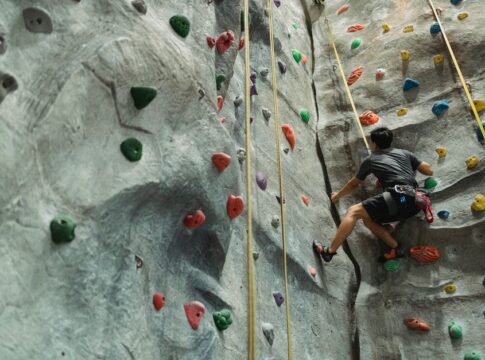
Free solo climbing, the practice of scaling rock faces without ropes or safety equipment, represents perhaps the most extreme test of mental control in sports. Climbers must maintain absolute focus and emotional regulation while knowing that a single mistake will result in fatal consequences. The mental discipline required to control fear responses and maintain technical precision in such circumstances is extraordinary.
Successful free solo climbers describe entering states of hyper-focus where they become completely absorbed in the immediate task, blocking out thoughts of danger or failure. This level of mental control requires years of psychological preparation and an ability to manage fear that goes far beyond normal athletic performance.
Professional Golf: Maintaining Composure Under Scrutiny
Golf’s mental demands are often underestimated by casual observers. Professional golfers must maintain focus and execute precise movements over four to five hours, making strategic decisions on every shot while managing the psychological impact of both success and failure. Unlike many sports where continuous action helps maintain focus, golf requires athletes to reset mentally between each shot, managing their psychology during extended periods of waiting.
The psychological challenges include:
- Recovering from poor shots without letting frustration affect subsequent performance
- Maintaining confidence during competitive slumps that can last for tournaments or even seasons
- Performing under intense public scrutiny with quiet galleries watching every movement
- Managing the pressure of final-round leads where millions of dollars hang in the balance
- Controlling physical responses to stress such as shaking hands or accelerated heartbeat during crucial putts
Open Water Swimming: Battling the Elements and the Mind
Open water marathon swimming challenges athletes to maintain mental focus for hours while dealing with cold water, waves, currents, and the psychological difficulty of swimming with no clear reference points for progress. Swimmers in events like English Channel crossings must cope with jellyfish stings, hypothermia risks, and the mental strain of swimming through darkness.
The isolation of open water swimming creates unique psychological challenges. Without lane lines, pool walls, or the immediate presence of competitors, swimmers must maintain motivation and focus through internal dialogue alone. The sport demands mental preparation for unexpected challenges such as equipment failures, changing weather conditions, and the physical discomfort of prolonged saltwater exposure.
Professional Poker: Reading Minds Under Pressure
Championship poker tournaments test mental endurance through extended periods of intense psychological competition. Major tournaments can last for days, with players spending 10-12 hours daily at the table, making strategic decisions while managing bankrolls worth hundreds of thousands or millions of dollars.
Players must maintain focus while simultaneously managing multiple cognitive tasks: calculating odds, reading opponents’ behavioral tells, controlling their own physical and verbal signals, and making strategic decisions about when to be aggressive or conservative. The psychological pressure intensifies as tournaments progress and the stakes increase, requiring sustained mental performance when fatigue is greatest.
The Common Thread: Mental Resilience
These diverse sports share a common requirement: the ability to maintain mental clarity, focus, and emotional control under extreme circumstances. While the specific challenges differ dramatically between climbing a rock face without protection and sitting at a poker table, the underlying psychological demands reveal that true athletic excellence extends far beyond physical capabilities. The athletes who excel in these disciplines demonstrate that mental endurance may be the ultimate sporting attribute.