1 / 10 Questions
0 Points

Which Ancient Monument Still Baffles Scientists On Salisbury Plain?

Callanish

Avebury

The Ring of Brodgar

Stonehenge

Points won
0
Correct score
0%

More Questions

More Articles

Why Flamingos Are Pink: The Surprising Diet Secret

Why Flamingos Are Pink: The Surprising Diet Secret

Why Flamingos Are Pink: The Surprising Diet Secret

By TrivBits, Staff Writer — Published August 12, 2026

Table of Contents

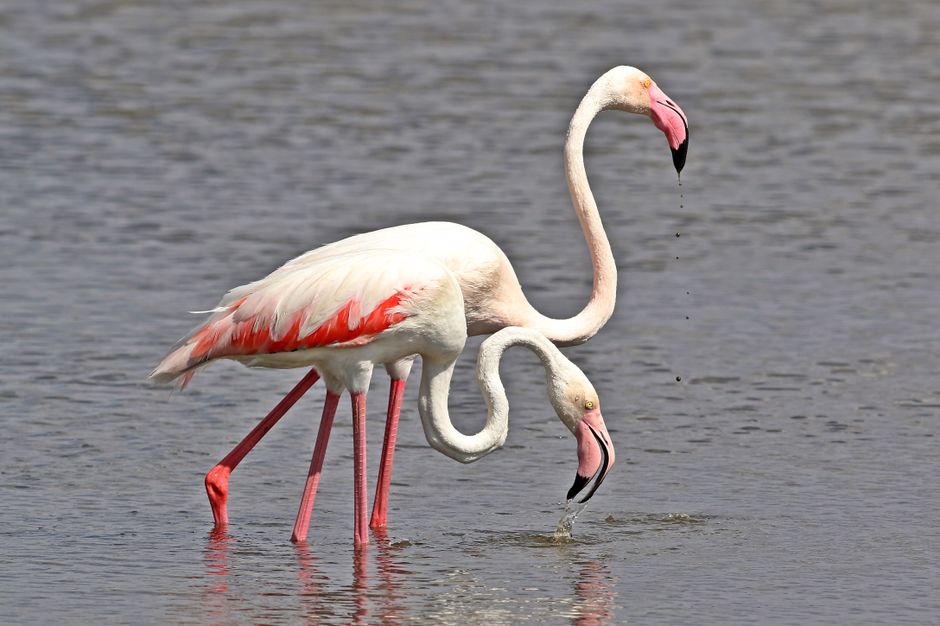
Flamingos aren't born pink. These elegant wading birds hatch with grayish-white feathers and only develop their signature rosy hue through years of eating specific foods. The flamingos pink diet is one of nature's most fascinating examples of "you are what you eat"—literally transforming these birds from drab to dazzling through the power of pigments hidden in their meals. It's a surprising truth that challenges what many assume is simply genetic inheritance. The secret lies in carotenoids, the same natural pigments that make carrots orange and tomatoes red. For flamingos, these compounds are consumed through their specialized diet and gradually deposited into growing feathers, turning them various shades of pink, orange, and even red. Without the right foods, flamingos remain pale or white throughout their lives.

Key Takeaways

  • Flamingos are born with gray or white feathers and develop pink coloring exclusively through their diet over time.
  • Carotenoid pigments from algae, brine shrimp, and other small organisms are responsible for the pink coloration.
  • The intensity of a flamingo's color indicates diet quality and health, with brighter birds often being more attractive mates.
  • Six flamingo species exist worldwide, each displaying different shades from pale pink to deep crimson depending on regional food sources.
  • Captive flamingos require carotenoid supplements in their food to maintain their natural coloring.
  • Flamingos can lose their pink color during breeding season as they transfer pigments to their eggs and chicks.

The Flamingos Pink Diet: What They Actually Eat

Flamingos are filter feeders with a highly specialized diet. Their curved bills work like sieves, allowing them to strain tiny organisms from water and mud. The primary foods vary by species and habitat, but all share one critical characteristic: they contain carotenoids. Different flamingo species consume slightly different foods based on their environment. Greater flamingos primarily eat blue-green algae, small crustaceans, and mollusks. Lesser flamingos, meanwhile, are almost exclusively algae eaters, consuming spirulina and other microscopic organisms in vast quantities. Caribbean flamingos feast on brine shrimp, which are particularly rich in carotenoids and give these birds some of the most vibrant coloring among all species. A single flamingo can filter up to 20 beakfuls of water per second while feeding. This remarkable efficiency allows them to consume enough carotenoid-rich organisms daily to maintain their distinctive appearance. The birds' tongues pump water through comb-like structures called lamellae that trap food particles while expelling water and sediment.

How Carotenoids Transform Feather Color

The transformation from food to feather color is a complex biological process. When flamingos consume carotenoid-rich organisms, these pigments are absorbed in the liver and broken down into molecules that can be deposited in growing feathers and skin. The process isn't immediate—it takes years for young flamingos to develop their full adult coloration. Two specific carotenoids are primarily responsible for flamingo coloration: beta-carotene and canthaxanthin. These compounds are fat-soluble, meaning they're stored in fatty tissues and gradually released over time. As new feathers grow, these pigments are incorporated into the keratin structure, creating the pink, orange, or red hues we associate with healthy flamingos. Interestingly, flamingos can metabolize and deposit carotenoids more efficiently than most other birds. This specialized ability is why their entire bodies—not just isolated patches—display such uniform and intense coloring. Even their skin, legs, and bills show pink tones from carotenoid accumulation.

Color Variations Across Flamingo Species

Not all flamingos are created equal when it comes to color intensity. The six species of flamingos worldwide display a remarkable range of hues based on their geographic locations and available food sources.
Species Primary Color Main Diet Geographic Range
Greater Flamingo Pale pink to white Algae, small crustaceans Africa, Europe, Asia
Lesser Flamingo Dark pink to red Spirulina algae Africa, India
Caribbean Flamingo Bright pink to orange-red Brine shrimp, algae Caribbean, northern South America
Chilean Flamingo Pale pink with crimson markings Algae, diatoms South America
Andean Flamingo Pale pink with yellow legs Diatoms, algae High Andes mountains
James's Flamingo Pale pink to white Diatoms High Andes mountains

The Role of Color in Flamingo Society

Color isn't just aesthetically interesting for flamingos—it's a critical social signal. Brighter, more intensely colored flamingos are generally healthier and have access to better feeding grounds. During breeding season, the most vibrantly colored individuals attract more mates and enjoy greater reproductive success. Flamingos actually enhance their appearance before breeding. They preen oil from a gland near their tail and spread it across their feathers, which contains carotenoids that intensify their color temporarily. This "makeup" behavior demonstrates how important visual appearance is to flamingo courtship and social hierarchy. Curiously, parent flamingos can lose significant coloration while raising chicks. They secrete a nutrient-rich "crop milk" to feed their young, and this substance is packed with carotenoids transferred from the parents' own reserves. Dedicated parents literally give their color to their offspring, appearing noticeably paler after the breeding season until they rebuild their pigment stores through feeding.

Captive Flamingos and Diet Management

Zoos and wildlife parks face an interesting challenge: keeping flamingos pink. Without access to their natural carotenoid-rich foods, captive flamingos would gradually fade to white or pale gray. To prevent this, animal care specialists supplement flamingo diets with synthetic or natural carotenoids. Common supplements include canthaxanthin, spirulina powder, and even cooked carrots or peppers. The Smithsonian's National Zoo and other institutions carefully monitor flamingo coloration as an indicator of nutritional health. If birds begin to pale, keepers adjust supplement levels to restore proper pigmentation. This dietary management has taught researchers valuable lessons about carotenoid absorption and metabolism. The knowledge gained from captive flamingo nutrition has applications beyond bird care, contributing to broader understanding of how carotenoids function as antioxidants and health indicators across species.

Frequently Asked Questions

Are baby flamingos pink when they hatch?

No, flamingo chicks hatch with gray or white downy feathers. They gradually develop pink coloration over two to three years as they consume carotenoid-rich foods and mature into adults.

Can flamingos lose their pink color?

Yes, flamingos can lose their pink coloration if deprived of carotenoid-rich foods. Captive flamingos without dietary supplements will fade to white, and wild flamingos can temporarily pale during breeding season when transferring pigments to their offspring.

Do all flamingos eat the same thing?

No, different flamingo species have specialized diets based on their habitats. While all consume carotenoid-rich organisms, some species primarily eat algae while others focus on brine shrimp, mollusks, or diatoms depending on what's available in their environment.

Why are some flamingos more colorful than others?

Color intensity varies based on diet quality, health, age, and species. Flamingos with access to carotenoid-rich food sources develop brighter coloring, while those in nutrient-poor environments or during breeding season may appear paler. The next time you marvel at a flamingo's vibrant plumage, remember you're witnessing the visible result of millions of microscopic meals. These birds are living proof that beauty sometimes comes from the most unexpected places—in this case, from the humble algae and tiny crustaceans that transform gray birds into one of nature's most iconic pink wonders.
Top 10 Craziest Playoff Moments

Top 10 Craziest Playoff Moments

⏱️ 6 min read

Playoff sports deliver the highest stakes, the most intense pressure, and unforgettable moments that become etched in history. When the season is on the line and athletes push beyond their limits, the impossible becomes possible. From miraculous comebacks to shocking upsets and jaw-dropping individual performances, these moments transcend the games themselves and become part of sports folklore. Here are ten of the most incredible playoff moments that left fans speechless and changed the trajectory of sports history.

The Greatest Playoff Upsets and Comebacks in Sports History

1. The Music City Miracle's Lateral Madness

In the 2000 AFC Wild Card game, the Tennessee Titans found themselves trailing the Buffalo Bills 16-15 with just 16 seconds remaining. On the ensuing kickoff, the Titans executed one of the most controversial and spectacular plays in NFL playoff history. Tight end Frank Wycheck threw a lateral across the field to Kevin Dyson, who raced 75 yards down the sideline for the game-winning touchdown. The play sparked intense debate about whether the lateral was actually an illegal forward pass, but it stood, sending the Titans to the divisional round and leaving Bills fans heartbroken.

2. Boston's Historic 3-0 Deficit Reversal Against New York

The 2004 American League Championship Series produced the greatest comeback in baseball playoff history. The Boston Red Sox faced a 3-0 series deficit against their bitter rivals, the New York Yankees, a situation from which no team had ever recovered in MLB postseason history. Down to their final three outs in Game 4, the Red Sox rallied to tie the game, then won in extra innings. They followed with three more consecutive victories, including two more extra-inning games, to complete the unprecedented comeback. Boston then swept the World Series, ending their 86-year championship drought.

3. The Immaculate Reception's Controversial Deflection

Perhaps the most famous play in NFL history occurred during the 1972 AFC Divisional playoff game between the Pittsburgh Steelers and Oakland Raiders. With 22 seconds left and trailing 7-6, Steelers quarterback Terry Bradshaw threw a desperation pass intended for John "Frenchy" Fuqua. The ball deflected off either Fuqua or Raiders defender Jack Tatum—a point still debated today—and Franco Harris scooped it up just before it hit the ground, racing to the end zone for an improbable touchdown. The controversial catch propelled the Steelers toward their dynasty years.

4. Cleveland's Championship Comeback from 3-1 Down

The 2016 NBA Finals delivered one of basketball's most remarkable comebacks. The Cleveland Cavaliers faced a 3-1 series deficit against the 73-win Golden State Warriors, who had set the NBA regular season wins record. Led by LeBron James's historic performance, including a chase-down block that became iconic, and Kyrie Irving's clutch three-pointer in Game 7, Cleveland became the first team in NBA Finals history to overcome a 3-1 deficit. The victory ended Cleveland's 52-year championship drought across all major sports.

5. The Miracle on Ice's Cold War Victory

During the 1980 Winter Olympics semifinals, a group of amateur and collegiate American hockey players faced the seemingly invincible Soviet Union team, which had won gold in six of the previous seven Olympic tournaments. The Soviets had defeated an NHL All-Star team just one year earlier. Against all odds, Team USA pulled off a stunning 4-3 upset victory at Lake Placid, with announcer Al Michaels delivering his famous call: "Do you believe in miracles? Yes!" The Americans went on to defeat Finland for the gold medal, creating one of sports' most inspiring underdog stories.

6. New England's 28-3 Super Bowl Resurrection

Super Bowl LI in 2017 featured the largest comeback in championship game history. The Atlanta Falcons dominated the New England Patriots through three quarters, building a commanding 28-3 lead midway through the third quarter. What followed seemed impossible: Tom Brady methodically led the Patriots back, scoring 25 unanswered points to force overtime. New England then won the coin toss and drove down the field for a touchdown, completing the 34-28 comeback victory in the first Super Bowl to require overtime.

7. The Shot Heard 'Round the Basketball World

In the 1989 NBA first-round playoff series, Michael Jordan's Chicago Bulls faced elimination against the Cleveland Cavaliers in Game 5. With three seconds remaining and the score tied at 99, Jordan received the inbounds pass at the top of the key. He dribbled to the right, rose up over Craig Ehlo, and released a jumper that swished through as time expired. Jordan's ecstatic celebration, pumping his fist repeatedly, became one of basketball's most iconic images. The shot, simply known as "The Shot," announced Jordan's arrival as a playoff legend.

8. Philadelphia's Fog Bowl Frozen Fumble

The 1988 NFC Divisional playoff game between the Philadelphia Eagles and Chicago Bears became legendary not just for the conditions but for the finish. Dense fog rolled over Chicago's Soldier Field, making visibility nearly impossible for players and fans alike. Late in the fourth quarter, with the Bears driving for a potential game-winning score, Eagles defensive end Clyde Simmons forced a fumble that Philadelphia recovered. The surreal conditions and dramatic turnover created one of the most bizarre playoff victories in NFL history, with many plays invisible to spectators.

9. The Bluegrass Miracle's Improbable Heave

In the 2002 college football matchup between LSU and Kentucky, the Tigers found themselves trailing 30-27 with no timeouts and just 11 seconds remaining, facing 4th-and-10 from their own 9-yard line. Quarterback Marcus Randall launched a desperation heave toward the end zone. The ball deflected off Kentucky defender and into the hands of LSU receiver Devery Henderson, who raced untouched for a 75-yard touchdown as time expired. The improbable 33-30 victory kept LSU's SEC championship hopes alive and remains one of college football's most stunning finishes.

10. Golden State's 3-1 Series Deficit Erasure Against Oklahoma City

Before their own historic collapse in the 2016 NBA Finals, the Golden State Warriors staged a remarkable comeback in the Western Conference Finals. Facing elimination down 3-1 against the Oklahoma City Thunder, the Warriors had to win two road games after dropping the first two in Oakland. Klay Thompson exploded for 41 points in Game 6, hitting eleven three-pointers to force Game 7. Golden State then completed the comeback at home, becoming only the tenth team in NBA history to overcome a 3-1 deficit. The victory sent them to the Finals with a 73-win season, though their ultimate fate would involve another 3-1 series storyline.

The Lasting Impact of These Moments

These ten playoff moments represent more than just victories and defeats—they embody the unpredictable nature of sports and the human capacity for resilience under pressure. They remind us why millions of fans invest emotionally in their teams, why athletes train relentlessly, and why playoff sports command global attention. From miraculous catches and impossible comebacks to clutch shots and controversial calls, these moments continue to be replayed, debated, and celebrated. They define careers, franchise legacies, and sometimes even transcend sports to become part of broader cultural memory. As long as playoff sports exist, athletes will continue creating these magical moments that seem to defy logic and probability, adding new chapters to the ever-growing book of sports history.