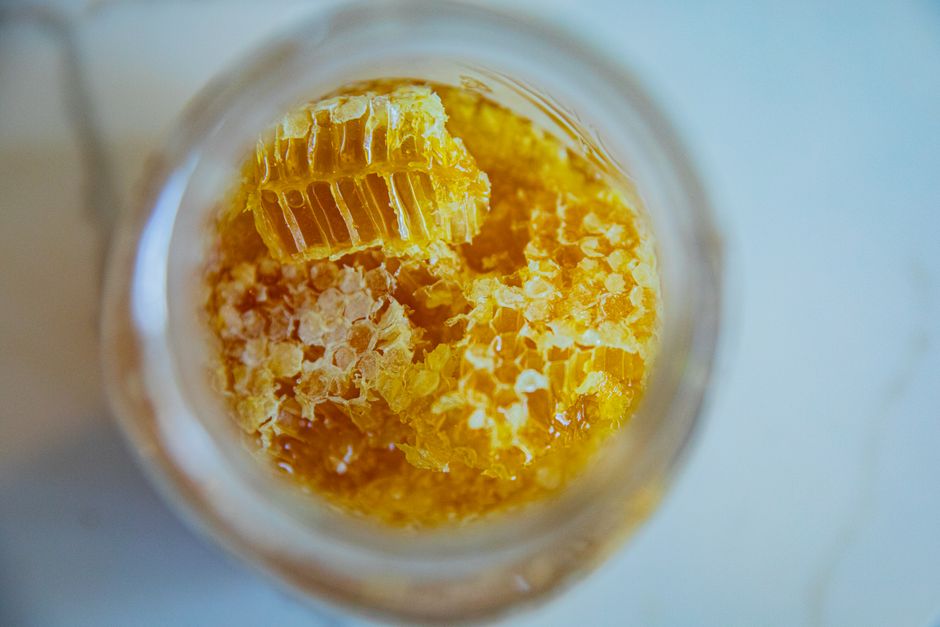
Archaeologists excavating ancient Egyptian tombs have made a surprising discovery time and again: pots of honey, thousands of years old, still perfectly edible. This isn't an isolated curiosity—honey never spoils under the right conditions, making it one of nature's most remarkable preservation wonders. While other foods decay within days or weeks, honey can last indefinitely, a fact that has fascinated scientists and delighted trivia lovers for generations.The secret behind honey's eternal shelf life lies in a perfect storm of chemistry, biology, and physics. Bees aren't just making a sweet treat; they're engineering one of the most stable food substances on Earth.
Key Takeaways
Honey never spoils due to its extremely low moisture content, high acidity, and natural production of hydrogen peroxide.
Ancient honey found in Egyptian tombs dating back over 3,000 years was still perfectly preserved and technically edible.
Bees create honey with less than 18% water content, making it inhospitable to bacteria and microorganisms that cause spoilage.
The pH of honey ranges from 3 to 4.5, creating an acidic environment where most bacteria cannot survive.
Honey's hygroscopic nature means it absorbs moisture from its surroundings, further preventing microbial growth.
Crystallized honey is still good to eat—it's simply a natural process that doesn't indicate spoilage.
Why Honey Never Spoils: The Science Behind Eternal Sweetness
The amazing longevity of honey comes down to three primary factors working in concert. First, honey contains remarkably little water. Bees fan their wings over the honeycomb to evaporate moisture, reducing water content to below 18%. Most bacteria and microorganisms need moisture levels above 60% to survive and reproduce. In honey's dry environment, these spoilage agents simply cannot thrive—they become dehydrated and die.Second, honey is incredibly acidic. With a pH typically between 3 and 4.5, it creates an environment hostile to most microbes. This acidity comes from gluconic acid, which bees produce through an enzyme called glucose oxidase. When this enzyme breaks down the sugars in nectar, it creates both gluconic acid and hydrogen peroxide—a natural antimicrobial compound that actively kills bacteria.The hydrogen peroxide in honey exists in small amounts, but it's enough to prevent contamination. Interestingly, this same compound is why honey has been used medicinally for thousands of years to dress wounds and prevent infection.
The Hygroscopic Property: Honey's Hidden Defense
Honey possesses a fascinating characteristic called hygroscopicity—the ability to absorb moisture from the surrounding environment. This property creates a paradox for any bacteria brave enough to land in honey. Not only does honey contain too little water for bacteria to use, but it actually pulls water out of bacterial cells through osmosis. The microbes essentially dry out from the inside.This same property explains why honey is excellent for baking. It keeps cakes and breads moist by drawing water from the air. It also explains why you should always keep honey in a sealed container. Exposed to humid air, honey will absorb moisture and could eventually ferment if the water content rises high enough.
How Bees Engineer Perfection
Honeybees are meticulous food preservationists. After collecting nectar, worker bees pass it mouth-to-mouth, adding enzymes with each transfer. They then deposit it into honeycomb cells and fan it with their wings, sometimes for days, until the water content drops sufficiently. Once ready, they seal the cells with beeswax, creating an airtight storage system.The entire process represents thousands of years of evolutionary refinement. Bees need their honey stores to last through winter when flowers aren't blooming, so they've developed techniques that accidentally created one of the most stable foods humans have ever encountered.
Archaeological Evidence: Honey Through the Millennia
The most compelling evidence for honey's indefinite shelf life comes from archaeology. Egyptian tombs have yielded honey pots dating back over 3,000 years, sealed in ceramic vessels and still preserved. While no one has conducted extensive taste tests on these ancient samples, analysis shows they remain chemically stable and free from spoilage.The ancient Egyptians understood honey's preservative powers well enough to use it in mummification. They also included it in tombs as food for the afterlife, confident it would remain edible for eternity. That confidence, it turns out, was well-placed.Beyond Egypt, ancient civilizations from Greece to China recognized honey's special properties. They used it not just as food but as a preservative for fruits, meats, and even human bodies. The fact that honey itself never spoiled made it invaluable in ages before refrigeration.
Common Myths About Honey Spoilage
Many people mistake crystallization for spoilage and discard perfectly good honey. Crystallization is simply glucose separating from water and forming crystals—a natural process that depends on the ratio of glucose to fructose in the honey and the storage temperature. Different honey varieties crystallize at different rates. Clover honey crystallizes quickly, while acacia honey may stay liquid for years.You can easily reverse crystallization by gently warming the honey container in warm water. The crystals will dissolve, and the honey returns to its liquid state without any loss of quality or nutritional value.Another myth suggests that heating honey destroys its beneficial properties. While excessive heat can reduce some enzymes and antioxidants, it doesn't cause honey to spoil. Pasteurized honey sold in stores has been heated and remains stable indefinitely.
When Honey Does Go Bad: The Exceptions
While pure honey never spoils, improper storage can lead to fermentation. If honey absorbs enough moisture to raise its water content above 19%, naturally occurring yeasts can become active and begin fermenting the sugars. This produces alcohol, carbon dioxide, and eventually vinegar-like compounds. Fermented honey develops a sour smell and fizzy texture—clear signs it's no longer at peak quality.Contamination is another concern. If water or food particles get into a honey jar, they can introduce bacteria or mold. The honey itself won't spoil, but the contaminants will. This is why you should always use a clean, dry spoon when serving honey.
Frequently Asked Questions
Does honey expire or have a shelf life?
Pure honey does not expire and can last indefinitely when stored properly in a sealed container. The "best by" dates on commercial honey are required by regulations but don't indicate actual spoilage—they're estimates for peak quality and flavor.
Why does honey sometimes turn white or grainy?
This is crystallization, a natural process where glucose forms solid crystals. It doesn't mean the honey has gone bad—crystallized honey is still perfectly safe to eat and can be liquified again by gentle warming.
Can bacteria grow in honey?
Most bacteria cannot survive in honey due to its low moisture content, high acidity, and antimicrobial compounds. However, honey can contain dormant spores of Clostridium botulinum, which is why infants under one year old should never consume honey—their digestive systems aren't mature enough to handle these spores safely.
How should honey be stored to prevent spoilage?
Store honey in a tightly sealed container at room temperature, away from direct sunlight. Glass or food-grade plastic containers work best. Refrigeration isn't necessary and actually speeds up crystallization, though it doesn't harm the honey.The next time you drizzle honey into your tea or spread it on toast, consider that you're enjoying a food virtually unchanged since ancient times. That golden liquid represents millions of years of evolutionary engineering and thousands of years of human appreciation—a sweet reminder that nature sometimes perfects what technology can only imitate.
Did you know that the ketchup sitting in your refrigerator door has a surprising past as a medicinal tonic? Long before it became the world's favorite condiment for fries and burgers, ketchup began its journey as a fermented fish sauce believed to cure ailments ranging from indigestion to diarrhea. This hidden story of ketchup reveals a fascinating transformation spanning centuries and continents, evolving from ancient Asian remedies to the sweet tomato sauce we squirt on our hot dogs today.
The interesting truths behind ketchup's evolution challenge everything we assume about this ubiquitous condiment. Its transformation from pharmacy shelf to kitchen table is one of food history's most remarkable reinventions.
Key Takeaways
Ketchup originated as a fermented fish sauce in Southeast Asia, used for both flavoring and medicinal purposes.
British traders brought the concept to the West in the 1600s, where it was marketed as medicine before becoming a condiment.
Early ketchup recipes contained no tomatoes and included ingredients like mushrooms, walnuts, and oysters.
Tomato ketchup wasn't widely produced until the 1800s, and early versions were actually sold as patent medicine.
The shift from medicine to condiment happened gradually as sugar and vinegar replaced medicinal herbs and spices.
Modern ketchup bears almost no resemblance to its ancient ancestor except in name.
The Hidden Story of Ketchup: From Asian Fish Sauce to Western Elixir
The word "ketchup" likely derives from the Hokkien Chinese word "kê-tsiap," referring to a fermented fish brine used in southern China and throughout Southeast Asia. This sauce had nothing to do with tomatoes. Instead, it was a dark, pungent liquid made from fermented fish intestines, soybeans, and spices. Traders and sailors valued it not just for flavor but for its supposed digestive benefits.
When British sailors encountered this sauce in the 1600s, they became fascinated by its intense umami flavor and preservation qualities. They brought the concept home, but faced a problem: replicating the exact ingredients proved difficult in England. British cooks began experimenting with local ingredients to recreate the sauce's complex, savory profile. Mushrooms became a popular base. So did walnuts, anchovies, and oysters.
These early British "ketchups" were marketed as both flavor enhancers and health tonics. Recipe books from the 1700s often listed ketchup formulas alongside remedies for common ailments. The fermentation process and strong spices were believed to aid digestion and settle upset stomachs.
When Tomatoes Entered the Picture
Tomatoes didn't appear in ketchup recipes until the early 1800s, primarily in America. This timing is significant. For much of European history, tomatoes were viewed with suspicion, even considered poisonous by some. They're members of the nightshade family, after all, which includes genuinely toxic plants.
But by the early nineteenth century, tomatoes had gained acceptance as both food and folk medicine. Some physicians promoted tomatoes as beneficial for digestion and liver function. Dr. John Cook Bennett, an American physician, championed tomato pills in the 1830s as a cure-all for diarrhea, indigestion, and even cholera. While Bennett didn't invent tomato ketchup, he certainly contributed to the tomato's medicinal reputation.
Early tomato ketchup recipes were thin, heavily spiced concoctions that bore little resemblance to today's thick, sweet version. They contained more vinegar, less sugar, and various spices believed to have therapeutic properties. Cloves, cinnamon, cayenne, and other strong flavors dominated. The mixture was sometimes sold in pharmacies alongside actual medicines.
The Transformation into America's Favorite Condiment
Ketchup's shift from medicine to mainstream condiment accelerated in the late 1800s. Commercial producers began standardizing recipes and marketing ketchup as a table sauce rather than a health tonic. The addition of more sugar made it palatable to broader audiences, especially children. Improved preservation techniques using vinegar and eventually benzoate preservatives meant ketchup could sit on shelves without spoiling.
Henry J. Heinz revolutionized ketchup production in 1876 by creating a recipe with ripe tomatoes, vinegar, sugar, and spices. His clear glass bottle showcased the product's purity at a time when food adulteration was rampant. Heinz marketed his ketchup as wholesome and pure rather than medicinal, though health claims still appeared in some advertising.
By the early 1900s, ketchup had completed its transformation. It moved from pharmacy to pantry. The medicinal heritage faded from public memory as ketchup became associated with American food culture, particularly hamburgers, hot dogs, and French fries. What had once been a fermented Asian fish sauce, then a British medicinal condiment, became an icon of American dining.
Debunking Common Ketchup Myths and Trivia
Several myths surround ketchup's medicinal past. One persistent story claims that ketchup was sold as medicine to treat specific diseases in the 1830s. While tomato extracts and pills were indeed marketed this way, ketchup itself was never formally classified as medicine. It existed in a gray area between condiment and folk remedy.
Another interesting fact: early ketchup recipes varied wildly by region and household. No standard formula existed. Some versions were thick, others watery. Colors ranged from brown to reddish-brown to bright red. The consistency we expect today—thick enough to slowly pour but smooth enough to spread—only became standardized in the twentieth century.
The fermentation that characterized original Asian ketchup has almost entirely disappeared from modern commercial versions. Today's ketchup relies on vinegar for tanginess rather than fermentation. Some artisanal producers have revived fermented ketchup recipes, creating products that taste remarkably different from supermarket varieties.
Frequently Asked Questions
Was ketchup actually prescribed by doctors as medicine?
While ketchup itself wasn't typically prescribed, tomato-based remedies were promoted by some physicians in the 1830s and 1840s. Dr. John Cook Bennett famously marketed tomato pills as medicinal, and tomato ketchup benefited from this association with health. However, ketchup was more commonly used as a folk remedy rather than formal medicine prescribed by doctors.
What did original ketchup taste like before tomatoes?
Original Asian fish-based ketchup was intensely savory, salty, and pungent—similar to modern fish sauce or Worcestershire sauce. British versions made from mushrooms, walnuts, or oysters were dark, thin, and strongly flavored with spices. These early ketchups bore no resemblance to the sweet, tomatoey condiment we know today.
Why did people think ketchup could cure illnesses?
Fermented foods were traditionally valued for digestive benefits, which modern science confirms through understanding of probiotics. The strong spices in early ketchup recipes—cloves, cayenne, cinnamon—were also believed to have medicinal properties. When tomatoes gained a health reputation in the 1830s, tomato ketchup inherited these perceived benefits.
When did ketchup stop being considered medicine?
The transition happened gradually between the 1850s and early 1900s. As commercial production standardized recipes and marketing shifted toward culinary use, ketchup's medicinal associations faded. By the time Heinz popularized bottled tomato ketchup in the late 1800s, it was primarily marketed as a condiment, though some health claims lingered in advertising into the early twentieth century.