
By TrivBits, Staff Writer — Published August 22, 2026
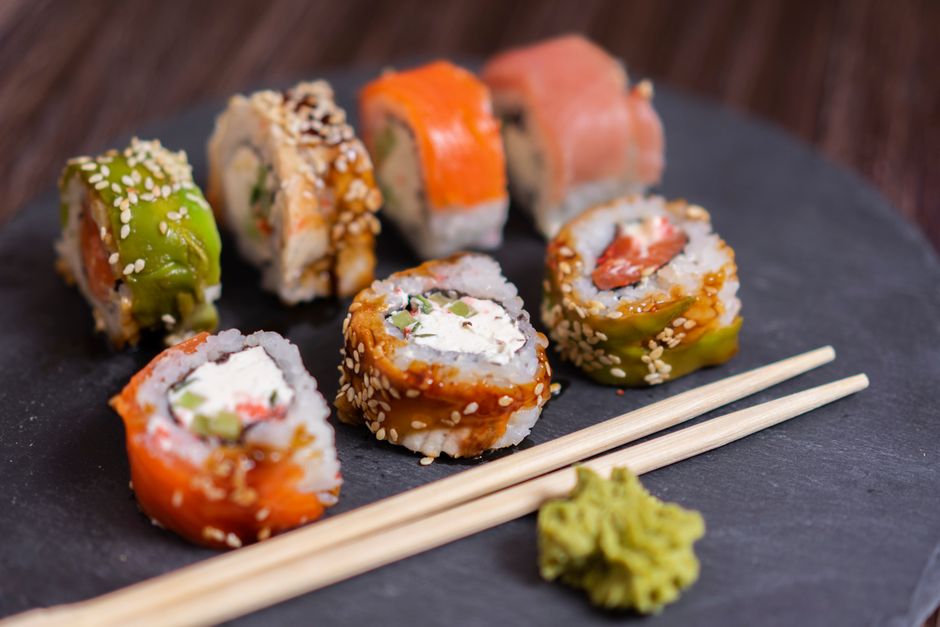
Table of Contents
- Key Takeaways
- The Bizarre Truth About Wasabi: Why Real Wasabi Is So Rare
- What’s Actually in Your “Wasabi”
- How to Spot the Real Deal
- The Economics Behind the Substitution
- Health Benefits: Real vs. Fake
- Frequently Asked Questions
- Sources
That vibrant green paste sitting next to your sushi? There’s a good chance it’s not what you think it is. The bizarre truth about wasabi is that most of what we eat in restaurants—even high-end sushi bars—isn’t real wasabi at all. It’s a clever impostor made primarily from horseradish, mustard, and food coloring. This surprising revelation has left food lovers around the world questioning everything they thought they knew about Japanese cuisine.
Real wasabi comes from a finicky plant that’s notoriously difficult to cultivate. The fake stuff? It’s cheaper, easier to produce, and most diners can’t tell the difference. Let’s uncover the fascinating facts behind this culinary deception.
Key Takeaways
- Most wasabi served globally is actually a mixture of horseradish, mustard, and green food coloring, not authentic wasabi japonica
- Real wasabi is one of the most expensive crops in the world, costing upward of $100 per pound wholesale
- Authentic wasabi requires very specific growing conditions: cold running water, shade, and temperatures between 46-68°F
- The flavor difference is notable—real wasabi is sweeter, more complex, and less harshly pungent than the horseradish substitute
- Even in Japan, many restaurants use the imitation version due to cost and availability constraints
- Once grated, genuine wasabi loses its potency within 15-20 minutes, making it impractical for many food service operations
The Bizarre Truth About Wasabi: Why Real Wasabi Is So Rare
Wasabi japonica is a semi-aquatic plant native to Japan that grows naturally along cold mountain stream beds. This isn’t your average backyard herb. The plant demands extraordinarily specific conditions to thrive, making commercial cultivation a genuine challenge.
The wasabi plant needs pristine running water. Not just any water—it must be cold, clean, and constantly flowing at just the right rate. Temperature fluctuations kill it. Too much sunlight scorches it. The plant takes 18 to 24 months to mature, and even then, only the rhizome (the thick stem) produces that prized green paste we associate with sushi.
Farmers in Japan’s Izu Peninsula and parts of Nagano Prefecture have perfected wasabi cultivation over centuries, creating terraced beds in mountain streams where conditions align perfectly. Outside Japan, only a handful of locations worldwide can successfully grow it—parts of Oregon, British Columbia, and Tasmania have managed small-scale operations. The labor-intensive process and high failure rate explain why real wasabi commands astronomical prices.
What’s Actually in Your “Wasabi”
Open most tubes or tins of wasabi paste and you’ll find a ingredient list that reads something like: horseradish, mustard, cornstarch, and artificial coloring. Some brands add a tiny percentage of actual wasabi powder to justify the name, but it’s often less than 5%.
Horseradish makes a surprisingly convincing stand-in. Both plants belong to the Brassicaceae family, which also includes cabbage, broccoli, and mustard. They share similar chemical compounds called isothiocyanates—the molecules responsible for that sinus-clearing, tear-inducing punch. When you grate either plant, enzymes break down glucosinolates into these volatile compounds, creating that familiar heat.
The substitution works so well that most people have never tasted real wasabi for comparison. The fake version delivers heat and pairs well with soy sauce and fish, satisfying expectations even if it’s botanically dishonest.
How to Spot the Real Deal
Authentic wasabi looks and behaves differently from its common impostor. Real wasabi is traditionally grated fresh using a sharkskin grater called an oroshigane, creating a paste with a slightly grainy texture rather than the smooth, uniform consistency of tube wasabi.
The color offers clues too. Genuine wasabi ranges from pale green to a more muted, natural green—never the bright, almost neon green of food-colored horseradish paste. Fresh wasabi also oxidizes and loses its vibrant color within minutes of grating.
Flavor-wise, the difference becomes obvious once you’ve tried both. Real wasabi starts with an initial heat that’s less aggressive than horseradish, followed by complex sweet and herbaceous notes. The burn dissipates quickly, clearing your palate rather than lingering. Horseradish-based wasabi hits harder and stays longer, with a more one-dimensional sharpness.
The Economics Behind the Substitution
Numbers tell the story clearly. A pound of fresh wasabi rhizome costs restaurants anywhere from $75 to over $150, depending on quality and availability. That same amount of horseradish costs just a few dollars. For restaurants serving hundreds of sushi rolls daily, the math is straightforward.
| Type | Cost per Pound | Shelf Life | Availability |
|---|---|---|---|
| Real Wasabi (fresh) | $75-$150+ | 15-20 minutes after grating | Extremely limited |
| Horseradish Substitute | $3-$10 | Months when sealed | Widely available |
Even high-end sushi restaurants face a dilemma. Real wasabi must be grated to order and served immediately. It can’t sit pre-made in small dishes. This requires additional labor, specialized equipment, and a constant fresh supply—luxuries that significantly impact operating costs.
In Japan, surveys suggest that roughly 95% of wasabi served in restaurants is the horseradish blend. If authenticity is scarce in wasabi’s homeland, imagine the situation elsewhere.
Health Benefits: Real vs. Fake
Both real wasabi and horseradish contain beneficial compounds, though authentic wasabi offers some unique advantages. Research has identified compounds in genuine wasabi that may have anti-inflammatory and antimicrobial properties. Some studies suggest these compounds might even help prevent certain foodborne pathogens—potentially useful when eating raw fish.
The horseradish substitute isn’t without merit. It contains many of the same isothiocyanates that give vegetables like broccoli their health-promoting reputation. However, the green food coloring and additives in commercial preparations add nothing nutritionally beneficial.
Real wasabi also contains compounds that may promote better circulation and have antioxidant effects, though much of this research remains preliminary. The key difference is that authentic wasabi delivers these benefits without the artificial ingredients found in most substitutes.
Frequently Asked Questions
Can you grow real wasabi at home?
Growing real wasabi at home is extremely challenging but possible if you can replicate its natural habitat. You’ll need consistently cool temperatures, shade, high humidity, and either running water or a hydroponic setup that mimics stream conditions. Most home gardeners find it too demanding, but specialty nurseries do sell wasabi plants for adventurous growers willing to invest significant effort.
How can I tell if a restaurant serves real wasabi?
Look for restaurants that grate wasabi tableside or mention fresh wasabi specifically on their menu. Real wasabi is typically served on a small grater with the rhizome visible. The price point also hints at authenticity—restaurants charging premium prices for omakase or high-end sushi experiences are more likely to invest in genuine wasabi. Don’t hesitate to ask your server directly.
Does real wasabi taste better than the fake version?
Taste is subjective, but most people who try authentic wasabi describe it as more nuanced and refined than horseradish-based substitutes. Real wasabi offers sweetness and complexity alongside its heat, while the impostor tends toward simple, aggressive sharpness. Some sushi enthusiasts actually prefer the familiar punch of fake wasabi simply because it’s what they’ve grown accustomed to over years of eating sushi.
Why don’t more restaurants switch to real wasabi?
The combination of extreme cost, limited availability, and short shelf life makes real wasabi impractical for most restaurants. Additionally, many customers can’t distinguish between real and fake wasabi, so there’s little financial incentive to absorb the dramatically higher costs. Only restaurants targeting discerning clientele who specifically value authenticity find the investment worthwhile.